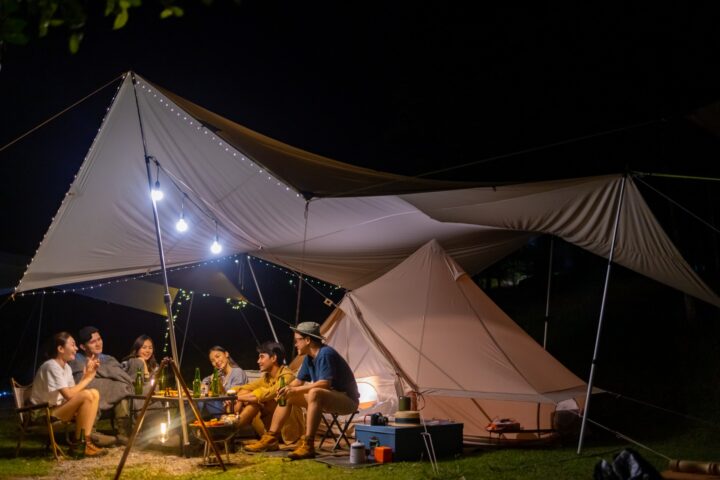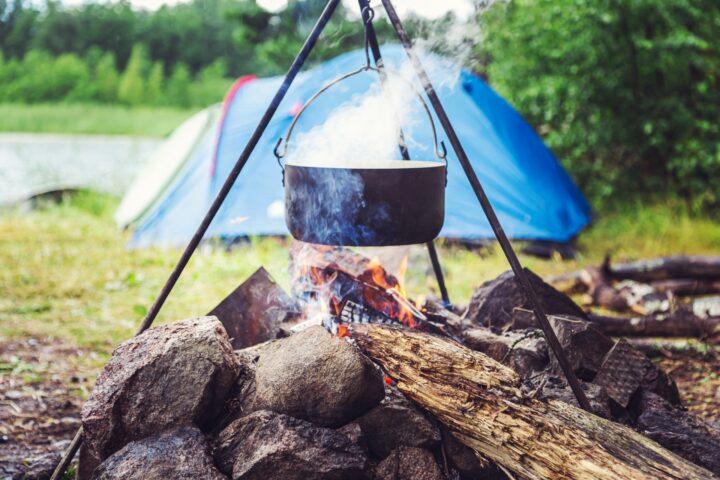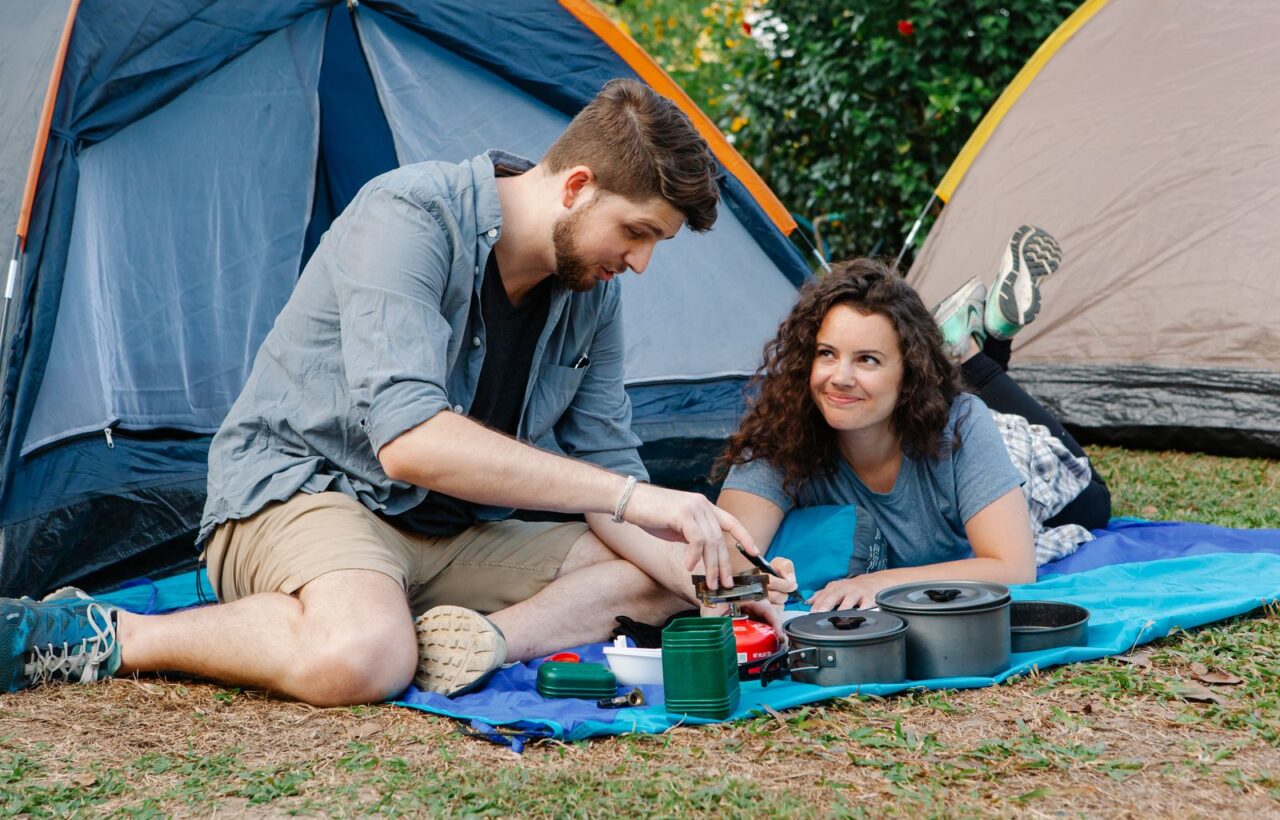
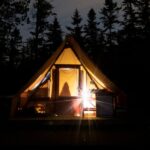
Do the chopping, seasoning, and most of the cooking at home, and tent camping meals become simple. At a site you usually have a cooler, a two-burner stove or a fire grate, limited light, and almost no counter space. The 16 meals below are built for that setup: each one is prepped before you leave, travels in a cooler or a dry bag, and finishes with reheating, a short cook, or no cooking at all.
The useful split is not “fancy versus simple.” It is how much work is left at camp, and whether the food still needs to stay cold.
What makes a meal work for tent camping
A meal earns a spot on a tent-camping list if it clears four checks.
- Most of the knife work is done at home.
- It packs flat or in one container, so it does not eat the whole cooler.
- It finishes in one pot, one foil packet, or no heat.
- It still tastes good after a day or two, or it is frozen and used as its own cold pack.
Raw chicken tossed in a bag of vegetables is make-ahead in name only. Fully cooked chili frozen flat in a bag is the real version: it keeps other food cold on the drive, then reheats in a pot.
Keep cold food cold and hot food hot
Perishable food sits in the USDA “Danger Zone” between 40°F and 140°F. Bacteria can reach unsafe levels after 2 hours in that range, or after 1 hour if the air is above 90°F. Leftovers should be reheated to 165°F. If the cooler runs out of ice, discard perishable leftovers rather than guessing.
A few packing habits matter more than the recipe:
- Freeze stews, chili, and cooked meat flat in labeled bags. They act as ice packs, then thaw into dinner.
- Pack raw meat below ready-to-eat food, or in a separate cooler if you have one.
- Keep the cooler in the shade, out of the car trunk when you can, and open it as little as possible.
- Plan no-cooler meals for the last day, when the ice is weakest.
Breakfasts that are already mostly done
1. Freezer breakfast burritos
Scramble eggs with cooked potato, sausage or beans, and cheese at home. Cool completely, roll in tortillas, wrap in foil, and freeze. At camp, warm them in the foil on a grate or in a dry pan, turning often. Frozen burritos also help chill the cooler on the way out. Skip very wet salsa inside the wrap; it makes the tortilla soggy. Add hot sauce at camp.
2. Overnight oats in jars
Stir rolled oats, milk or a shelf-stable milk box, chia seeds, and a little honey or jam in jars the night before you leave. They need the cooler. Eat them cold. This is one of the few breakfasts with no pot and no morning decision. Use jars with tight lids so they do not leak onto everything else.
3. Pre-cooked egg and potato skillet
Cook diced potatoes, scramble the eggs, and brown the sausage at home. Cool, then pack in a sealed container. At camp you only reheat in one pan and serve with tortillas. Cooked egg dishes belong in a cold cooler and are a better choice for the first morning or two than for day four.
4. Pancake dry mix in a jar
Measure flour, baking powder, salt, and sugar into a jar and label the water and oil amounts on the lid. At camp you add the wet ingredients and cook. If you want zero measuring, freeze already-cooked pancakes and reheat them in a dry pan or over the grate. Both versions beat packing a full baking setup.
Cold lunches that do not need a stove
5. Chicken or tuna salad wraps
Mix cooked chicken or drained tuna with yogurt or mayonnaise, celery, and seasoning at home. Pack the salad separately from the tortillas so the bread does not go limp. Assemble at lunch. Mayonnaise salads need a reliably cold cooler and should be eaten earlier in the trip.
6. Chickpea or quinoa salad
A vinegar-based salad of canned chickpeas, cooked quinoa or couscous, chopped cucumber, tomato, onion, and olive oil holds up better than a creamy salad. Make it the day you leave. It works as a full lunch or as a side with dinner. Acid and oil are more forgiving in a cooler than mayonnaise.
7. Deli pinwheels
Spread tortillas with cream cheese or hummus, add sliced turkey or ham and spinach, roll tight, and slice. Pack in a container. These are fastest at lunch, but deli meat is perishable: keep it at or below 40°F and do not leave the container out while everyone wanders off.
8. Peanut butter and banana wraps
This is the lunch that does not care if the cooler fails. Tortillas, peanut butter, banana, and an optional squeeze of honey need no refrigeration if you pack single-use nut-butter packets or finish the jar in one sitting. It is also the sensible trail lunch on a day you leave camp.
Dinners that only need reheating
9. Frozen chili
Make a pot of chili at home, cool it fast in shallow containers, and freeze it flat in gallon bags. At camp, slide the block into a pot and heat until steaming, then simmer so the center is hot. Chili is filling, feeds a group, and tastes fine on day two. Serve over chips, with cornbread baked at home, or with tortillas.
10. Pulled pork or pulled chicken
Cook and shred the meat at home in barbecue sauce, cool, and freeze in meal-size bags. Reheat and pile onto buns. The same bag becomes nachos if you crush a bag of chips into a foil pan. Cooked meat still has to stay cold until you reheat it, and leftovers only stay safe while ice remains in the cooler.
11. Walking tacos
Brown and season ground meat at home, cool, and freeze or chill in a container. At camp, reheat the meat, then let each person crush a single-serve chip bag and spoon meat and toppings into the bag. You skip plates. Pack cheese, salsa, and lettuce in small containers so you are not opening a large jar for one meal.
12. Pasta with a sauce you already made
Freeze a meat sauce, lentil sauce, or pesto in a flat bag. Boil pasta at camp, heat the sauce, and combine. Bring the pasta dry. Pesto is easier if you freeze it in an ice cube tray and bag the cubes; oil-based sauces travel better than a jar that has to be refrigerated after opening.
13. Beef stew or a simple curry
Stews and curries reheat in one pot and do not suffer from a day in the cooler after they thaw. Freeze flat, label the bag with the reheat time, and pack rice or bread separately. Thick sauces are less likely to leak than brothy soups. If you only have a small stove, a wide pot heats the frozen block faster than a tall one.
Short cooks that were assembled at home
14. Foil-packet chicken and vegetables
At home, portion raw chicken with sturdy vegetables such as potato, onion, and bell pepper. Add oil and seasoning, seal in a double layer of heavy foil, and keep the packets cold. At camp, cook on a grate over coals or on the stove, turning once, until the chicken reaches a safe internal temperature. Do not assemble these so far ahead that the raw meat sits for days; freeze them if the trip is more than a day out, and thaw in the cooler.
15. Fajita kits
Slice peppers and onion at home. Pack marinated raw chicken or steak in a separate sealed bag, below other food. At camp, cook the meat, then the vegetables, and serve with tortillas. The home prep is the slicing and the marinade, not the cooking. This is a better first-night meal, while the cooler is coldest and you still have patience for a pan.
16. Shelf-stable backup wraps
Pack tuna, salmon, or bean pouches, tortillas, shelf-stable hummus or nut butter, and a small bottle of hot sauce. No cooler required until a pouch is opened, and then it should be eaten in that sitting. Use this as the planned last dinner or as the meal you still have if rain, a late arrival, or a warm cooler ruins the other plan.
How the 16 meals compare at camp
| Meal | Cooler needed | Work left at camp | Best time to eat it |
|---|---|---|---|
| Breakfast burritos | Yes, frozen or cold | Reheat in foil | First mornings |
| Overnight oats | Yes | None | Any cold morning |
| Egg and potato skillet | Yes | Reheat in one pan | Day 1 or 2 |
| Pancake mix or frozen pancakes | Mix: no. Cooked: yes | Short griddle cook or reheat | Any morning |
| Chicken or tuna salad wraps | Yes | Assemble | Early lunch |
| Chickpea or quinoa salad | Yes | None | Lunch or side |
| Deli pinwheels | Yes | None | Early lunch |
| Peanut butter wraps | No | Assemble | Any day, including hikes |
| Frozen chili | Yes, as its own ice | Reheat in one pot | Any dinner |
| Pulled pork or chicken | Yes | Reheat, add buns | Any dinner |
| Walking tacos | Yes | Reheat meat | Any dinner |
| Pasta and pre-made sauce | Yes for the sauce | Boil pasta, heat sauce | Any dinner |
| Stew or curry | Yes | Reheat in one pot | Any dinner |
| Foil-packet chicken | Yes, raw meat | Cook on grate | First or second night |
| Fajita kit | Yes, raw meat | Cook in one pan | First night |
| Pouch wraps | No, until opened | Assemble | Last day or backup |
A simple packing order
Cook and cool the chili, stew, pulled meat, and breakfast burritos two to three days before you leave, then freeze them flat. The morning you leave, pack those frozen bags at the bottom of the cooler, then the cold salads and cooked egg dishes, then drinks and snacks you will open often. Put raw foil packets and the fajita meat in a sealed bag at the bottom, not next to ready-to-eat food.
Write the meal name and “reheat until steaming” on the bag with a marker. At dusk you will not remember which frozen block is chili and which is stew.
Bring one pot with a lid, a spatula, a lighter, heavy foil, and a small cutting board only if you still plan to slice something. Most of these meals do not need the board.
Why make-ahead meals spoil or thaw badly
Freezing food in deep containers instead of flat bags makes the block thaw unevenly and wastes cooler space. Sauces packed hot go into the cooler warm and raise the temperature of everything around them; cool food in the refrigerator first.
Creamy salads and deli meat planned for day three are a gamble once ice starts to melt. Move those meals earlier and keep the pouch wraps for the end.
Foil packets of raw meat left in a warm car, or cooked on a fire without checking doneness, are the other common failure. Cold storage until cooking, and a hot center all the way through, matter more than the seasoning.
Frequently asked questions
Can these meals work with no cooler at all?
Only some of them. Peanut butter wraps, pouch tuna or beans with tortillas, instant oats cooked with boiled water, crackers, hard cheese eaten the day you pack it, and sealed nut butters do not need a cooler if you finish opened packages in one sitting. Cooked meat, egg dishes, mayonnaise salads, and yogurt do.
How far ahead can you cook camping meals?
Frozen meals such as chili, stew, pulled meat, and breakfast burritos can be made weeks ahead if they stay frozen. Refrigerator salads, overnight oats, and cooked egg skillets are better made the day before or the morning you leave, then kept at or below 40°F.
What if the campsite bans fires?
Every reheated meal on this list can finish on a camp stove. Foil packets can go on a stove grate or in a covered pan instead of on coals. The no-cook lunches do not care about the fire rules.
Are these meals realistic for a group?
Chili, pulled meat, stew, and walking tacos scale by making a larger batch and freezing it in a few bags rather than one giant block. Individual burritos and pinwheels are easier to hand out than a shared skillet when people arrive back at camp at different times.