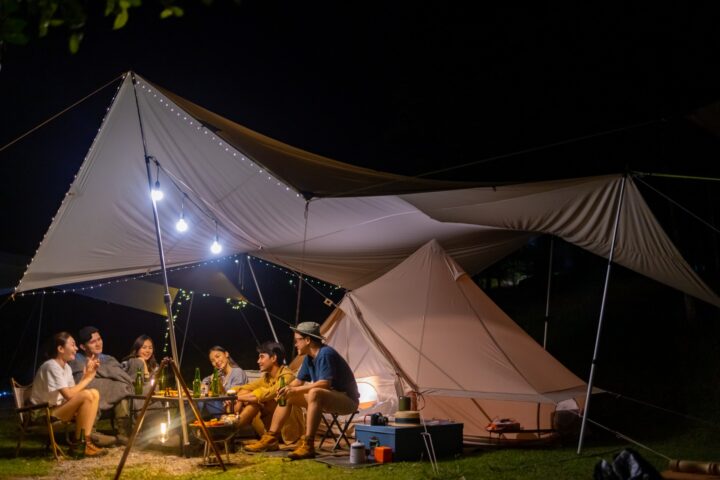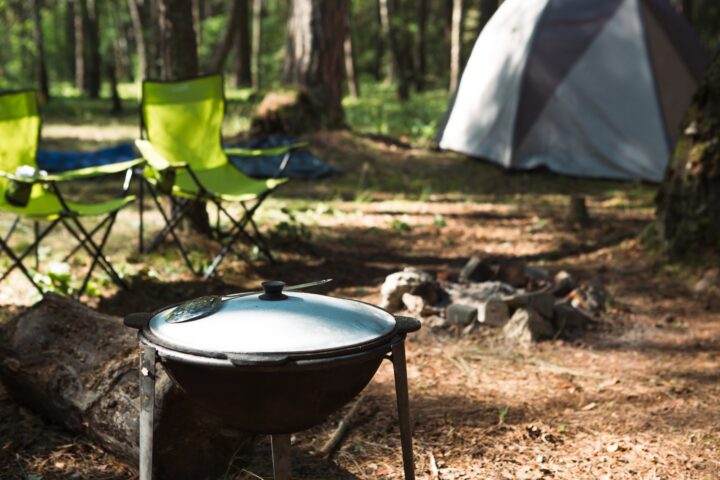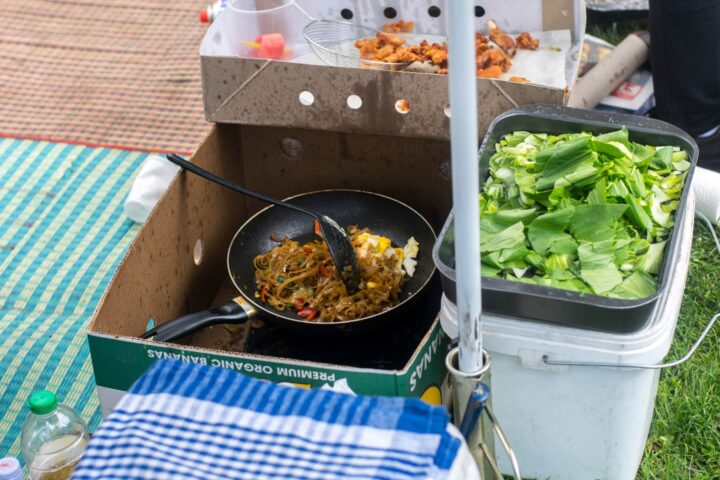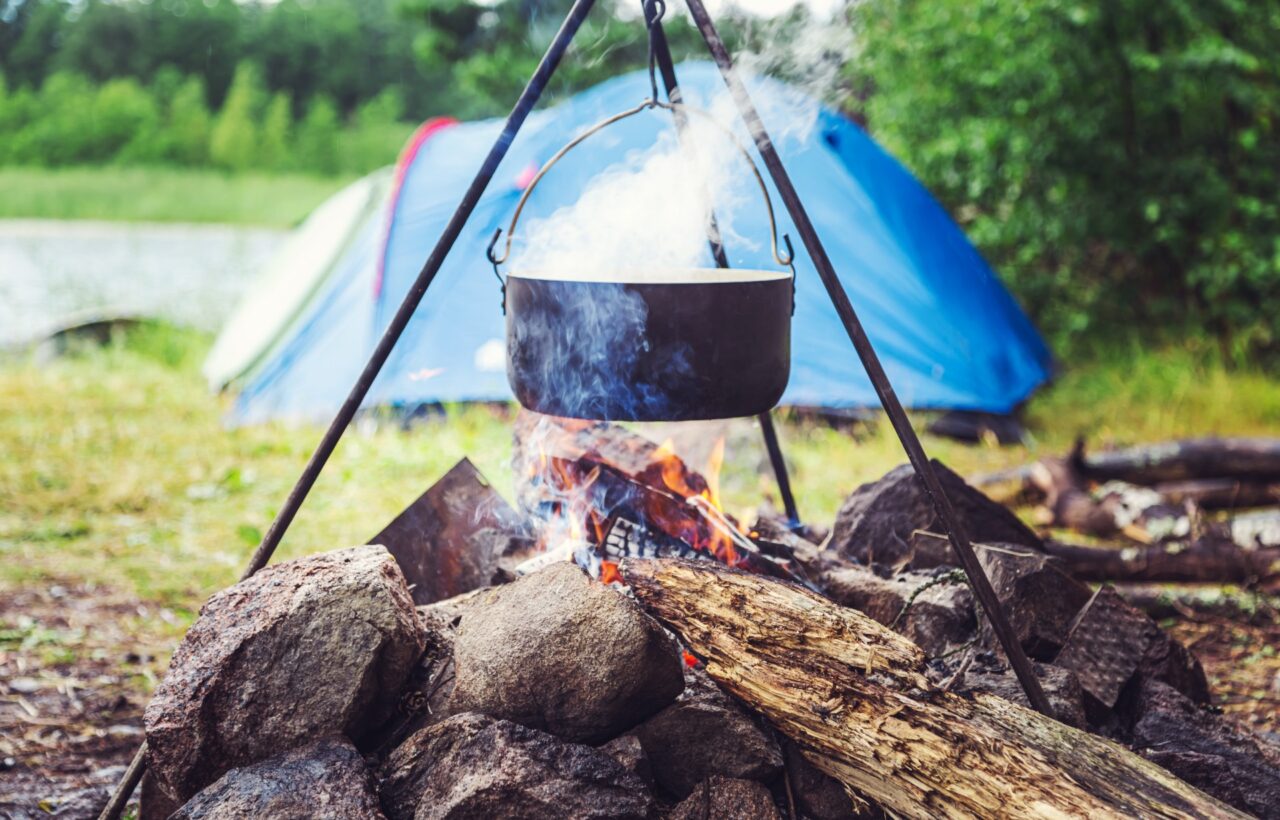
One pot, one foil packet, or no heat at all: that is what keeps tent camping meals easy. These 18 ideas are built for drive-in tent sites: a two-burner stove or a campfire grate, a cooler, and a picnic table. They skip Dutch-oven baking, full-kitchen recipes, and backpacking freeze-dried pouches.
Most of the work happens at home. Chop vegetables, cook sausage or taco meat, and freeze breakfast burritos before you leave. At camp you reheat, assemble, or set a packet on coals. That split matters more than the recipe. Arrival night is often late, fire bans are common in dry weather, and washing dishes in a bin of cold water gets old by the second dinner.
Each meal notes the gear it needs, what to prep ahead, and whether it still works if open fires are banned.
Not sure how much food and fuel to bring? Plan meals and fuel for your trip with the checklist generator: it counts the meals and stove canisters from your nights and group size.
What actually makes a tent meal easy
A meal is easy at a tent site only if it clears four checks.
- One cooking vessel. A pot, a skillet, or a foil packet. Not all three.
- Short active time. Under 15 minutes of hands-on work once the stove or coals are ready.
- Known heat. A camp stove dial is more reliable than flames. Cook foil packets on a bed of coals or on the stove grate, not in the fire itself.
- A fire-ban backup. Propane and butane stoves are often still allowed when open fires are not. Confirm the rule for your campground before you plan a coals-only menu.
Pre-cooked meat is the single biggest shortcut. Ground beef for tacos, breakfast sausage, and bacon can be cooked at home, cooled, and packed frozen. At camp you are reheating, not managing raw meat in a cooler full of meltwater.
Six meals that need no stove
These cover late arrivals, rainy mornings, and fire restrictions. Shelf-stable items stay out of the cooler until opened. Once opened, tuna pouches, deli meat, hummus, and yogurt follow the same cold rule as any other perishable food.
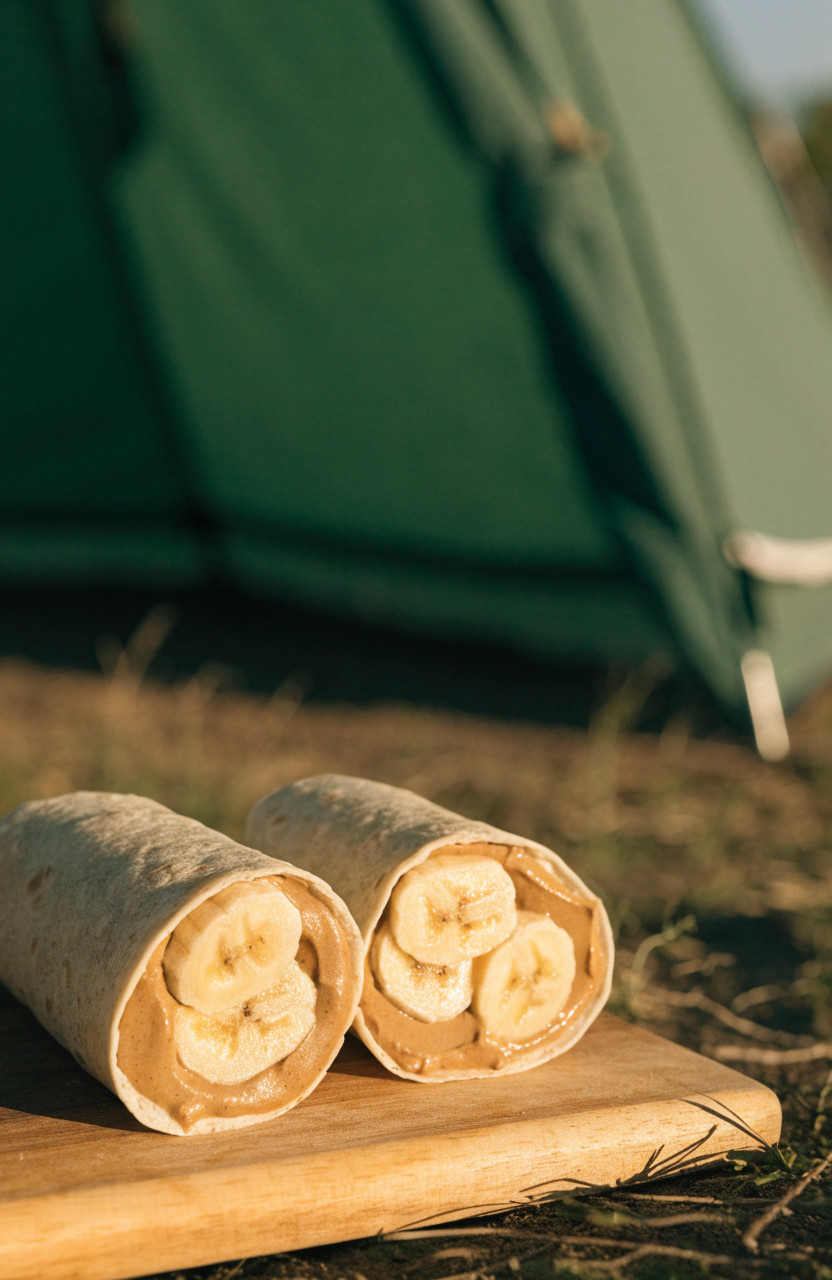
1. Peanut butter and banana wraps
Spread peanut butter on a flour tortilla, add a banana and a drizzle of honey, and roll. Tortillas pack flatter than bread and do not crush in a stuff sack. No cooler is required if the peanut butter is a standard jar, not a refrigerated variety.
2. Overnight oats
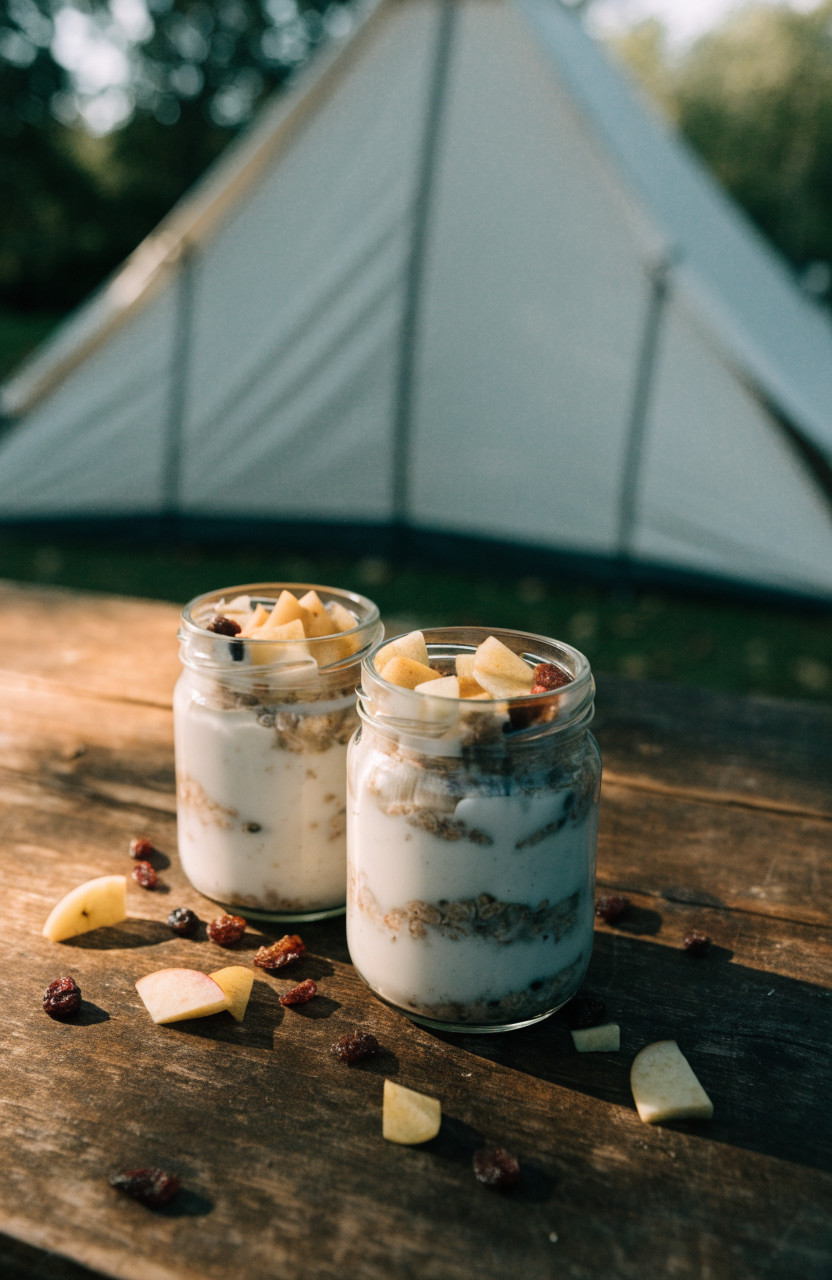
At home or the night before, combine rolled oats, milk or a shelf-stable carton, and a spoon of nut butter in a jar. In the morning, add dried fruit or a chopped apple. The jar needs the cooler. Single-serve instant oatmeal packets are the no-cooler version: boil water on the stove, or use cold water if you can accept a softer texture.
3. Turkey and hummus wraps
Flour tortillas, hummus, sliced turkey, spinach, and a hard cheese such as cheddar. Pack condiments in small packets so bread and tortillas stay dry. Deli meat must stay at or below 40°F. The U.S. Department of Agriculture treats the range between 40°F and 140°F as the danger zone, where bacteria multiply quickly. Perishable food should not sit in that range for more than 2 hours, or 1 hour if the air is above 90°F.
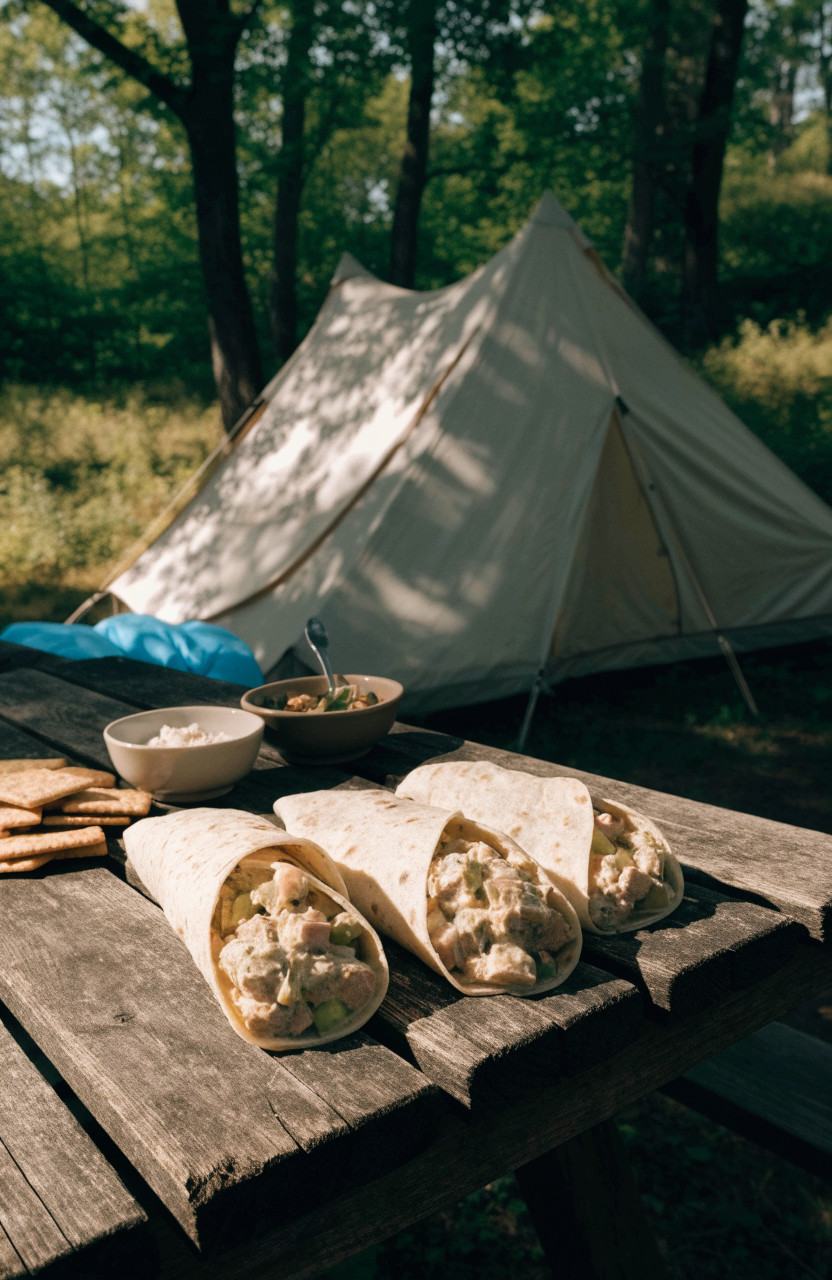
4. Tuna or chicken pouch wraps
Foil pouches of tuna, salmon, or chicken need no cooler until opened. Stir in a mayonnaise packet and relish, then roll in a tortilla or pile onto crackers. This is the most useful lunch when ice is running low on day three.
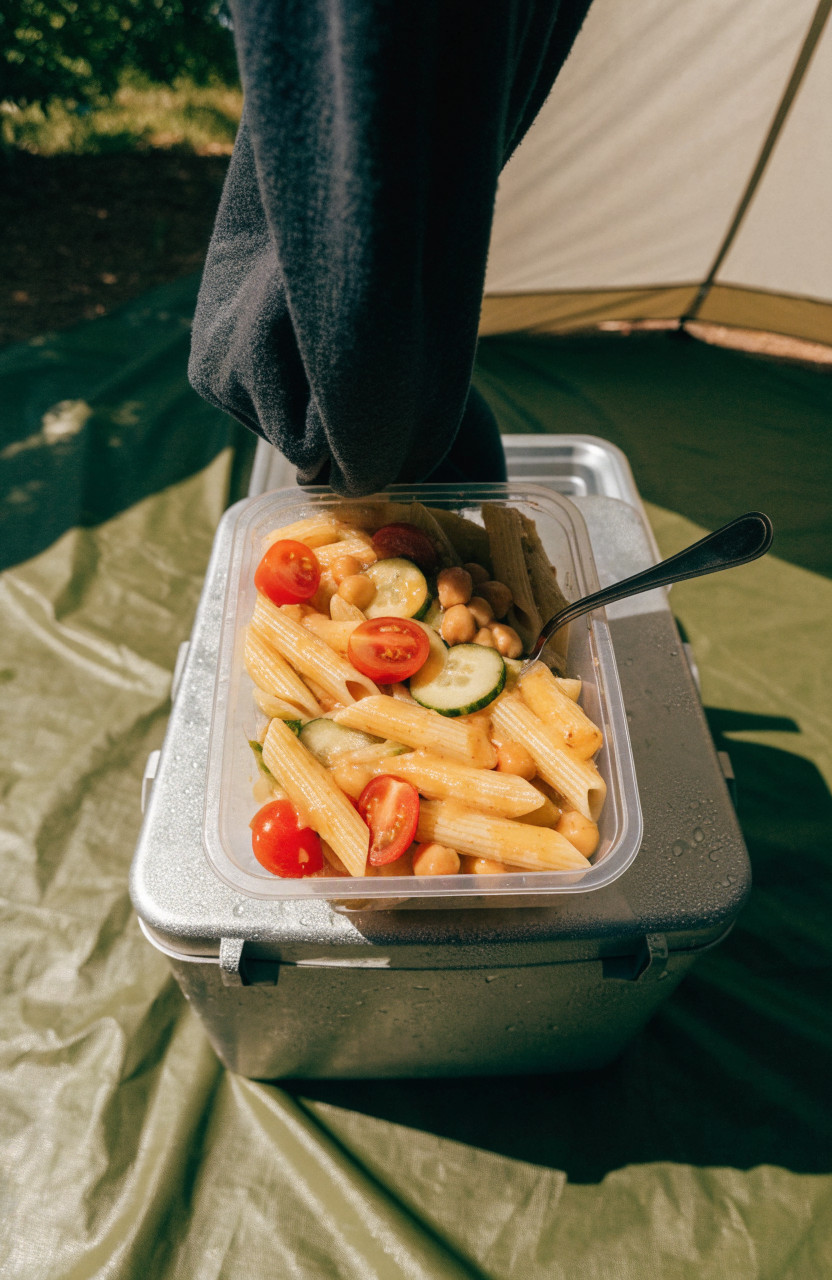
5. Make-ahead pasta salad
Cook the pasta at home, cool it, and toss with cherry tomatoes, cucumber, canned chickpeas, and a vinaigrette rather than mayonnaise. Vinaigrette salads hold up better if the cooler warms slightly. Keep the container sealed and buried in ice, not sitting on top.
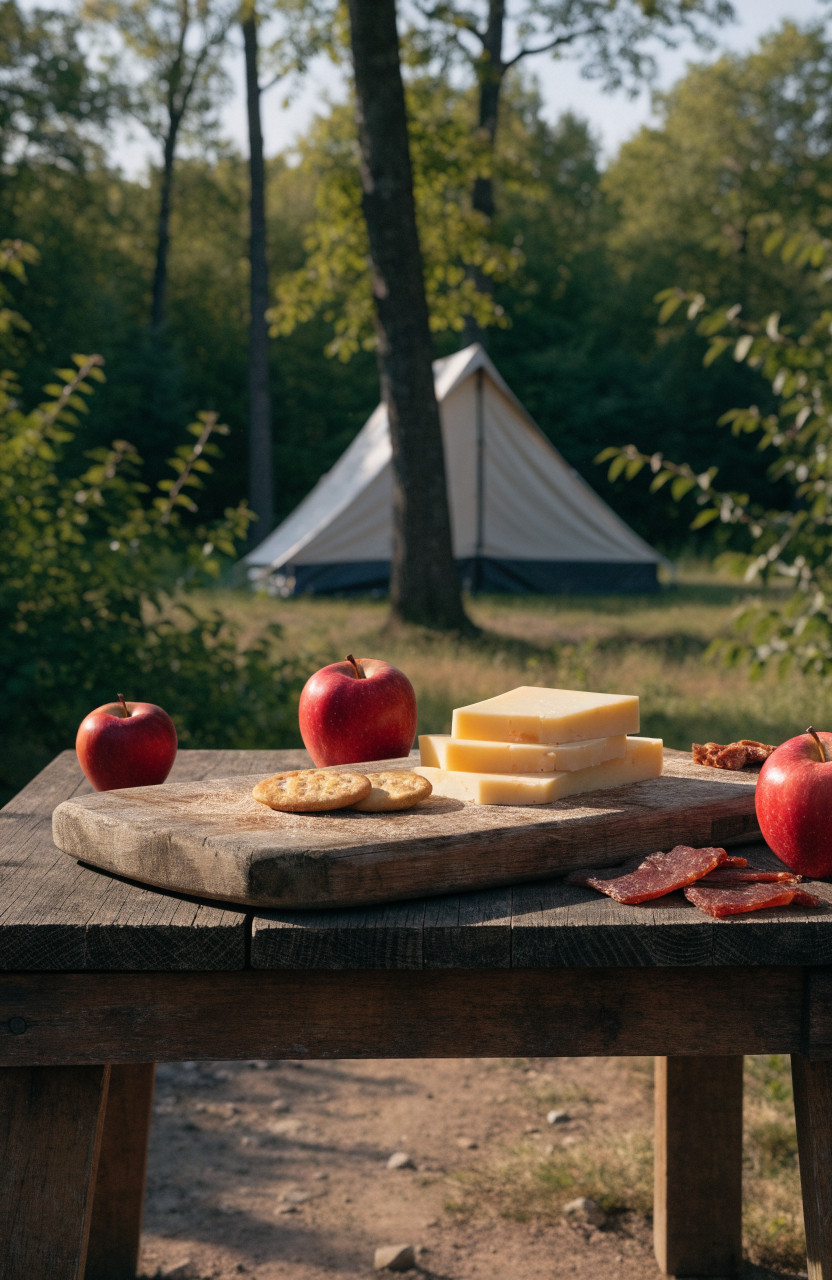
6. Cheese, crackers, fruit, and jerky
A cutting board, a block of hard cheese, crackers, apples, and shelf-stable jerky is a full lunch when nobody wants to cook. Soft cheeses and anything labeled “keep refrigerated” still belong in the cooler. Unopened hard cheese and whole fruit do not.
Six one-pot or one-skillet meals
A two-burner camp stove is the default tool for tent camping. It lights in minutes, works in wind better than a new fire, and is usually legal during fire bans. One pot means one thing to wash.
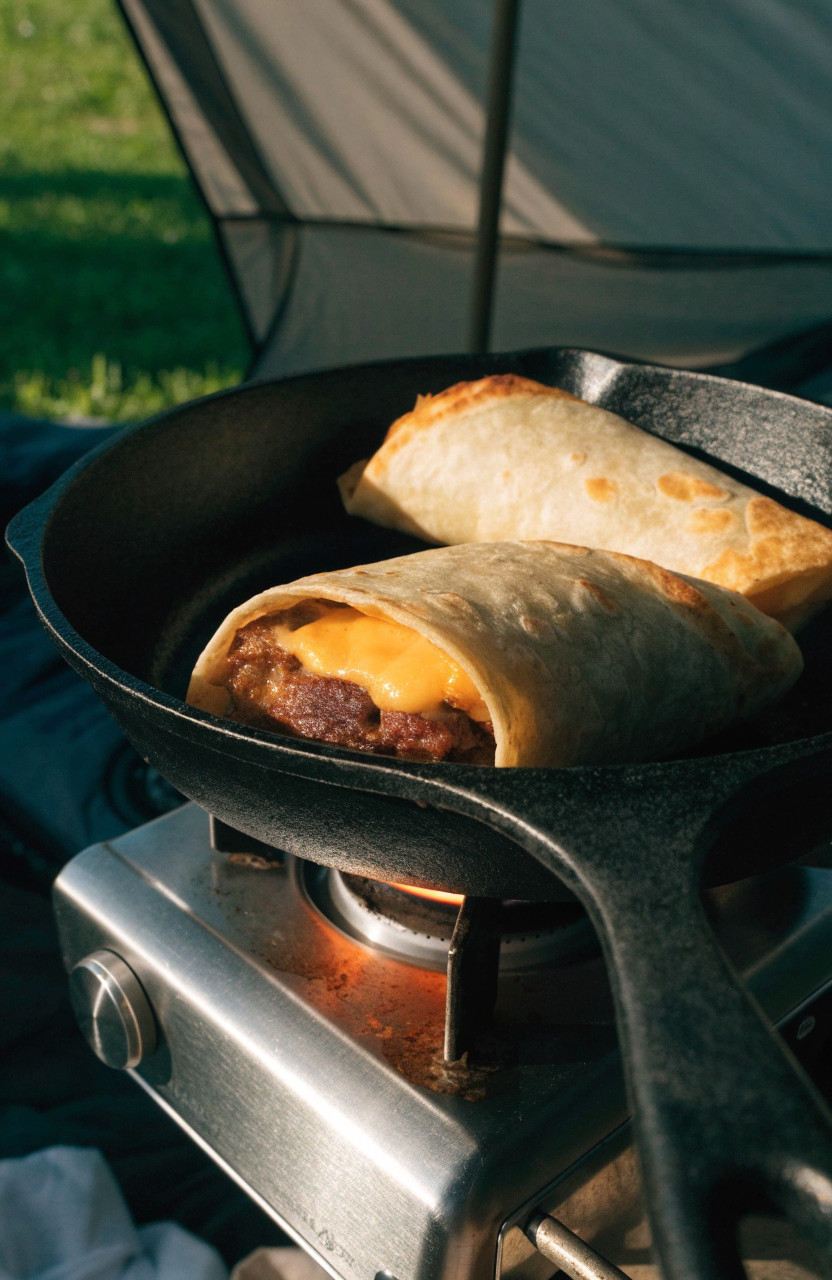
7. Make-ahead breakfast burritos
Scramble eggs with cooked sausage and cheese at home, roll them in tortillas, wrap in foil, and freeze flat. Pack them frozen so they help chill the cooler. Reheat in a dry skillet over medium heat, turning often, or set the foil packets on the stove grate. Fully frozen burritos take longer than people expect. Thaw overnight in the cooler if you want breakfast in under 10 minutes.
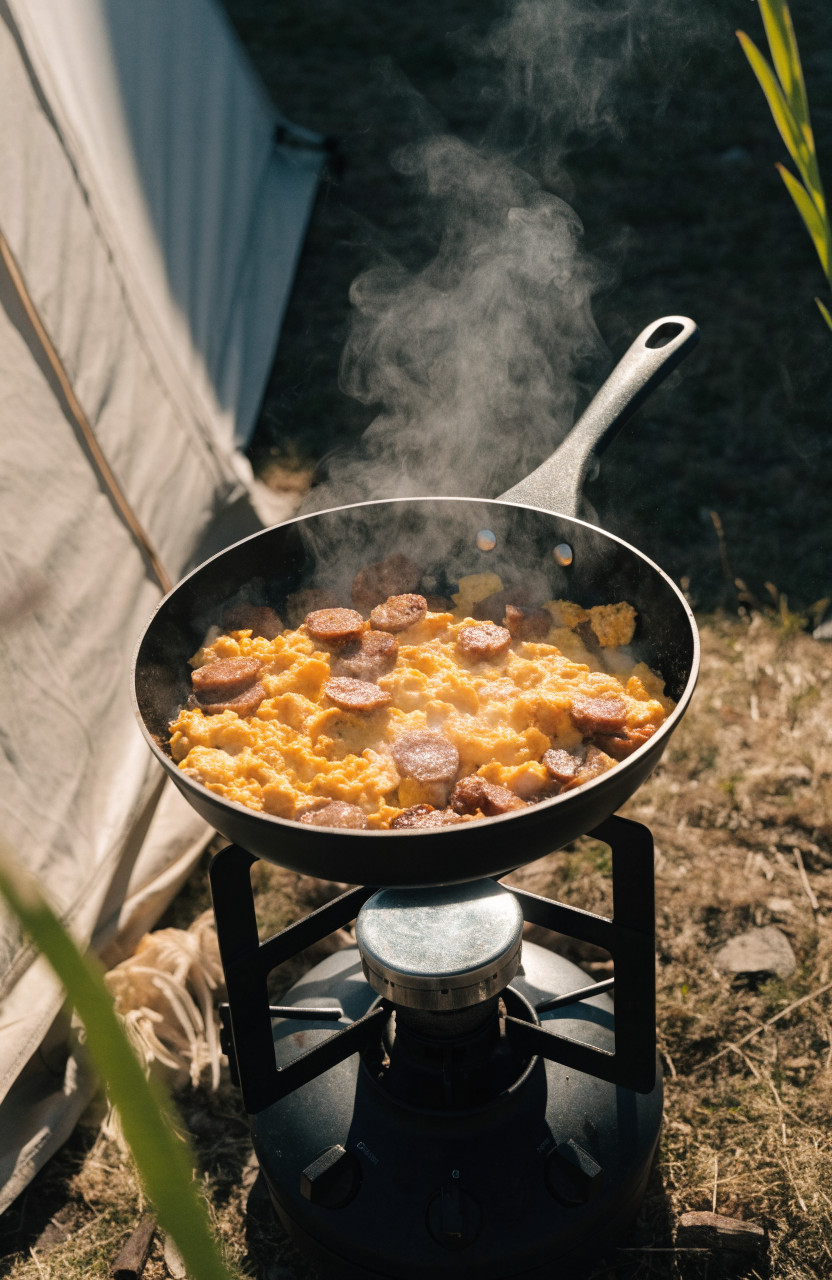
8. Skillet eggs and pre-cooked sausage
Use fully cooked sausage coins so you are only heating them, not cooking raw pork from scratch. Scramble eggs in the same pan. Pasteurized liquid eggs crack nothing and store well in a sealed bottle in the cooler. If you bring shell eggs, keep them cold and discard cracked ones.
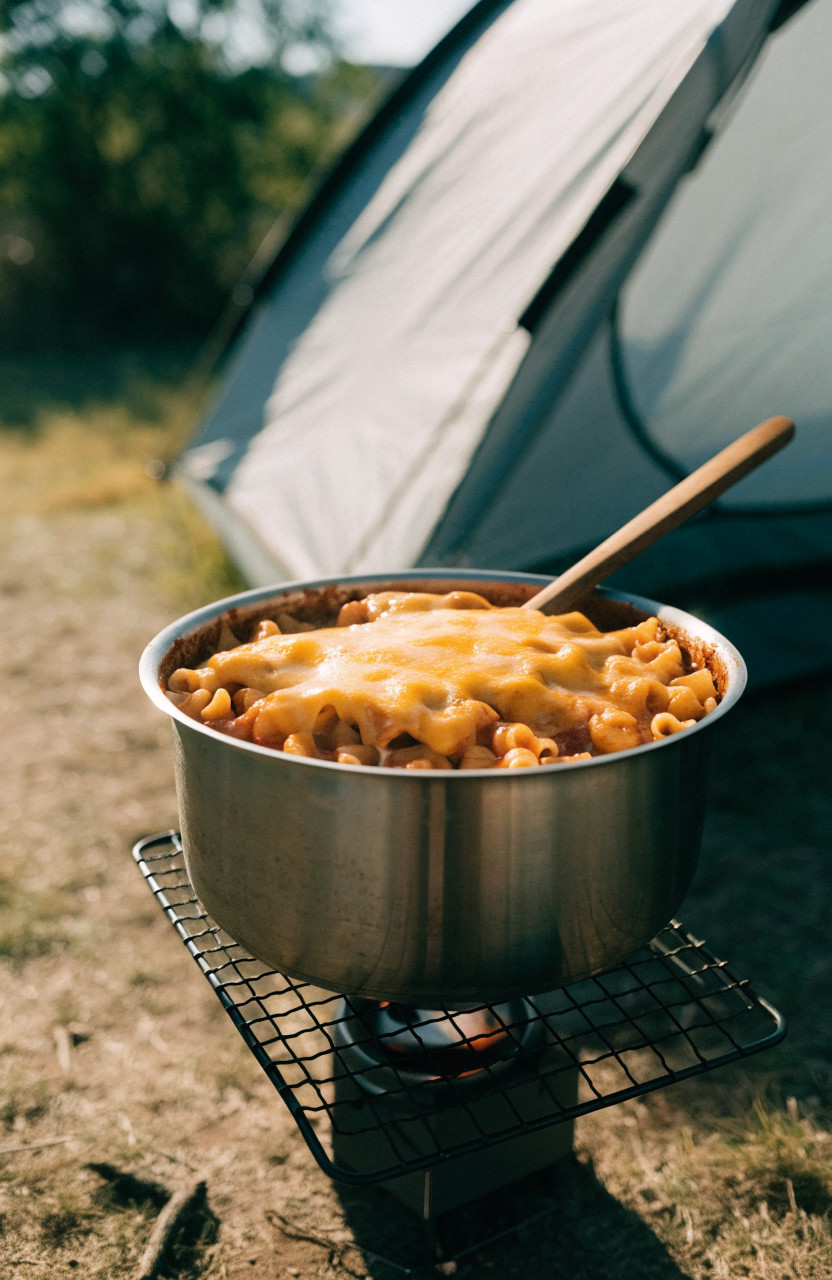
9. Chili mac
Brown no meat at camp if you cooked the beef at home. Heat canned chili with cooked elbow macaroni, or boil the pasta in the pot, drain most of the water, and stir in the chili and a handful of shredded cheese. One pot, about 15 minutes, and it feeds four from canned goods plus one freezer bag of meat.
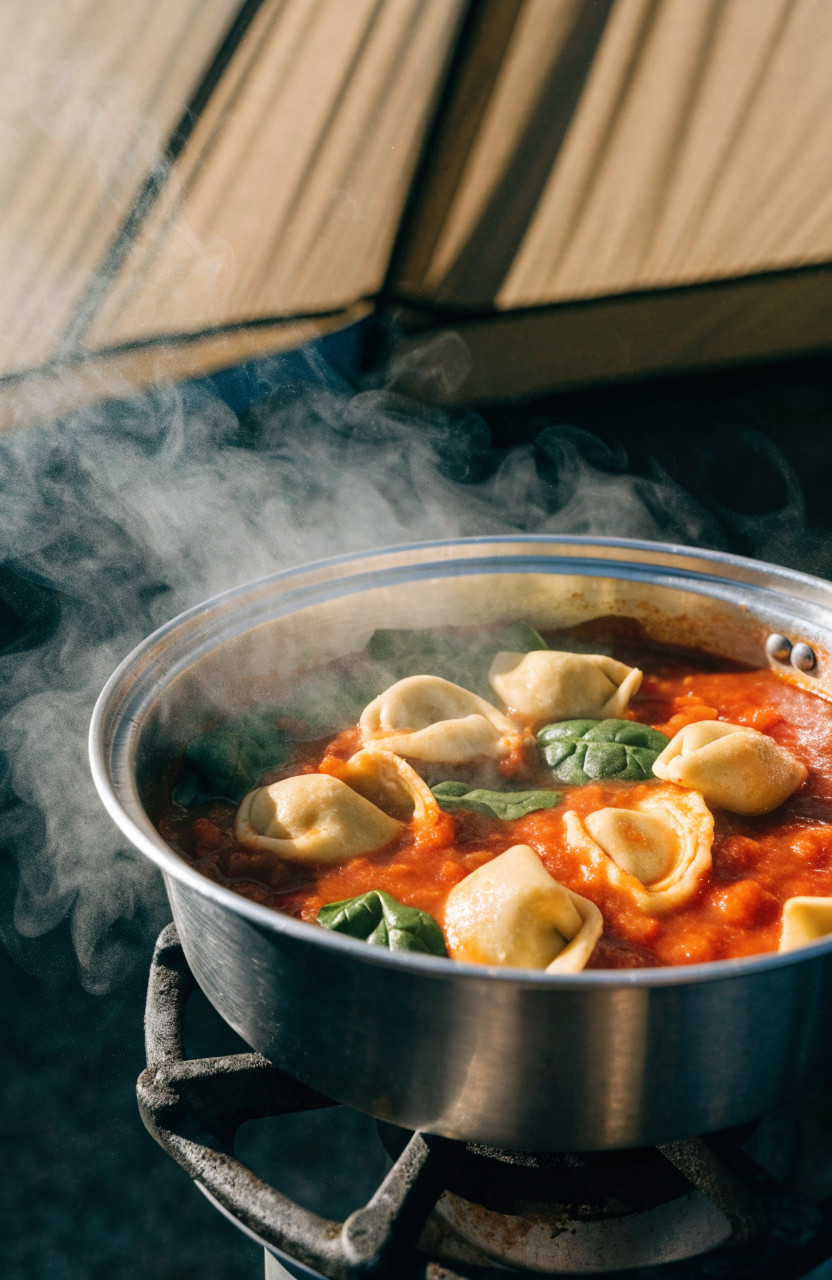
10. Tortellini in jarred sauce
Fresh or dried cheese tortellini, a jar of marinara, and a handful of spinach. Boil the pasta, reserve a splash of water, and stir in the sauce. No chopping. Add pre-cooked Italian sausage coins if you want more protein.
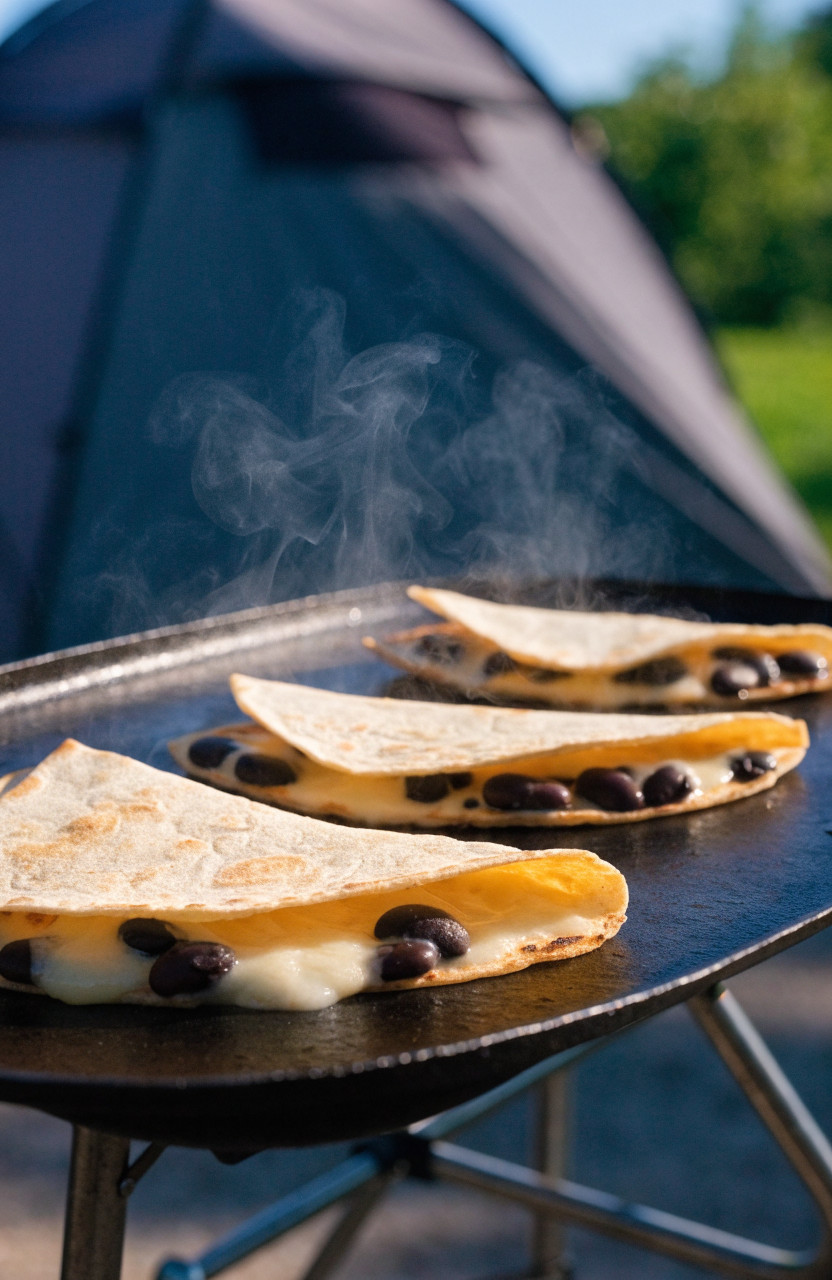
11. Skillet quesadillas
A camp griddle or frying pan, tortillas, shredded cheese, and canned black beans or leftover chili. Cook over medium heat so the cheese melts before the tortilla scorches. Salsa and a bagged salad turn it into dinner. This is the best use of leftovers on night two.
12. Ramen upgraded in the pot
Boil water, add the noodles, and stir in a beaten egg and a handful of frozen mixed vegetables in the last minute. Shelf-stable ramen needs no cooler. The egg does. A pouch of chicken makes it a meal rather than a snack.
Six foil-packet and campfire meals
Foil packets fail for one reason: thin foil on open flames. Use heavy-duty foil, oil the inside, and double-wrap if the packet will sit on coals. Potatoes and raw chicken need longer than sausage and peppers, so cut dense vegetables into pieces about half an inch thick. On a stove, use medium heat and turn the packet once. On coals, set packets beside the heat, not in the flame.
USDA minimum internal temperatures still apply at a picnic table. Ground beef and ground pork should reach 160°F. All poultry should reach 165°F. Fish should reach 145°F. Steaks, chops, and roasts from beef, pork, or lamb should reach 145°F and rest for 3 minutes. A pocket thermometer is the only reliable check inside a sealed packet.
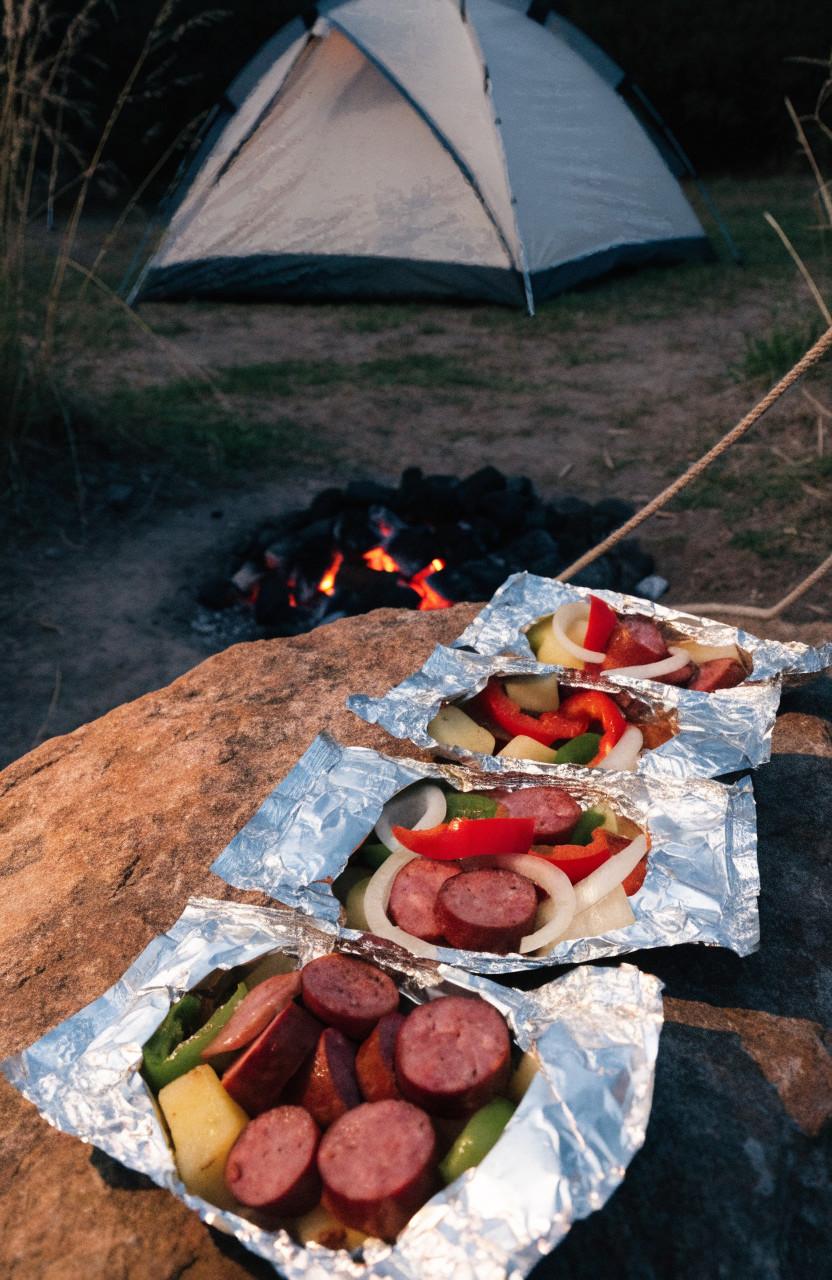
13. Sausage and vegetable packets
Smoked sausage coins, bell peppers, onion, and diced potato, tossed with oil, salt, and paprika. Fully cooked sausage is the forgiving protein here. Plan on roughly 20 to 30 minutes, until the potato is soft.
14. Chicken fajita packets
Strips of chicken breast, peppers, and onion with a store-bought fajita packet and a little oil. Chicken must hit 165°F in the center of the thickest piece. Serve in tortillas. Slice the chicken thin so it finishes with the vegetables instead of leaving them burnt.
15. Hamburger foil packets
A thin ground-beef patty, diced potato, carrot, and onion, with a small piece of butter. Ground beef is done at 160°F, not when the outside looks browned. Shape patties no thicker than half an inch so the center cooks before the vegetables dry out.
16. Loaded potatoes
Scrub russet potatoes, rub with oil, and wrap in foil. Bake on coals or on a grate over medium stove heat until a knife slides in, often 45 to 60 minutes depending on size. Split and top with canned chili, cheese, and salsa. Start these before you do anything else.
17. Hot dogs on a stick or in a skillet
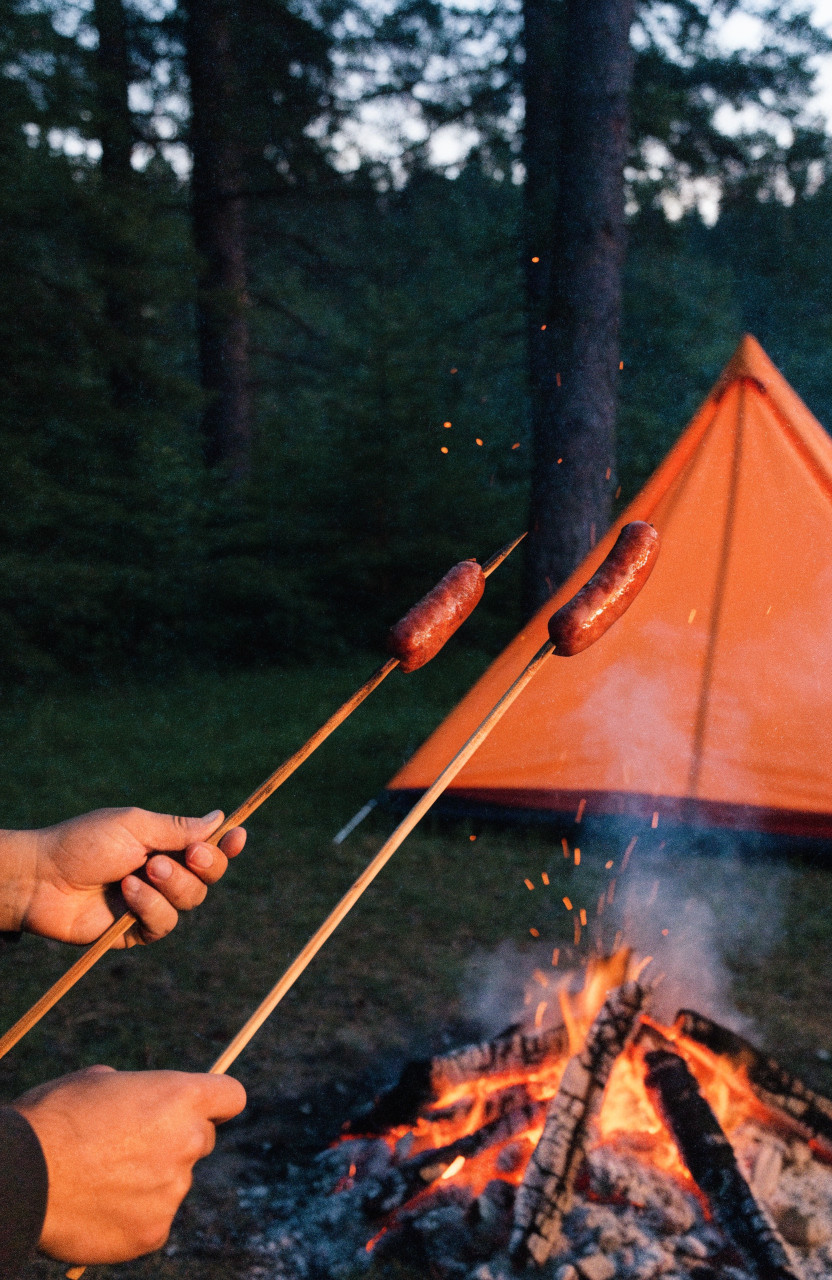
A pack of hot dogs and buns is the lowest-skill hot dinner on this list. Roast over coals on a stick, or brown them in a skillet if fires are banned. No plates required. Pack mustard in packets.
18. Walking tacos
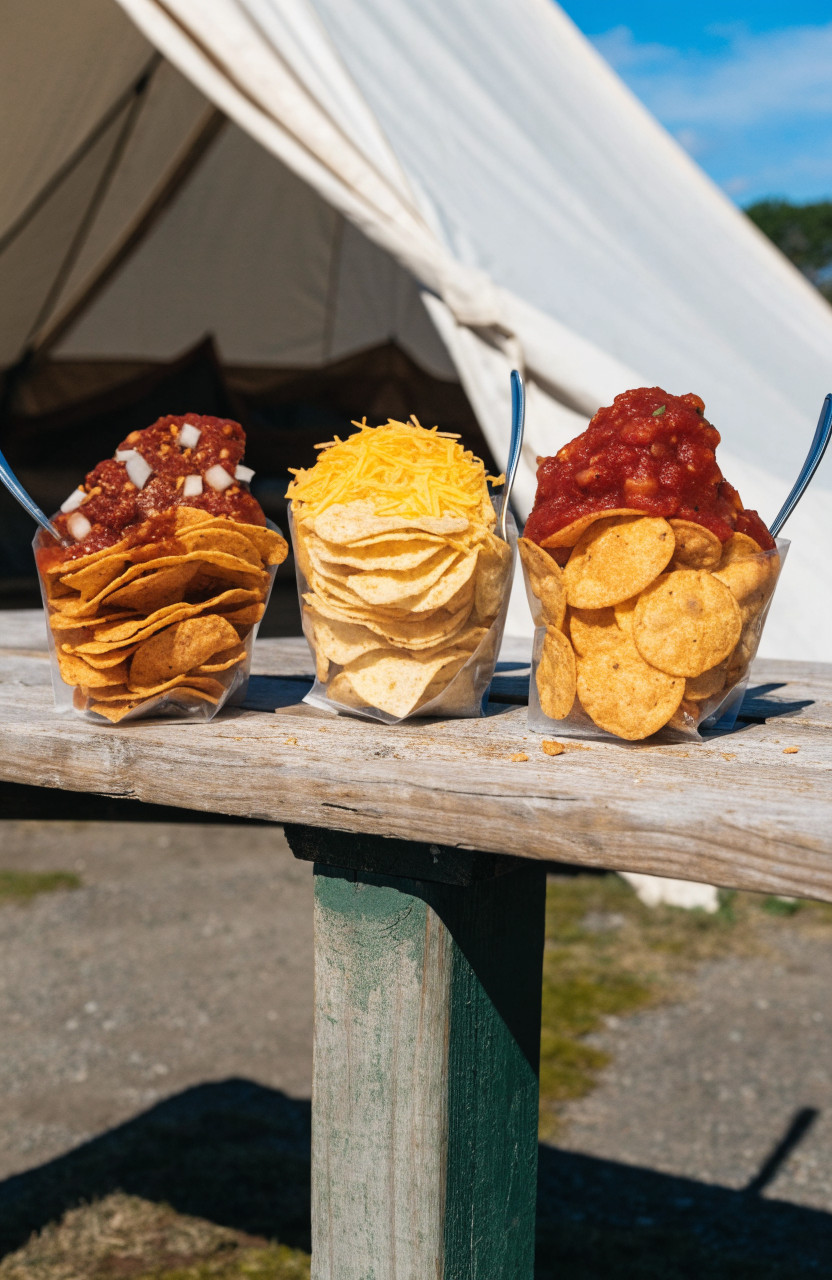
Warm a can of chili on the stove. Open individual bags of corn chips and let each person add chili, cheese, and salsa, then eat from the bag. Cleanup is the empty bag. Canned chili with meat should be reheated until steaming hot, not served cold from the can if the label says to heat it.
Cook packets over a low bed of coals rather than open flames, which scorch the outside and leave the inside raw. Individual packets also cook more evenly than one giant packet for the group, and they let people skip onions or spice.
How to pack the cooler so the meals stay safe
The menu fails if the cooler fails. A few habits matter more than the brand.
- Pre-chill the cooler with ice, dump the melt, then load cold food and fresh ice. A warm cooler spends its first hours melting the ice you just bought.
- Freeze what you will not eat on night one. Frozen burritos, frozen chili, and frozen water bottles chill the cooler and become usable later.
- Use two coolers when you can: one for food, one for drinks. The drink cooler gets opened all day. The food cooler should not.
- Keep raw meat in a sealed bag, separate from ready-to-eat food. Watertight containers keep food out of meltwater.
- Keep the cooler in shade. A sunny picnic table undoes good ice.
Perishable food that has been above 40°F for more than 2 hours (1 hour above 90°F) should be thrown out, even if it still looks fine.
Mayonnaise in a loose jar can leak and coat the ice and everything under it, so use packets or seal the jar in a zip bag. Frozen food reheats slowly as well; thaw it in the cooler the night before.
A simple two-night menu using this list
| When | Meal | Heat source |
|---|---|---|
| Friday arrival | Turkey and hummus wraps, fruit | None |
| Saturday breakfast | Skillet eggs and pre-cooked sausage | Stove |
| Saturday lunch | Tuna pouch wraps | None |
| Saturday dinner | Sausage and vegetable packets | Coals or stove |
| Sunday breakfast | Reheated breakfast burritos | Stove |
| Sunday lunch | Cheese, crackers, apples, jerky | None |
Swap Saturday dinner for chili mac if fires are banned and you would rather use one pot. The shopping list stays short: tortillas, eggs, sausage, tuna pouches, hummus, deli turkey, cheese, potatoes, peppers, onion, canned chili, and oatmeal packets for anyone who wants a second breakfast.
Frequently asked questions
Do these meals work for backpacking?
No. They assume a car, a cooler, and a camp stove. Backpacking meals need to be lightweight, mostly dehydrated, and cooked with boiled water.
Can foil packets go on a camp stove?
Yes. Medium heat on a grate is often more even than coals. Turn the packet once and check the potato or the thickest piece of meat before you call it done.
What should I cook if I only have a kettle?
Instant oatmeal, couscous (equal parts boiling water and dry couscous, covered for 5 minutes), and ramen. Add a tuna or chicken pouch after the water is absorbed. That covers breakfast and dinner without a frying pan.
How many burners do I need?
One burner is enough for every meal on this list. A second burner only helps if you want coffee and food at the same time.