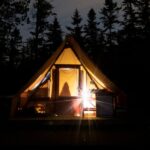
A tent-site dinner has to survive three constraints that a home kitchen never has: a small cooler, limited wash water, and a stove or fire that may not behave. These 18 tent camping dinner ideas are built around those limits. Each one uses one pot, a skillet, foil, or no heat at all, and most of the chopping can happen at home.
The list is grouped by how you will actually cook, so you can match the meal to the gear you packed and the rules at the site.
Choose the dinner by the site, not the recipe photo
Before you pick a meal, answer four questions.
- Is there a fire ring, and are fires allowed? Many public lands ban fires in dry weather. A camp stove still works.
- How much cooler space is left after breakfast and drinks? Perishable meat and dairy lose the argument once the ice is melting.
- How many people, and how much wash water? One pot or foil packets beat a three-pan dinner when you have to haul water.
- Are you in bear country? Cook and store food away from the tent, and pack out scraps. National Park Service guidance is to keep food, trash, and scented items out of the tent and secured in a bear box, locker, or proper hang.
Shelf-stable bases — tortillas, pasta, rice packets, canned beans, tuna or chicken pouches, cured sausage — stretch a small cooler further than raw chicken for every night.
Foil-packet dinners that skip the dishes
Use heavy-duty foil, and double-wrap if the packet will sit on coals. Seal the edges with a double fold, leave a little steam space, and cook on a grate or on coals pushed to the side, not in open flame. Turn once. Open away from your face. Pack the foil out; do not leave it in the fire ring.
1. Sausage, potato, and pepper packets
Slice pre-cooked smoked sausage, thin potatoes, and peppers at home. Toss with oil, salt, and a pinch of paprika, then seal. Pre-cooked sausage is more forgiving than raw ground meat if the fire is uneven. Potatoes need the longest time, so cut them thinner than the sausage.
2. Chicken fajita packets
Use chicken already cut into strips, bell peppers, onion, and a dry fajita mix. Cook until the chicken reaches 165°F in the center. The USDA treats all poultry, ground or not, as safe only at that temperature. Serve in tortillas so you do not need plates.
3. Burger and vegetable hobo packets
Shape thin patties from ground beef, then add diced potato, carrot, and onion. Ground beef is safe at 160°F internal, not when the outside merely looks brown. A pocket thermometer is the only reliable check on coals. Skip this one if you will not carry a thermometer.
4. Shrimp boil packets
Combine peeled shrimp, corn rounds, sliced pre-cooked sausage, and a small potato or two with Old Bay and a pat of butter. Shrimp overcooks fast, so keep pieces similar in size and pull the packet when the shrimp are opaque. This is a first-night meal: shrimp should not ride in a marginal cooler for days.
5. Bean and sweet potato packets
For a no-meat option, use canned drained beans, cubed sweet potato, onion, oil, chili powder, and a squeeze of lime added after cooking. Sweet potato needs more time than the beans, so cut it small. This still works on a camp-stove grate if fires are banned.
One-pot and skillet dinners for a camp stove
A two-burner stove is the most reliable tent-camping kitchen. These meals use one vessel, so cleanup is a scrape, a short boil of water in the pot, and a wipe.
6. Chili mac
Brown ground beef or crumble in pre-cooked sausage, then add a can of chili, elbow macaroni, and just enough broth or water to cover the pasta. Simmer until the pasta is tender and stir in cheese if the cooler allows it. It reheats well the next night if you chill it fast. The USDA says leftovers should not sit in the 40–140°F “Danger Zone” more than 2 hours, or 1 hour if the air is above 90°F, and should be reheated to 165°F.
7. Sausage, pepper, and onion skillet
Slice pre-cooked sausage and cook it with peppers and onions in one pan. Pile it into tortillas or over instant rice. Pre-cooked sausage is the tent-camping shortcut: it is already safe when heated through, and it keeps better than raw poultry.
8. One-pot tortellini or gnocchi
Boil shelf-stable tortellini or gnocchi in one pot, drain most of the water, and stir in a jar of sauce plus a pouch of chicken or a handful of spinach that wilts in the residual heat. Almost no knife work. Sauce jars are heavy, so choose one meal that uses the whole jar.
9. Coconut chickpea skillet
Sauté onion and garlic, add a can of chickpeas, a can of tomatoes, curry powder, and a small can of coconut milk. Simmer 10 minutes and serve over instant rice or with flatbread. Fully shelf-stable if you skip fresh cilantro. Good for night three, when the cooler is mostly water.
10. Tuna or salmon pasta
Cook a pasta side or plain noodles, then stir in a tuna or salmon pouch, olive oil, lemon, and chili flakes. Pouches do not need refrigeration until opened, which is why they beat a raw fillet on a short trip.
11. Camp quesadillas
Heat a dry skillet, add a tortilla, a thin layer of shredded cheese, canned black beans or shredded leftover meat, and another tortilla. Flip once. They use almost no water to clean if you wipe the pan while it is warm. Cheese is the perishable item, so eat these early in the trip.
Fire-grate and stick dinners
These assume a legal fire and a grate or stable coals. If the site is under a fire ban, move the same ingredients to the stove.
12. Brat and vegetable skewers
Thread pre-cooked brats, onion, and peppers on metal skewers. Wooden skewers burn unless soaked, and soaking is a hassle at camp. Serve in buns. Brats are done when hot throughout, not when the outside is merely charred.
13. Steak and foil potatoes
Use a thinner steak so it finishes before the outside dries out. USDA guidance for beef steaks is 145°F plus a 3-minute rest. Start potatoes earlier, wrapped and on the coals, because they take longer than the meat. Salt the steak just before it hits the grate.
14. Loaded baked potatoes
Wrap whole potatoes in a double layer of foil and cook in coals until soft, often around an hour depending on size and heat. Split and top with canned chili, cheese, and scallions. The potato is the plate. This is one of the better late arrivals: you can start the potatoes, then set up the tent while they cook.
No-cook and kettle-only dinners
Use these for fire bans, an empty fuel canister, or the night you reach camp after dark.
15. Walking tacos
Open individual bags of corn chips, add warm or room-temperature canned chili, cheese, and salsa, and eat from the bag. If the chili is cold and the day is hot, this is a shelf-stable meal, not a reheated one. Heating canned food in the unopened can is a bad idea: linings can transfer into the food, and a sealed can in the fire can burst.
16. Tortilla wraps from pouches
Mix a chicken or tuna pouch with mustard or mayo packets and any crunchy vegetable that survived the drive. Roll in a tortilla. Mayo packets are easier to keep cold than a jar.
17. Peanut noodles
Pour boiling water over instant noodles, drain, and toss with peanut butter, soy sauce, and chili flakes. Shredded carrot and cabbage keep without a cooler for a day or two if they stay dry and shaded. No animal protein required.
18. Couscous or rice-packet bowls
Couscous only needs boiling water and a five-minute sit. Stir in a bean pouch, olive oil, dried fruit, and nuts. Instant rice works the same way if you accept a longer wait. This is the emergency dinner that weighs almost nothing.
What to do at home so camp is only heating and assembling
The meals above get easier if the cooler is organized before you leave.
- Cut onions, peppers, and potatoes at home and pack them in labeled bags. Potatoes should be kept dry so they do not turn gray in a wet bag.
- Freeze stews or chili flat in bags. They act as ice on day one and become dinner when they thaw.
- Pre-mix dry spices in small containers. A crowded camp table is a bad place to measure chili powder.
- Pack a small thermometer, a lighter, heavy-duty foil, one deep pot, a spatula, and a trash bag for food scraps.
- Put raw meat in a leak-proof bag at the bottom of the cooler so drips cannot reach ready-to-eat food.
Food safety and wildlife rules that should change the menu
Most bacteria that cause foodborne illness grow fastest between 40°F and 140°F. On a cool day, perishable food should not sit out more than 2 hours. Above 90°F, that window drops to 1 hour. A cooler only counts as cold if it stays at or below 40°F. Block ice under a full cooler, kept in the shade and opened rarely, holds longer than a half-melted bag of ice in the sun.
Safe internal temperatures, measured in the thickest part, are 165°F for poultry, 160°F for ground beef, pork, or lamb, and 145°F plus a 3-minute rest for steaks, chops, and roasts. Color is not a safety test.
Do not store food, trash, or scented toiletries in the tent. In bear country, use the site’s food locker if one is provided. Cook and eat away from where you sleep, and hang or lock food according to local rules. Raccoons and rodents will open an ordinary cooler that is not secured.
For dishes, scrape scraps into a bag you will pack out. Wash at least 200 feet from lakes and streams when no campground sink is provided, strain food bits out of the gray water, and scatter the strained water rather than dumping it in one spot. One-pot meals exist mainly so you are not managing three pans of dirty water.
Dinner fixes that save ice and fuel
Wasted ice, wasted fuel and unsafe leftovers each trace back to a planning habit that is easy to change.
| Symptom | Cause | Fix |
|---|---|---|
| Raw chicken unsafe by night three | Perishable meat planned for late in the trip as the cooler warms | Cook chicken first, and switch later nights to pouches, cured sausage and cans. |
| Foil packets half raw, half overdone | Thick potato chunks and thin shrimp cooking at very different rates | Match ingredient cooking times or par-cook the slow ingredient at home. |
| Hungry before the fire is ready | Coals take longer to be ready than most campers expect | Keep a stove meal as the backup; it is not a downgrade. |
| Leftover chili going off in the pot | Food left out for later on a warm evening | Chill leftovers promptly, or cook only what you will eat. |
| Dishwater mess at the drinking spigot | Washing dishes where other campers fill their drinking water | Use the campground wash station or the 200-foot scatter method instead. |
Frequently asked questions
What dinner works if the campsite bans fires?
Any stove meal on this list: chili mac, sausage skillet, coconut chickpeas, pouch pasta, quesadillas, or a kettle dinner such as couscous or peanut noodles. Foil packets can also sit on a camp-stove grate.
Can these ideas work without a cooler?
Yes, if you stick to cured sausage that the package says is shelf-stable, canned beans and chili, tuna or chicken pouches, tortillas, pasta, rice, peanut butter, and dried fruit. Skip raw meat, soft cheese, and mayo jars.
How many burners do you actually need?
One burner covers every one-pot and kettle idea here. A second burner only matters if you want rice finished at the same time as a skillet. Foil packets and skewers do not need a stove at all when fires are allowed.
Are foil packets safe for kids?
Yes, if an adult opens them. Steam inside a sealed packet can burn. Cut food small, cook ground meat and poultry to the temperatures above, and let the packet rest a minute before anyone eats from it.