Solo car camping comes down to sleeping well and staying safe. Get those two right and the rest is detail.
You drive to a spot, fold the seats, and sleep in or beside your vehicle, with no backpacking miles and no custom build. The article covers a simple no-build sleep setup, a short gear list, safety habits such as sharing an itinerary and scouting sites in daylight, route planning, staying comfortable through the night, food and daily logistics for one person, and a pre-trip checklist to run before every departure.
A Simple No-Build Setup for Solo Car Camping
A rooftop tent or custom platform is not necessary. Fold the rear seats flat and build a sleeping surface from gear you already have.
Two or three plastic bins go behind the driver’s seat. One holds clothes. One holds kitchen gear. A third, if there is room, holds extra layers and a small first-aid kit. On the passenger side, stack pillows and a folded yoga mat to level the floor. Then lay down an inflatable pad such as the Nemo Tensor. A regular pillow from home goes at the head end. A sleeping bag and a Rumpl-style packable blanket finish the bed.
With practice, setup takes about twelve minutes after parking, and breaking it down in the morning takes less. Lock the doors, crack two windows with mesh screens, and the car is ready for the night.
A lot of people assume a full vehicle conversion is required. It usually is not. The useful goal is sleeping comfortably tonight and driving tomorrow without a mess, and a no-build setup handles that.
Test the system on a short trip before a long one. Cars hold cold differently than tents, so when temperatures drop into the upper thirties, an extra blanket kept in a bin year-round solves the chill.
Store a tennis ball in clothes bin to check slope before laying Nemo Tensor, saves releveling pillows and yoga mat later.
The Gear Worth Packing
Keep the list short on purpose. Every item has to earn its space.
Sleep system: Nemo Tensor pad, temperature-rated sleeping bag, one real pillow, one packable blanket.
Kitchen: Jetboil with the pot support attachment, a small cooler, one cutting board, a knife, a spoon, and a mug. Freeze a few meals ahead of time so the cooler stays cold longer.
Power and light: External battery pack, headlamp, and two Luci solar lights. The solar lights charge during the day and give soft light at night without draining the car battery.
Clothing and extras: Layers you already own, rain jacket, spare socks, trash bags, wet wipes, and a small multi-tool.
A camp chair is optional. If you bring one, a lightweight folding model fits in the passenger footwell. Much of this gear can be bought used or carried over from a backpacking kit, which keeps first-season costs low.
The packing order matters. Clothes bin closest to the driver’s seat so you can reach it without climbing over everything. Kitchen bin near the tailgate for easy cooking access. Sleeping pad stays inflated or half-inflated so setup is faster.
Load the cooler before anything else. Forgetting it can leave you living on trail mix, tortillas, and peanut butter for the whole trip.
Safety Tips for Camping Comfortably Solo
Safety is not one dramatic thing. It is a handful of ordinary habits.
Always share your itinerary with one trusted person. Destination, campsite name or coordinates, expected check-in time, and a clear “call if you do not hear from me by X.” That step is non-negotiable.
A satellite messenger such as the Garmin inReach Mini adds a safety layer, though it requires a monthly subscription on top of the device price. Use it for daily check-ins when cell service disappears. Two-way texting via satellite beats hoping for a bar of signal.
Choose spots carefully. For the first few trips, stick to developed campgrounds with other people nearby and cell coverage. Add dispersed sites on Forest Service or BLM land later, and only after daylight scouting. Park facing out so you can leave quickly if something feels off. Keys stay within arm’s reach.
Trust your gut. If a quiet pull-off at dusk or another vehicle parked there gives you a bad feeling, drive on to a different site. Leaving costs nothing and usually buys a better night’s sleep.
The locked car is one of the biggest safety advantages of solo car camping. A tent is fabric. A car is steel and glass. Lock the doors. Keep valuables out of sight. Do not post real-time location updates on social media while you are still out there.
Text your check in deadline in local time plus time zone so your contact knows exactly when to call for help.
Finding the Right Spots and Planning Routes
Plan daily drives of two to three hours. Five hours is doable. Eight hours tends to leave you drained and more likely to make poor campsite decisions after dark.
Map options ahead of time. Forest Service first-come sites often run about $10 a night. State park campgrounds land closer to $20–30. Dispersed camping on public land is free but comes with no toilets, no water, and no trash service. Check fire restrictions, road conditions, and weather the morning you leave.
Apps help. Use offline maps and cross-check recent reviews for dispersed spots instead of relying on a single source. Arrive with daylight left so you can walk the site, look for level ground, and confirm an exit route.
For a first solo car camping trip, a familiar developed campground is a smart choice. Known bathrooms, reliable cell service, and other campers nearby reduce the mental load while you practice the setup. Later trips can stretch farther.
Leave No Trace still applies. Pack out everything. Use existing fire rings if fires are allowed. Stay at least 200 feet from water when possible on dispersed land.
Many Forest Service first come sites fill by early afternoon on Fridays, so target arrival before 2pm on 2 to 3 hour drive days.
Keeping Comfortable Through the Night
Temperature swings can hit harder inside a car than inside a tent. Cars do not trap heat the same way. Layers and window covers solve most of it.
Simple reflective window covers are cheap to make from insulation material sold online. They block early morning light and help hold heat or keep the cabin cooler depending on the season. Mesh screens on cracked windows keep bugs out while letting air move. A small clip-on fan running off an external battery helps on hot nights.
Level the sleeping surface carefully. Even a slight slope means sliding all night. Pillows and a yoga mat fix most of it. On really uneven ground, recovery tracks under the tires make a quick adjustment.
Condensation is real. Leave a couple of windows cracked and wipe surfaces in the morning. A small towel kept in the clothes bin handles that exact job.
Comfort decides whether you wake up ready to hike or stiff and cranky. Put money into the sleep system first. Everything else is secondary.
Point your clip on fan toward a cracked mesh window to push moist air out and cut morning condensation wiping.
Food and Daily Logistics for One
Cooking for one is easier than people expect. Pre-portion meals at home. Oatmeal packets with a little butter or peanut butter for breakfast. Tortillas, cheese, and summer sausage for lunch. A single-serve pasta or rice pouch with whatever fresh produce lasts for dinner.
A Jetboil boils water fast, which covers coffee, dehydrated meals, and most hot food. A small cooler with ice packs lasts two or three days if you avoid opening it constantly.
Water is the real limiter. Bring more than you think you need and know the nearest refill or filter option. On dispersed trips, carry a filtration system as backup.
Plan a shower every three days when possible. State park campgrounds with facilities work well for that. On longer stretches, wet wipes and a small towel do the job. Not glamorous, but functional.
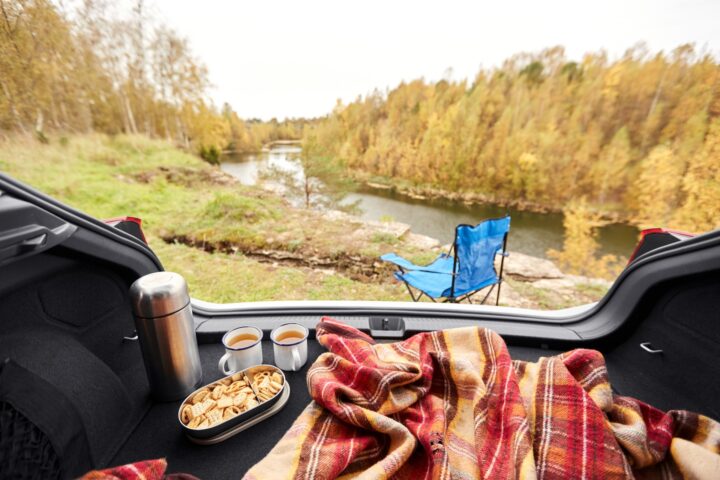
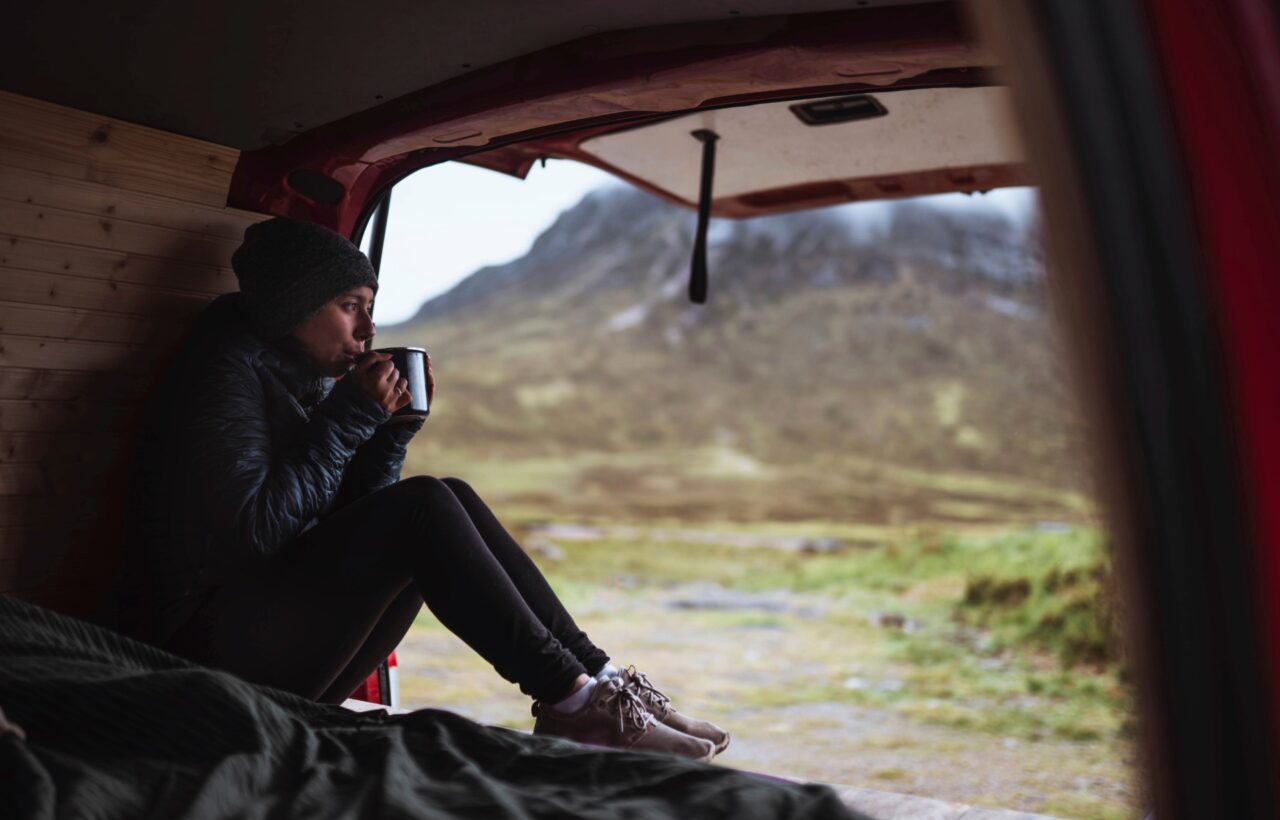
Keep the daily rhythm simple. Drive in the morning, arrive early afternoon, set up, cook, walk around, sleep. Leave room for zero plans. An evening in the open hatch with a book and no schedule can be the best part of a trip.
Pre-Trip Checklist for Every Departure
Run through the same short list before every departure.
Car: oil, coolant, tire pressure including the spare, full tank, jumper cables, and a basic roadside kit.
Gear: sleep system, kitchen, lights, battery, layers, water, food, trash bags, and the inReach charged.
Paper: printed itinerary for your contact, offline maps, any permits or reservation confirmations.
Test the setup in the driveway once a season. Inflate the pad. Boil water on the Jetboil. Practice the bin arrangement. Twelve minutes of practice at home prevents twenty minutes of frustration in the dark.
Keep the first trip short. One or two nights. Close enough to drive home if something goes wrong. Build from there.
Frequently Asked Questions
Is solo car camping safe for beginners? Yes, if you start at developed campgrounds, share your plans, and keep basic safety habits. The locked car and nearby people reduce a lot of the risk people worry about.
What is the best vehicle for solo car camping? Any vehicle where the rear seats fold relatively flat works. SUVs and hatchbacks give the most room, and a compact SUV such as the Subaru Forester handles it well.
Do I need a special mattress for solo car camping? A good inflatable pad like the Nemo Tensor is enough for most people. Vehicle-specific air mattresses exist if you want a more permanent feel, but they are not required to start.
How much does a weekend of solo car camping cost? Gas plus a $10–30 campsite fee and the food you would eat anyway. Gear costs can stay low if you use what you already own or buy used.
Can I do solo car camping in bad weather? You can, but plan for it. Extra blankets, window covers, and a realistic forecast help. Sitting out a rainstorm in the car is noisy but dry.
A little nervousness the night before a new trip is normal, and it rarely disappears completely. Load the bins, check the tire pressure, send the itinerary text, and drive. By the time the sun drops and the car is set up, the nerves usually give way to quiet. That quiet is the whole point.
Go try one night close to home. Keep it simple. Adjust what does not work. The system will show up after a couple of tries. You will figure out what you need and what you can leave behind.