A common assumption is that the Crosstrek is too small to sleep in. Crosstrek car camping turns out to be more comfortable than that suggests, provided the setup is built around the limited space instead of fighting it.
The better starting point is measuring the real sleeping area and dealing with the step where the folded seats meet the cargo floor. From there, a flat surface, steady airflow, bug screens and careful packing make a solo night, or a cozy weekend for two, entirely workable.
Why the Crosstrek Works for Overnight Trips
The all-wheel drive and 8.7 inches of ground clearance reach spots that would stop a regular sedan, including gravel roads rutted by recent rain. Fuel economy stays reasonable too, often around 28 to 30 mpg on mixed camping trips.
Cargo volume jumps from about 20 cubic feet with seats up to roughly 55 cubic feet when the rear seats fold flat. That is enough for one person to sleep with gear, or two people who do not mind getting cozy. The load floor is reasonably flat compared to some other small SUVs. Still, there is a small step where the folded seats meet the cargo floor. Ignore that step and you will feel it all night.
Keep expectations realistic. This is not a full-size SUV. You will not stand up inside. You will not fit a giant cooler and a full kitchen system without creative packing. But for solo trips or weekend escapes with a partner, the Crosstrek delivers.
Measuring the Sleep Space
Measure the cargo area before buying any sleep gear. With both rear seats folded, the usable length sits around 64 to 68 inches depending on how far forward the front seats slide. Width between the wheel wells is about 40 to 42 inches at the widest point. Floor-to-ceiling height is roughly 30 to 36 inches. You can sit up and change clothes, but you cannot stand.
People over about 5 feet 10 inches often sleep diagonally or push the front passenger seat all the way forward and extend into that space. Someone around 5 feet 9 inches can usually lie straight after removing the rear headrests and using a thin pad to bridge the seat-to-floor transition. Couples make it work by sleeping close. Two full-size adults will feel every inch of that width.
The numbers look tight on paper. In practice they feel workable once the surface is flat and you stop fighting the shape of the car.
Test diagonal length with driver seat reclined slightly, taller campers near 5 feet 10 inches often gain 4 extra inches that way.
Building a Flat Sleeping Surface
This is the part that separates a miserable night from a restful one. The stock cargo floor has wheel well intrusions and that small ledge at the seat fold. Generic air mattresses leave gaps and slide around, which makes them a poor fit.
Do not inflate the Luno with the engine off for long, the 12V outlet can drain the small Crosstrek battery quickly.
An inexpensive first fix is a set of interlocking foam puzzle exercise mats from a sporting goods store. Trimming them to fit around the wheel wells and over the seat ledge takes about an hour. Two layers give a level, cushioned base. Extra pieces over the folded seats, supported by bins in the footwells, stretch the bed length. The mats fold up and store easily when the seats need to go upright again.
A vehicle-specific mattress is another route. The Luno air mattress made for the Crosstrek costs $199.99 for the AIR Base version. It inflates in under three minutes with the included pump that plugs into the 12V outlet. The shape follows the cargo floor, so no big gaps appear at the edges. The AIR Pro version runs $349.99 and adds more durable fabric plus a head support bridge. For occasional trips, the Base model is enough.
Some owners build plywood platforms that sit on storage bins in the footwells. That creates under-bed storage and a perfectly flat top. Prefab aluminum platforms exist too, like the Compass Camper kit that runs over $1,000. For occasional use, foam mats or a fitted air mattress give enough comfort without permanent changes.
Whatever surface you choose, remove the rear headrests entirely. Lowered headrests still create bumps. Store them in the front footwell.
Step-by-Step Crosstrek Car Camping Setup
Once gear is organized, this sequence takes about ten minutes.
First, clear the cargo area completely. Then fold both rear seats using the levers at the top of the seatbacks. Slide the front seats forward a few inches for extra length. Next, lay the foam mats or the Luno mattress. With the Luno, connect the pump and let it inflate while you handle the windows.
Clip mesh bug screens over the rear side windows and crack those windows about two inches. A reflective windshield cover blocks light and adds privacy. A small USB-powered fan clips to a headrest and keeps air moving. A cargo hammock hung from the ceiling anchors holds shoes, a headlamp, and a water bottle. Everything else stays in soft duffels stacked in the front seats or under the platform edge.
In the morning the process reverses. The mattress deflates and rolls into its bag. The foam mats stack in a corner. The whole system fits with room left for day gear.
This flow is often faster than pitching a tent in the dark, and the car stays dry if light rain moves through overnight.
Keeping Air Moving and Bugs Out
Condensation builds fast in a small closed space, and the windows can fog completely on a cool night. Always crack at least two windows on opposite sides. Rain guards (also called vent visors) let you leave them open even if weather turns. Window screens keep mosquitoes and moths outside.
Privacy covers matter almost as much as ventilation. A simple reflective windshield cover blocks headlights and early sun. Collapsible covers for the rear windows wedge into place. They cost little and make the interior feel private at trailheads or campground parking areas.
A quiet USB fan makes a noticeable difference on warm nights. Position it so the airflow reaches the sleeping surface without blowing directly on your face. Battery life lasts through the night on low speed.
Park nose into light wind so cracked opposite rear windows pull fresh air across the bed and cut condensation.
Packing Gear Without Losing Your Mind
Space is limited, so every item earns its place. Soft-sided bags and duffels fit better than hard coolers in the nooks. A small soft cooler fits in a front footwell for drinks and perishables. Cooking gear lives in one plastic bin that slides out the rear hatch when it is time to cook. Camp chairs and a compact table go on the roof in a cargo box when the trip is longer than one night.
Pack heavier items low and toward the center. Lighter soft goods fill the gaps. At night the front seats become storage. Shoes stay in the driver footwell. A toiletry kit hangs from the passenger headrest. Everything you might need after dark stays within arm’s reach of the bed.
With the seats folded, a Crosstrek can carry sleeping gear, two days of food, a two-burner stove, water, and hiking clothes for two people without using the roof box. Tight, but doable.
Never stack hard coolers behind your head, sudden stops on gravel can launch them into the 40 inch wide sleep zone.
Extra Accessories That Make a Difference
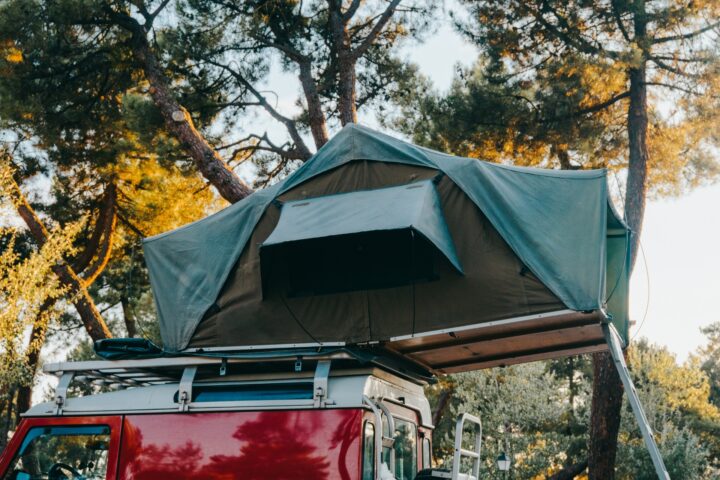
Roof rails come standard on most recent Crosstreks. Crossbars open options for a cargo box or a lightweight rooftop tent. The dynamic load rating sits around 150 pounds on many models, so choose a rooftop tent carefully. An awning that mounts to the roof rack gives shade for cooking and hanging out without adding much weight.
Window deflectors are cheap and useful. Leveling blocks help if the parking spot is slightly off. A small power station keeps phones and the fan charged without idling the engine. Carry a basic recovery strap and a tire repair kit, because dirt roads can surprise you.
None of these items are mandatory. Start with a good sleeping surface, screens, and a cover. Add the rest as you learn what you actually use.
Frequently Asked Questions
Can two people sleep in a Crosstrek for car camping? Yes, if they do not mind close quarters. The width gives each person roughly 20 inches. Couples who already sleep close make it work for weekend trips. Solo is more comfortable.
What size mattress works best for Crosstrek car camping? Look for something around 70 inches long and 40 inches wide, or a model cut specifically for the Crosstrek cargo shape. Generic full-size air mattresses leave gaps and slide.
Do I need a platform or can I just use a pad? A quality pad or vehicle-specific mattress works if you address the seat ledge with foam or blankets. A simple platform adds storage underneath and a flatter surface, but it is not required for occasional nights.
Is the Crosstrek good for rough forest roads while camping? The standard 8.7 inches of clearance and all-wheel drive handle most forest service roads and campground approaches. The Wilderness trim offers a bit more clearance if you plan frequent rough travel.
How long does setup take once you have the gear? A practiced system takes about ten minutes from empty cargo area to ready-to-sleep. Breakdown in the morning is even faster.
A stiff neck after a first night on the bare floor is common, and a few simple fixes make a huge difference. The Crosstrek will never replace a full camper van, and it does not need to. For quick escapes, trailhead nights, and low-key weekends, this setup keeps you comfortable and mobile. Grab a pad that fits, crack the windows, and go find a quiet spot. The car is ready when you are.