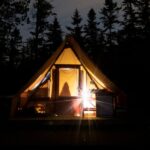
For women heading out alone, solo car camping starts with one big advantage: a locked car you can drive away in. Good planning covers almost everything else.
That planning comes down to a handful of habits. Pick campsites with daylight to spare, share your plan with someone at home, keep food sealed, and stay ready to leave if a spot feels wrong. The sections below explain why sleeping in a vehicle feels more secure than a tent, how to choose sites as experience grows, which gear is worth packing, how to handle wildlife and unwanted visitors, and how to prepare for a first trip.
Why Solo Car Camping Feels Safer Than a Tent
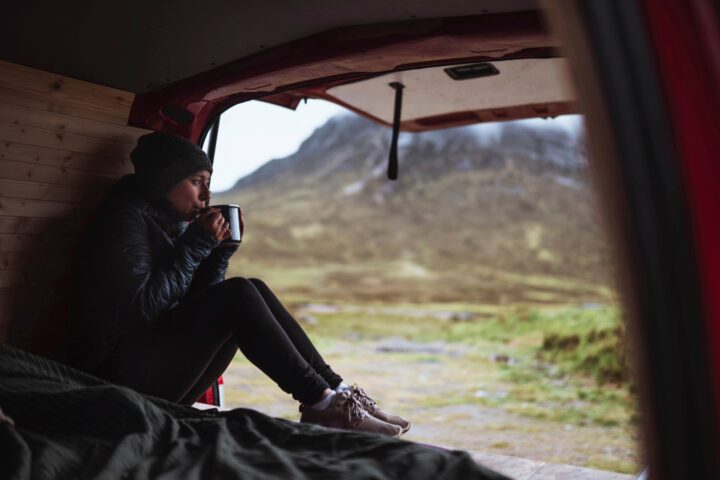
A locked car changes the equation. Fabric walls leave you feeling exposed. Steel and glass do not. You can sit up, grab the keys, and leave in under a minute if the vibe shifts. That single fact lowers stress more than any gear item.
The common fear is strangers or wildlife. Reports from other women suggest the bigger risks are weather, a flat tire, or ignoring that little gut ping. Sleeping inside the vehicle cuts the exposure. You stay dry when it pours. You stay warmer when the temperature drops at 2 a.m. You keep your food sealed away from curious raccoons without hanging bags from trees.
Late arrivals show the difference. When a loud group rolls into a campground after dark, a tent leaves you stuck. In a car you can dim the lights, lock everything, and wait it out. That kind of quiet control is why more women keep choosing the car route.
The privacy piece matters too. Opaque window covers turn the interior into your own space. No one walking past sees inside. You change clothes, eat, or just sit without feeling on display. Black trash bags taped up will do for a single night in a pinch, but proper covers make a big difference.
How to Choose Campsites for Solo Car Camping
Location decides half the safety story. Avoid winging it after dark. A simple rule: arrive with daylight left so you can walk the site, check exit routes, and feel the energy.
For beginners, established campgrounds are the best fit. State parks, national park campgrounds, or well-reviewed private spots with hosts and other campers nearby. Cell service is a plus. Neighbors who wave hello help more than isolation does on the first few trips. Book through Recreation.gov or the park’s own system and read recent reviews from other solo women when you can find them.
Progression works. First trip: busy campground close to home, one night, full facilities. Second or third: quieter loop in the same park. Later, if it feels right, dispersed spots on public land where you bring everything and pack everything out. Give yourself several months to build up before a true remote night. Rushing that timeline only adds nerves you do not need.
Practical checks on arrival:
- Park facing out so leaving is one motion.
- Note the nearest restroom and host site.
- Scan for dead trees or low ground that could flood.
- Keep the driver’s seat clear and keys in the same pocket every time.
If a site feels off in the first five minutes, leave. No explanation required. A better spot is often just down the road. Trust that signal. It is data, not drama.
Non-Negotiable Safety Habits
These habits take minutes on every trip and remove most of the what-ifs.
Always share the plan. Send a quick text to a friend or relative with the campground name, site number if you have it, and expected return time. For fully off-grid trips, carry a satellite communicator such as the Garmin inReach Mini 2, which runs about $350 plus a subscription. It lets you check in or hit SOS when cell service vanishes, which settles one of the biggest worries.
Arrive early. Set up while the sun is up. Walk the loops so the nighttime sounds feel familiar. Put window covers up before changing clothes. Keep the phone charged, with a small power bank in the center console.
Food stays sealed in the trunk or a hard cooler. No crumbs in the sleeping area. In bear country, follow the local rules exactly. Keep bear spray within reach of the driver’s seat. It works on more than bears.
Some women leave a visible dog bowl and an old pair of men’s boots near the door. It is a small visual cue that you might not be alone, costs nothing, and takes five seconds. Skip it if it does not add reassurance for you.
One more: never announce on social media that you are alone at a specific spot until you have left. Timing matters.
Screenshot your shared location pin and site marker photo before signal drops, so your contact has searchable proof even off grid.
Gear Worth Packing for Solo Car Camping
You do not need a full van conversion. A simple setup in a compact SUV like the Honda CR-V works well.
Sleeping platform is a foam mattress topper cut to fit the back with the seats folded. Total cost under $60 the first year. Warm sleeping bag rated for the lowest expected temperature, plus an extra blanket. Pillow from home. Comfort wins over ultralight every time when the car carries the weight.
Window covers: magnetic blackout panels for the side windows and a reflective windshield shade. DIY Reflectix panels cost about $30 in materials and last for several seasons. They block light and add a bit of insulation. Mesh screens over cracked windows keep bugs out while letting air move. Condensation is real. Cross-flow ventilation solves most of it.
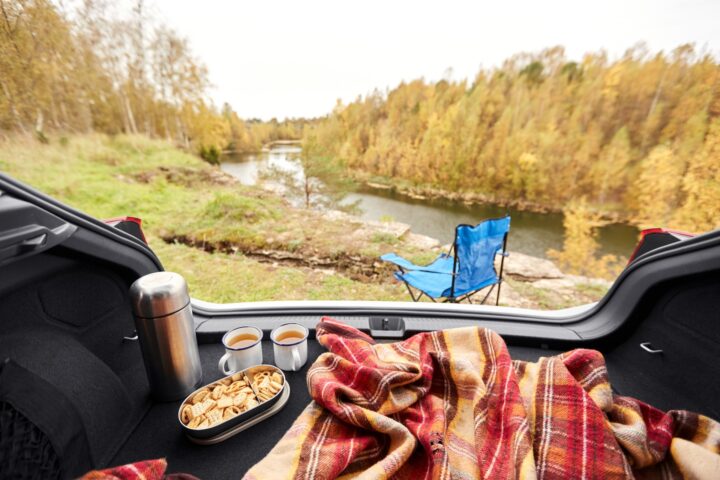
Kitchen is a small canister stove, one pot, a cooler with ice packs, and easy meals prepped at home. Instant oatmeal, wraps, and a couple of freeze-dried options cover the lazy nights. A water jug should hold enough for two days plus cooking.
Safety kit stays compact:
- Bear spray
- Whistle
- Headlamp with spare batteries
- Basic first-aid
- Printed emergency contacts
- Paper map as backup
A portable power station for the phone and a small fan is worth adding. Extra weight hardly matters because the car does the heavy lifting. Test everything at home once before the first real night. It removes the 10 p.m. “where did I put the lighter” panic.
Warning: Never idle your car overnight for warmth. Carbon monoxide can build up and waste fuel. Rely on your rated bag plus blanket instead.
Dealing with Wildlife and People Worries
Wildlife usually wants your food, not you. Store it right and the problem shrinks. Raccoons may investigate a cooler but tend to move on when nothing is open. Bears are the bigger mental hurdle in certain regions. Local ranger advice plus proper storage handles it. Never keep food in the cabin while sleeping.
People concerns get the most airtime. The data and the lived experience of many women point the same direction: the locked car plus good site choice lowers the risk more than almost anything else. Most nights pass with zero interaction beyond a wave from a neighboring family.
If someone approaches and the conversation feels off, keep the door locked and the window only cracked enough to speak. Short answers. No personal details. If it escalates, leave. That option exists because the vehicle is ready.
Loneliness shows up sometimes. The first night away can feel quiet in a new way. A book, a journal, and a playlist help fill it. For many women, the independence that follows outweighs the quiet stretch.
Raccoons and bears also follow scented toiletries. Store toothpaste, sunscreen and wrappers in your sealed trunk cooler setup, not the cabin.
Getting Ready for Your First Solo Trip
Start small. One night. Close to home. Established campground with cell service and a host. Pack the night before so the morning feels light. Tell someone the plan. Arrive early. Set up. Make a simple dinner. Sit outside with a headlamp if the weather cooperates. Climb into the car when you are ready.
Expect nerves. Name them. “I am worried about X.” Then address the practical piece. That process works better than pretending the worry is not there.
Practice the sleeping setup in your driveway once. Climb in, lock the doors, test the covers. It feels silly for twenty minutes and then it feels normal. That familiarity carries into the real night.
After the first successful trip the next ones get easier. Confidence builds from evidence, not from reading more lists. You will start noticing the small freedoms: coffee exactly when you want it, no one else’s alarm, the decision to stay an extra hour because the light is perfect.
Frequently Asked Questions
Is solo car camping safe for women? Yes when you choose solid sites, share your plan, and use the car as the secure base it is. The locked vehicle plus daylight arrival and gut checks cover the majority of real risks.
Do I need expensive gear to start? No. A foam pad, basic sleeping bag, window covers made from Reflectix for about $30, and a cooler get you through the first few nights. Upgrade only what you actually use.
What if I feel unsafe after dark? Leave. Keys ready, seat clear, drive to a more public spot or another campground. You do not owe anyone an explanation. That option is the whole point of the car setup.
How do I handle no cell service? Carry a satellite communicator like the Garmin inReach Mini 2 if you plan remote nights. Share your rough itinerary before you lose signal. Established campgrounds usually have enough coverage for beginners.
Will I get lonely? Sometimes. Bring things that keep your hands and mind busy. Many women find the independence outweighs the quiet stretches after the first trip or two.
The open road with your own vehicle waiting is a clean kind of freedom. Plan the basics, trust the process you build, and go. The first night teaches more than any article can. Pack the cooler, lock the doors, and see what the morning looks like from your own back seat.