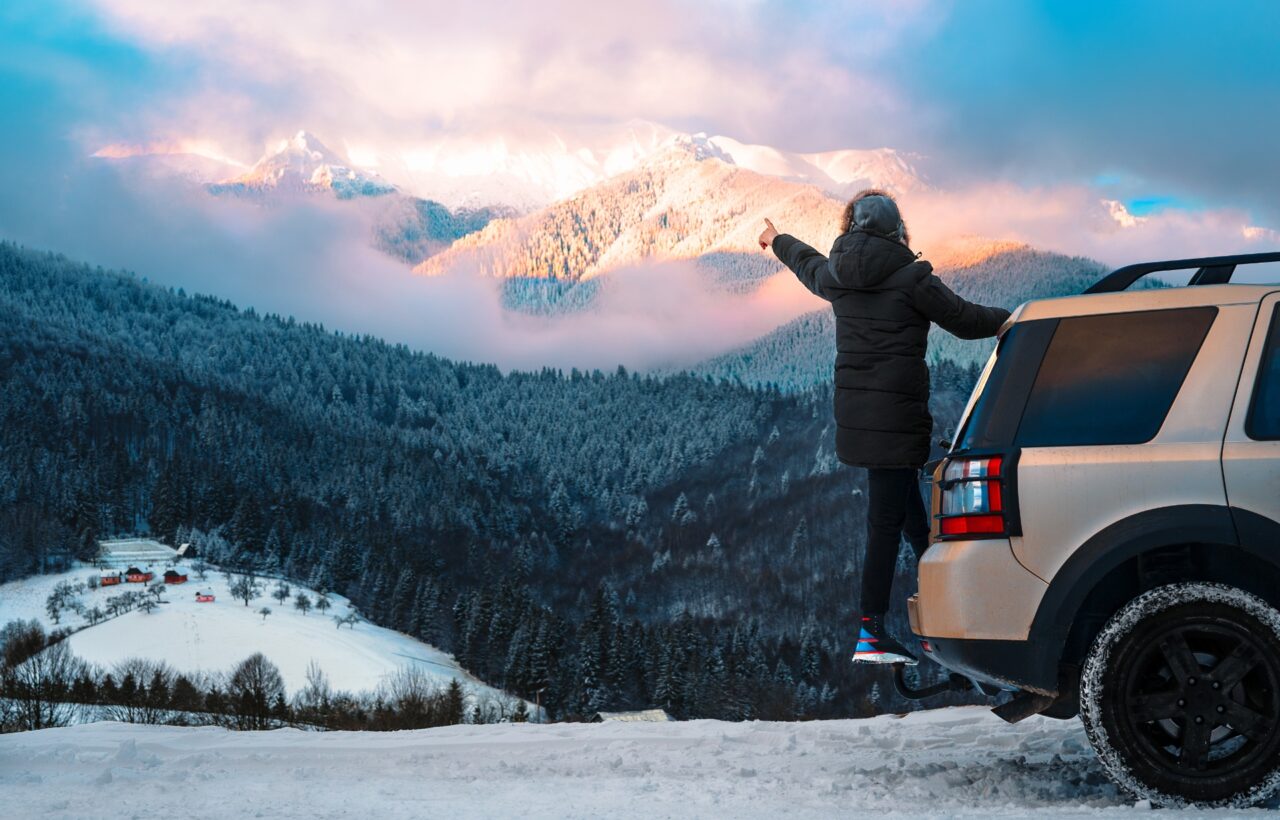
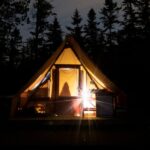
It is 3 a.m., frost is creeping across the inside of the windows, and the cold is seeping up through the floor of the car. Winter car camping rewards you with empty parks, quiet mornings, and easy access to snowy trails, but it asks you to plan for exactly that kind of night.
Warmth comes from a sleep system rated well below the forecast low, layers that stay dry, and insulated windows. Safety comes from respecting temperature limits, managing condensation, and never letting carbon monoxide build up in a closed cabin.
How Cold Is Too Cold for Winter Car Camping
Most experts draw a hard line at -30°F. Below that, even a solid vehicle and top gear push the risk too high. In reality, anything under 32°F demands respect. Hypothermia can sneak in between 30°F and 50°F if you get wet or stay exposed too long.
Treat 0°F as a practical comfort limit, even with good gear. A bag rated exactly to the low temperature is not enough, because ratings assume ideal conditions. Pick a bag rated 10–15°F colder than the forecast low. That buffer keeps you sleeping instead of counting the minutes until dawn.
Check the overnight low at your exact spot, not the nearest town. Elevation and open ground can drop another 10–20°F. If the forecast looks borderline, bring extra insulation or turn around. No trip is worth testing the edge.
At 5F, wind can cause frostbite in 30 minutes, so check wind chill at your exact campsite before deciding to stay.
Building a Sleep System That Actually Works
Your sleep setup decides whether you wake up rested or stiff and cold. The floor of a car steals heat faster than air does. Start with a thick insulated pad or memory foam. Two 2-inch memory foam pads stacked in the cargo area of a wagon such as a Subaru Outback make a big difference.
On top of that goes a 0°F or colder sleeping bag, such as the Mountain Hardwear Phantom rated to 0°F. A liner adds another 5–10°F of warmth. Layer a wool blanket under the bag and a down comforter on top. The whole nest traps body heat instead of letting it sink into the metal floor.
Keep a dry set of base layers just for sleeping. Change into them right before you zip up. Wet clothes from the day will chill you fast. A Nalgene bottle of hot water wrapped in a sock near your feet stays warm for hours and leaves you drinking water that has not frozen solid by morning.
Elevate the bed if you can. A simple wood platform or even a few closed-cell foam pads create air space under you. Metal frames conduct cold. Wood does not. That small change noticeably cuts the chill on nights below 10°F.
For sub 10F car camping, aim for a pad R value above 4, since metal floors pull heat faster than frozen ground.
Layering Clothes Without Overheating
Cotton is the enemy. It holds moisture and turns into a refrigerator against your skin. Stick to three layers that each do a clear job.
Base layer: Merino wool or synthetic that sits against the skin and wicks sweat. A mid-weight merino top and bottoms around 200–250 gsm suit cold nights.
Mid layer: Fleece or a light puffy that traps heat. A Patagonia Nano Puff is a solid option when the temperature sits in the teens.
Outer layer: Windproof and water-resistant shell. It blocks drafts when you step outside to cook or stretch.
Change the base layer before bed so you start dry. Overdressing in the bag is a common mistake. Too many clothes compress the insulation and leave you colder. A snug bag with dry layers beats the Michelin Man look every time. Puffy pants are underrated. A pair like the Mountain Hardwear Ghost Whisperer pants extends how long you can sit outside in the evening without freezing.
Insulating Your Car Windows and Managing Condensation
Glass loses heat fast. Cut Reflectix panels to fit every window. A single roll costs about $25 and covers a whole midsize SUV. Press them into the frames for a friction fit. Silver side in reflects body heat back. The panels also give privacy for changing clothes.
Park facing the morning sun when possible. The first light warms the cabin naturally. Avoid deep shade or spots where snowplows might bury you overnight, since a plow clearing a trailhead lot can push a wall of snow against the doors. Choose designated winter sites or clear pull-offs that crews leave alone.
Condensation is the quiet problem. Your breath turns to frost on the windows and then drips onto your gear. Crack one window an inch or open the sunroof a crack, even on the coldest nights. The fresh air keeps moisture down and oxygen up. The slight draft is worth the dry interior.
Prelabel each $25 Reflectix panel for its window with marker, so friction fitting in the dark takes seconds without gaps.
Safe Ways to Add Extra Heat
Never sleep with the engine running. Carbon monoxide builds fast in a closed cabin, especially if snow blocks the tailpipe. Run the heater for 10–15 minutes before bed, then shut it off completely.
A portable Buddy heater can warm the space quickly, but only while you are awake and with a window cracked. Keep a battery-powered carbon monoxide and smoke detector nearby. With the heater off, rely on the sleep system and a couple of HotHands warmers for hands and feet. They last up to 10 hours and cost a few dollars a pair.
Hot water bottles remain the best low-tech option. Boil water on a cold-rated stove, fill a Nalgene, and tuck it in the bag. It is simple, safe, and doubles as morning drinking water. Electric heated blankets work if you have a power station, but they drain batteries fast in the cold. Passive methods are the dependable choice most nights.
Clear snow at least two feet around the tailpipe before your 10 to 15 minute preheat, since blocked exhaust forces carbon monoxide into the cabin.
Food, Water, and Body Heat Tricks
Your body produces heat while digesting food, so eat a solid meal before bed: chili, stew, or oatmeal with extra oil or butter. Easy, hot, and calorie-dense. Canned or dry foods survive freezing better than fresh produce. Store water bottles upside down so the ice forms at the top and you can still pour from the bottom.
Keep extra water and a couple days of food beyond what the trip requires. Getting stuck after a storm is real. Insulated bottles slow the freeze. Bring a small stove that works in the cold. Canister stoves struggle below freezing; liquid-fuel ones handle it better. Warm the canister in your jacket or sleeping bag before lighting if you must use one.
Stay active before bed. A short walk or even push-ups get blood moving. Then change into dry layers and settle in. That sequence does more for warmth than any single piece of gear.
Choosing Your Spot and Avoiding Common Pitfalls
Look for flat ground that drains well. Avoid low spots where cold air pools. National forest roads, ski resort lots that allow overnight parking, and some BLM land work well in winter. Always confirm the rules. Many day-use areas ban overnight stays.
Common mistakes to avoid:
- Buying a bag rated exactly to the expected low instead of colder.
- Leaving wet ski gear or boots inside the car where they freeze solid.
- Skipping window covers and watching heat disappear through glass.
- Forgetting a shovel, traction aids, or jump starter. Cold kills batteries fast.
Pack a small snow shovel, traction mats, and a portable jump pack every time. Tire pressure drops about 1 PSI for every 10°F drop, so check it before you leave.
Share your plan with someone. Tell them where you will be and when you expect to check in. A satellite communicator like a Garmin InReach is cheap insurance if cell service is gone.
Frequently Asked Questions
What temperature is too cold for winter car camping? Below -30°F is generally considered too risky even with good gear. Most people do fine down to 0°F with a proper sleep system and insulation. Beginners should start closer to freezing and build experience.
Can I run a heater while I sleep in the car? No. Never leave a propane heater or the car engine running overnight. Carbon monoxide is odorless and deadly. Use passive insulation and hot water bottles instead.
Do I need a special vehicle for winter car camping? Any car with fold-flat seats works. SUVs and wagons give the most room. Trucks need a topper for protection. The vehicle itself is secondary to the sleep system and insulation.
How do I keep water from freezing overnight? Store bottles upside down inside the car or in your sleeping bag. Insulated bottles help. Keep a small amount of water near your body heat so it stays liquid for the morning.
Is winter car camping worth the extra effort? For many campers, yes. Empty trails, quiet nights, and waking up warm in a snowy landscape make it a rewarding way to spend a weekend. The preparation becomes second nature after a few trips.
A little nervousness before the coldest nights is healthy, because it keeps you careful. Pack the right bag, insulate the windows, manage moisture, and respect the temperature limits. Do those things and winter car camping stops feeling like survival and starts feeling like freedom. Grab your gear, check the forecast twice, and get out there. The quiet is waiting.