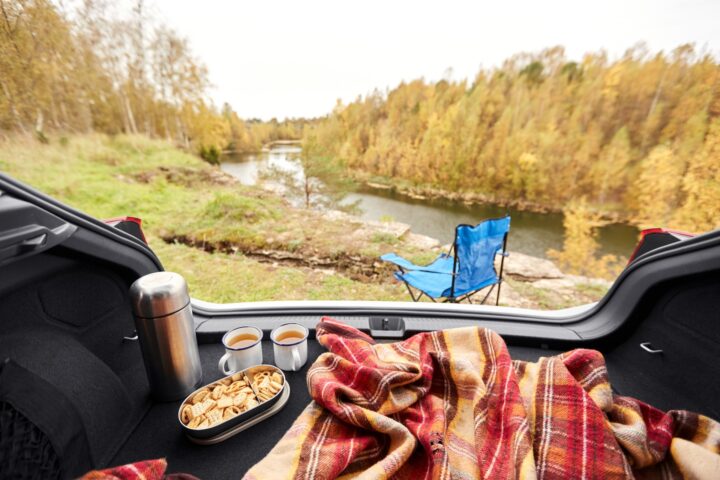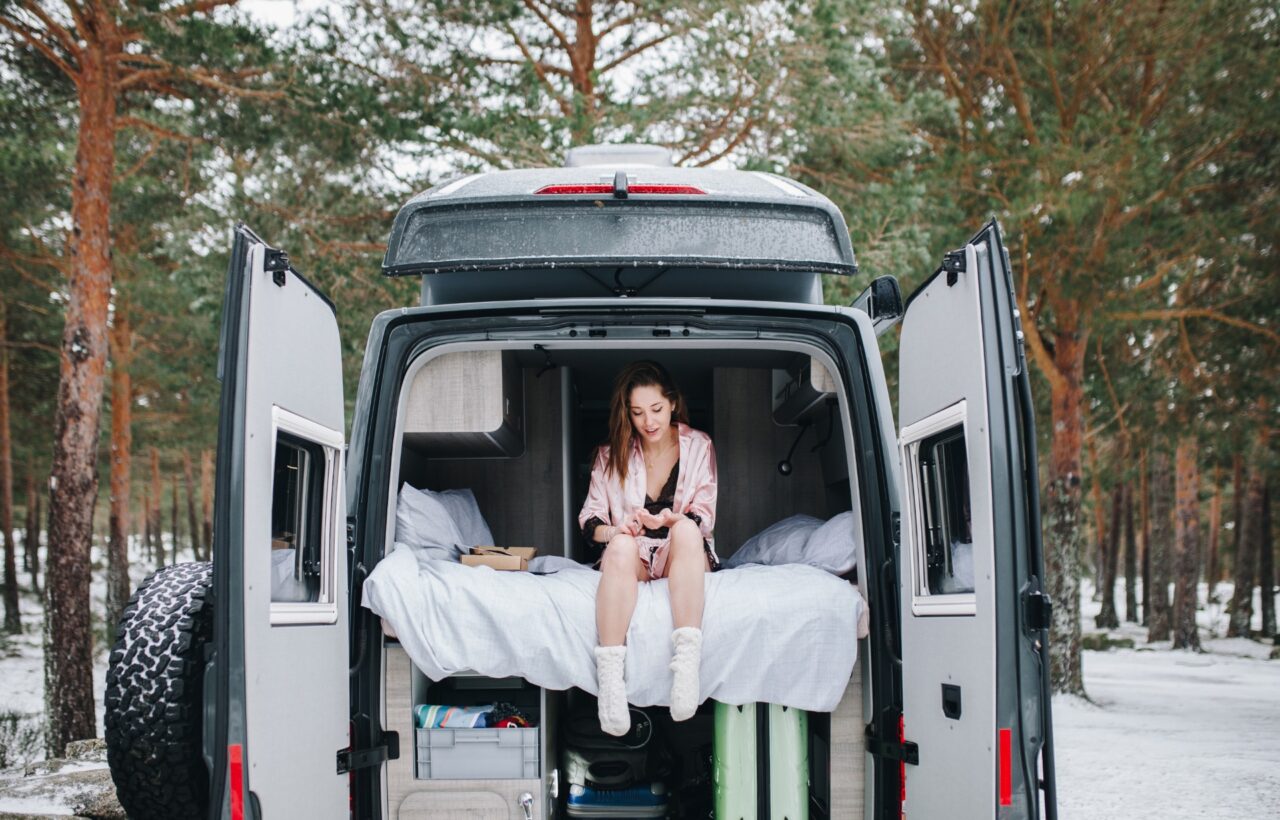
Rain drums on the roof, the doors are locked, and you are stretched out flat on a mattress in the back of your car while a tent nearby sags in the mud. Car bed camping turns the cargo area into a real bed, so you skip tent setup and hotel bills and wake up dry.
Comfort comes down to a handful of things: a level platform, a mattress that fits the space, a legal place to park, and control over condensation, temperature and privacy. Sort those out and a night in the car feels routine.
Why Car Bed Camping Beats the Tent Most Nights
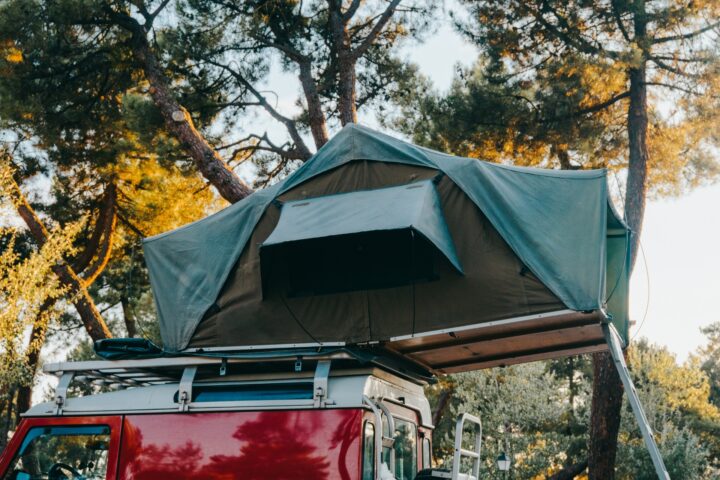
Tents have their place, but they come with drawbacks. Rain turns a tent into a swamp. Wind flaps the fabric all night. Bugs find every gap.
With car bed camping you get a solid shell around you. The metal and glass block weather better than any nylon. Locked doors feel safer than a zipped mesh panel. Setup takes under ten minutes once the system is dialed. Park, fold seats or drop the platform, lay the mattress, done.
The real win sits in the flexibility. You can pull into a legal spot at 10 p.m. after a long drive and still get solid sleep. No searching for flat dirt or fighting guy lines in the dark. Over a multi-week trip, skipped hotel nights add up fast, and a basic setup can pay for itself within a season.
One downside shows up fast if you skip the flat surface. Folded seats leave gaps and slopes. Your hips sink. Your back complains by morning. That problem is fixable, and fixing it is the heart of good car bed camping.
Creating a Flat Surface for Real Sleep
Comfort starts with a level platform. Piling blankets on an uneven floor and hoping for the best usually ends with a sore lower back within a few nights.
A proper sleeping platform levels the cargo floor, fills the seat gap, and often gives storage underneath. Ready-made options like TrunkMate or Pacific Adventure Works Hideaway drop in without tools. They use adjustable legs so the bed sits horizontal even if the car sits on a mild slope. Some models support up to 400 pounds and fold into the trunk when you need the space for groceries.
DIY works if you like building. Measure the flat length from the back of the front seats to the closed hatch, then the lowest height that still clears your storage bins. Plywood at 15 mm thick plus a simple timber ladder frame keeps material costs modest. Carpeting the top stops rattles, and hinges let the rear section lift for access. A build like this can weigh under 60 pounds and come out in minutes.
Storage under the platform makes a big difference. Cooler, shoes, and day packs slide underneath, so there is no digging through bags at midnight. Leave a little air gap under the platform so moisture does not get trapped.
Measure twice. Wheel wells and tapering sides waste plywood if you guess. Cardboard templates save money and frustration.
Test platform level with a free phone bubble app before loading bins, then mark leg settings with paint pen for fast setup.
Picking a Mattress That Actually Feels Like a Bed
Once the surface is flat, the mattress decides whether you sleep or just rest. Thin pads leave you feeling the platform. Thick ones that fit wrong create new pressure points.
Several mattresses suit this style of camping. The Luno Air Mattress 2.0 fits over 180 vehicles and costs around $280. Its side “feet” fill the gap between front and rear seats so you stretch full length without sliding. R-value sits high enough for cool nights. The Exped MegaMat 10 LXW runs thicker at four inches and self-inflates in about five minutes. It feels closest to a real bed, though the bulk means you measure carefully. HEST foam options skip inflation entirely. Roll them out and you are done.
Price and space trade off. Foam takes more room when not in use. Air mattresses pack small but can lose pressure overnight, so keep a small pump handy. For two people a double or queen version works in most midsize SUVs if the seats fold fully. Solo travelers gain extra gear space with a single.
A real pillow from home and a packable comforter add a lot. Temperature-rated sleeping bags work, though a Rumpl-style insulated blanket is easier to layer. On nights below 45 degrees, slide a thin foam pad under everything for extra insulation. The metal floor steals heat fast otherwise.
Recheck air mattress valves before nights below 45 degrees, cold shrinks air and metal floors amplify heat loss fast.
Finding Legal Places to Park Overnight
Legality decides whether the whole plan works. No federal ban exists in the United States, yet cities, counties, and private lots set their own rules.
A short list of reliable spot types covers most trips. Bureau of Land Management land allows dispersed camping for up to 14 days in a 28-day window in most western areas. U.S. Forest Service roads usually permit overnight parking if you stay out of the way and display any required permits. Highway rest areas often allow short stays, though time limits vary from two hours to overnight. Apps like AllStays and Hipcamp show current options and user notes.
Avoid city streets and shopping-center lots unless signs clearly allow it. Setting up chairs or a stove outside the vehicle can turn legal parking into illegal camping in some jurisdictions. Keep a low profile. Tell someone your location. Leave no trace.
Mapping apps like onX help confirm a quiet BLM pullout before you arrive. Arriving after dark, sleeping, and leaving early keeps your presence minimal. That pattern works most places if you do the homework first.
Handling Condensation, Temperature, and Privacy
Cars trap moisture. You breathe out a surprising amount overnight. By morning the windows fog and bedding feels damp if you ignore airflow.
Crack two windows an inch on opposite sides for cross ventilation. Mesh screens keep bugs out. Window covers or simple blackout curtains block light and add a layer of insulation. On cold nights the covers help hold heat. On hot ones they keep the sun from turning the cabin into an oven at dawn.
Never run the engine while sleeping. Carbon monoxide is not worth the risk. In an EV the Camp Mode feature holds cabin temperature using a small percentage of battery. Gas cars rely on good bedding and insulation instead.
Privacy matters more than many people expect. Reflective sunshades or custom covers stop curious eyes and headlights. Earplugs handle road noise if you land near a highway.
EV Camp Mode typically uses 2 to 4 percent battery per hour, so start the night above 50 percent charge.
Gear That Makes the Night Smoother
Beyond the bed and platform, a short list of extras earns its space every time.
A headlamp or small lantern hangs from the grab handle for reading or finding the water bottle. A portable power bank keeps the phone charged without draining the car battery. Storage bins with lids keep food smell-proof and organized. A small cooler pre-chilled with ice blocks stays cold longer.
For hygiene, pack no-rinse soap and a microfiber towel. A collapsible water jug fits under the platform. On longer trips a 12-volt electric blanket plugs into the car outlet for extra warmth without idling.
A full kit like this can stay under about 40 extra pounds once the platform and mattress are in place. When everything has a home, mornings stay calm.
Limit 12 volt blanket use to short preheat bursts unless using a separate power station to avoid draining starter battery.
Frequently Asked Questions
Is car bed camping legal everywhere? No. Rules change by state, city, and even parking lot. Sleeping in a legally parked vehicle is often fine, yet setting up outside gear can cross the line. Check apps and local signs before you settle in.
How do I stay warm or cool overnight? Insulate from below with a proper mattress and pad. Use window covers and quality bedding. Crack windows for airflow. In an EV use Camp Mode. Never idle a gas engine for heat.
Will a car bed camping setup fit my vehicle? Most SUVs, crossovers, and hatchbacks with fold-down seats work well. Measure the flat cargo length and width first. Adjustable platforms fit a wide range. Sedans need creative solutions and usually suit solo sleepers only.
Is it safe compared to a tent? Many people feel safer locked inside metal with the ability to drive away in seconds. Choose well-lit or remote legal spots and tell someone your plan. The structure itself blocks weather and wildlife better than fabric.
Do I need to modify the car permanently? No. Good platforms and mattresses install and remove without drilling. DIY versions can strap to existing cargo points. Resale value stays intact.
Car bed camping rewards the people who solve the flat surface and the parking question. Once those two pieces click, the rest feels almost easy. A tent still suits some trips, but the car can easily become the default bed for anything under a week. Measure your space, pick a solid mattress, and try one night close to home. The next morning you might decide the tent can stay in the garage a while longer.