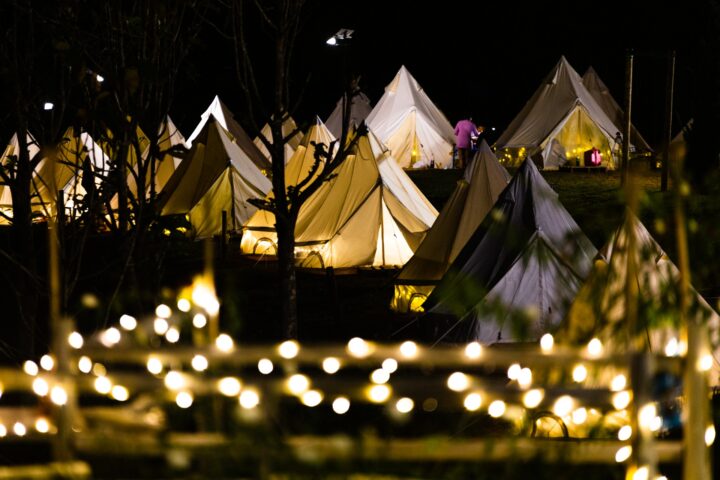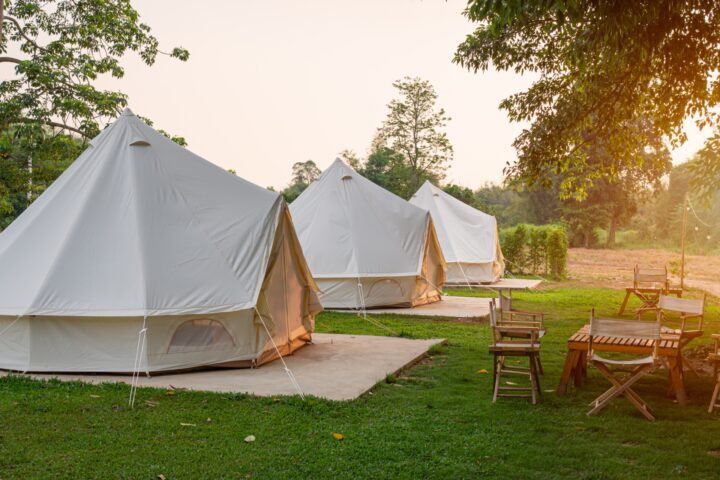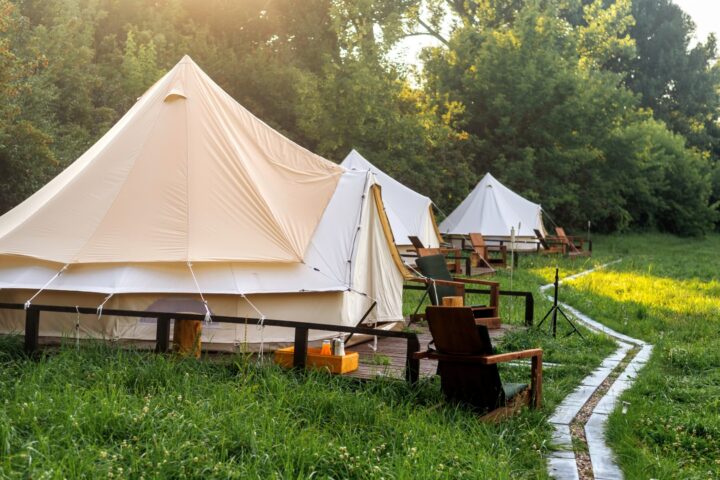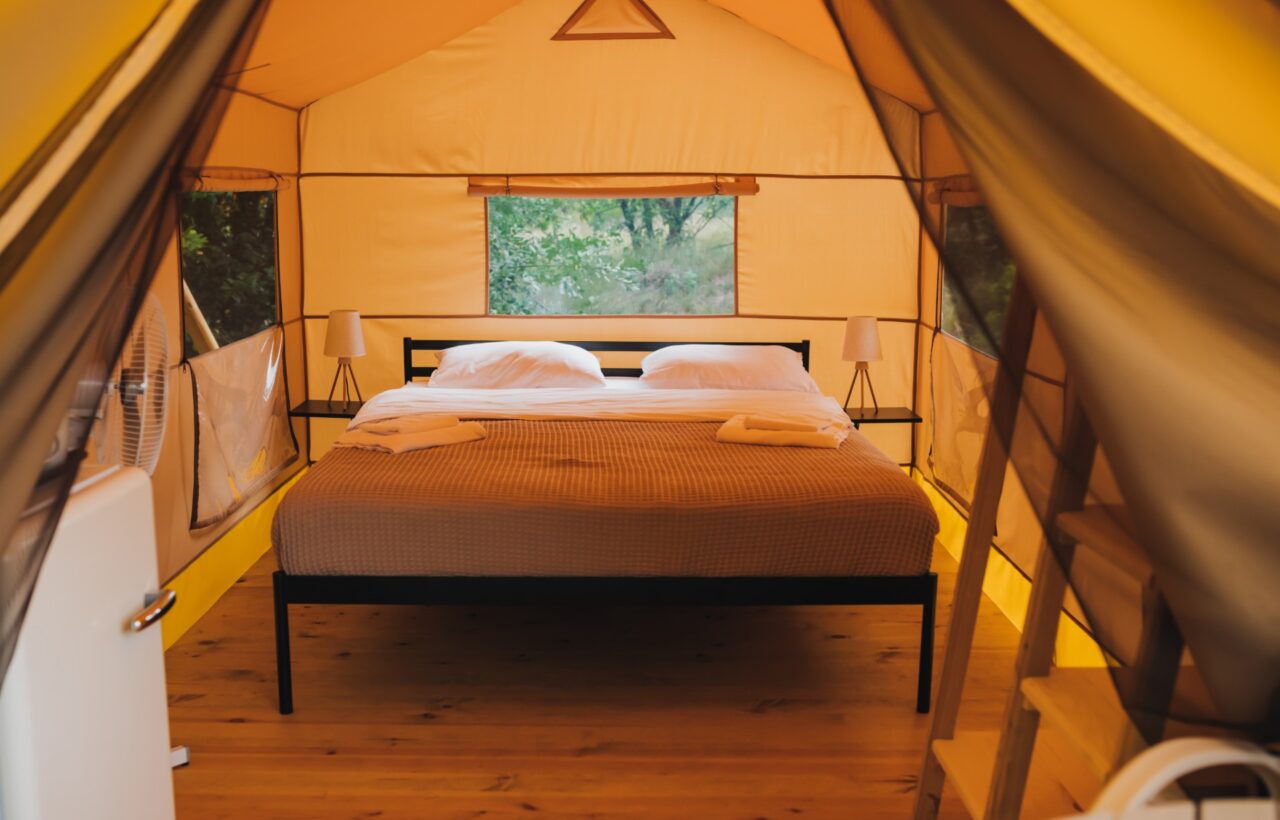
You carry a bag to the tent and find the bed made, the lamp working, and the shelter already standing. That arrival sums up glamping for beginners: outdoor lodging in a furnished tent, yurt, dome, pod or cabin, with the setup handled for you.
The word blends “glamorous” and “camping,” and it covers a wide range. A safari tent with an ensuite shower and a bell tent beside a shared bathhouse are both sold under it. So the first decision comes down to which comforts you will keep for a night or two outside.
How Glamping Differs From Camping
The practical split is who does the work.
Camping means you bring the shelter and the sleep system, pitch them, and take them down. A tent site at a private U.S. campground had a median price of about $45 a night in early 2026 pricing data; basic public sites are often lower. Glamping means you arrive to a structure that is already furnished. Across the same private-campground dataset, glamping had a median of $145 a night and an average of about $160. In the UK, a 2026 directory of 276 sites put the median starting price at £110 a night.
| Camping | Glamping | |
|---|---|---|
| Setup | You pitch and pack the shelter | Structure is ready |
| Sleep | Pad or air mattress, sleeping bag | Mattress and, usually, linens |
| Bathroom | Often a shared block, sometimes none | Private, nearby private, or shared — confirm which |
| Power and heat | Usually none, or hookups if you have an RV | Often included; not guaranteed |
| Typical nightly cost | Often $10–50, or about $45 median at private U.S. sites | Often $100–300+; U.S. median about $145, UK median start about £110 |
| Best first use | Learning outdoor skills on a budget | A short outdoor stay without buying gear |
For one or two trips a year, glamping can cost less than buying a tent, pads, bags, stove, and cooler you will rarely use. A basic starter kit often runs a few hundred dollars before the first night. Camping becomes the better value once you go often enough to spread that gear across many trips, or if you want sites that have no bookable structure.
Glamping is still outdoors. Canvas and thin walls do not hold heat like a hotel room. You will hear wind, rain, and sometimes neighbors. Bugs, mud, and a dark walk to the bathroom are common. The upgrade is the bed, the shelter, and the missing chores — not a guarantee of silence or climate control.
Which Structure Fits a First Trip
Choose comfort over novelty for the first booking. A cliffside treehouse or off-grid tent can be excellent later. It is a poor test of whether you like sleeping outside.
Pods and small cabins are the easiest start. Solid walls, insulation, and usually electricity make temperature more predictable. In the UK sample, pods and cabins were the most common type, with a median starting price around £100. They suit families, cold shoulders seasons, and anyone who wants a door that closes properly.
Safari tents are large canvas tents, often on a wooden platform, with room for a real bed and sometimes a bathroom. They feel closer to camping than a cabin does, and they vary sharply: some are hotel-like, some are a furnished tent and a composting toilet. UK safari tents in that directory started higher, around a £160 median.
Yurts are round, usually canvas over a lattice frame, with more usable floor space than a bell tent. Many have a wood stove. Insulation and bathroom setup still vary. They work well for small groups if the listing is clear about heat and toilets.
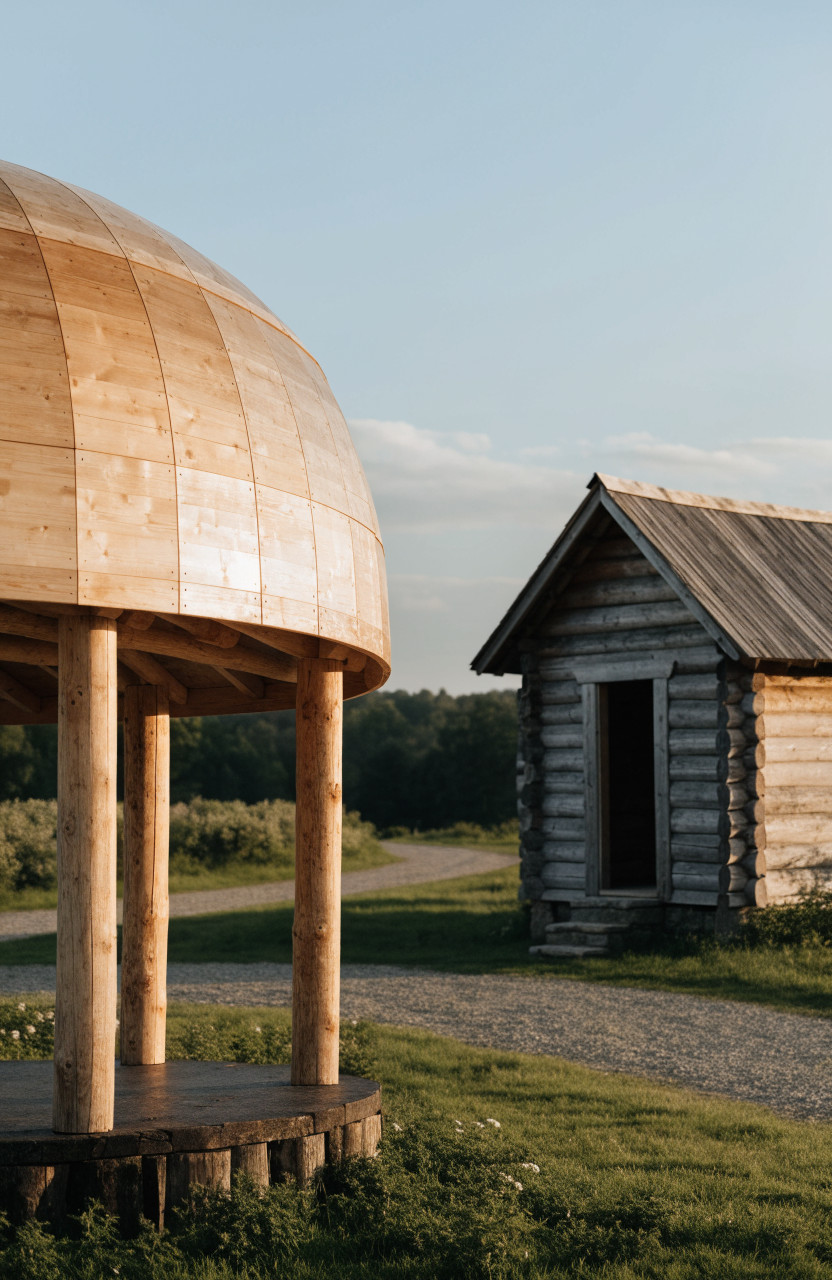
Domes often have large windows and are booked for views and stargazing. Glass or clear panels can make them hot in direct sun and cold after dark unless heating and shade are sorted. Confirm both before you book one for a first stay.
Bell tents, tipis, and shepherd’s huts sit at opposite ends of the same lesson. Bell tents and tipis are often the cheapest and the most camping-adjacent. Shepherd’s huts and vintage trailers are compact, usually heated, and easier if you want walls and a proper bed without a large tent.
Treehouses are the splurge. They photograph well and often cost more — a UK median start around £171 in that 2026 set — but access, heating, and bathrooms are inconsistent. Save them for a second trip unless the listing is explicit about stairs, heat, and a private toilet.
Read the Listing Before You Pack
Photos show the bed and the view. The stay is decided by six details that listings sometimes bury.
Bathroom. “Access to facilities” and “close to amenities” usually mean a shared block. “Ensuite” or “bathroom inside” means you do not go outside at night. Private external bathrooms — a hut for your unit only — are a reasonable middle ground if the path is short and lit. Composting and cassette toilets can be clean and private; they are not the same as a flush toilet. If a photo set never shows the bathroom, ask.
Bed and linens. Confirm mattress size, whether sheets and pillows are included, and the real occupancy. “Sleeps four” can mean a double and two camping mats. Some sites ask you to bring towels or a sleeping bag liner.
Power and heat. Electricity can mean a reading lamp and one outlet, or it can mean a full kitchen. Heating might be a wood stove you have to run, an electric heater, or nothing outside peak summer. Ask who supplies firewood and whether fuel is included. Air conditioning is uncommon outside hot-climate resorts.
Cooking and water. A kitchenette, a shared camp kitchen, a fire pit, and “bring your own stove” are different trips. Check drinking water, a fridge, and whether the grill is gas or charcoal.
Distance. Distance from parking, from the bathroom, and from the nearest food matters more than the view. A dark walk with children or in rain is the detail people regret not checking.
Weather policy. Canvas leaks less when it is maintained, but heavy rain, wind, and hard frost still change the trip. Look for a cancellation or relocation policy if the structure is seasonal.
Message the host if any of those are vague. Useful questions are specific: Is the toilet inside, or do I walk outside? Are sheets and towels included? What is the heating, and is fuel included? How far is parking? Is there cell service?
What to Pack, and What to Leave at Home
Pack for time outside, not for building a campsite. Even a comfortable unit puts you in weather for meals, walks, and the gap between sunset and whenever the heater catches up.
Bring layers: a warm mid-layer, a rain jacket, and something to sleep in. Temperatures drop after dark in most glamping locations, including summer. Add sturdy shoes for trails and slip-on shoes for the unit. Toiletries are often not provided, so pack soap, sunscreen, insect repellent, any medication, and a small first-aid kit. A headlamp is worth the space even when the listing mentions lighting — paths and power cuts do not care. A power bank covers limited outlets. If you are self-catering, bring food for the first night so a late arrival does not depend on a closed shop.
Leave the tent, sleeping pad, camp stove, and hatchet unless the listing tells you to bring them. Many sites already have chairs, cookware, and a fire pit. Extra bedding is the exception: if reviews mention thin blankets, a compact throw or liner is reasonable. Earplugs help on sites where units are close together. Flip-flops help if the shower is shared.
Do not overpack “just in case” camping gear. The point of the first trip is to see whether you like the place without managing a car full of equipment.
What the First Night Is Like
Arrival is usually simpler than camping. You check in, get a short tour of the unit and the site rules, and unpack a bag. Firewood, parking, quiet hours, and where to put trash are the details worth hearing once.
After dark, the unit cools faster than a house. A wood stove heats a space unevenly and needs tending. An electric heater is simpler and sometimes less powerful. Sleep in layers the first night rather than assuming the bedding matches the forecast.
Bugs depend on season and standing water. Repellent and a closed door or zipped tent beat any gadget. In rain, a platform and a good awning matter more than the photos suggested. Mud is normal; a mat by the door keeps it out of the bed.
Noise is the other surprise. Canvas carries voices, and some sites place units closer than the wide-angle photos imply. If sleep is the priority, book a freestanding unit with distance stated in the listing, not a festival-style field of bell tents.
Two or three nights is a better first length than one. The first evening goes to arrival and figuring out the kitchen or the stove. The second day is the actual stay.
What It Costs
Price follows privacy, plumbing, and season more than the shape of the structure.
In the United States, private-campground pricing data from early 2026 put glamping at a median of $145 a night, with domes, wagons, and treehouses tending higher and bell tents lower. National-park and resort locations often sit well above that. In the UK, the 2026 directory median start was £110, with yurts and bell tents cheaper on average and safari tents and treehouses higher. Weekend and summer rates move more for glamping than for ordinary tent sites.
Add the costs listings exclude: extra guests, firewood, breakfast or a camp meal, hot-tub fees, pet fees, and sometimes towels or parking. A cheap bell tent plus paid firewood, a long drive, and meals out can land near the price of a simpler pod with a kitchen.
Minimum stays of two or three nights are common on weekends. That is worth knowing before you compare a per-night rate with a one-night cabin.
First Glamping Trip Fixes Before You Book
A first glamping stay usually goes wrong at the booking stage, so each problem points back to what the listing should have told you.
| What you notice | Why it happens | What to do |
|---|---|---|
| Long walk to a shared toilet | Booking from the photo instead of checking the floor plan | Read the floor plan, since a view dome with a shared toilet differs from an ensuite pod. |
| Furnished stay with almost nothing provided | Assuming furnished means hotel-ready when it may mean a bed and kettle | Check what furnished includes; it can mean a bed, two mugs and a camping kettle. |
| Cold nights in spring or autumn | Shoulder season exposes weak heating that the listing may not describe | If insulation and a heat source are not listed, make summer the first test. |
| Unprepared for wet ground, dark and meals | Treating glamping as camping with decor and skipping the basics | Bring shoes that can get wet, a light for night and a food plan, but no full camp kit. |
| Stay feels harder than expected | A remote off-grid site with limited water, power and help nearby | Save off-grid stays for a second trip and choose an easier site for the first. |
How to Book the First Stay
Start with the non-negotiables. For most beginners those are a real bed with linens, a heat source in any season except high summer, and a bathroom you are willing to use at 2 a.m. Electricity is next if you need a phone, a medical device, or a simple meal.
Then filter by group. Couples can use a smaller pod, hut, or dome. Families do better with solid walls, a private or very close bathroom, and enough floor space that bedtime is not a negotiation. Groups need the occupancy rules in writing, not a sofa bed implied by the photos.
Search platforms and specialist glamping sites both work. Read recent reviews for heat, bathroom distance, noise, and cleanliness rather than for the view. Message the host with the bathroom, linen, and heating questions before you pay a non-refundable deposit.
If the answers are specific, book two or three nights in a season the site actually heats or cools for. If the answers are vague, pick another listing. The first trip should answer whether you like sleeping outside. It should not be a test of how well you cope with a surprise composting toilet in the rain.
Questions Beginners Ask
Do glamping tents have bathrooms? Some do, inside the tent or in a private hut beside it. Others use a shared bathhouse. The listing has to say which. If it only says facilities are available, assume they are shared and ask how far they are.
Is glamping suitable if you have never camped? Yes. That is the usual reason to book it. You skip pitching, guy lines, and sleeping on the ground. You still deal with weather, insects, and simpler kitchens than a rental house.
What should a first packing list include? Layers, a rain jacket, walking shoes, slip-ons, toiletries, sunscreen, insect repellent, medication, a headlamp, and a power bank. Add food if meals are not provided. Check linens and towels before you add bedding.
How long should the first trip be? Two or three nights. One night is mostly arrival and packing again. A week is a large commitment before you know whether canvas and a wood stove suit you.
Is glamping still camping? Only in the broad sense that you are sleeping on a managed outdoor site instead of in a hotel. You are not bringing or pitching the shelter. People who want that skill should camp, or treat glamping as the comfortable introduction and camp later.