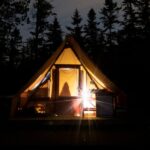
A comfortable car camping setup rests on three things: sleep, food, and a legal place to park. Get those right and everything else is a bonus.
This article explains what car camping actually involves, then works through an essential gear checklist, how to choose between dispersed land, state parks and campgrounds, and sleep options inside the car or in a tent beside it. It also covers comfort upgrades worth the money, a simple camp kitchen, and safety notes on weather, food storage and staying warm.
What Car Camping Really Means
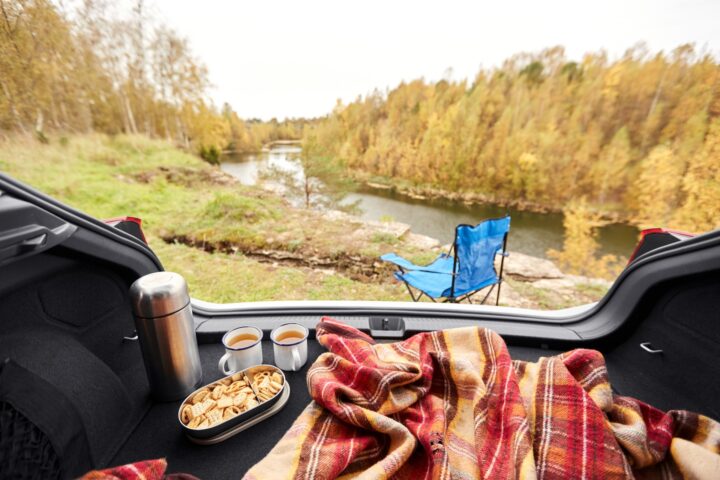
Car camping means you use the vehicle as the main transport and often as part of the shelter. Some folks drive to a developed campground, pitch a tent next to the car, and treat the trunk like a storage locker. Others fold the rear seats and sleep inside. A few mount a rooftop tent. The common thread is simple: the car does the heavy lifting so you can bring real chairs, a proper cooler, and a thicker mattress.
Think of it as the opposite of backpacking. In backpacking every item earns its weight. Here the trunk or cargo area handles the load. You can pack a two-burner stove and still have room for camp chairs. That flexibility is why the Dyrt’s recent reports show so many people preferring vehicle-based nights. It works for families, solo travelers, and anyone testing the outdoor waters.
The term gets used loosely. Some people call any drive-up site car camping even if they never sleep in the vehicle. The practical version used here keeps the car central to how you rest and cook. That keeps the definition useful instead of vague.
Essential Gear to Always Pack
Keep a running list on your phone and refine it after every trip. The core stays the same. Start with shelter and sleep, then kitchen, then the comfort extras the car can actually carry.
For sleep, bring a thick pad or a vehicle-specific mattress. A standard roll mat works in a pinch, but a wider, thicker option makes a huge difference. A basic foam pad in the back of an SUV can leave you with a stiff neck after one night, which a dedicated SUV mattress avoids. Pair it with a sleeping bag rated at least 10 degrees below the expected low and a real pillow from home. The car can handle the bulk.
Kitchen gear is where car camping shines. A two-burner propane stove like the Coleman classic sits on a folding table and handles eggs and coffee at the same time. A hard-sided cooler, usually a 45-quart size, and a water jug that holds at least four gallons cover cold storage and water. Cast-iron griddle, basic cook set, and biodegradable soap round it out. You do not need fancy gadgets on the first trip.
Comfort items fill the remaining space. Camp chairs that actually recline. A headlamp and a lantern. A small power station for phones and a fan on hot nights. A multi-tool and a compact jump starter earn their place too, since dead batteries happen whenever someone leaves the lights on.
Organize everything in clear bins. Heavy stuff low. Kitchen bin last so it comes out first. If the cargo area fills up, a roof box handles the overflow and spares you from digging for the stove at dusk.
Prechill your 45 quart cooler with frozen jugs overnight, so store bought ice lasts through two burner breakfasts without soupy melt.
Car Camping Setup Checklist
The sleep, kitchen, comfort and safety gear from this guide on one card. Tick as you load, then print a copy for the glove box.
What to pack
Sleep
Kitchen
Camp comfort
Safety and vehicle
Organization
Before you go
- Confirm overnight rules for your site. Day-use lots, trailheads and overlooks are off-limits.
- Screenshot your booking and download offline maps for areas with no signal.
- Test the whole setup with one night in the driveway.
- Prechill the cooler overnight with frozen jugs.
- Load heavy bins low and the kitchen bin last, so it comes out first.
Never run the engine for heat Carbon monoxide builds up while you sleep. Use layers, the bag and a hot water bottle.
Airflow Crack two windows on opposite sides about an inch to stop condensation.
Choosing Where to Go for Car Camping
Location decides half the experience. Developed campgrounds give you toilets, water, and a designated pad. Most national and state parks run these. Fees usually sit between $15 and $35 a night. Book early on recreation.gov for popular spots. Sites fill months ahead in summer.
Dispersed camping on Forest Service or BLM land stays free and quieter. You park on existing bare ground, stay one vehicle length from the road, and pack out every scrap. Apps like The Dyrt and onX help locate legal pullouts. These spots suit anyone after solitude, but always check fire restrictions and toilet rules first. Some areas require a portable system now because impact has grown.
State parks allow overnight stays only in marked camping sites. Day-use lots and trailheads are off-limits, and scenic overlooks usually count as day-use too. Stay limits vary by state, often 10 to 15 consecutive nights. Always confirm the rules for that specific park.
Pick level ground. A slight slope feels fine until 3 a.m. when you slide off the pad. Face the tent or car opening east if you can. Morning sun dries condensation. Stay a short walk from the bathrooms to avoid constant foot traffic and door noise. Sites with some tree cover give shade without blocking the view completely.
Sleep Setups That Keep You Resting Well
Sleep makes or breaks the trip. Inside the car works best for quick nights or bad weather. Fold the seats flat. Add a platform if you want storage underneath. Vehicle mattresses from brands like Luno cut to fit the cargo floor eliminate the lumps from seatbelts and wheel wells. Crack two windows on opposite sides an inch for airflow. Condensation builds fast otherwise.
A tent next to the car gives standing room and more space for gear. A roomy three- or four-person model makes sense even for solo trips, since the extra height lets you change clothes without contortions. Pitch it on the flattest pad, stake it properly, and use a footprint. On cold nights the car still serves as the warmest backup.
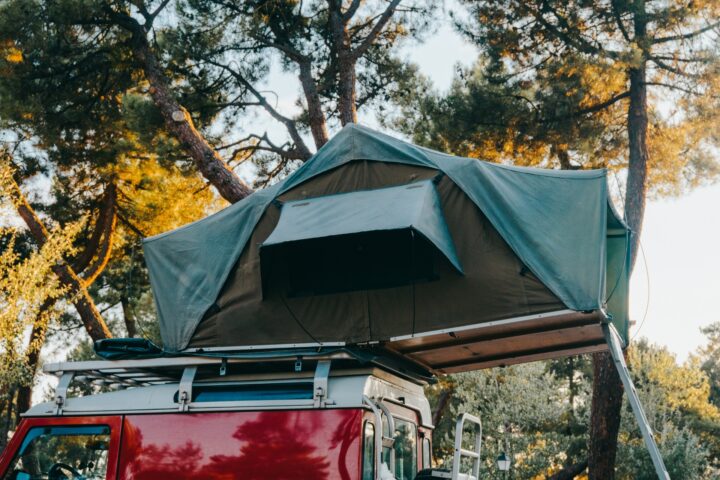
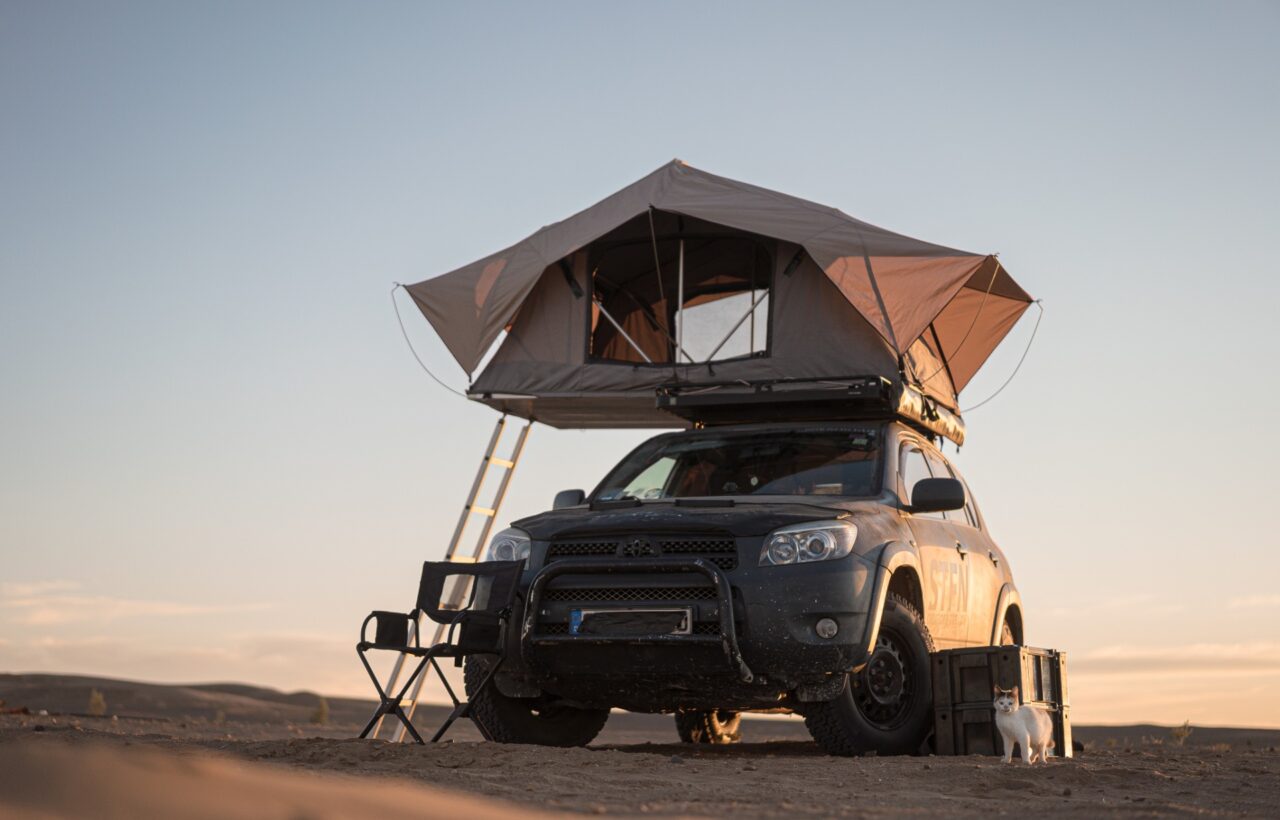
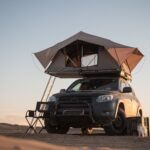
Rooftop tents sit above everything. They need a rated roof rack and attention to dynamic versus static weight limits. Many SUVs need an aftermarket rack before a rooftop tent can go on safely. The view is excellent, but setup takes longer and the ladder can feel awkward in the dark.
Whatever you choose, test the system at home first. Spend one night in the driveway. You will find the gaps before you are miles from a store, such as a mattress pump that needs a different adapter. Ten minutes of driveway testing saves an hour of frustration later.
Keep a headlamp and shoes in the rooftop tent loft, as midnight ladder climbs cause most slips when groggy and unlit.
Comfort Tricks That Actually Help
A better mattress tops the list. Spend the money there before upgrading the tent. Memory foam or hybrid air-foam models turn the cargo area into something close to a real bed. Add flannel sheets, a packable comforter, and a temperature-rated bag. Wool base layers regulate heat and resist odor better than cotton. Pack a beanie and thick socks even in summer because nights drop fast.
Ventilation matters. Mesh window screens let air move while keeping bugs out. A small clip-on fan runs off a power bank and stops the stuffy feeling. Lights change the mood too. A rechargeable lantern on the table and string lights under the hatch make the space feel lived-in instead of temporary.
Temperature control stays simple. Never run the engine for heat while sleeping. Carbon monoxide risk is real. Use the sleeping bag, hot water bottle in the foot of the bag, and layers instead. In hot weather park in shade when possible and keep the windows cracked with screens.
A summer bag on a below-freezing night can leave you shivering by 2 a.m. Check the forecast low and pack one bag rated colder than needed. The extra bulk fits easily.
Camp Kitchen and Simple Meals
Cooking becomes fun when the car carries the weight. A two-burner stove handles most meals. A griddle for pancakes or quesadillas and a basic pot for boiling water cover the rest. Plan meals at home so you buy only what you need. Pre-chop vegetables and portion proteins. The cooler stays organized longer that way.
Water is non-negotiable. Bring more than you think. One gallon per person per day covers drinking, cooking, and basic washing. A jug with a spigot beats repeated trips to a distant faucet. For cleanup, set up two bins: one soapy, one rinse. Biodegradable soap and a quick dry with a towel keep things tidy.
Food storage follows Leave No Trace. Keep everything in the car or a hard cooler at night. In bear country follow local rules strictly. Even a bag of chips left on the picnic table for a minute can draw a raccoon. The car is the safest pantry.
Store biodegradable soap 200 feet from water sources even at drive up sites, then scatter strained dishwater broadly.
Safety Notes for Car Camping
Legal parking comes first. Confirm overnight rules before you settle in. Apps help, but a quick call to the ranger station removes doubt. Never sleep in a day-use area. The ticket is not worth the convenience.
Carbon monoxide is the quiet risk. Never leave the engine running with windows closed. A portable CO detector costs little and gives peace of mind. Keep a basic first-aid kit, flashlight, and physical map. Cell service drops in many spots.
Weather changes fast. Check the forecast the morning you leave and pack layers anyway. A sudden cold snap or wind can turn a comfortable night miserable. A small emergency kit with extra batteries, a multi-tool, and a jump starter belongs in the same bin every trip.
Leave the site better than you found it. Pack out all trash, including food scraps. Extinguish fires completely. The next person should not know you were there.
Rangers issue tickets nightly for day use overnight stays, with fines often exceeding $100 in state parks.
Frequently Asked Questions
What do I need for basic car camping? A sleeping pad or mattress, sleeping bag, pillow, two-burner stove with fuel, cooler, water, camp chairs, and lights cover the essentials. Everything past that is comfort the car lets you add.
Can I sleep inside the car instead of a tent? Yes, and many people prefer it for speed and warmth. Fold the seats, add a proper mattress, and crack the windows. Check site rules first because a few still require a tent on the pad.
Is car camping good for beginners? It is the easiest entry point. You drive to the site, keep the car as a safety net, and bring real comfort items. Start with a developed campground that has toilets and water.
How do I stay warm during car camping? Use an insulated pad with a solid R-value, a bag rated colder than the low, and wool layers. A hot water bottle in the foot of the bag helps. Never rely on the car heater overnight.
Where is car camping allowed? Developed campgrounds in parks and forests, plus legal dispersed areas on public land. Always verify local rules. Day-use lots and most trailheads prohibit overnight stays.
Car camping keeps the barrier low and the payoff high. A first trip often feels clumsy, and each one after gets smoother as the bins get labeled and the mattress gets dialed in. You do not need perfect gear or a custom build. You need a legal spot, a solid sleep system, and the willingness to adjust after the first night. Load the car, pick a site, and go. The stars and the quiet mornings take care of the rest.