
The sun is down, the stove lighter is somewhere under three duffels, and you are pulling half the cargo area onto the ground to find it. These 15 car camping storage ideas are aimed squarely at that moment.
Most rely on inexpensive organizers, bins, hooks and bags, and several use items you may already own. Nothing here is fancy. The point is quick access, a fixed home for every item, and less frustration once it gets dark.
1. Over-the-Seat Shoe Organizer
Hang a basic over-the-door shoe organizer on the back of the front seats. The mesh pockets hold flashlights, snacks, chargers, sunscreen, and maps. Everything stays visible and off the floor.
Versions like the Gorilla Grip run about $15, with 24 pockets, and stay put even on bumpy forest roads. No more dumping the entire glove box at dusk.
Giving small items fixed pockets can noticeably cut setup time.
2. Tension Rod with S-Hooks
A spring-loaded tension rod, often under $10 at Walmart, spans the width of most trunks. S-hooks hang from it for lanterns, jackets, snack bags, and the first-aid kit.
The bins underneath stay clear. You reach up instead of digging down. A well-fitted rod can last several seasons without slipping.
Keep the hooks in a small pouch so the whole thing sets up in under two minutes.
Face S hook openings toward the rear hatch and wrap tips with electrical tape so lanterns and snack bags stay put on washboard roads.
3. Command Hooks on Walls and Ceiling
Command hooks stick to interior plastic and fabric without leaving marks. Use them for hats, towels, keys, sunglasses, and small gear pouches.
They come off clean when the trip ends. A four-pack runs about $6 and gives you eight hanging spots.
A wet dish towel hung from one overnight can dry by morning without dripping on the sleeping pad.
4. Stackable Hard-Sided Bins
Rubbermaid ActionPacker 35-gallon boxes make dependable workhorses. Each one costs around $45 and shrugs off drops, rain, and dirt.
Assign one to kitchen gear, one to tools and recovery items, and one to clothing. They stack tight and the latches keep everything inside during hard turns.
On a muddy trip near Bend, Oregon, these bins stayed clean while the rest of the car looked like a disaster.
5. Clear See-Through Plastic Bins
Clear bins show what is inside without opening lids. Medium-sized ones from Target run about $8 to $12 each.
Cooking tools go in one. Dry food stays in another. You can spot the right bin from the hatch and grab it in seconds.
This beats opaque totes every time. No more guessing which black box holds the coffee.
6. Magnetic Spice Tins
Empty regular spice jars into small magnetic tins. They stick to the inside of metal door panels or the side of the cooler.
Salt, pepper, garlic powder, and chili flakes sit right where you cook. No bulk, no searching.
A set of six tins costs around $12 online. Labeling them with a permanent marker keeps the system foolproof.
7. Roof Cargo Bag or Box
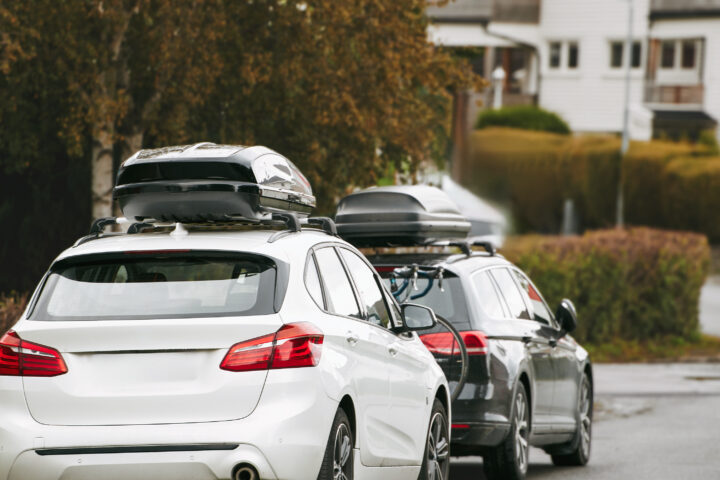
When the trunk fills up, strap a waterproof cargo bag (around $40) to the factory roof rails. Sleeping bags, pillows, and extra clothes go up top.
It frees the entire rear floor for bins and the cooler. The bag stays weatherproof even in light rain.
Cinch the straps tight and check them at stops, especially on windy mountain passes.
8. Two-Bin Kitchen System
One clear bin holds the stove, skillet, utensils, oil, and foil. The second holds the collapsible basin, soap, sponge, and trash bags.
Both came from Target for under $40 total. They stack and pull out as a ready-to-cook unit.
Keeping dirty cleanup gear apart from clean cooking tools speeds things up. Setup takes only a few minutes once the bins hit the picnic table.
9. Seatback Organizers
A simple seatback organizer hangs behind the passenger seat. Pockets hold the headlamp, notebook, snacks, and charging cables.
Everything stays reachable from the driver’s seat without twisting. The organizer costs about $20 and folds flat when not needed.
On solo trips this becomes a handy daytime command center.
10. Compression Sacks for Soft Gear
Compression sacks shrink sleeping bags, jackets, and extra clothes to half their normal size. Sacks around 20 liters in different colors keep contents easy to identify.
Green for sleeping gear. Yellow for clothes. They stack neatly between the hard bins.
Compressing bulky winter layers can free enough room for a second water jug.
11. Color-Coded Dry Bags
Bright 10- to 20-liter dry bags work well for food and daily items. Orange holds breakfast. Blue holds dinner. Red holds snacks.
You know exactly which bag to grab without reading labels. They also keep contents dry if the cooler leaks.
That protection pays off on rainy weekends, when a leaking cooler could otherwise soak dry goods like pasta.
12. Dedicated Sealed Trash Container
A vacuum-seal food container or a lidded bin keeps trash smells locked in. Line it with a grocery bag and empty it daily.
Mine is a Better Homes & Gardens Flip-Tite style that cost under $10. It sits near the hatch for easy access.
No more open bags attracting ants or stinking up the sleeping space overnight.
13. Under-Platform or Modular Drawers
If you build a simple sleeping platform, leave space underneath for shallow drawers or sliding bins. Plastic drawer units around $25 each fit well.
One drawer holds tools and recovery gear. The other holds clothing. Full-extension slides let you pull everything out without crawling.
This keeps the sleep surface clear and the heavy items low for better vehicle balance.
14. Collapsible Gear Boxes
Collapsible boxes like the Rux 70L fold flat when empty and expand when full. They work for mixed gear that changes trip to trip.
Load kitchen overflow or camp chairs into one and collapse it for the drive home. The handles make carrying easy.
At around $100 it is pricier than basic bins, but the flexibility pays off on multi-stop trips.
15. Layered Packing by Access Priority
Load the car in reverse order of need. Sleeping gear goes deepest. Kitchen and chairs sit closest to the hatch. Daytime items live in door pockets and seat organizers.
Heavy bins stay on the floor. Soft gear rides higher. This layout means you unpack only what you need on arrival.
Packed this way, there is no need to move a sleeping bag just to reach the stove.
These 15 car camping storage ideas grew out of real messes and real fixes. None of them require a full vehicle build. Most cost less than a nice dinner out.
Frequently Asked Questions
What are the cheapest 15 car camping storage ideas that still work well? Focus on the shoe organizer, tension rod, Command hooks, clear bins, and two-bin kitchen system. You can set all five up for under $80 total and still feel organized.
Do I need a roof rack for extra storage? Not always. A soft cargo bag that straps to existing roof rails works for light bulky items. Hard boxes need a proper rack, but the bag is enough for most weekend trips.
How do I keep food separate from dirty gear? Use dedicated clear bins and color-coded dry bags. One bin for cooking tools only. Another for pantry items. Never mix the two.
Will these ideas work in a small sedan? Yes. Scale down the bin sizes and lean harder on the seat organizers, magnetic tins, and compression sacks. Vertical space becomes your best friend.
How often should I reorganize the system? Reset the bins and hooks before every trip. A five-minute check at home prevents the mid-trip scramble.
Start with three or four of these and add more as you learn your own patterns. Your car will thank you. More important, you will spend less time hunting for gear and more time actually camping.