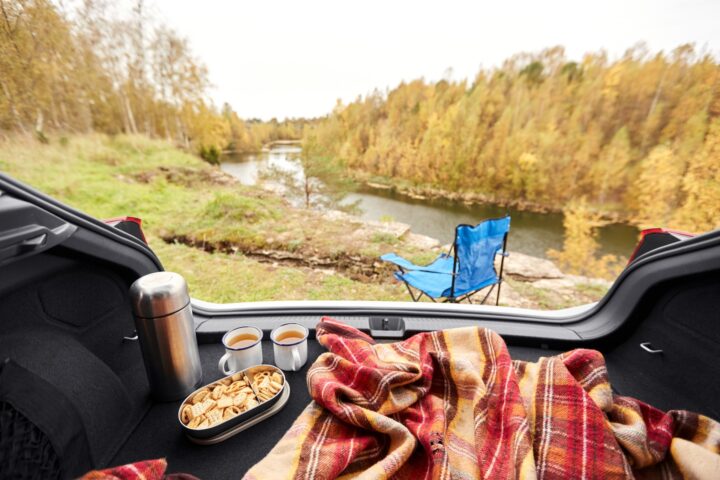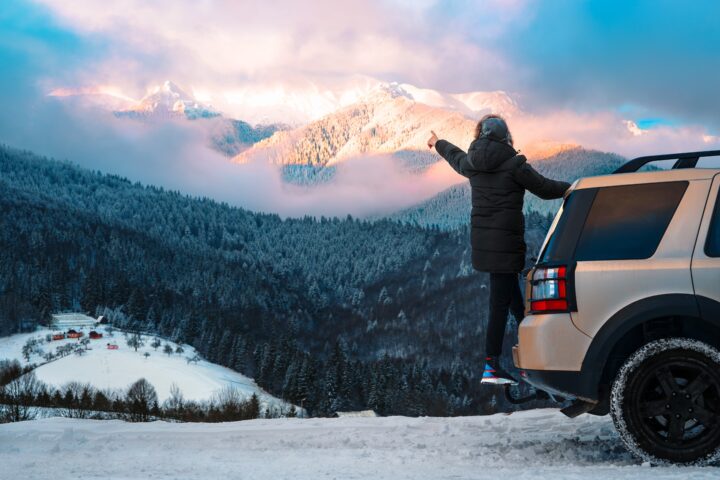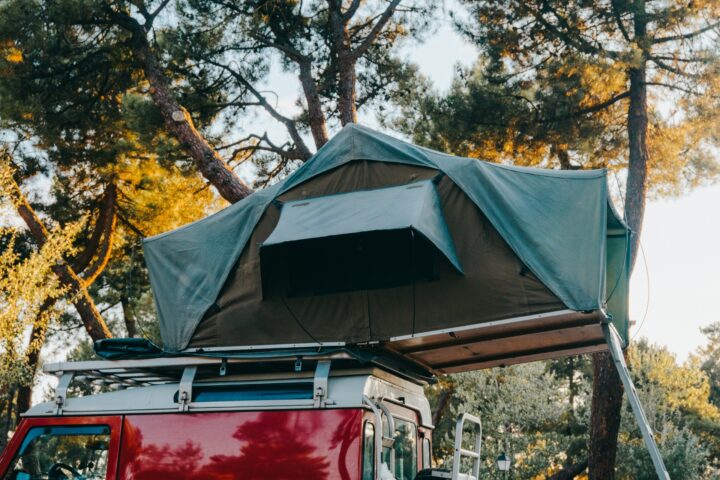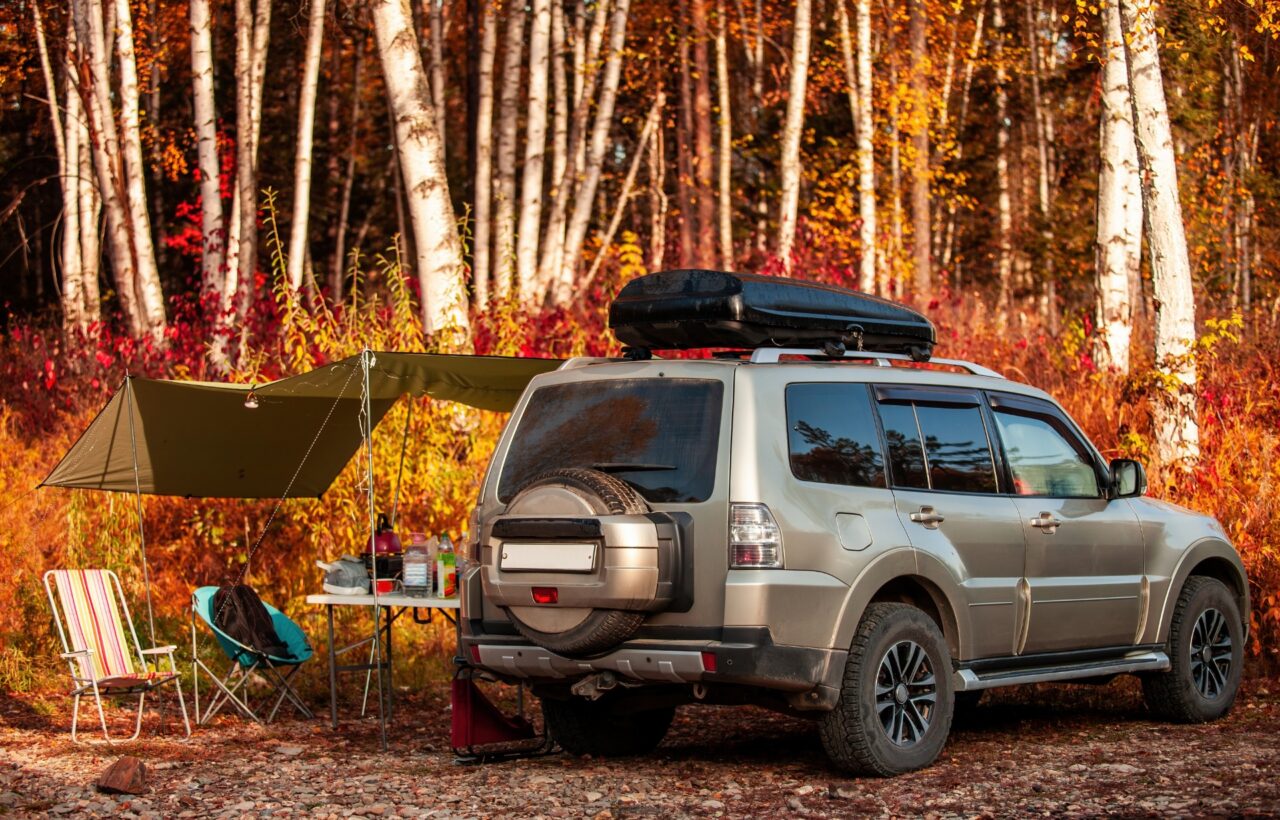
A road trip with the car as your bed works best when every day follows a simple rhythm: drive, find a spot, sleep, pack up and go. These 22 car camping ideas focus on that rhythm, so multi-day trips stay comfortable instead of turning into a grind.
Most are free habits rather than new gear. They cover choosing tonight’s spot, driving days, food and ice on the move, staying clean between showers, laundry, power, safety and the quick routines that get you back on the road each morning.
Getting Started with These 22 Car Camping Ideas
A weekend car camping trip forgives a lot. A week on the road does not, because small annoyances repeat every day until they wear you down. The ideas below are built for living out of the car for several days at a time, moving camp as you go.
1. Scout Tonight’s Spot Before Noon
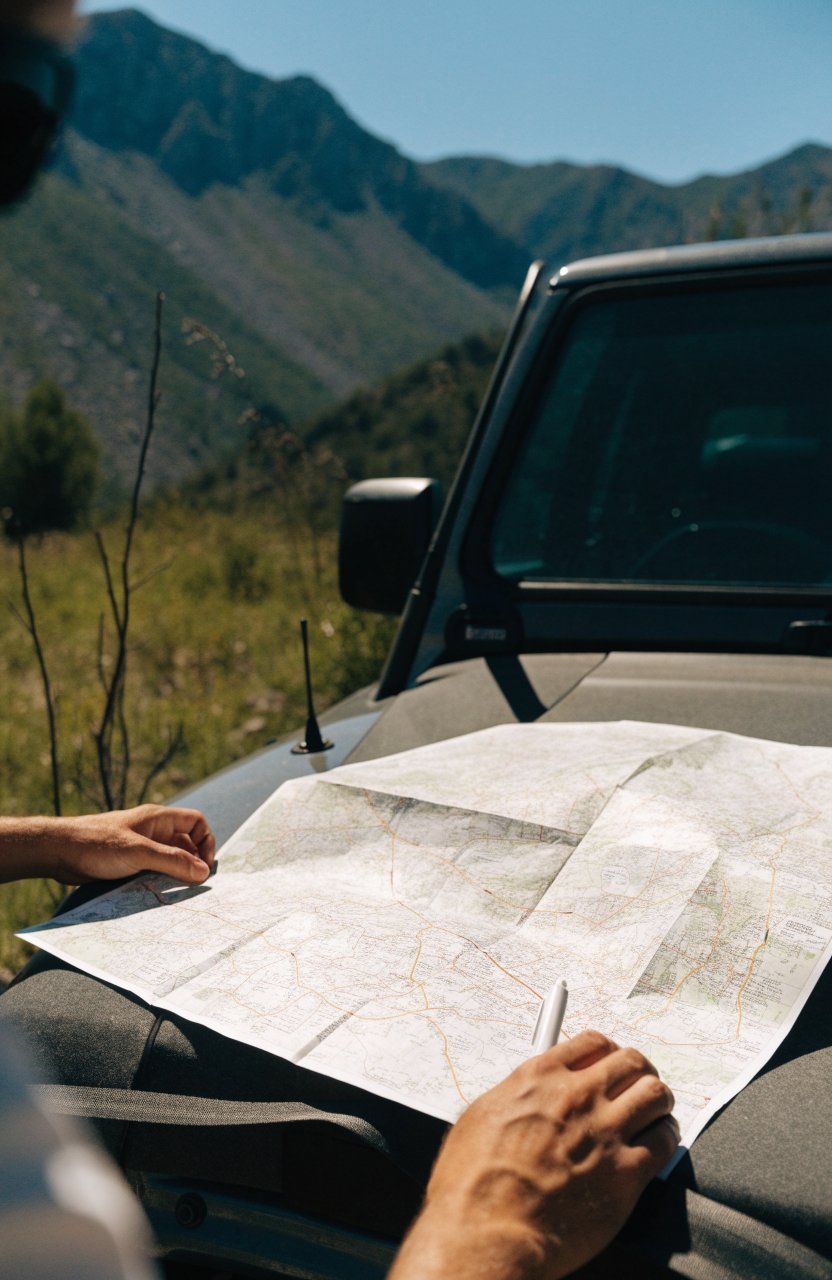
On a road trip, the hardest part of the day is often finding somewhere to sleep. Decide on tonight’s campground or dispersed area by lunchtime, while you still have signal, and pick a backup within half an hour of it. Popular first-come sites fill by mid-afternoon in summer, so a late search usually means a worse spot or more driving in the dark.
2. Pack a One-Bag Overnight Kit
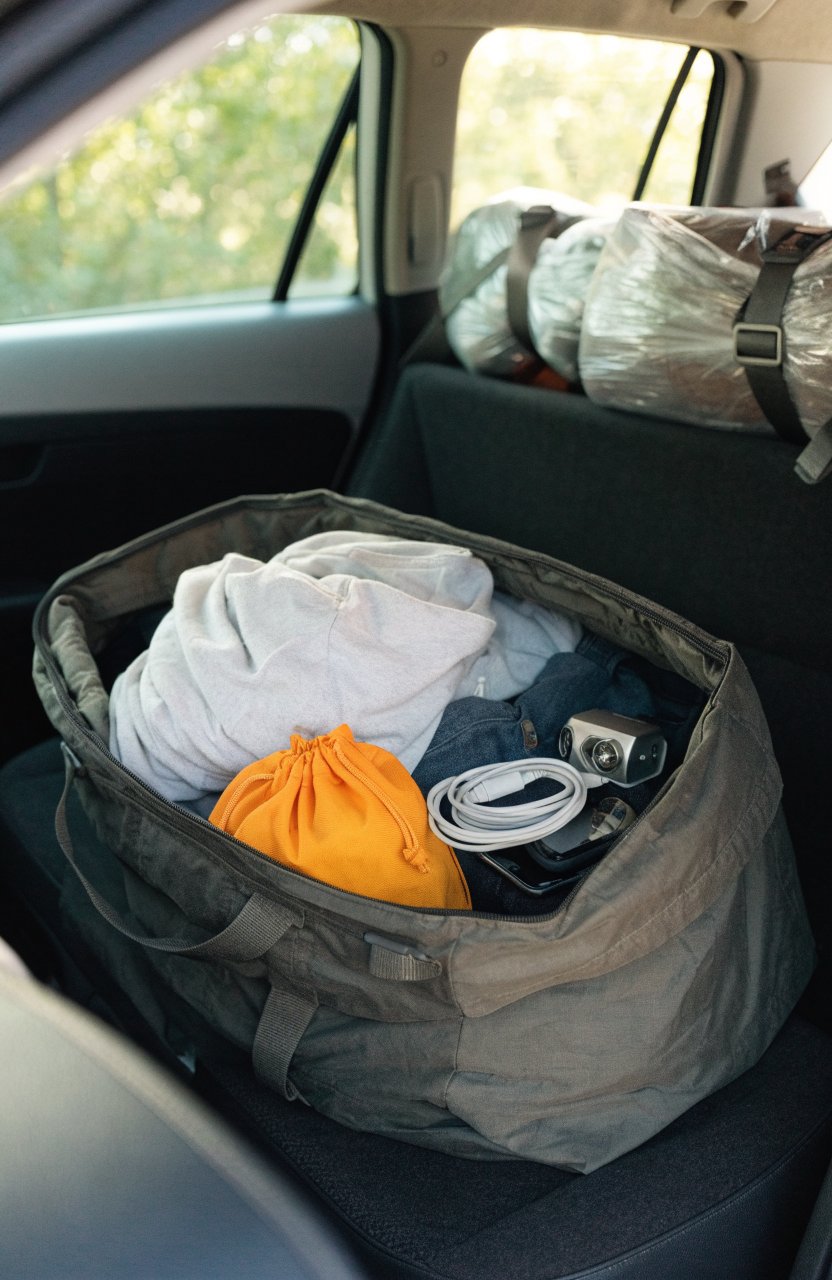
When you move camp every night, unpacking the whole car gets old fast. Keep everything for one night in a single duffel: sleep clothes, toiletries, headlamp, phone charger and tomorrow’s outfit. Pull that bag and the bedding, and the rest of the car stays packed.
3. Stop Driving Two Hours Before Sunset
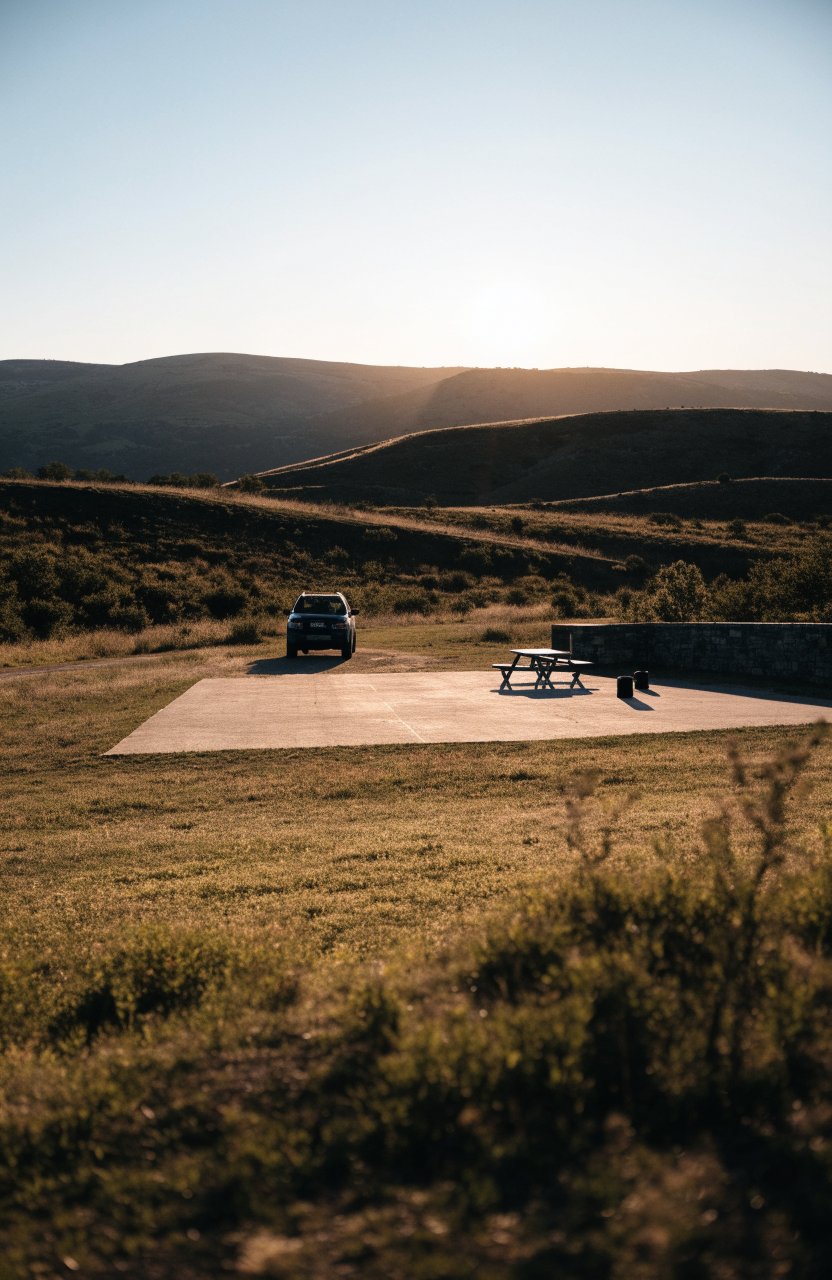
Arriving in daylight makes everything easier: reading site signs, judging flat ground, finding the toilet and making the bed. Plan each day so you stop driving about two hours before sunset. It also gets you off unfamiliar roads before dusk, when wildlife is most active along the shoulder.
4. Break the Drive Every Two Hours
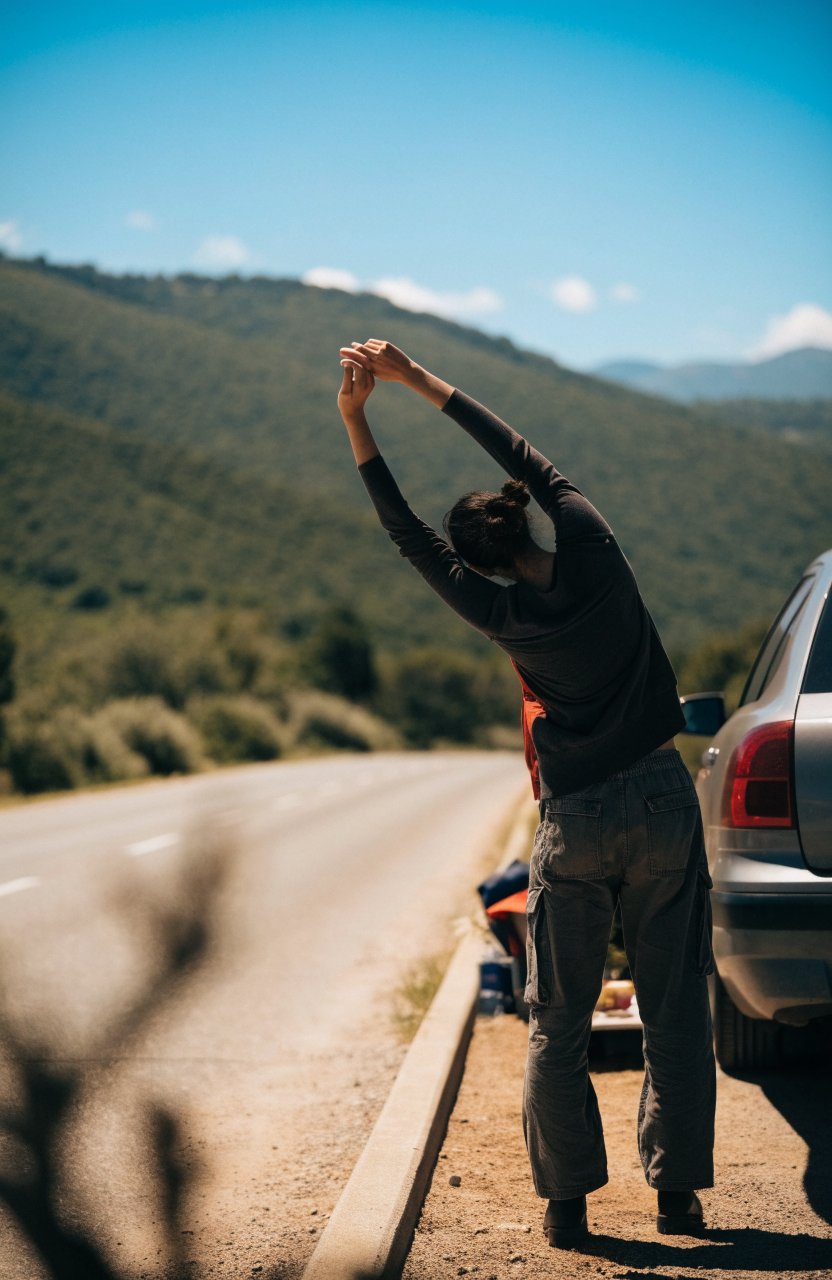
Long days behind the wheel wear you down before you ever reach camp. Stop roughly every two hours to stretch, refill water and swap drivers if you can. Short breaks keep you alert on the road and leave enough energy to set up and cook when you arrive.
5. Keep a Snack Cooler Up Front
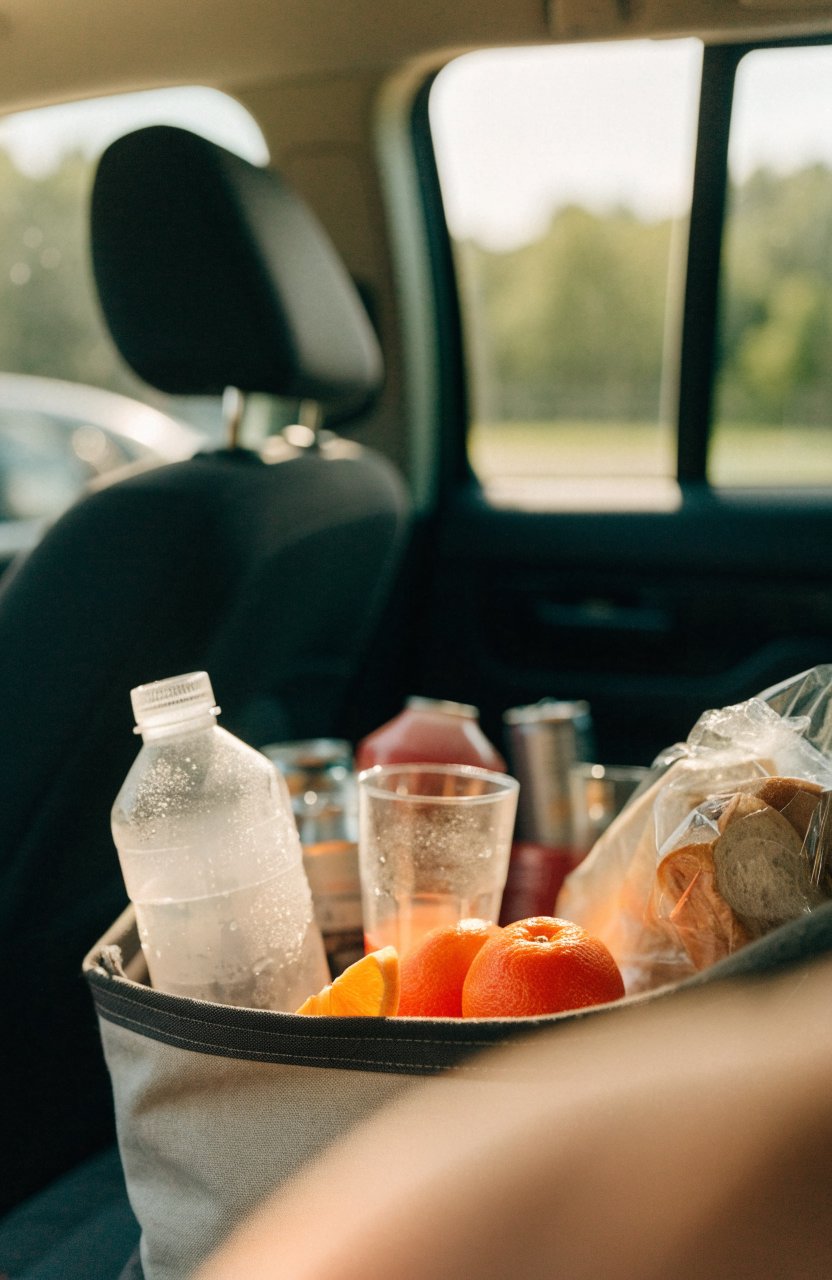
Every time you open the main cooler at a gas station, cold air escapes and the ice melts faster. A small soft cooler on the back seat or passenger footwell holds the day’s drinks, lunch and snacks. The big cooler stays closed and stays colder until camp.
6. Turn Gas Stops Into Reset Stops
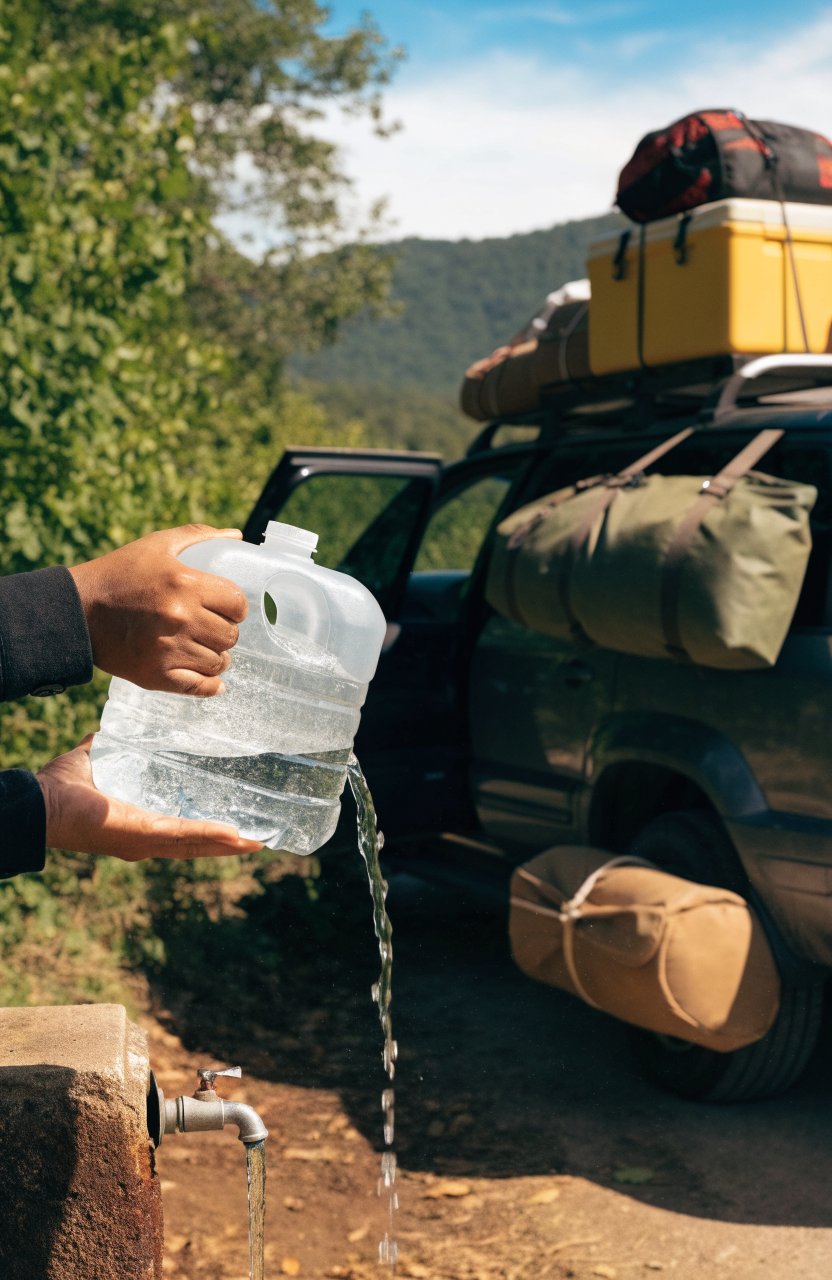
Use every fuel stop for more than fuel. Fill the water jug, throw out the trash, use a real restroom and top up phone batteries while you wait. Five minutes of the same routine at each stop keeps the car from slowly filling with garbage and empty bottles over a week on the road.
7. Restock Ice and Fresh Food Every Two Days
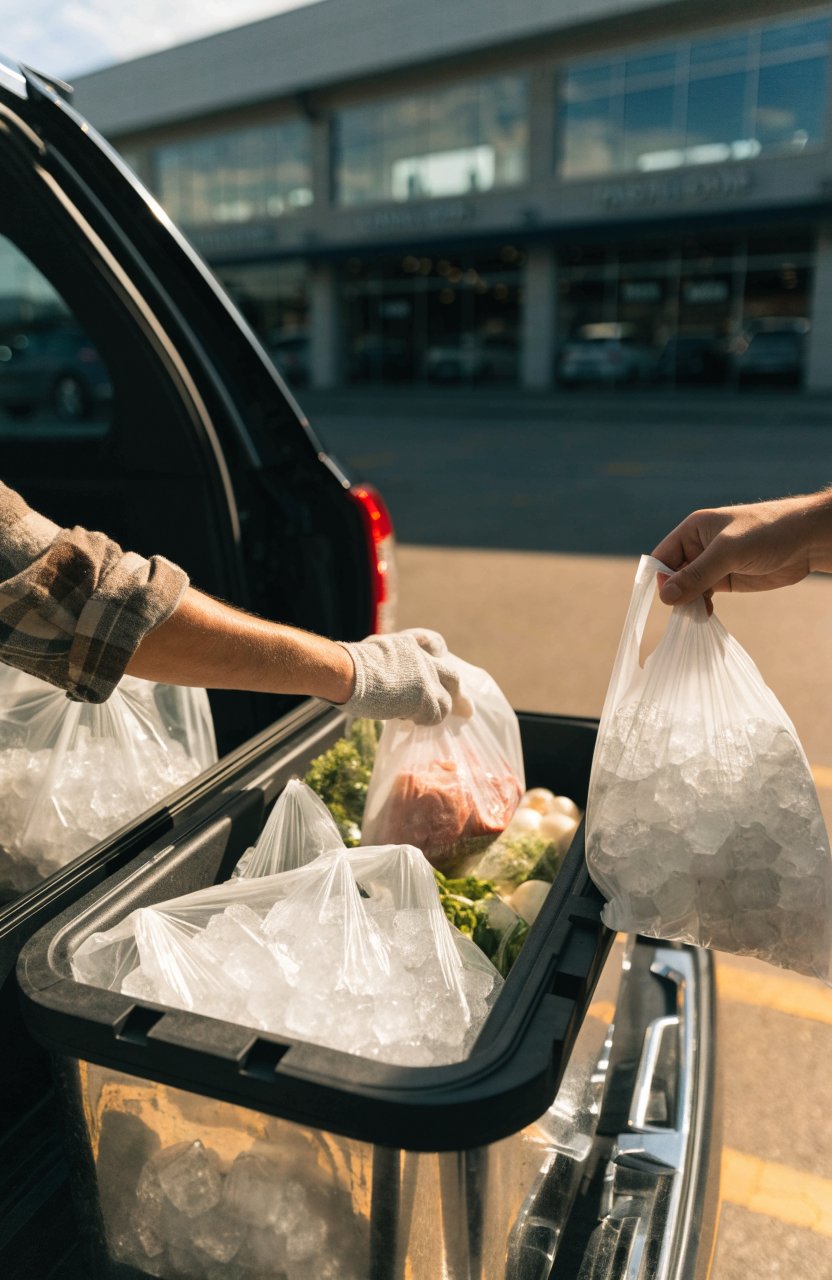
Even a good cooler needs help on a long trip. Plan a grocery and ice stop every two days instead of packing a week of fresh food on day one. Buy what you will eat in the next 48 hours, drain the meltwater each time, and keep raw meat sealed at the bottom.
8. Freeze Water Bottles Instead of Loose Ice
Fill Nalgene bottles three-quarters full and freeze them overnight. They chill the cooler, then become drinking water as they melt. No soggy mess.
Packed this way, a decent cooler can often go two days before the first ice stop.
9. Stay Fresh Between Showers
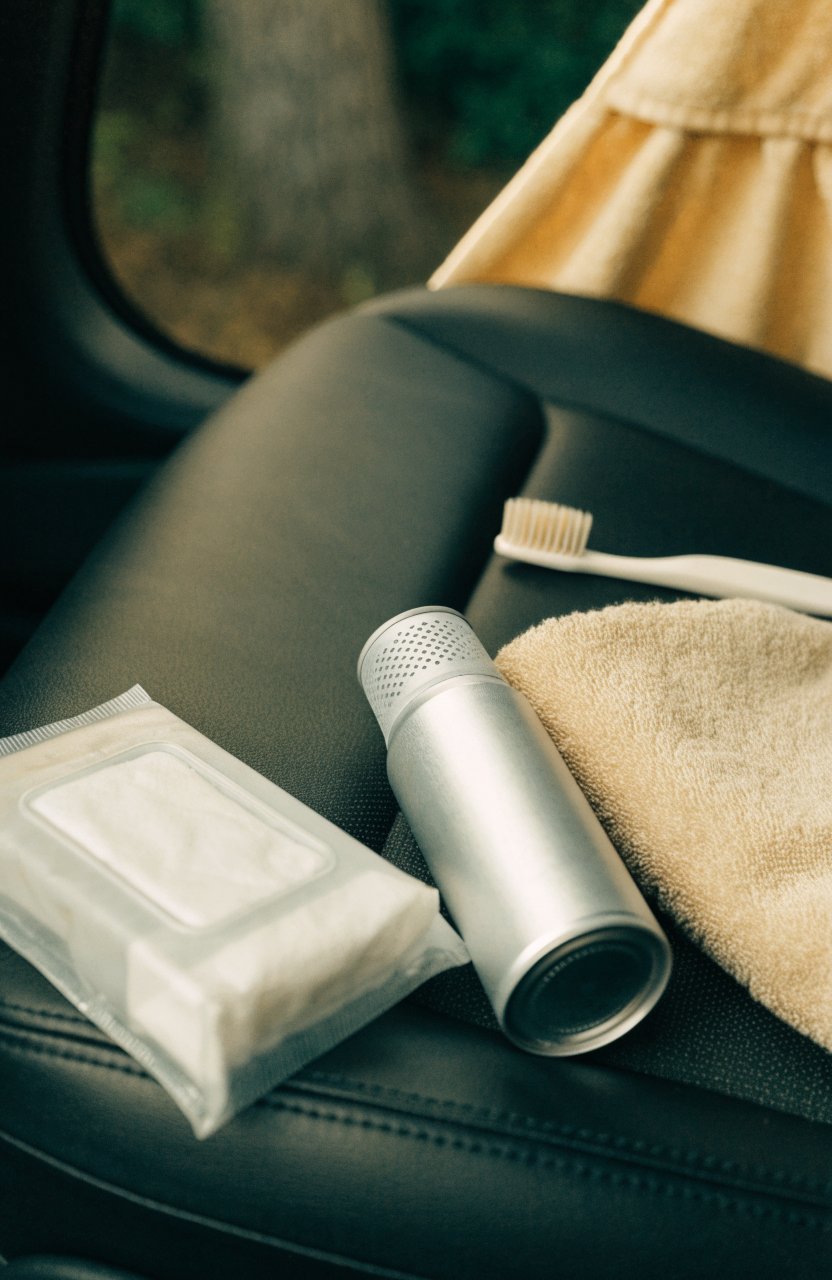
A week of car camping does not have to mean a week of feeling grimy. Unscented wipes, dry shampoo and a quick-dry towel handle the days in between, and many campgrounds, truck stops and community recreation centers sell showers for a few dollars. Look up shower options along tomorrow’s route the night before.
10. Plan Laundry Every Four or Five Days
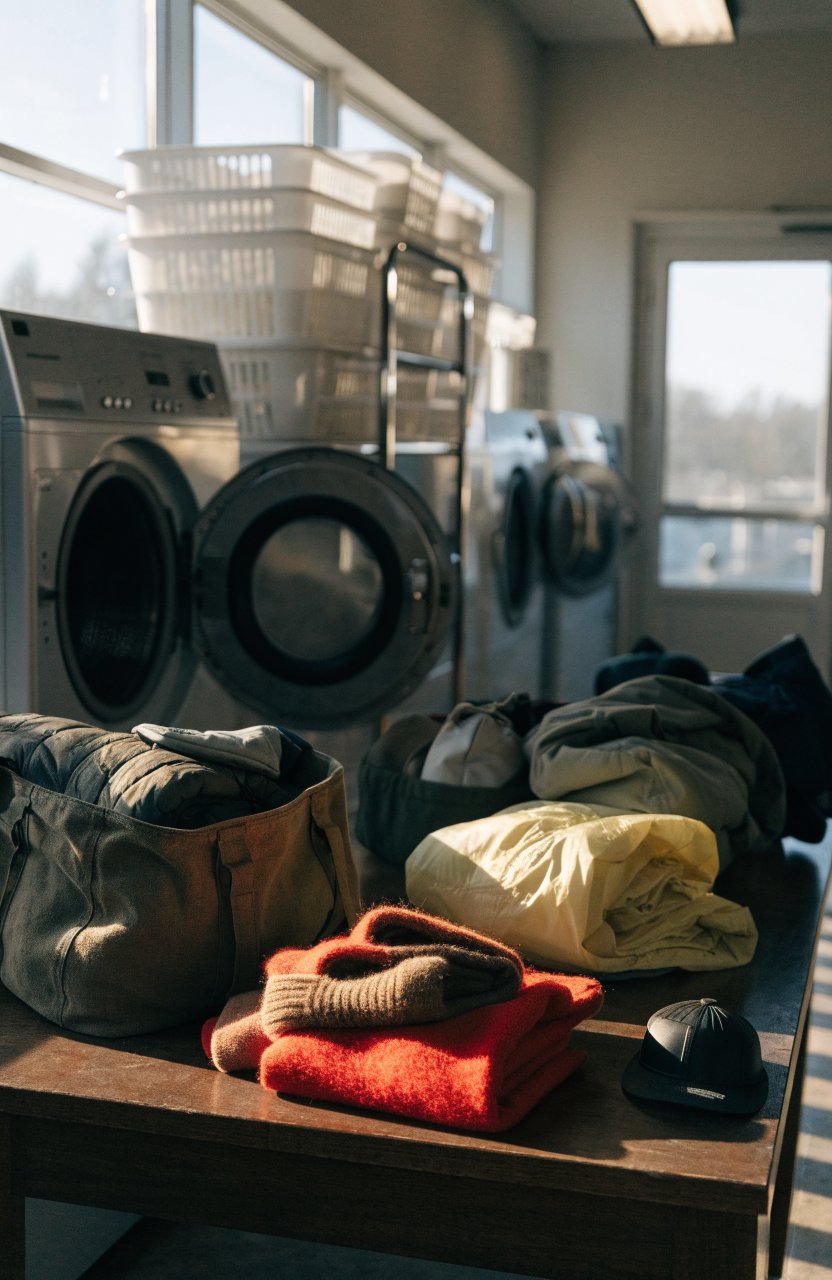
Packing fewer clothes and washing them on the way frees up a lot of space. A laundromat stop every four or five days, timed with a grocery run, resets the whole wardrobe in about an hour. Quick-drying synthetics or wool also mean anything washed in a sink overnight is dry by morning.
11. Download Tomorrow’s Maps Each Morning
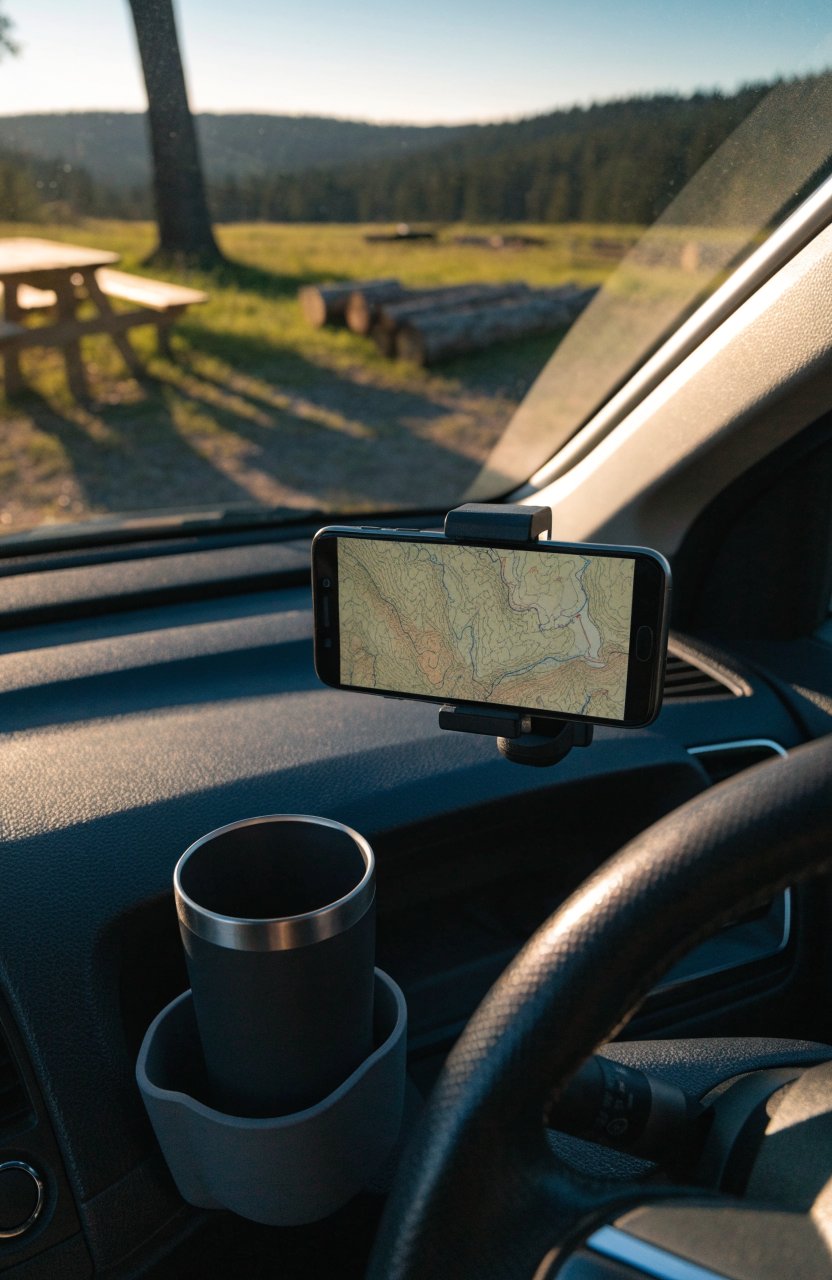
Signal tends to disappear right where the campsites are. Each morning, while you still have coverage, download offline maps for the next day’s route and save the details of tonight’s spot: address, gate hours and the backup option. A screenshot of the reservation helps at check-in when there is no service.
12. Bring a Portable Power Station
A small unit like a Jackery Explorer 300 handles phone chargers, a fan, and lights. It lasts a long weekend on one charge, and topping it up from the car’s 12-volt outlet while you drive keeps it going on longer trips. Prices often sit around $200 on sale.
No more dead battery surprises. Everything charges without touching the car’s system.
13. Build a Driving Comfort Kit
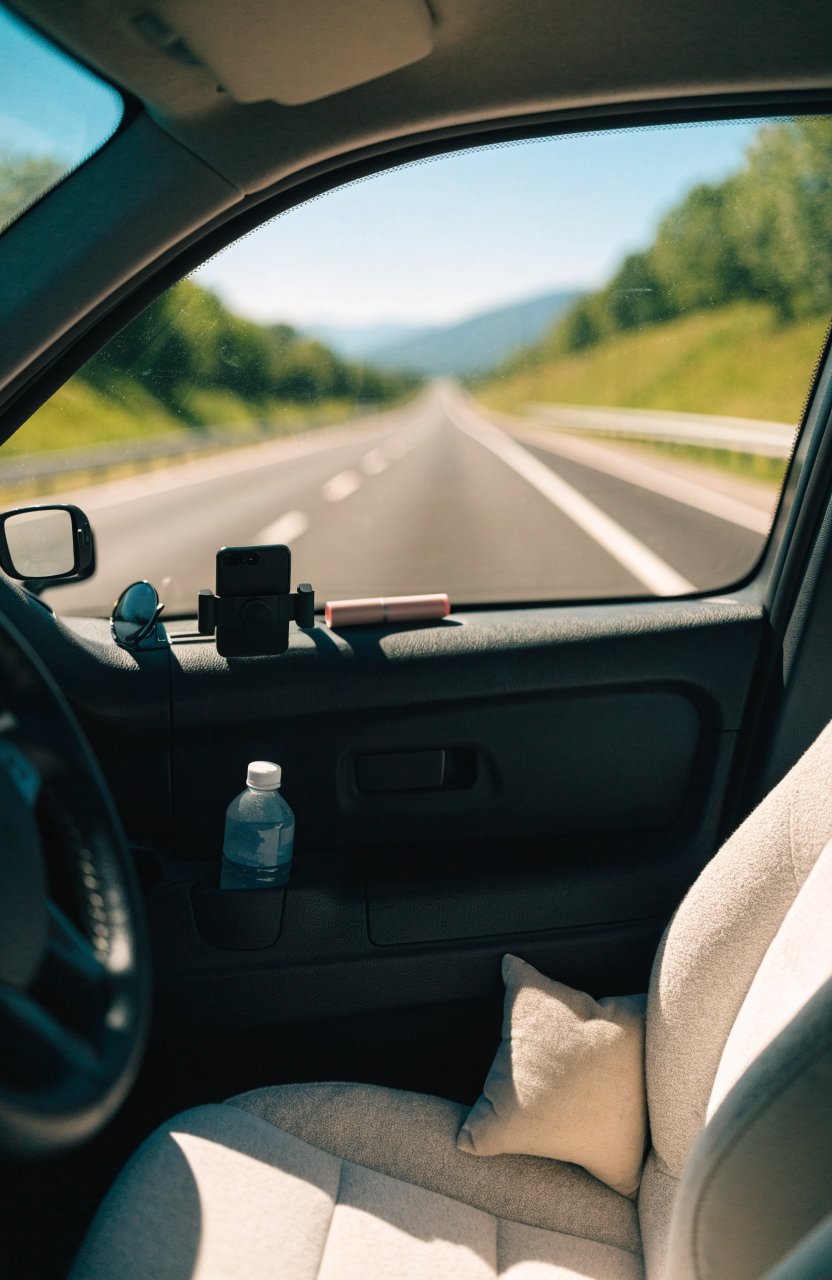
Hours in the seat matter as much as nights in the back. Keep sunglasses, a small lumbar pillow, a phone mount, lip balm and a refillable water bottle within reach of the driver. Small comforts like these make the driving days feel shorter and leave you in better shape for camp.
14. Use a Shower Curtain Liner as a Groundsheet
A $1 Dollar Tree shower curtain goes under the kitchen and eating area. It catches crumbs and drips. Shake it out and fold when done.
Wildlife stays less interested. The site looks cleaner when you leave.
15. Eat Lunch at Day-Use Areas
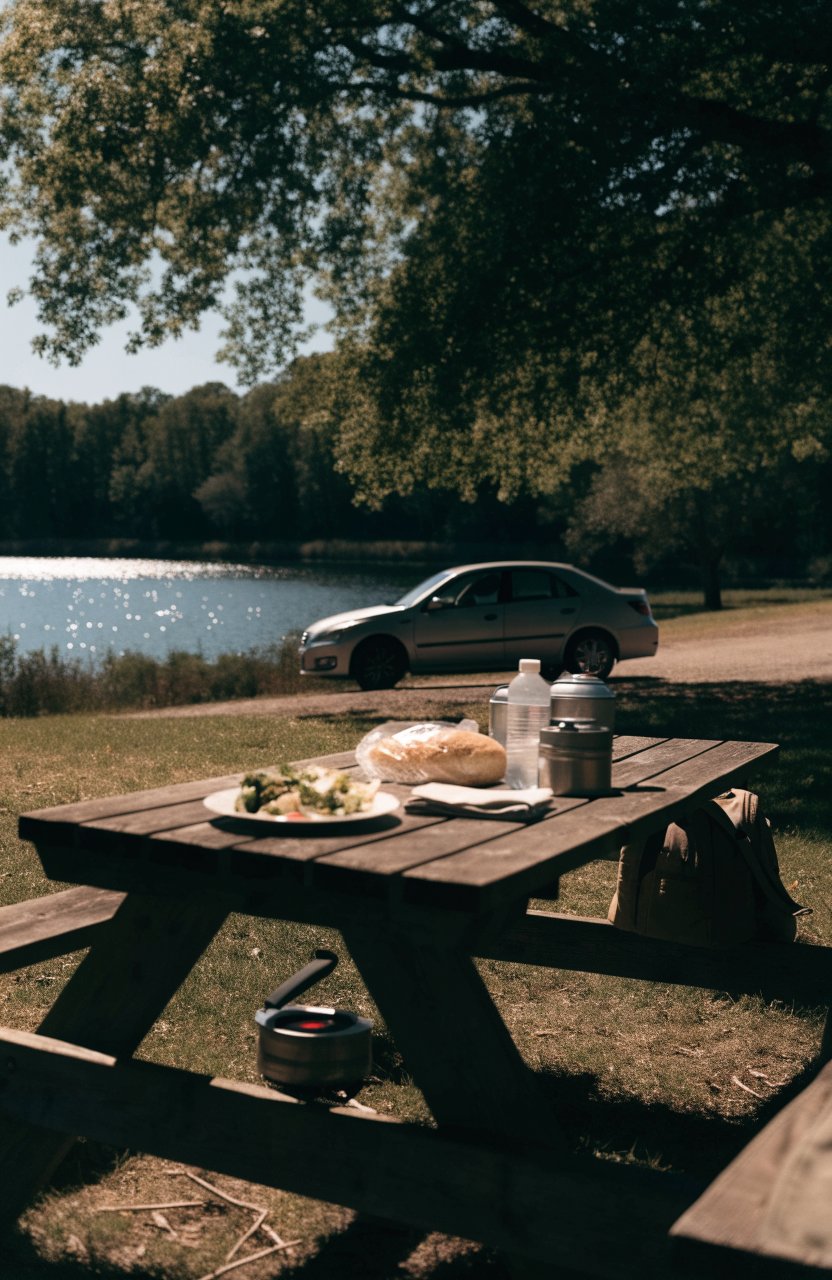
Parks, lakes and rest areas often have day-use picnic sites with tables, shade and restrooms. Stopping at one for lunch breaks up the drive and lets you cook or eat properly without unpacking the car on a roadside. Many are free or charge a small day fee.
16. Sleep Somewhere Legal Every Night
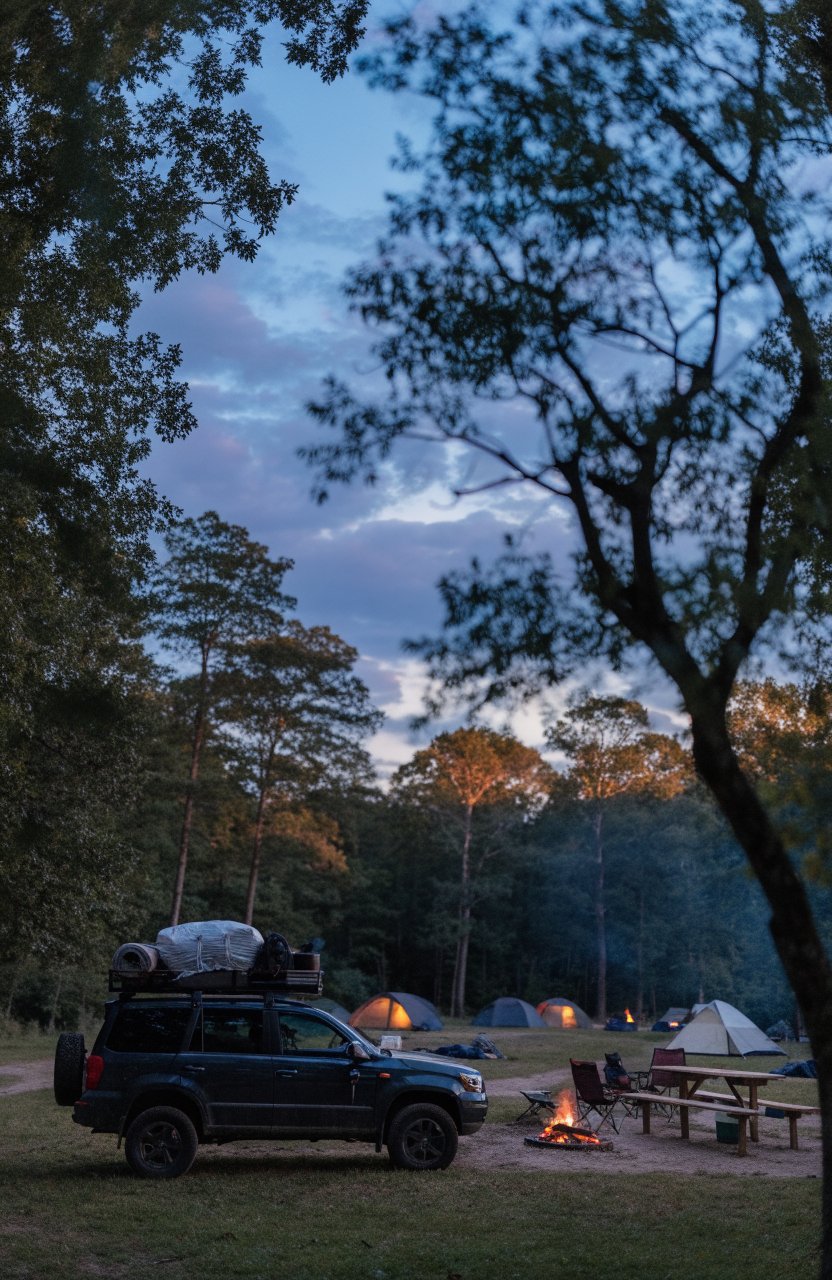
Overnight rules change from one county, park and parking lot to the next. Stick to campgrounds, dispersed camping areas on national forest and BLM land, and businesses that clearly allow overnight parking. Read the posted signs when you arrive, even if an app says the spot is fine, because signs take priority.
17. Keep Valuables Out of Sight at Trailheads
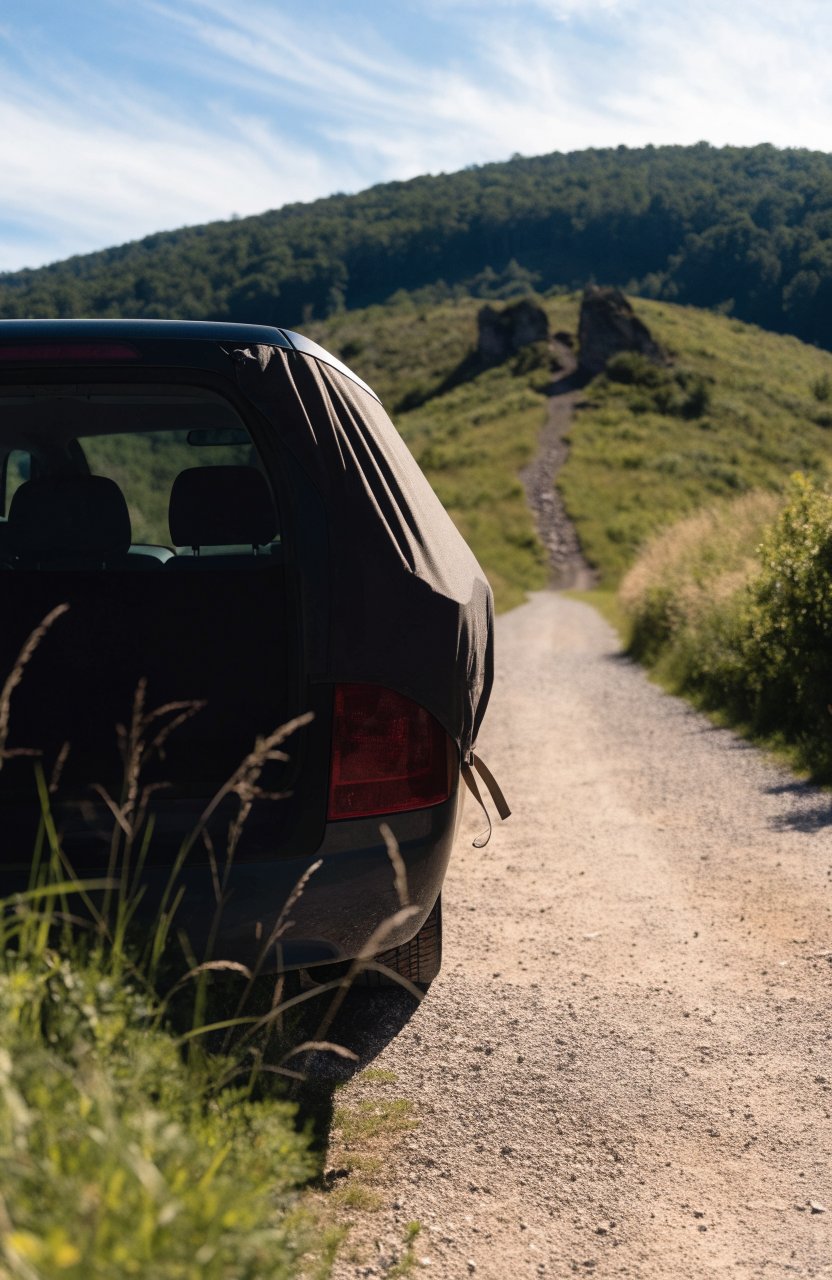
A car loaded with camping gear is an easy target at busy trailheads. Move laptops, wallets and cameras into a covered cargo area before you arrive, not while people are watching in the parking lot. Leave nothing on the seats, and carry the most important items with you on the hike.
18. Do a Five-Minute Morning Pack-Down
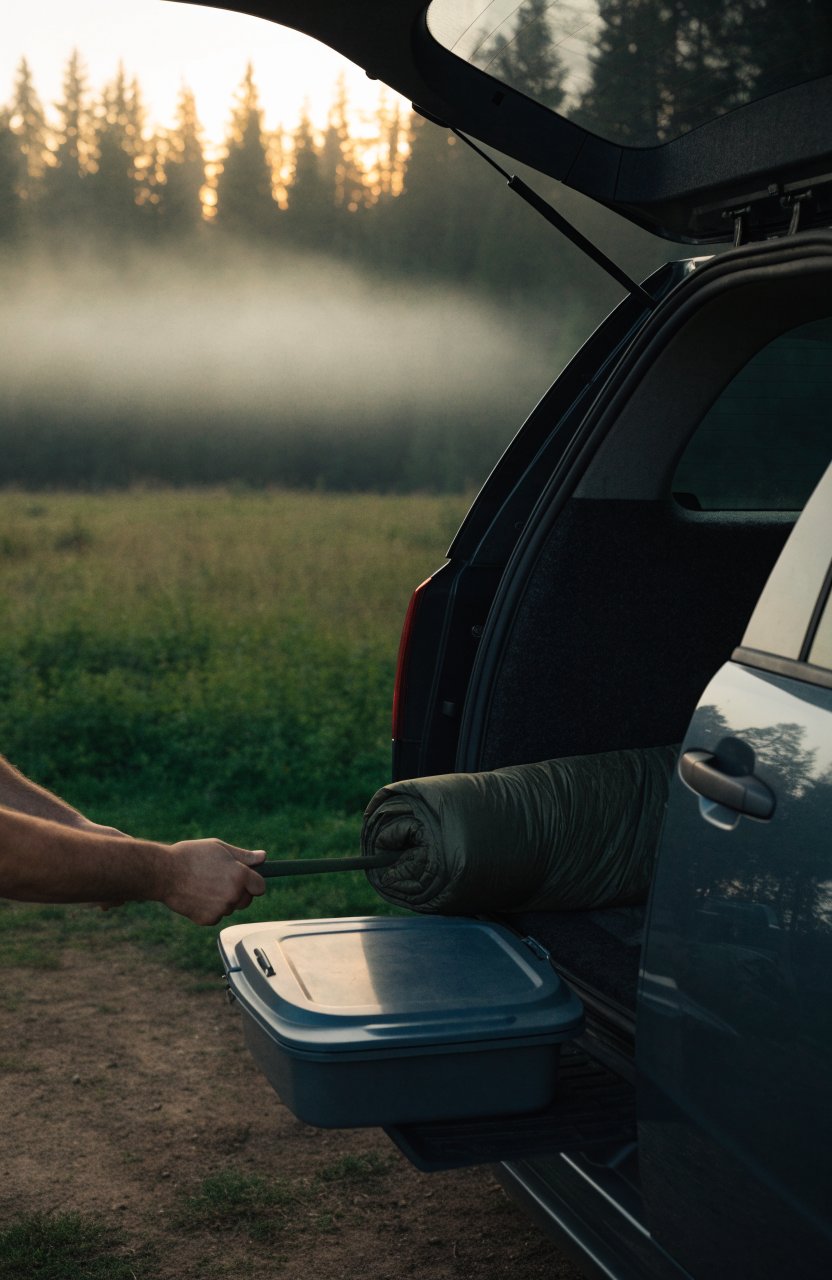
Getting moving early is easier with a set routine: stow the bedding first, then the kitchen, then take a final walk around the site for trash and small items. Following the same steps every morning means nothing gets left behind at a campsite you will never come back to.
19. Carry a Spare Key on Your Body
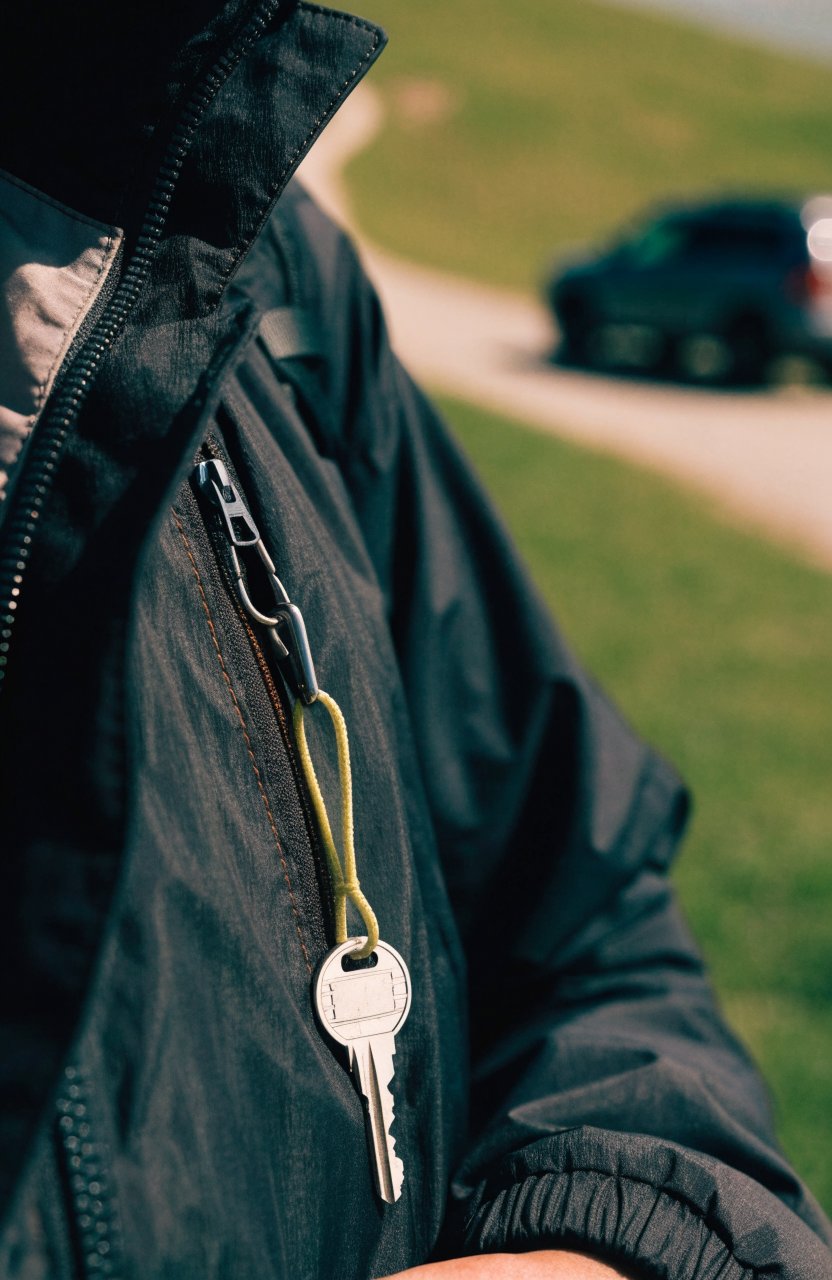
Locking the keys in the car or losing them on a hike can end a trip far from the nearest locksmith. Keep a spare key on a lanyard or in a zipped pocket whenever you leave the car, and learn how your car’s automatic locking behaves before you rely on it at camp.
20. Plan No-Cook Dinners for Late Arrivals
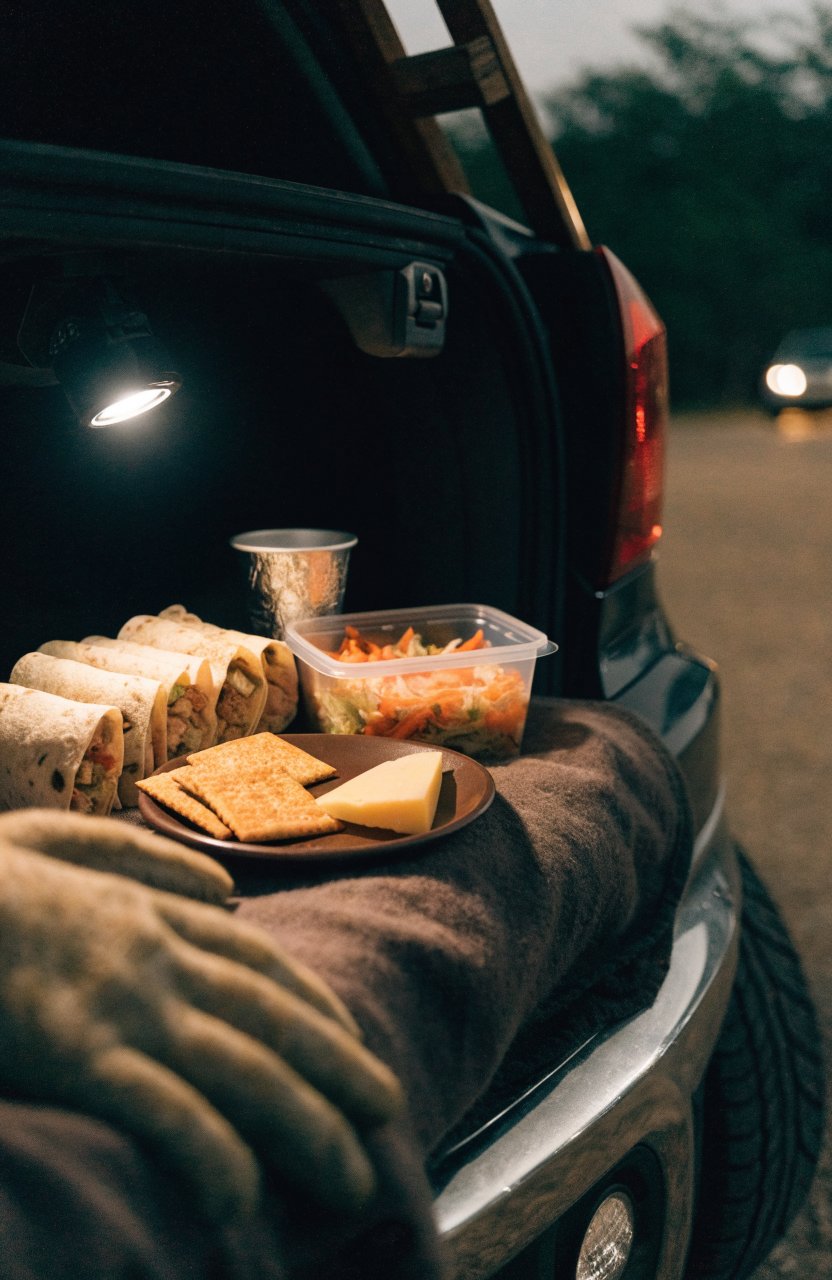
Some days the drive runs long and you reach camp tired and in the dark. Keep two no-cook dinners ready for those nights: wraps with pouch tuna or chicken, cheese and crackers, or a ready-made salad from the last grocery stop. Eating something solid quickly matters more than cooking.
21. Strap Down Heavy Gear Before You Drive
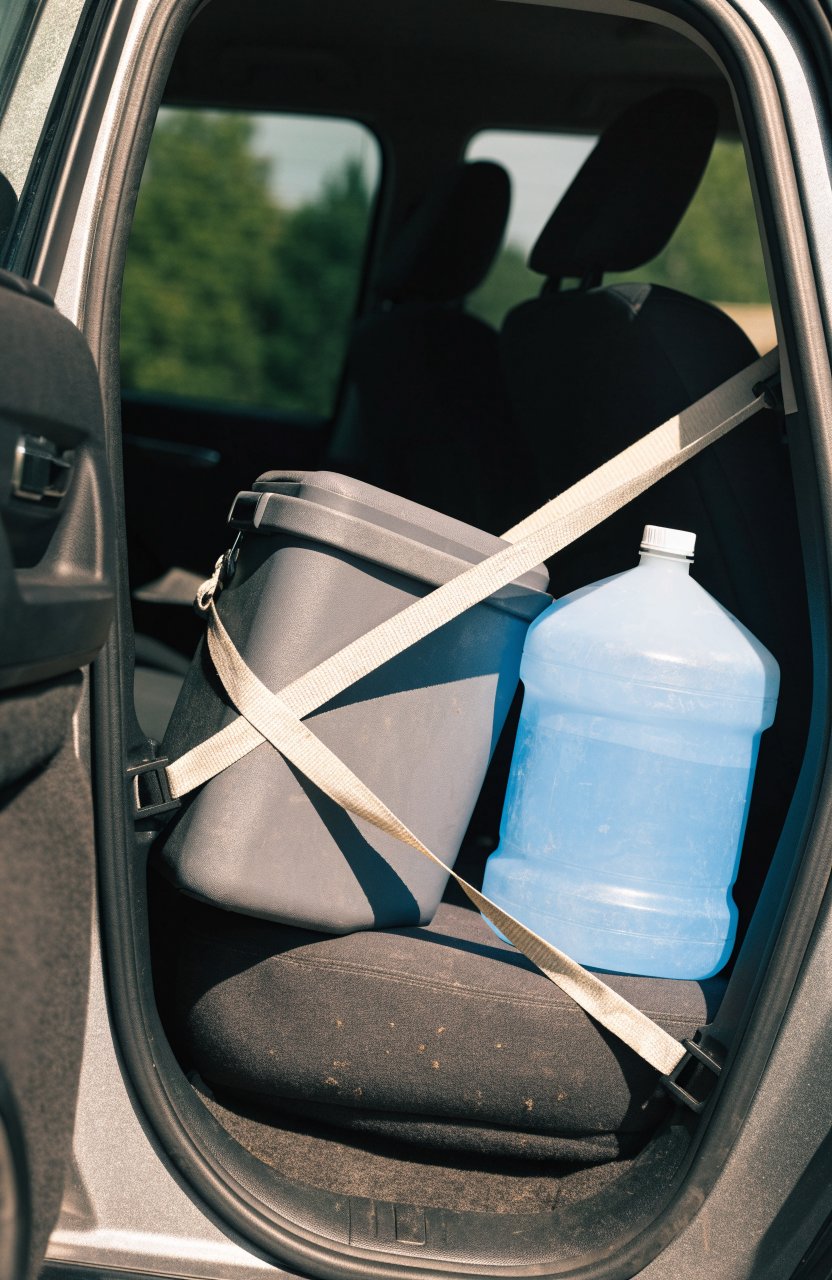
A loose cooler or water jug can become a dangerous projectile in a hard stop. Before each drive, wedge heavy items low against the back of the rear seats and strap them to the cargo tie-down points. Keep nothing heavy loose on the back seat or the parcel shelf.
22. Practice the Full Setup at Home First
Set everything up in the driveway the night before a real trip. Timing, fit, and missing pieces show up right away.
Skip this step and you may discover a dead headlamp at 10 p.m. in the dark. Ten minutes at home saves hours later.
Frequently Asked Questions
What gear do I actually need for these 22 car camping ideas? A comfortable sleep setup, a cooler, a water jug and a phone with offline maps cover the basics. Most of the ideas here are routines rather than purchases, so they cost little or nothing.
How do I keep food safe during car camping? Store everything in a hard-sided cooler inside the vehicle overnight. Clean the site as you go and never leave scraps out.
Can these 22 car camping ideas work in a small sedan? Yes. The one-bag overnight kit and regular laundry stops matter even more in a small car, because there is no room to carry a week of clothes and food.
How long does it take to set up each night? Once the routine is practiced, most nights take 15 to 25 minutes. The one-bag overnight kit and the morning pack-down cut the time the most.
Do I need a special vehicle for car camping? Any car with fold-down seats works. SUVs and wagons give more room, but sedans handle short trips just fine with the right layout.
Try three or four of these 22 car camping ideas on your next multi-day trip. Adjust what feels right. Then get back out there. The road feels better when the car feels like home.