
Car tent camping trades a little freedom for a lot of comfort. Your shelter stays tied to the vehicle, and that shapes every other decision.
The article explains what counts as a car tent and compares rooftop tents with SUV tailgate and hatch tents, then weighs the real advantages against the limits. After that come a step-by-step overnight setup, the gear that adds comfort, how to choose a level and legal spot, and the mistakes that most often lead to a wet or sleepless night.
What Car Tent Camping Actually Means
Car tent camping means your shelter connects to the vehicle in some way. The term causes plenty of confusion online. Some folks still use “car camping” to mean any tent pitch near a parking spot. Here it means the more literal version: the tent attaches to or sits on the car.
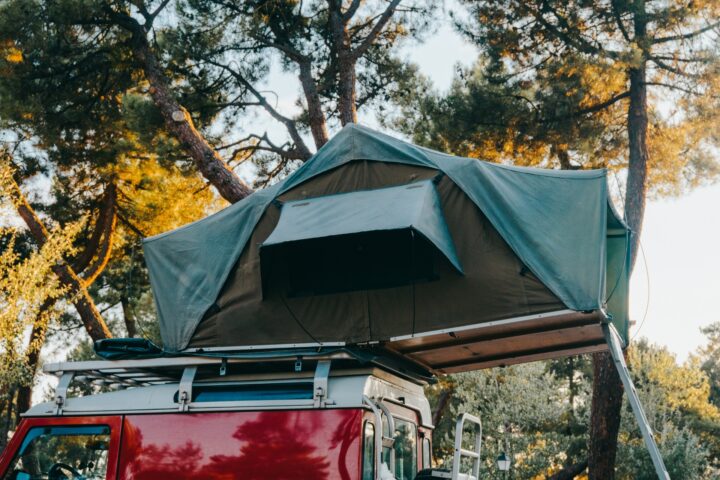
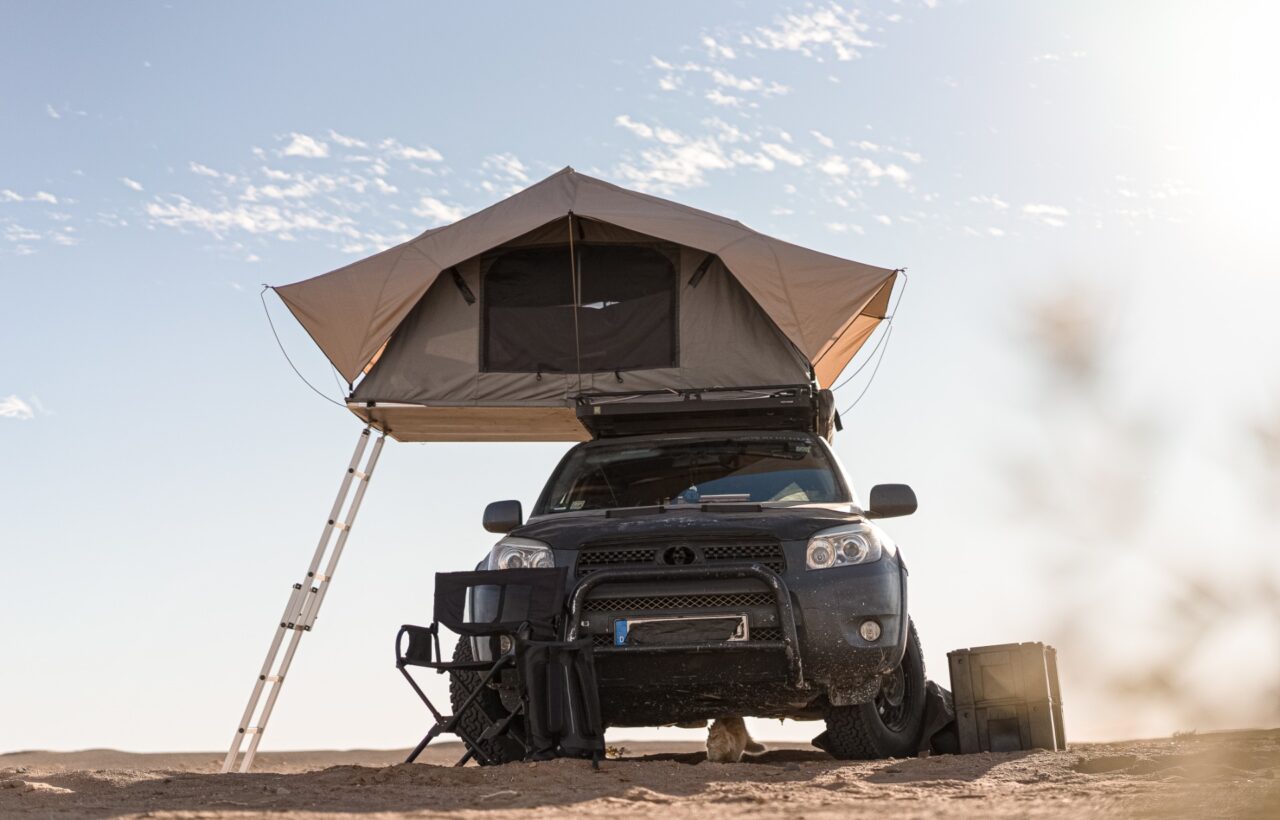
Rooftop tents (often called RTTs) fold out or pop open from a roof rack. Tailgate tents stretch from the open hatch and create a connected room that uses the cargo area as part of the sleeping space. Truck-bed tents drop into a pickup bed. A basic tailgate model is an easy first step because it is usually affordable and requires zero permanent changes to the car.
The big difference from a ground tent is elevation and security. You sit higher off the dirt, bugs, and cold air. Your gear stays locked inside the vehicle. Setup usually runs 10 to 20 minutes once you know the system.
Check vehicle owner's manual for hatch auto close timeout to prevent battery drain when tailgate stays open overnight.
Rooftop Tents Versus SUV Tailgate Tents
Both styles have their place. The choice comes down to budget, vehicle type, and how often you plan to leave the car at camp.
Rooftop tents cost more. Good soft-shell models start near $1,000. Hard-shell versions climb past $2,000 and often need a solid roof rack. Once mounted, many open in under three minutes. You climb a ladder and sleep on a built-in mattress well above the ground. The view is better. Rain and mud stay farther away. The trade-off is weight. You must stay under your vehicle’s dynamic roof rating while driving and the higher static rating when parked with people inside.
Tailgate and hatch tents stay cheaper, usually $150 to $400. They use an elastic sleeve or straps that seal around the open rear hatch. The sleeping surface is the cargo floor or the tent floor that extends out. Setup takes a bit longer the first few times, but one person can handle it. Many models also let you drive away for a short side trip without taking the whole tent down. The downside is limited space. Mid-size SUVs give one adult plenty of room after folding the rear seats. Two adults fit, but it feels snug.
For most weekend campers who already own an SUV or hatchback, the tailgate style wins. Rooftops shine for longer overland trips where you want the car free for storage and the bed stays ready.
Include crossbars and rack weight in dynamic roof rating calculation, not just tent weight alone.
Before mounting a rooftop tent, confirm both the dynamic and static roof load ratings in the owner’s manual or with the rack manufacturer. Exceeding either rating is unsafe, whatever the tent style.
The Real Pros and Cons
The advantages stack up fast.
Elevation keeps you drier and cleaner. No more waking up with a wet pad after a surprise rain. The car body acts as extra roof cover on hatch models.
Setup and access feel faster. Gear stays in the vehicle. A headlamp or water bottle is within reach without crawling outside.
Security is higher. You can lock the doors when you step away, which matters in bear country.
Weather protection improves. The combination of vehicle and tent handles light to moderate rain better than many freestanding shelters.
The cons are real too. You stay tied to the parking spot. If the best flat ground sits a short walk away, you cannot take the tent with you. Weight on the roof changes handling and fuel use. Condensation can build inside the cabin if you skip ventilation. Fit is not universal. Measure your hatch opening before you buy a tailgate model.
The biggest mental shift is accepting that location flexibility drops. In exchange you gain comfort and speed, a trade that suits most weekend trips.
How to Set Up a Car Tent for a Night Out
Arrive, pick a level spot, and kill the engine. Level ground matters more than shade sometimes. A slight slope makes sleeping miserable.
For a tailgate tent, open the hatch fully. Slide the elastic sleeve or fitted skirt over the opening and smooth the fabric so it seals tight. Next, stake the outer corners at a 45-degree angle. Run guy lines if the wind forecast looks active. Inside the cargo area, lay a foam pad or self-inflating mattress cut to fit the wheel wells, with bedding on top. With practice, the whole process takes about 12 minutes.
Rooftop setup is different. Release the latches or straps, unfold or pop the shell, and extend the ladder. The mattress is already inside on most models. Climb up, toss in pillows, and close the windows if bugs are thick. First installs of the tent itself take longer and often need a second person because the units weigh 100 to 150 pounds.
Always check the weather and local rules before you commit. Some parking lots and dispersed sites allow vehicle camping but ban traditional tents. Others reverse that rule.
Set a small bubble level on your cargo floor before staking, since even slight slopes ruin sleep in a car tent.
Quick Ventilation Check
Crack a window or open the mesh panels every time. Moisture builds fast when two people breathe in a small space. A small clip-on fan powered by a power bank helps on warm nights.
Seal the hatch sleeve completely every time, since side-blown rain finds any gap. Arriving with enough daylight left for setup also helps, because fumbling with straps in the dark is no fun.
Gear That Makes Car Tent Camping Comfortable
The tent itself is only half the story. A few comfort upgrades make the biggest difference.
A proper mattress beats a thin pad every time. A thicker self-inflating model sized for the cargo floor is a noticeable improvement. Real pillows and a packable comforter turn the space into something closer to a hotel bed. Wool base layers keep you warm without the stink of synthetic fabric after a few days.
Lighting matters. Hang a rechargeable lantern from a loop and keep a headlamp within reach. A compact power station charges phones and runs a small fan. A two-burner propane stove and a cooler can ride in the front seats, or under a platform if you have one.
For privacy, simple window screens or reflective sunshades also block morning light. None of these items cost a fortune, and a good mattress and bedding pay for themselves in better sleep.
Frequently Asked Questions
Are rooftop tents safe for regular cars? Yes if you stay under the rated dynamic load while driving and the higher static load when parked with people and gear inside. Check your specific numbers and use a proper roof rack, not stock rails alone.
Do car tents fit every vehicle? No. Tailgate models need a compatible hatch shape and size. Rooftop tents need roof bars and sufficient load capacity. Measure first or check the manufacturer’s vehicle list.
Can I sleep in a car tent anywhere? Only where overnight vehicle parking is legal and safe. Many dispersed public lands allow it. Some city lots and private property do not. Always confirm local rules.
How long does setup take? A practiced tailgate tent takes 10 to 15 minutes. Many hard-shell rooftop models open in under three minutes once mounted. First-time installs take longer.
Is a car tent better than a ground tent? It depends. The car version wins on convenience, elevation, and security for most trips. Ground tents still win when you want to hike away from the vehicle or camp with a larger group.
Car tent camping rewards people who value comfort and speed over pure wilderness immersion. A light ground tent still earns its place on backpacking days. For everything else, a hatch tent or rooftop setup means better nights, easier mornings, and less time fighting the ground.