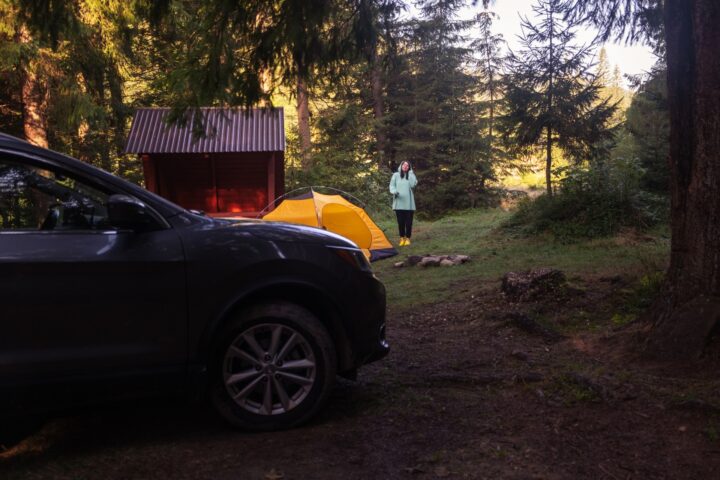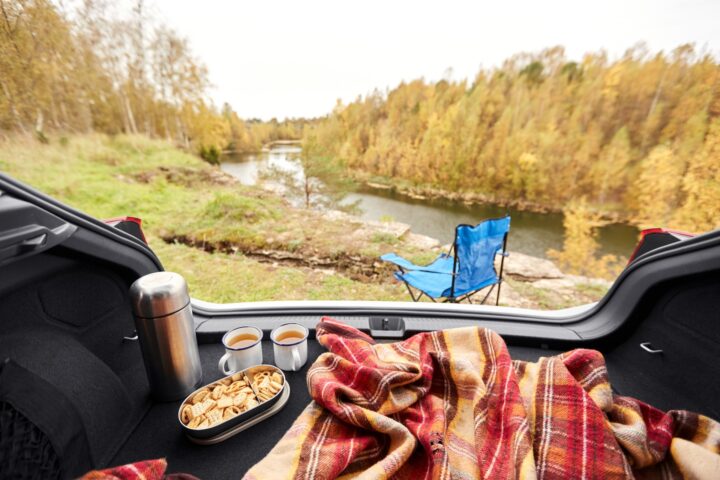
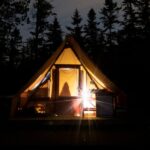
Small car camping means working with a cargo floor that is short, slightly sloped and crowded the moment a cooler goes in. One night sleeping with bent knees makes the limits obvious.
What solves it is treating usable space as the goal: a flat platform with storage underneath, a mattress shaped to the car, steady ventilation to stop condensation and a packing list trimmed to essentials. The sections below also compare compact models that suit sleeping inside and explain where overnight parking is legal.
Why Small Car Camping Is Worth Trying
Bigger rigs look tempting until you try parking one at a crowded trailhead. A compact car like the Honda Fit slips into spots that full-size SUVs cannot touch. Fuel costs stay low. Insurance stays simple. Stealth overnight stops feel easier because the car looks ordinary.
It is easy to assume more space equals better trips. Space is not the real question. Usable space is.
Treat the back of a hatchback like a tiny studio instead of a cramped living room and everything clicks. Gear goes under a platform or in stacked bins. Sleep happens on a flat surface. Cooking happens outside. The whole system fits in a vehicle you already drive every day.
Small car camping rewards people who measure twice and pack once.
Best Small Cars for Car Camping
Not every compact car works the same. Cargo length, seat fold, and ground clearance all vary.
The Honda Fit still wins for pure efficiency. Folded rear seats give a nearly flat floor. Cargo length reaches about 73 inches if you push the front seats forward. Width between wheel wells sits around 43 inches. The Magic Seat system lets you create tall storage modes too. Gas mileage stays near 40 mpg on the highway.
The Subaru Crosstrek adds ground clearance and all-wheel drive. It handles forest roads better than the Fit. Seats fold almost flat. Cargo length lands a bit shorter, but the higher ride height keeps the floor farther from cold ground. With a platform, it makes a comfortable multi-night sleeper.
The Subaru Impreza Hatchback sits in the middle. It costs less used than the Crosstrek. AWD still comes standard. Solo travelers fit comfortably once the seats drop.
A quick comparison:
| Model | Folded Cargo Length (approx.) | Floor Flatness | Best For |
|---|---|---|---|
| Honda Fit | 73 inches | Excellent | Budget and efficiency |
| Subaru Crosstrek | 68–70 inches | Very good | Light off-road access |
| Subaru Impreza | 65–68 inches | Good | Urban stealth camping |
Measure your own car before buying gear. Tape measure. Seats down. Front seats forward. Write the numbers down.
If you are over 72 inches tall, test the Fit with front seats fully forward and reclined, as usable length shrinks fast with gear behind.
Creating a Flat Sleeping Platform
A lumpy floor ruins sleep. Folded seats plus a thin yoga mat is a common first attempt. Every gap and ridge shows up by morning.
A simple plywood platform fixes it. One 4×8 sheet of half-inch plywood cut to fit, plus folding legs from the hardware store (about $8 each), raises the board seven inches. That height leaves storage underneath for bins, and the materials stay inexpensive.
Some people skip wood and use plastic storage bins as supports. Four large bins side by side create a level base. A thin plywood sheet or thick foam goes on top. Setup takes five minutes. Breakdown takes three.
Ready-made platforms exist too. Brands like Camp N Car sell adjustable ones that fit most hatchbacks. They cost more (often $300–500) but arrive finished and include storage access hatches. Aluminum versions feel solid and save build time.
Head toward the front of the car. Wheel wells steal space at the rear. Elbow room improves when your shoulders sit near the front seats. Level the car first. Park nose slightly uphill so your head stays higher than your feet.
Test the whole setup in your driveway before the first real trip. Lie down. Roll over. Sit up if the roof allows it. Adjust until nothing digs into your side.
Choosing Mattresses That Fit Tight Spaces
Mattress choice decides whether you wake up rested or sore. Thin pads work for backpacking. They fail in a car.
An inexpensive crib mattress from a big-box store is a smart start. It fills most of the Fit’s width and adds real cushion. Foam does not deflate, and it handles the slight slope of many hatch floors.
A purpose-built alternative is the Luno AIR BASE vehicle mattress. Price starts at $199.99. It inflates with the included 12-volt pump in about a minute. Dual chambers let you adjust firmness on each side. The shape follows the car’s contours better than a generic twin air mattress, so the floor stays out of mind.
Self-inflating pads like the NEMO Roamer also work if you measure carefully. Aim for at least three inches of thickness and an R-value of 4 or higher for cooler nights. Too wide and the edges curl against the wheel wells. Too narrow and you roll off.
Put a thin yoga mat underneath any inflatable option. It protects the mattress and adds one more layer of insulation from the metal floor.
Pillows matter more than people admit. A regular bed pillow in a stuff sack beats most camping pillows, which compress well but feel thin after the first night. Your neck will notice.
Avoid standard twin air mattresses in the Fit, as side bulge around 43 inch wheel wells can lift you and cause leaks.
Ventilation Tricks That Stop Condensation
Cars trap moisture. One person breathing all night fogs every window. By morning the ceiling drips.
With the windows sealed on a rainy night, everything inside can feel damp by 3 a.m.
Crack two windows about one inch. Mesh screens cut from cheap hardware cloth keep bugs out; tape the edges or use magnetic strips so the mesh stays tight. A small battery fan clipped to the headrest moves air across the sleeping space.
Window rain guards help on wet nights by letting a window stay cracked even when it pours. Reflective sunshades on the windshield and rear hatch block morning light and add a little privacy.
Ventilate in cold weather too. Condensation turns to frost on the glass if the air stays still. A small gap is enough. Dry your wet clothes outside the sleeping zone before bed. Hang them on the front seats if needed.
Fresh air is the cheapest upgrade you can make.
One sleeper exhales about one cup of water overnight, which explains why two cracked Fit windows beat one.
Packing Light for Limited Cargo Space
Overpacking kills the joy of small car camping. Every extra bag steals sleeping room.
A short list covers it:
- Sleeping system (platform pieces or mattress, bag rated 20–30 degrees colder than expected lows, real pillow)
- Soft cooler that fits under the platform
- One-burner stove and small fuel canister
- Two soft-sided water jugs (total six gallons)
- Headlamp plus one lantern that hangs from the grab handle
- Collapsible camp chair
- Toiletry kit with no-rinse soap
- One change of clothes in a compression sack
Everything else stays home. Keep meals simple, bring a phone or paperback for reading, and skip the full kitchen and extra chairs.
Bins organize the under-platform space. One for food. One for clothes. One for tools and first aid. Labels help when reaching in the dark.
A portable power bank charges the phone. Avoid plugging devices into the car overnight, since a dead battery at a remote trailhead is no joke.
Keep the rear hatch area clear for quick access to the cooler and stove. Cooking happens outside whenever weather allows. The car stays the bedroom, not the kitchen.
Safe and Legal Parking Spots
Finding a place to sleep matters as much as the mattress. Apps like Hipcamp and AllStays help locate legal options. National forest roads often allow dispersed camping. BLM land does too in many western states. Always check current rules and fire restrictions.
State parks and developed campgrounds work well for first trips. They cost $20–40 a night in many places but offer toilets, level pads, and clear rules, which makes for easier sleep.
Walmart and some truck stops allow overnight parking in certain towns. Policies change. Call ahead or check recent user reports. Never assume.
Park level. Face the car so headlights point away from other campers if you arrive late. Keep a low profile. No loud music. No engine idling. Pack out every scrap of trash.
A quiet Forest Service spur road can offer real solitude. A compact hatchback looks like any other visitor’s car, and that anonymity is valuable.
Save offline screenshots of Hipcamp rules and forest road MVUM maps, as cell service fails on many spur roads.
Frequently Asked Questions
Can you really do small car camping comfortably? Yes. A flat platform, decent mattress, and good ventilation turn a hatchback into a functional bedroom for one or two people on shorter trips.
What is the best mattress for small car camping? A vehicle-specific option like the Luno AIR BASE or a firm crib mattress works well. Measure your cargo floor first so the pad does not leave big gaps.
Do I need a special platform? Not always. Many people start with storage bins and a sheet of plywood. A purpose-built platform adds storage height and a more solid feel if you camp often.
Is small car camping legal everywhere? No. Rules vary by land manager and local ordinance. Stick to designated campsites, national forest roads that allow overnight parking, or private properties that welcome it.
How do I stay warm in a small car? Use a sleeping bag rated colder than the forecast, add an insulated pad with solid R-value, and layer wool base layers. Ventilation still matters even on cold nights.
Small car camping rewards the people who treat limits as design problems instead of deal-breakers. Measure the space. Build a flat bed. Pack only what you will use. Park somewhere legal and quiet.
A small car setup keeps evolving in small ways. Inexpensive tweaks, like an extra mesh screen or a better headlamp, can improve every night.
Your car already sits in the driveway. The next free weekend is the only missing piece.