You fold the second row down, toss a pad into the back and stretch out, only to find the seat ridge pressing into your spine and your feet jammed against the front seats. That is the usual first night of 4Runner car camping without a plan.
The fix is a flat platform sized to the cargo bay, a mattress that stays firm all night and storage underneath so gear never lands on the bed. The sections below cover measuring, building, power and a fridge, a tailgate kitchen, and window covers with good ventilation.
Why the 4Runner Works for Car Camping
The 4Runner sits higher than most SUVs. The body-on-frame design shrugs off washboard forest roads that would rattle a unibody crossover apart. Cargo volume with the second row folded hits nearly 90 cubic feet on non-hybrid models. That boxy shape gives you real usable floor space instead of sloping wheel wells that waste every inch.
A TRD Off-Road trim with the factory sliding cargo tray gives a useful head start, since that tray can anchor the rest of the setup. Ground clearance stays over nine inches even with a light load of gear, which opens up dispersed sites that vans can’t reach.
The fuel economy hurts: expect roughly 16 to 18 mpg on mixed roads. The 4Runner’s reputation for reliability makes up for it when you are forty miles from pavement.
Measuring the Cargo Space for Sleep
Before you buy a single board or mattress, grab a tape measure. The flat floor behind the folded seatbacks is only about 44 inches long. Slide the front seats forward and you open 66 to 73 inches of usable length. Width between the wheel wells sits right around 44 inches. Headroom from the cargo floor runs 31 to 35 inches. You can sit up. You cannot stand.
With the front seats pushed all the way forward, someone around 5 foot 11 can sleep straight. Anyone over six feet will need a slight diagonal or will have to live with feet near the console. The seat ridge creates a one-to-two-inch step that feels like a speed bump against your spine at 3 a.m. That ridge is the first problem every setup has to solve.
Write the numbers down. Measure your exact truck. Sliding cargo trays change the height. Third-row models shrink the usable length. Guessing costs money and sleep.
Tape your 66 to 73 inch length on the garage floor and lie down with pillow to test straight versus diagonal fit before buying boards.
Building a Simple Sleeping Platform
A flat elevated platform solves most comfort problems. 2x4s and half-inch birch plywood from a home improvement store are enough, and the build fits into a single afternoon.
Cut the side rails to sit flush with the folded seatbacks. Cross supports every 16 inches keep the top from sagging under an adult’s weight. A platform of roughly 44 inches wide by 70 inches long leaves a clean storage bay underneath about 10 inches tall. No drilling into the truck is needed, and the whole thing lifts out in a couple of minutes when the seats are needed for passengers.
Consider leaving a hinged 24-inch section near the front seats. That flap opens for quick access to a camera bag and tools without crawling over the mattress. The rear section stays solid, and entry from the rear passenger door feels natural, with no climbing over gear.
Ready-made platforms with advertised 400-pound ratings are available. A DIY build has its own payoff: you learn the exact dimensions of your cargo bay, which helps every time you add a bin or drawer later.
Raw half inch birch plywood warps fast from overnight condensation inside a 4Runner without polyurethane sealant.
Choosing the Right Mattress
A platform alone is still hard. A four-inch memory foam topper from a big-box store is an affordable start. Trim it to 44 inches wide with a utility knife and fill the seat ridge gap with a rolled towel. That budget version handles weekend trips.
A tri-fold foam mattress with a removable cover is a good upgrade. It packs smaller and still gives real support. Inflatable pads can deflate; foam stays consistent all night. Top it with a 20-degree sleeping bag and a compressible pillow, a combination that handles spring mountain weather without the bulk of a full comforter.
Two people can squeeze in if they accept a tight fit and the occasional elbow war. Solo is the sweet spot. The extra space leaves room to sit up and read without feeling trapped.
Foam on plywood traps moisture, so stand your tri-fold mattress daily to air the 44 inch platform in mountain spring.
Storage Under the Platform
Empty space under a platform is wasted space. A 69-quart clear tote fits under the rear section. A split lid lets you pull it halfway out while the platform still supports itself. Camp chairs, recovery tracks, and a foldable shovel all fit inside.
Side bins hold clothing in soft cubes. A narrow drawer unit behind the driver’s seat can carry kitchen gear and a portable toilet. When everything has a home, breaking camp takes about fifteen minutes because nothing sits in a random pile.
The sliding cargo tray still works. Leave it free for the stove or a cooler when you want a quick tailgate kitchen. Organization is the difference between a calm morning and a frantic search for the coffee grounds.
Power and Fridge for Longer Trips
A dead battery far from town is a real risk, so a portable power station like the Jackery 500 earns its space. It charges phones, runs a small fan, and keeps a 12-volt fridge cold for two full days. A 100-watt foldable solar panel tops it off on sunny afternoons.
A 45-quart powered fridge, such as an Iceco, replaces the cooler. Ice melts. A powered fridge does not. Fresh food stays fresh, with no soggy cooler to worry about. Keep the power station in a side cubby within reach of the bed for light at night.
LED strip lights stick to the headliner with magnets. They draw almost nothing and give soft light without waking the whole campsite. A small rechargeable lantern makes a good backup. Power is no longer the limiting factor on multi-day trips.
Precool your Iceco 45 quart at home on wall power so your Jackery 500 starts full for two days off grid.
Kitchen Setup Off the Tailgate
The rear hatch becomes the prep surface. A Coleman two-burner propane stove fits in a dedicated bin along with nested pots, a collapsible wash basin, and biodegradable soap. Everything sets up in under five minutes.
A cutting board and knife stay in a side pocket. Simple meals work best: eggs, freeze-dried packs, or a one-pot pasta. The 12-volt fridge keeps ingredients fresh. Cleanup is quick because the basin collapses and the stove folds flat.
Swapping a full cooler for the fridge pays off. Less weight. No ice runs. Better food. The tailgate kitchen feels almost civilized after a long trail day.
Privacy Covers and Ventilation
Windows turn the cargo area into a fishbowl at night. Reflective window covers block light and hold heat. Magnetic mesh screens let you crack the rear windows for airflow without inviting bugs. A small rechargeable fan moves the air and cuts condensation.
When the weather allows, strap the rear hatch open an inch or two. That chimney effect pulls moist air out. DampRid packets under the platform add insurance against fogged windows and wet gear in the morning.
Frequently Asked Questions
Can I really sleep comfortably in a 4Runner for 4 runner car camping? Yes, once you solve the seat ridge and length with a platform or shaped mattress. Many campers sleep better in the truck than in a ground tent.
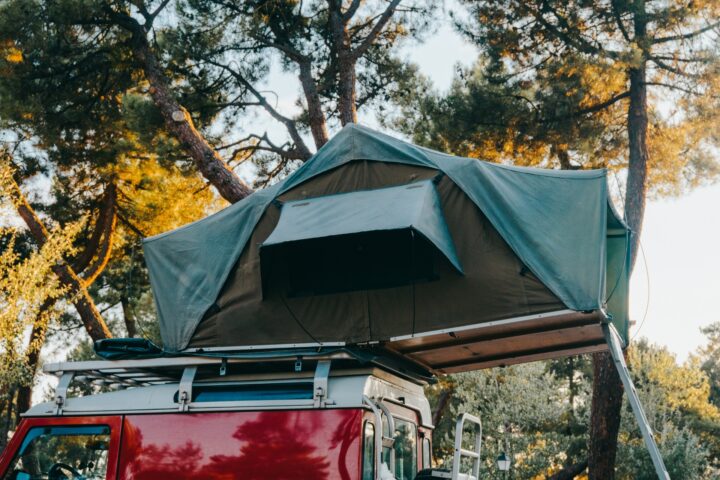
Do I need a rooftop tent? No. Sleeping inside is faster, warmer, and more secure for most trips. A rooftop tent adds height and cost. The cargo bay is hard to beat for quick overnight stops.
How much does a basic sleeping platform cost? A simple DIY version can cost under $80 in lumber and plywood. Ready-made kits run higher but install faster.
Will folding the seats for weeks damage them? No. The seats are designed to fold. The comfort issue is the ridge, not the mechanism.
What about taller people? Anyone over six feet will sleep on a slight diagonal. Measure first. The extra length from sliding the front seats helps, but the width stays tight.
Folding the seats, dropping the mattress and knowing the night will be solid never gets old. A well-set-up 4Runner reaches high desert, rainy forests, and remote trailheads that many vehicles can’t. Build the platform. Sort the power. Keep the gear simple. Then go. The 4Runner is ready whenever you are.