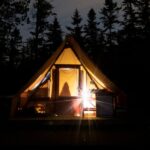
Rooftop tent camping is vehicle camping with the bed bolted to the roof. You park, open the tent, climb a ladder, and sleep on a built-in mattress a few feet above the dirt. Setup is usually measured in minutes, not poles. That speed is the real product. Everything else — cost, fuel use, garage height, midnight bathroom trips — is the trade.
It is a strong fit if you move camp often, arrive late, or regularly sleep on wet, rocky, or sloped ground. It is a weak fit if you stay in one site for days, need the car during the day, camp with pets that cannot climb a ladder, or only go out a few weekends a year. The tent does not make camping easier in every situation. It makes a specific kind of trip easier.
What rooftop tent camping actually is
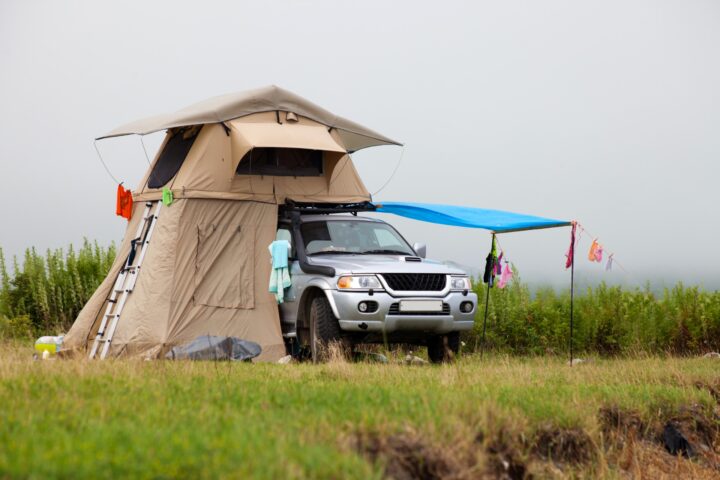
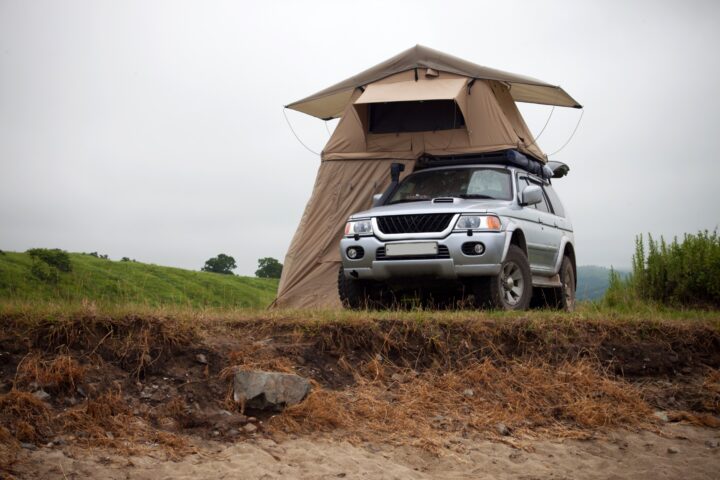
A rooftop tent (often shortened to RTT) mounts to a roof rack or bed rack. Closed, it travels as a box or folded bundle. Open, it becomes a weatherproof room with a foam mattress, windows, and a telescoping ladder. Bedding can stay inside many hard-shell models between nights, which is why people who change sites daily like them.
The idea is older than the current overland fashion. Similar elevated shelters were used in Africa and Australia to stay off wet ground and away from animals. The modern version is less about safari and more about not pitching a tent in the rain after a long drive.
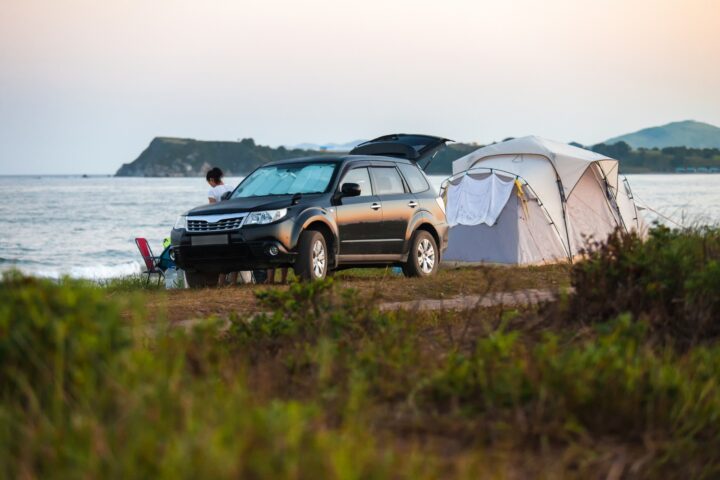
It is not a tiny RV. You still cook, store gear, and sit outside at ground level. The vehicle remains your kitchen, closet, and living room. The roof is only the bedroom.
Who this style of camping actually suits
The useful question is not “are rooftop tents good?” It is “does your trip pattern match what they do well?”
They tend to pay off when:
- You camp 15 or more nights a year and often stay only one night in a place.
- You arrive after dark and want a bed without finding a flat patch of dirt.
- You camp on snow, mud, standing water, or rocky two-track where a ground tent is miserable.
- You already have a vehicle and rack that can carry the weight.
- You want the cabin free of sleeping pads, poles, and damp flys.
They tend to disappoint when:
- You use established campgrounds as a base and drive out for hikes or groceries.
- You need more than two adults to sleep comfortably.
- You have dogs or small children who struggle with a ladder in the dark.
- Your garage, apartment parking, or workplace canopy is already tight.
- You camp a handful of times a year and a quality ground tent plus pads would cost a fraction of the setup.
The most common regret is not “the tent leaked.” It is “I have to pack the bedroom every time I want to move the car.” If your trips involve leaving camp during the day, a ground tent or truck-bed setup usually wins.
Soft-shell, hard-shell, and inflatable tents
These three formats solve different problems. Buying by looks is a frequent first-timer mistake.
Soft-shell (fold-out) tents
A fabric-covered bundle unfolds off one side of the vehicle, often doubling the sleeping area. Many include an annex that hangs to the ground for changing, storage, or extra sleepers.
Strengths: more floor space per dollar, lighter than many hard shells, annex options for families. Tradeoffs: slower setup (often 5–10 minutes), more fabric to dry, more wind noise on the highway, taller packed profile.
Best when space and budget matter more than one-minute setup.
Hard-shell tents
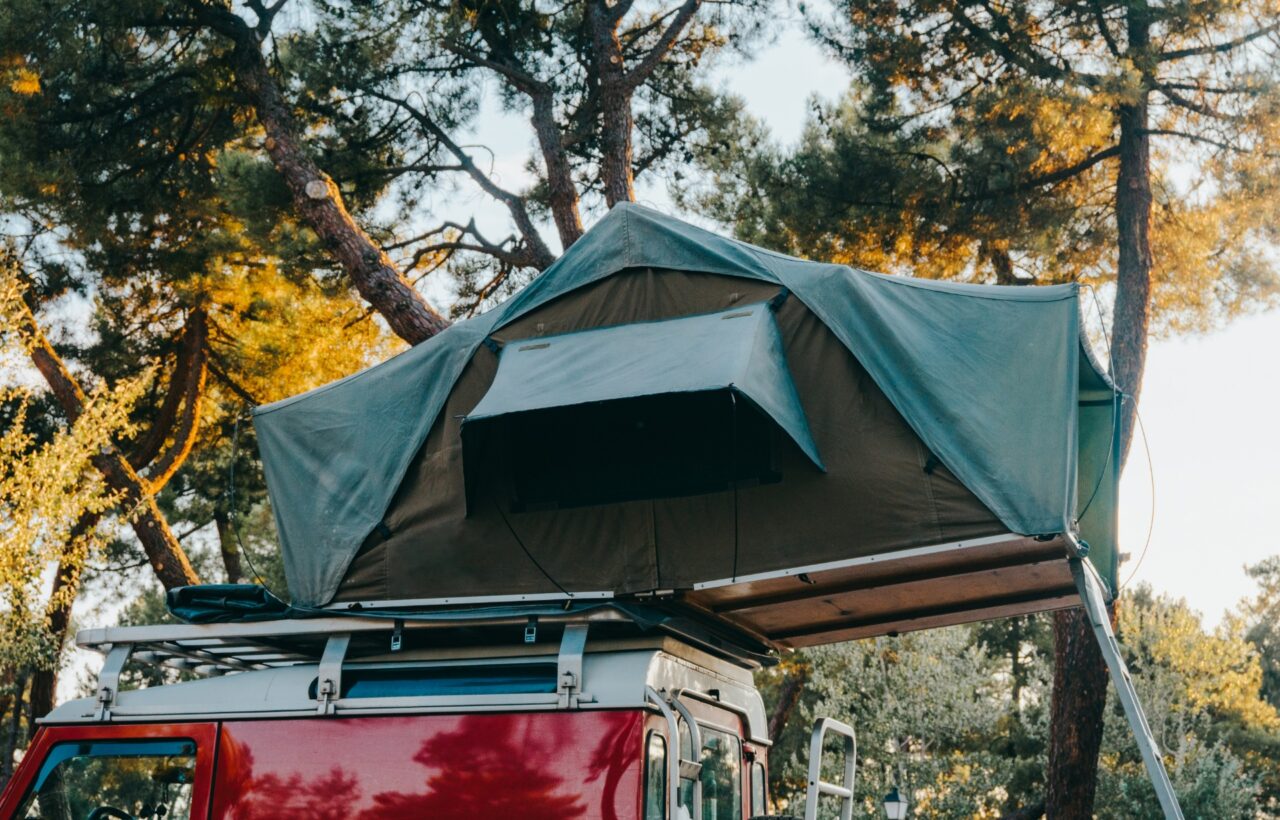
A rigid clamshell or pop-up lid opens on gas struts. Many open in under a minute. The shell stays attached, so rain protection is simpler and bedding can often remain inside.
Strengths: fastest setup, more aerodynamic when closed, tougher against brush and weather. Tradeoffs: higher price, often heavier, less interior volume than a similarly priced soft shell.
Best when you move camp often or hate packing wet fabric.
Inflatable and air-beam rooftop tents
These use air beams instead of a bulky folding frame. Some weigh less than 100 pounds, which helps smaller SUVs and vehicles with tight roof ratings.
Strengths: lower weight, simpler structure, useful on vehicles that cannot take a 160-pound shell. Tradeoffs: you depend on a pump and airtight beams; they are newer, so long-term durability varies more by brand.
Best when weight, not speed, is the limiting factor.
The numbers that decide whether a tent is safe on your vehicle
This is the part most product pages gloss over, and it is the part that matters first.
You need three ratings, not one:
- Vehicle dynamic roof load — how much the roof can carry while driving. Many passenger cars and compact SUVs sit around 100–165 pounds (about 45–75 kg). Larger SUVs and trucks may be higher. This number is in the owner’s manual.
- Rack dynamic load — how much the bars or platform can carry while moving. Factory crossbars are often too weak. Aftermarket bars or platform racks usually carry more, but the rack cannot exceed what the roof itself allows. Use the lower of the two ratings.
- Static load when parked — how much the roof and rack can support when you are sleeping in the tent. This is typically several times the dynamic rating, which is why two adults can sleep on a roof that could not carry those same two adults while driving. Do not treat “3x dynamic” as a guaranteed factory number. Confirm what the rack maker publishes.
Also check payload. The tent, rack, bumper, drawers, water, people, and cargo all count toward the same door-jamb sticker. A 150-pound tent plus a 50-pound rack is 200 pounds before bedding. On a midsize SUV already loaded with recovery gear, that can be the difference between legal payload and a sagging rear end.
Practical rule: add tent weight + rack weight + any roof-mounted accessories. That total must stay under the lower of vehicle dynamic rating and rack dynamic rating. Occupant weight only applies when parked.
If those numbers do not work, look at a narrower tent, a lighter inflatable, a truck bed rack, or stay on the ground. Forcing a heavy shell onto factory bars is how people crack roofs and void warranties.
What the full setup actually costs
The tent price is the advertisement. The working system is the bill.
Typical ranges in 2026:
| Item | Common range | Why it exists |
|---|---|---|
| Entry soft-shell tent | $800–$2,000 | Cheapest way onto the roof |
| Mid to premium hard shell | $2,000–$5,000+ | Speed, weather, lower packed height |
| Aftermarket rack or platform | $200–$1,200 | Factory bars often cannot take the load |
| Professional install (optional) | $150–$400 | Two-person lift, correct torque, alignment |
| Annex, awning, insulation, anti-condensation mat | $100–$800 | Comfort and moisture control |
| Leveling blocks, lockable ladder, shoe bag | $40–$200 | Daily use items people buy after trip one |
A usable first setup often lands between $1,500 and $7,000 depending on vehicle and tent type. A comparable two-person ground system — tent, quality pads, and bags — is usually a few hundred dollars. That gap only makes sense if you will use the speed and off-ground sleep often enough to notice.
Used tents exist and can cut the bill, but inspect for mold in the mattress and folds, cracked shells, rusted mounts, and worn gas struts. A cheap used tent that was packed wet is not a bargain.
How a night of rooftop tent camping actually works
The brochure version is “pop it open and climb in.” The real sequence is shorter than a ground tent, but it is not automatic.
Parking and leveling
Sleep quality depends on how level the vehicle is, not how pretty the view is. A two-degree tilt that you would ignore in a chair becomes a slow slide toward the downhill wall at 2 a.m. Park on the flattest pad you can find. Use leveling blocks under the tires if needed. Check both side-to-side and front-to-back. A cheap bubble level or phone app is enough.
Leave room for the ladder and, on fold-out models, the unfolding side. Soft shells need extra lateral space. Hard shells need overhead room to open. Low branches that look fine with the tent closed can tear fabric or block the lid.
Opening and climbing in
Hard shells: release latches, lift or let struts raise the lid, extend the ladder, clip or lock it, climb. Soft shells: undo cover straps, unfold the body, set poles or bows, stake or tension the fly if the model needs it, extend the ladder.
Practice this at home. First-night fumbling usually happens because someone skipped a dry run in daylight.
Ladder safety is the unglamorous risk. One person on the ladder at a time. Three points of contact. Lock the ladder before anyone climbs. Children need a rule, not a suggestion. If anyone in the group has balance, knee, or night-vision issues, a rooftop tent may be the wrong bedroom.
Sleeping comfort
Most tents include a 2–3 inch foam mattress. That is better than cheap ground pads and worse than a home mattress. People who camp in cold weather often add a topper or insulated quilt underneath because the aluminum base conducts cold. Shoes stay in a hanging bag or in the vehicle. Dirt in a rooftop tent is harder to ignore than dirt in a ground tent — there is nowhere for it to go except the bed.
The midnight bathroom problem
This is the complaint that never makes the product photo. You will climb down a ladder in the dark. Bring a headlamp you can find half-asleep. Keep shoes at the door. If someone in the group gets up several times a night, this alone can make a ground tent more attractive.
Leaving camp
You cannot drive to a trailhead with the tent open. Pack bedding if the shell will not close over it, collapse the tent, secure latches and straps, then drive. That extra 5–15 minutes is the tax you pay for a bedroom that is attached to the car. On a one-night roadside stop it barely matters. On a three-day basecamp it gets old.
Weather, condensation, and mold
Rooftop tents shed rain well because they sit above runoff and usually have a taut fly or hard lid. Wind is different. Elevation exposes the tent to more air. In a strong storm, the vehicle can rock. Park with the nose into the wind when you can, and do not treat a rooftop tent as a place to ride out severe weather. If conditions look dangerous, sleep in the vehicle or leave.
Condensation is the maintenance problem most buyers underestimate. You exhale moisture all night. In cool or humid weather that vapor hits cold fabric and metal and turns into droplets. Sealing every window “to stay warm” makes it worse. Leave vents or opposite windows cracked so air can move. A small fan helps. An anti-condensation mat under the mattress lets the base breathe. Canvas and some multi-layer fabrics handle vapor better than cheap coated nylon.
Never pack the tent wet and leave it closed for days. Mold can start in a closed, damp shell within a couple of days. If you have to leave in the rain, open the tent at home or under cover as soon as you can and dry the mattress, walls, and base. Open it every few weeks even in storage. That habit matters more than any spray.
Snow adds weight the static rating may not assume. Brush it off. Do not treat a parked tent as a snow roof.
Height, handling, and fuel use
A closed rooftop tent commonly adds 6–14 inches. That is enough to hit garage doors, parkades, drive-through canopies, and low branches. Measure the finished height before the first grocery run. Write the number on a card in the visor. People scrape tents on the same garage they measured “by eye.”
Weight high on the vehicle raises the center of gravity. On pavement most drivers notice a little more body roll. On off-camber trails the difference is larger. A rooftop tent is a poor match for a build that already spends its payload on bumpers, armor, and a winch if you also expect the truck to crawl off-camber lines.
Fuel use drops mainly because of drag, not the extra 100–200 pounds. Owners and tests commonly report about 5–17% worse highway economy, with low-profile hard shells toward the better end and tall soft shells toward the worse end. City driving shows less change. Removing the tent for daily commuting is the only reliable way to erase the penalty.
Drive a little slower on the highway. The aerodynamic cost rises quickly with speed.
Where you can legally sleep
A rooftop tent does not create a right to camp anywhere you can park.
On public land, follow the same rules as any vehicle camper: designated sites, dispersed-camping limits, fire restrictions, and stay caps. In campgrounds, some parks treat a rooftop tent as a tent and some treat it as a vehicle. A few push rooftop setups into RV spots. Check the park, not a forum rumor.
Highway rest areas are a gray zone in much of the United States. Many states allow a tired driver to sleep inside a parked vehicle and ban camping, which often includes pitching a tent or setting up outside living gear. A deployed rooftop tent looks like camping to some officers even if it is attached to the car. If you use a rest area, keep the stay short, stay inside the setup, skip chairs and stoves outside, and follow posted time limits. Do not assume “it’s part of the vehicle” will satisfy every patrol.
Private lots, trailheads, and city streets have their own rules. Permission beats a clever argument after midnight.
Roof ratings, clearance and the damp-tent problem
Buying the tent before checking the roof. Looks come last. Ratings come first.
Assuming “sleeps 3” means three adults plus bags. Brochure capacity is pads on a floor plan. Size up if you want to sit up, store clothes, or share with a child.
Skipping a home setup. Learn the latches, ladder locks, and packing sequence in the driveway.
Ignoring clearance. Garage door, parking garage, gas-station canopy, and the first forest branch are all part of the system.
Packing a damp tent. This is how mattresses smell like a basement by trip three.
Overloading the roof with extras. An awning, solar panel, and cargo box on top of a tent can blow the dynamic rating even if the tent alone was fine.
Choosing a site by view instead of level and ladder room. A beautiful slope is a bad bed.
Expecting wildlife immunity. You are harder for snakes and puddles to reach. Food still belongs in the vehicle or a locker. Bears are not confused by a ladder.
Leaving wet shoes and rain layers in the sleeping space. Moisture belongs in the car.
Rooftop tent vs ground tent: a decision table
| Factor | Rooftop tent | Ground tent |
|---|---|---|
| Setup after a long drive | 1–10 minutes once practiced | 10–30 minutes, longer in wind or dark |
| Sleep surface | Built-in mattress, off wet ground | Depends on pad and dirt |
| Cost to start | High (tent + rack) | Low |
| Vehicle must stay put | Yes, while the tent is open | No |
| Pets and kids | Ladder is a barrier | Walk-in |
| Fuel and height | Worse highway MPG, extra height | No change |
| Rocky or flooded sites | Strong advantage | Weak |
| Multi-day basecamp with day trips | Weak | Strong |
| Storage between trips | Bedding can stay in many hard shells | Pack and unpack |
Use a rooftop tent when the vehicle is the camp and you change places often. Use a ground tent when you need to leave the bedroom standing and walk away. Many households eventually own both and pick by trip, which is a more honest answer than declaring a winner.
A simple buying path that avoids most regret
- Read the vehicle’s dynamic roof load and payload sticker.
- Decide whether a rack upgrade is required. Price that first.
- Measure garage and daily-driving clearance.
- Count real nights per year and whether you move camp daily.
- Choose format: hard shell for speed and weather, soft shell for space and budget, inflatable if weight is the limiter.
- Size the sleeping area one person above the brochure if two adults will share it regularly.
- Budget for leveling blocks, a way to dry the tent, and a lock for the ladder or shell.
- Mount it, torque the hardware to spec, then do a full open-and-close at home before the first trip.
If step 1 or 3 fails, stop. A different shelter will treat you better than a tent that does not fit the vehicle.
Frequently asked questions
Do rooftop tents work on sedans and small crossovers? Sometimes, if the dynamic roof rating and rack can take the combined weight and you choose a lighter, narrower tent. Fit is a math problem, not a lifestyle photo. Many small cars are better served by a ground tent.
Can bedding stay inside? Often yes in hard shells, if you pack pillows and quilts so the lid closes without forcing the struts. Soft shells vary. Forcing a lid onto a stuffed interior is how people break hardware.
Are they warmer than ground tents? You avoid ground cold and puddles, which helps. The aluminum floor can still feel like a refrigerator. Insulation under the mattress and a warm bag matter more than the fact that you are off the dirt.
How long do they last? A well-made tent that is dried after trips and not overloaded can last many seasons. Cheap no-name shells have a weaker record for leaks, rust, and strut failure. Brand reputation is worth more here than in ground tents because repair is harder.
Should you remove the tent when you are not camping? If you can, yes. You get the garage back, the fuel back, and less UV and weather wear. If removal takes two people and a lift, many owners leave a hard shell on all season and accept the costs.
Rooftop tent camping is a specialized tool. Used for short stays, rough ground, and frequent moves, it removes the worst part of car camping: building a bedroom from scratch every night. Used as a fashion accessory on a vehicle that cannot carry it, or for trips that need the car at noon, it is an expensive ladder to a problem you did not have. Check the roof numbers first. Then decide whether your nights look like the kind this tent is built for.