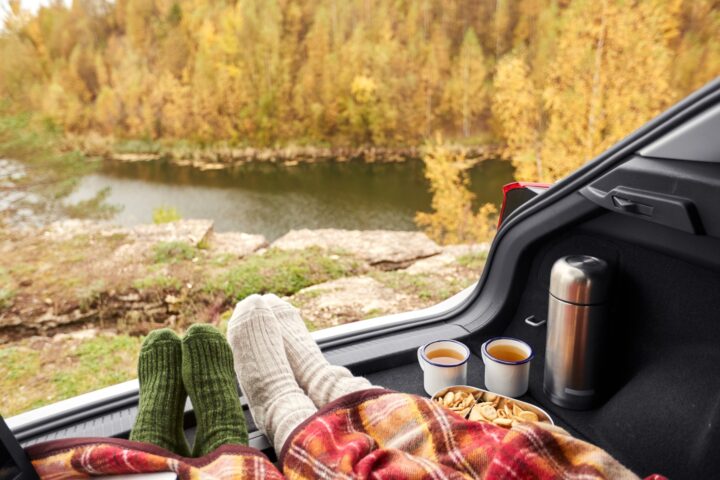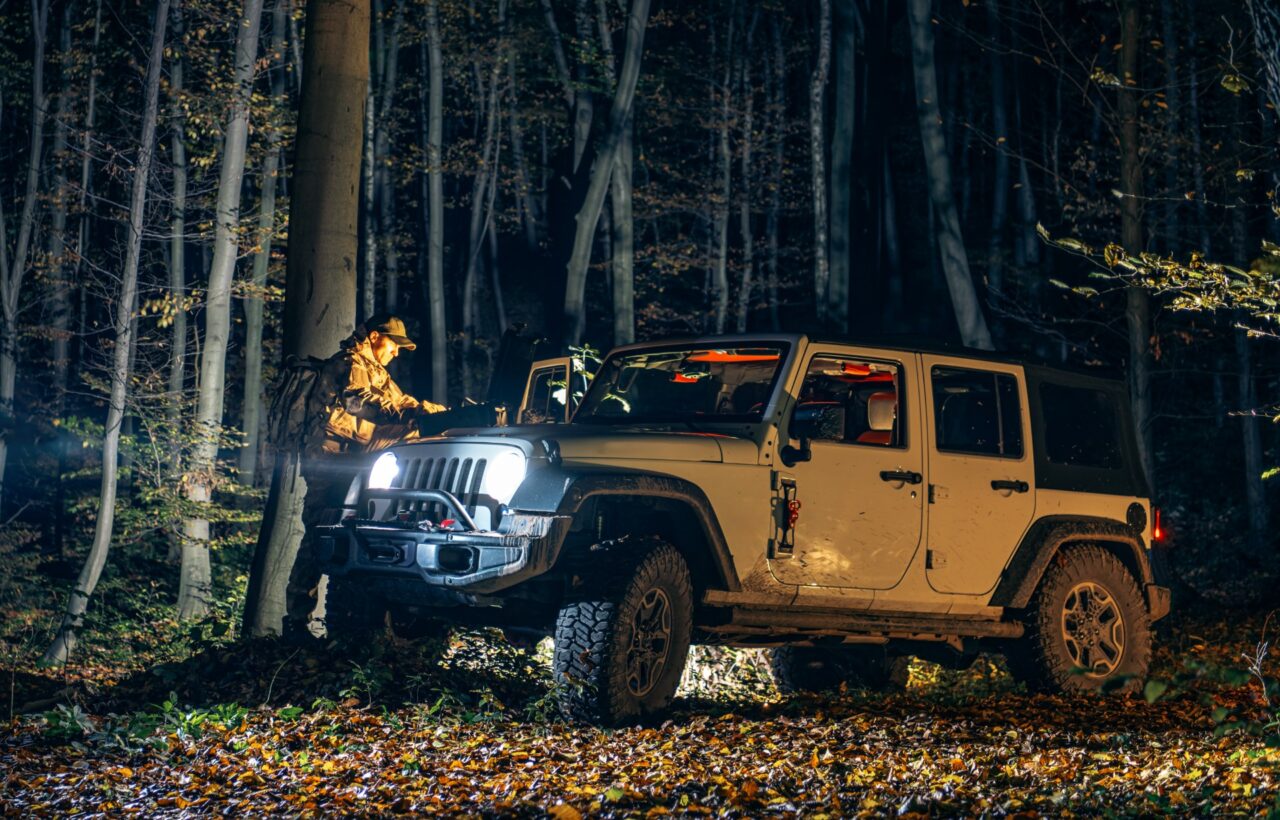
Crowded-campground tents are cheap but exposed, and trailers are comfortable but heavy and awkward on rough roads. Jeep car camping sits between the two: four-wheel drive and ground clearance reach remote forest and BLM tracks, and the vehicle itself becomes the shelter.
The cost is space. Cargo areas run tighter than in a full-size SUV or van, so sleep setup, gear choices and packing carry more weight. The focus here is interior and rooftop sleeping options, essential gear, a simple platform build, finding good spots, and comfort fixes that work without spending thousands.
Why Choose Jeep Car Camping Over Other Options
Most people look at a Jeep and think rock crawling first. It is also a vehicle that reaches places regular SUVs cannot. Four-wheel drive, solid ground clearance, and short wheelbase open remote BLM tracks and forest roads. That access beats any paved campground loop.
Space stays tighter than a full-size SUV or van, and that is the trade-off. A Grand Cherokee gives roughly 68 inches of cargo length with the rear seats folded, so someone around five-foot-ten fits with a slight curl. Taller campers often switch to rooftop tents. Fuel economy sits in the mid-teens when loaded, so plan stops carefully.
The real win comes from flexibility. On a Wrangler you can pull the doors or the top for open-air driving, then button everything up for sleep. Few daily drivers offer that mix of trail ability and overnight potential. Small crossovers like the Subaru Crosstrek handle mild roads well but lack the same confidence on steeper, rockier approaches.
Sleeping Setups That Actually Work in a Jeep
You have three main ways to sleep when you do jeep car camping. Each fits different trip lengths and weather.
Exposed rooftop tents can feel 5 to 10 degrees colder than cabin sleeping on windy nights.
Sleeping Inside the Cabin
Fold the rear seats flat. Fill any gap between the seat backs and cargo floor with bags or foam blocks. Lay a mattress or pad on top. In a Grand Cherokee the width between wheel wells runs about 40 to 42 inches. A narrow cot-size pad measuring 28 by 75 inches drops right in.
A cheap twin air mattress works at first, but a slow leak can leave you on the hard floor at 2 a.m. A thicker self-inflating pad is more reliable. One person sleeps fine. Two people make it cozy at best. Push the front seats all the way forward for extra length if you need it.
Ventilation matters. Crack the rear windows and cover them with magnetic mesh screens, which are inexpensive and keep bugs out while air moves. A small battery fan clips to the headrest and runs all night off a power bank.
Place reflective sunshade in windshield overnight to cut condensation and add privacy with mesh screens.
Rooftop Tents
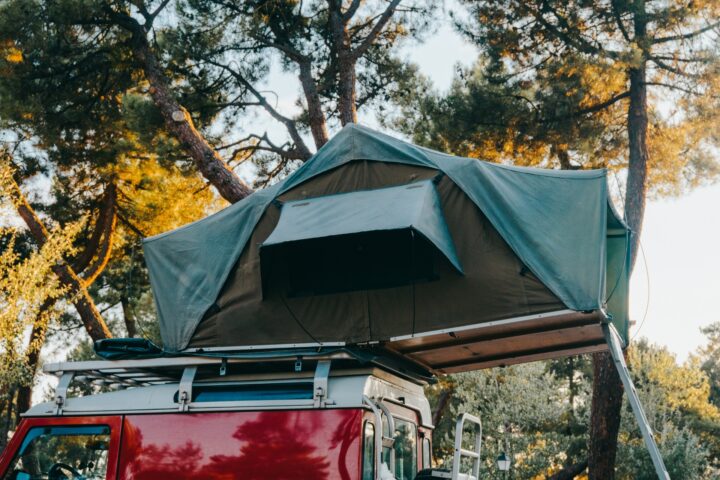
This option frees the cargo space completely. Mount a rack, bolt on the tent, and climb up at night. Popular choices start around eight hundred dollars for a basic soft-shell like the Smittybilt Overlander and climb past three thousand for hard-shell models such as the iKamper Skycamp.
Rooftop tents such as the Tepui set up in about ten minutes. Sleeping off the ground keeps you dry during a surprise rain shower. The downside is weight. Check your roof load rating. Most Wranglers handle it once you add proper crossbars. Storage under the tent stays available for coolers and bags.
Ground Tents Beside the Jeep
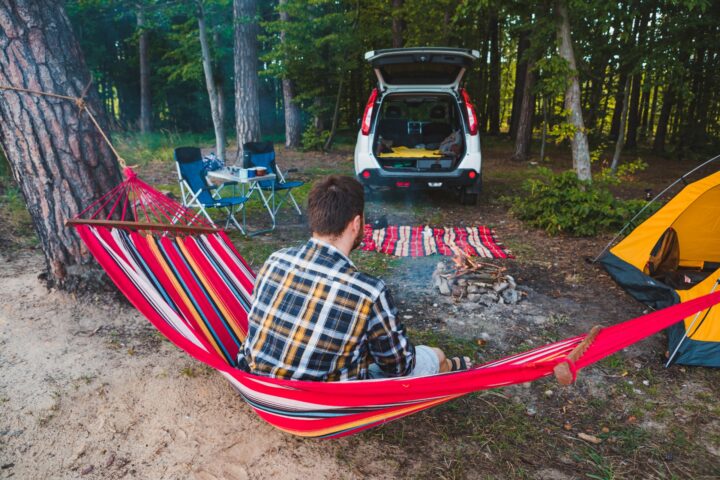
Sometimes maximum interior space for gear and cooking matters more. Pitch a regular tent next to the vehicle. Use the Jeep as a wind block and gear locker. This method costs the least and lets you drive out for day trips without tearing everything down.
A three-person tent gives room to change clothes, and a simple REI-style model stores easily in the cargo area. Setup runs under fifteen minutes once the site is chosen. On windy nights, stake it hard and park the Jeep on the windward side.
Essential Gear for Jeep Car Camping
Keep the list short and proven. Extra weight hurts trail manners and fuel range.
- Sleep system: Quality pad or mattress plus a twenty-degree sleeping bag. A better foam-core pad is well worth the step up from a thin budget pad. Real pillows beat rolled-up jackets every time.
- Window screens and fan: Fifteen-dollar magnetic screens plus a clip-on USB fan. Airflow stops condensation and keeps nights livable.
- Power station: A unit like the Goal Zero Yeti 400 is a clear step up from a cheap power bank. It charges phones, runs the fan, and powers a small light for two to three days.
- Cooking setup: Compact two-burner propane stove. A stove like the Eureka Ignite sits on the tailgate and handles coffee plus dinner without drama. Pair it with a cast-iron skillet and a five-gallon water jug.
- Cooler or 12-volt fridge: Hard cooler works for weekends. A portable fridge shines on longer runs.
- Recovery basics: Tow strap, shovel, tire repair kit. Remote spots demand them.
- Lighting: Headlamp and a small lantern. Keep spares in the glove box.
Soft-sided duffels pack tighter than hard cases. Load heavy items low and centered. The roof rack holds the light bulky stuff like the tent or sleeping bags.
Secure Goal Zero Yeti 400 so it cannot shift on trails, as 30 pound power stations become projectiles.
How to Build a Simple Sleeping Platform
A flat surface changes everything. A basic platform can be built in a single day with modest materials.
Start with 2×4 lumber for the frame. Cut pieces to span the cargo width and length. Add cross supports every twelve inches. Top it with three-quarter-inch plywood. Sand the edges and cover with outdoor carpet or a moving blanket so the mattress stays put.
A height of around eight to nine inches creates useful under-bed storage for the stove, water jugs, and bags. In a Grand Cherokee, a platform of roughly thirty-six by sixty-eight inches fits. Build it to slide out for cleaning at home.
Test the fit at home first. Make sure the rear hatch closes and you can still reach the front seats if needed. Simple latches keep the platform locked in place while driving. Expect the build to take around half a day.
Seal cut plywood edges with polyurethane to prevent moisture swelling from condensation under mattress.
Finding the Right Spots for Jeep Car Camping
Developed campgrounds suit trips where you want showers and neighbors. For quieter nights, look for free dispersed sites on BLM land or national forest roads.
Pull up the local BLM map or an app like Gaia before you leave. Look for open roads that allow vehicle camping. Stay fourteen days max in one spot, then move at least twenty-five miles. Always check fire restrictions and road closures.
Favor spots with a slight slope so rain drains away. Park facing east when possible. Morning sun warms the cabin faster. Keep at least one hundred feet from water sources. Pack out every scrap.
Public land around places like Moab has dirt tracks that lead to quiet overlooks pavement vehicles never reach. Arrive early on weekends. Good spots fill by afternoon.
Gaia offline maps are essential around Moab because overlook tracks lose cell signal quickly.
Comfort Tricks for Better Nights
Small upgrades compound. A better mattress tops the list. Moving from a thin foam pad or a cheap air mattress to a quality pad makes a night-and-day difference in sleep.
Ventilation prevents the muggy box feeling. Screens plus a fan do most of the work. In hot weather, soft top panels can come off if the site feels secure. Cold nights call for a closed-cell foam layer under the mattress for insulation.
Pack wool base layers. They handle moisture better than cotton. A packable puffy blanket adds flexibility, and a Rumpl-style blanket rolls up neatly in the back seat.
Level the Jeep if the ground tilts. Simple plastic leveling blocks under the tires take two minutes and stop the slow slide toward the door. A small broom or dustpan keeps dirt from grinding into the carpet.
Test the full setup in the driveway. Sleep one night at home. Fix the annoyances before you hit the trail.
Pros and Cons of Jeep Car Camping
Capability ranks first on the pro side. A Jeep reaches trailheads and dispersed sites that leave other cars parked at the bottom of the hill. Removable tops and doors create an open-air feel no other SUV matches. The interior cleans easily after muddy days. Drain plugs help.
Cons stay real. Cargo volume limits long trips with two people and full gear. Fuel stops come more often. Highway ride can feel firm after hours of pavement. Weather sealing is decent but not perfect in heavy rain.
For many campers, the Jeep is worth the compromise. The places it opens outweigh the tighter quarters. Larger SUVs tend to stay on easier roads, while a Jeep can climb higher to quieter spots.
Frequently Asked Questions
Can you really sleep in a Jeep for car camping? Yes. A four-door Wrangler Unlimited or Grand Cherokee gives enough length for most people under six feet with seats folded. Two-door models work better with a rooftop tent.
What size mattress fits best for jeep car camping? A narrow cot-size pad around 28 by 75 inches slides between the wheel wells cleanly. Twin air mattresses often need the front seats pushed forward.
Do I need a rooftop tent? No. Many people sleep inside or use a ground tent. Rooftop tents free cargo space and keep you off uneven ground, but they add cost and weight.
How do you handle power and charging? A portable power station like the Goal Zero Yeti 400 covers phones, lights, and a fan for multiple days. Solar panels extend it further on sunny trips.
Is dispersed camping legal with a Jeep? On most BLM and national forest land yes, within posted limits. Always verify local rules and leave no trace.
Refine the system after every outing. The core stays simple: solid sleep, reliable power, and access to quiet places. Start with the basics listed above. Add one upgrade at a time. Your first comfortable night on a remote track will lock the habit in place.