
Folded rear seats rarely make a flat bed. A car camping platform solves that with a raised deck above the wheel wells of a hatchback or SUV, turning the cargo area into one level sleeping surface with storage space underneath. The most important thing to get right is fit: measure the cargo floor, the gap between the wheel wells and any slope before choosing between a DIY build and a ready-made frame.
Adjustable legs, a solid mattress and organized under-bed storage handle the rest, and the car still works as a normal daily driver during the week.
What a Car Camping Platform Actually Does
Most cars leave a slope or a step when the rear seats fold. A mattress alone fills the space but leaves you tilted or jammed against the front seats. A car camping platform solves both issues at once.
It creates a continuous flat deck from the back of the front seats to the tailgate. Adjustable legs let you set the height so the surface stays level even when the cargo floor slopes. The space under the deck becomes a garage for coolers, bins, and boots.
A typical platform measures about 72 inches long and 40 inches wide when fully extended, enough room for someone around 5'10" to stretch out. Legs that raise it about 8 inches leave enough clearance for a 48-quart cooler underneath.
The biggest change is waking up without a kink in your neck. The platform keeps everything locked in place. Gear stays organized. Rain stays outside.
You still cook and sit outside most of the time. The car becomes the bedroom, not the living room. That trade-off works for weekend trips and longer road runs where you want to move fast.
Park with nose slightly uphill to offset cargo slope, then fine tune the 8 inch legs for a truly level deck.
Why a Platform Beats a Tent or Rooftop Setup
Ground tents come with their own costs. Setup can take 15 minutes on a good day, wet fabric needs drying after every trip, and thin walls offer little security near busy trailheads.
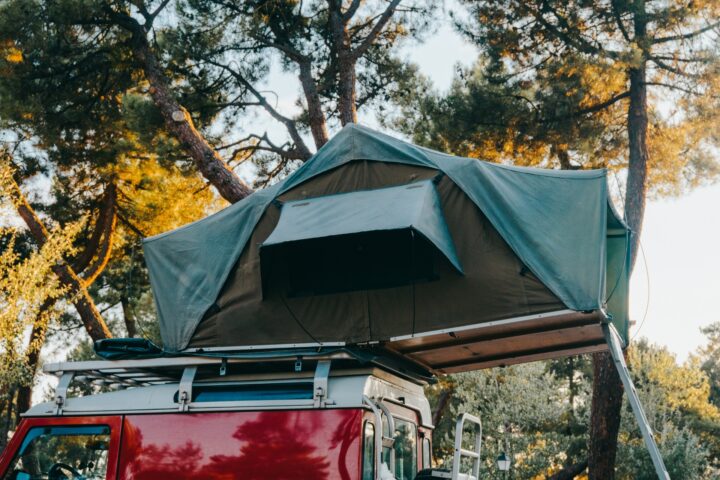
A rooftop tent looks appealing until you factor in the fuel hit and garage clearance. Many garage doors sit around 7 feet high, and most rooftop systems push a vehicle past that limit.
The platform stays inside the car. Setup takes about 60 seconds once the routine is familiar: pull into a spot, drop the legs, and the bed is ready. No ladder. No condensation bag to shake out in the morning.
Weather stays outside because the doors lock. Wind does not rock the bed the way it does a rooftop tent. Weight sits low on the cargo floor, so handling stays normal on rough roads.
Cost is lower too. A solid platform runs $400 to $900 for most adjustable aluminum models. A decent rooftop tent plus racks starts at $2,000 and climbs from there. Fuel economy stays the same because nothing rides on the roof.
A platform makes the most sense when the car needs to look ordinary during the week. It comes out in minutes if you need full cargo space for a furniture run. That flexibility matters more than the view from a rooftop.
Measure your 7 foot garage clearance with roof bars included before considering rooftop systems.
DIY Car Camping Platform vs Ready-Made Options
A basic DIY platform can be built from a 4×8 sheet of 3/4-inch plywood and folding table legs. Materials are inexpensive at a local lumber yard, and the project fits into a single afternoon.
The DIY route works if you already own a circular saw and enjoy measuring twice. You template the cargo floor with cardboard, cut around the wheel wells, and build a ladder frame underneath. Carpet or outdoor fabric on top kills the rattles.
Ready-made platforms skip the tools and the weekend. Brands like TrunkMate, CarToCamp, and the Hideaway from Pacific Adventure Works ship adjustable aluminum decks that snap in without drilling. Most weigh 30 to 60 pounds for a full double setup and fold small enough to store in a closet.
Price difference is real. DIY stays under $200. Ready-made starts around $650 for a solid adjustable model and can reach $1,200 with drawers. The store-bought version usually adjusts in both height and length. Many DIY builds only adjust in height.
Plywood can start to flex under two people, which is the main reason to upgrade. An aluminum version stays rigid and breaks down into pieces one person can carry. It also holds resale value if you change vehicles, while a DIY platform usually stays with the car it was cut for.
Choose DIY if the build itself is part of the fun and you plan to keep the same vehicle for years. Choose ready-made if you want to camp this weekend instead of spending it in the garage.
DIY plywood builds under $200 typically weigh twice the 30 to 60 pound aluminum models.
How to Measure Your Vehicle for the Right Fit
Three numbers decide everything.
First, length. Fold the rear seats. Measure from the back of the front seats to the closed tailgate at the height the bed will sit, not along the floor. That number needs to clear your height with a little room to spare. As an example, a Subaru Outback gives roughly 74 inches at bed height.
Second, width. Measure between the wheel wells at the narrowest point. Most double platforms need about 40 inches. Solo versions run closer to 20 or 30 inches and leave space for gear beside you.
Third, height from cargo floor to ceiling. Subtract the platform height and mattress thickness to see if you can sit up or change clothes. Higher platforms give more storage underneath but cut headroom. Lower ones reverse the trade.
Cargo volume in liters tells you almost nothing about fit. A slope of even two inches across the floor turns a flat mattress into a slow slide toward the tailgate. Adjustable legs cancel that slope. Fixed-height platforms often rock or leave gaps.
Write the three numbers down before you shop. Most makers list the adjustment ranges for length and height. Match those ranges to your measurements and you avoid the return shipping headache.
Key Features That Matter Most
Adjustable height ranks first. Around 7.5 inches lets a cooler slide under cleanly on most trips, and dropping it lower on short overnight runs adds sitting room. Continuous adjustment beats fixed settings every time.
Length adjustment comes next. Telescoping or multi-piece designs let the same platform fit different vehicles or leave one rear seat free for a dog or passenger. Some models extend from about 47 to 79 inches.
Material decides weight and durability. Aircraft-grade aluminum stays light and strong. Plywood works for DIY but gains weight and can hold moisture if not sealed. Avoid thin steel or cheap plastic.
Setup speed and removability matter on real trips. Tool-free systems that fold into the trunk or break into two halves win. A good design clears out in under ten minutes when the full cargo area is needed again.
Load rating should handle at least 400 pounds total. That covers two adults plus bags without flex. Rubber feet keep the platform from sliding and protect the floor.
Be skeptical of claims that a platform “fits any car.” Look for specific vehicle lists or clear measurement ranges instead.
Carry a tape to verify 47 to 79 inch extension and 400 pound rating before buying used platforms.
Storage Tricks Under the Platform
The space under the bed becomes the real advantage. A soft cooler fits on one side and a bin of cooking gear on the other. Shoes and a small power station slide into the remaining gaps.
Drawers or lift-out lids make access cleaner. Some ready-made systems include full-extension drawers rated for 50 to 80 pounds. Simple plastic bins are a cheap way to start before upgrading.
Keep the heaviest items low and centered. That helps handling on washboard roads. Soft bags go toward the edges so they compress if the legs need to sit closer to the wheel wells.
On longer trips, leave a clear path to the rear hatch so a jacket is within reach without climbing over the bed. A small headlamp clipped to the platform edge helps at night.
Setup Tips for Real Comfort
A good mattress makes the biggest difference. A 4-inch self-inflating pad that matches the platform width works well. Anything thinner lets you feel the joints.
Crack two windows an inch on opposite sides for airflow. Condensation builds fast otherwise, especially in cooler weather. A small battery fan helps on humid nights.
A thin foam square under the hips adds extra support. Blackout curtains or a simple privacy screen on the rear windows cut early light.
Temperature control stays simple. The car holds heat better than a tent once the sun goes down. In summer, park in shade and leave the windows cracked. In winter, a zero-degree bag and a closed hatch keep things manageable.
Test the whole setup in the driveway first. Level the platform, lie down, and check for pressure points. Fix those at home, not at 11 p.m. on a dirt road.
Car Camping Build: How to Make a DIY Sleeping Platform
A car camping build does not need a van conversion or a garage full of tools. If you choose the DIY route, a plywood sleeping platform is a one-afternoon project with basic tools. Plan the height around your storage bins first: the legs should clear your tallest bin by about half an inch, and 10 to 12 inches suits two medium bins while still leaving room to sit up.
Materials and tools
- One full sheet of 3/4-inch plywood (thinner sheets flex under two adults)
- 2x4s for the ladder frame and legs
- 1-5/8-inch wood screws and metal corner brackets
- Outdoor carpet for the top surface, plus a staple gun
- Optional hinges for a lift-up access lid
For tools, a circular saw, cordless drill, tape measure, carpenter square, clamps and a utility knife cover the whole build. No table saw is needed. Materials usually come to about $140 to $200.
Build steps
- Make a cardboard template. Tape pieces together, press them into the cargo floor and trace the real outline, including the wheel-well bumps.
- Transfer the template to the plywood, cut the deck and test-fit it in the car before building anything else.
- Build a ladder frame from 2x4s with cross members every 12 to 18 inches, legs wherever the deck spans open floor, and a corner bracket on every joint that carries weight.
- Pre-drill and screw the deck to the frame every 8 inches, then check that it sits level front to back and side to side.
- Staple outdoor carpet over the top. It stops rattles and gives the mattress something to grip.
- Cut a hinged access lid near the hatch end so you can reach the bins without crawling under the bed.
Building the deck in two pieces lets one person lift it out when you need the full cargo area. A two-piece plywood platform typically weighs around 45 pounds.
Keep gear from sliding underneath
Bungee cords stretched between eye hooks on the frame stop bins from shifting under hard braking, so ratchet straps are rarely needed. Label each bin, such as kitchen, sleep and clothes, so you can grab the right one in the dark. For cold-weather trips, a thin sheet of closed-cell foam between the plywood and the carpet adds insulation from the floor.
Power and kitchen around the platform
A compact power station fits in its own cubby under the deck to charge phones and run a small fan and lantern. Keep the stove, cook set and utensils together in one bin so cooking starts within a few minutes of opening the hatch. Always cook outside the car, never on or beside the platform, because fumes build up fast in a closed cargo area.
DIY Car Camping: Bedding, Gear and Overnight Parking
DIY car camping works best when the bed, the gear list and the parking plan are sorted before the first night. Here is what to put on the platform, what to pack under it and where you can legally stay.
Build a sleep stack that will not let you down
Cheap air mattresses can leak overnight and leave you on bare plywood. A 3-inch foam layer cut to the platform is more dependable, and a thin self-inflating pad on top brings the total to about four inches, which feels close to a real bed for two or three nights. Add a sleeping bag rated for the expected low, a packable comforter and real pillows from home. On cold nights, a bottle of hot water at the foot of the bag adds noticeable warmth.
A short gear list that fits under the deck
- Sleep: foam pad, sleeping bag, pillow and an extra blanket
- Kitchen: two-burner stove, one pot, one pan, a collapsible sink and a small cooler
- Power and light: a 20,000 mAh power bank or small power station, plus a headlamp in the door pocket
- Water: two jugs, one for drinking and one for washing
- Odds and ends: soft packing cubes for clothes and a lidded trash bin, since odors build fast in a closed car
Where you can park overnight
Developed campgrounds almost always allow sleeping in your vehicle on a paid site. National forests and BLM land usually permit dispersed camping for up to 14 days in one spot, and many rest areas allow short stops with time limits that vary by state. Avoid residential streets and private lots unless you have permission. Apps such as The Dyrt and onX help you check before you commit, but posted signs always win, so read them when you arrive.
Frequently Asked Questions
Does a car camping platform work in every SUV? Most mid-size and full-size SUVs and wagons can take one if the length and width measurements line up. Compact crossovers sometimes need a solo platform or a custom DIY version. Always measure first.
How long does setup take once you know the routine? Ready-made adjustable models usually go from folded to ready in under two minutes. With practice, setup can take about 90 seconds. DIY versions stay in place more often because removal takes longer.
Can I still use the rear seats during the week? Yes, with platforms designed to fold or remove completely. Take it out when you need passenger space and slide it back in before the weekend.
Is a platform safer than a tent? Many campers feel safer locked inside the vehicle with the doors shut. No one walks into the bed by accident, and the car looks like a parked daily driver rather than an open campsite.
What about condensation? Ventilation solves most of it. Crack opposite windows and avoid sealing the car completely. A moisture absorber packet under the platform helps on multi-night trips.
How much does a DIY car camping platform cost? Around $140 to $200 for plywood, framing and carpet, plus $50 to $80 for a foam mattress layer. Most people stay under $250 if they already own a sleeping bag and stove.
Do I need to remove the rear seats for a platform? No. Most platforms sit on the folded seats or the cargo floor. Removing the seats gains a few inches of length but makes the car less useful for everyday driving.
A car camping platform delivers reliable sleep without turning a daily driver into a permanent camper. Start with accurate measurements. Decide between DIY and ready-made based on time and budget. Focus on adjustable height and a solid mattress.
The rest comes down to packing smart and choosing spots where the car can sit level. Mornings feel easier when the bed stays flat and the gear stays organized underneath.
Go measure your cargo area this weekend. Then get out there and sleep better.