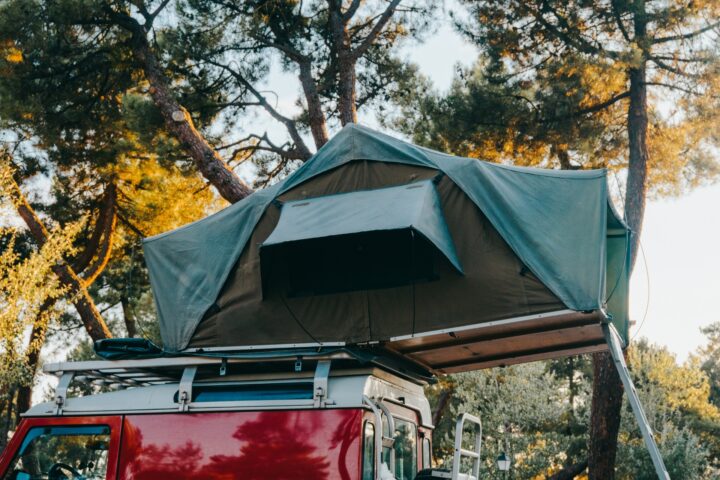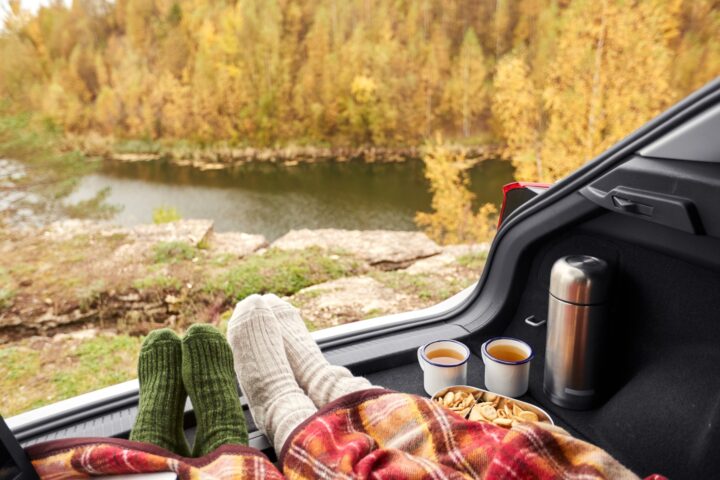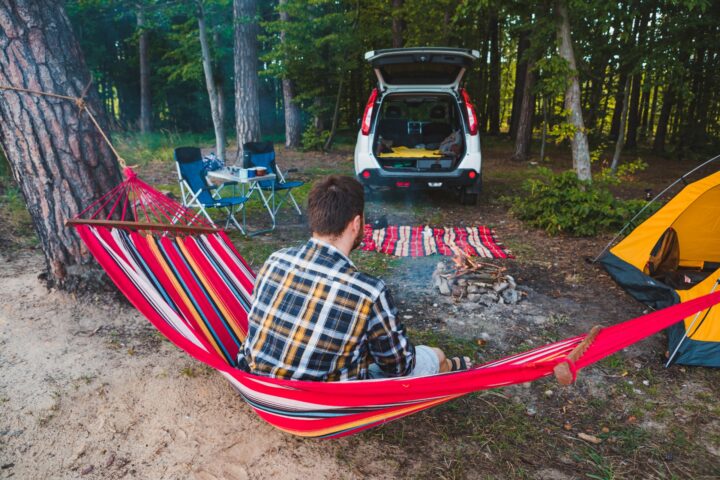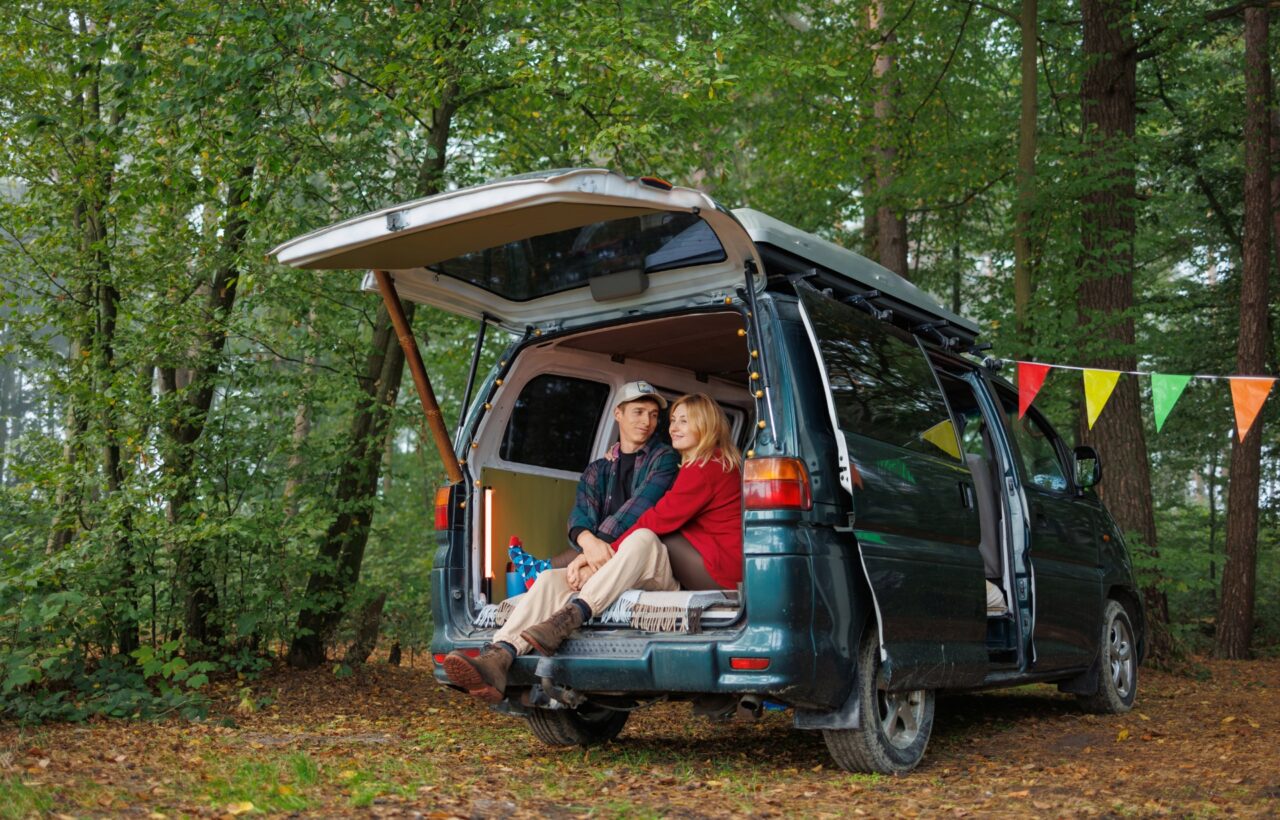
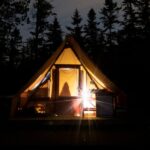
You pull into a quiet campground after dark, fold the rear seats into the floor, unroll a mattress and close the curtains. A few minutes later the van is a bedroom, and nothing about it has been cut, drilled or wired. That is the appeal of minivan camping without a build.
A minivan offers a long, flat sleeping area, better fuel economy than most large SUVs and a low profile in parking lots. The tips below cover vehicle choice, a removable bed setup, essential gear, where to park and how to stay organized on the road.
Why Minivan Camping Beats Bigger Options for Most Trips
Compared with full-size cargo vans and rooftop-tent SUVs, the minivan wins on three practical points.
First, the flat floor. With the second and third rows folded or removed, most models give you 80 to 90 inches of length and about 50 inches of width. That is enough for a full-size adult to lie flat without curling. An SUV cargo area usually stops short of that.
Second, fuel. A Sienna hybrid is rated around 36 mpg combined. A loaded Sprinter or large SUV drops into the low 20s or teens. Over a long road trip, that difference can cover a good share of the food budget.
Third, stealth. A minivan parks at trailheads, Walmart lots, and quiet side streets without drawing the same looks a high-top van gets. Pull into a rest area late, set the curtains, and it looks like any other parked family car.
The only real trade-off is standing height. You sit up fine. You do not walk around inside. For most campers that is a fair swap for the rest of the advantages.
Park nose out at trailheads and rest areas for faster morning exit while keeping curtains closed for stealth.
Best Minivans for Camping Based on Real Use
A handful of models keep showing up in campsites and online builds. Four stand out for different reasons.
The Toyota Sienna hybrid works well as both a daily driver and a camping vehicle. Standard hybrid powertrain, available AWD, and Toyota reliability. Cargo length with seats out hits about 87 inches. Maximum volume sits around 101 cubic feet. Fuel economy stays high even with gear loaded.
The Honda Odyssey wins pure interior space. Magic Slide seats make rearranging simple. Cargo volume reaches roughly 140 cubic feet with rows folded. It lacks hybrid and AWD options in current form, but the floor is long and flat.
The Chrysler Pacifica brings Stow ‘n Go seating. Both rear rows drop into the floor in seconds. That leaves the vehicle ready for passengers on Monday morning. Non-hybrid models offer AWD. Cargo volume tops 140 cubic feet.
The Kia Carnival leads maximum volume at about 145 cubic feet. Sliding doors and a boxy shape help with loading. No hybrid or AWD in most trims, yet the price point and space make it a strong contender for families.
The Sienna’s hybrid savings add up, and AWD helps on gravel forest roads. Your choice depends on whether you prioritize mpg, pure volume, or instant fold-flat seats.
Sienna AWD still needs all terrain tires for gravel forest roads, as stock tires slip when loaded.
A No-Build Minivan Camping Setup
Skip permanent cuts or wiring. When everything comes out in under ten minutes, the seats can go back in whenever they are needed. That rule keeps the vehicle usable for regular life.
Creating a Comfortable Sleeping Platform
Fold the third row into the floor and slide the second-row seats forward, or remove them for longer trips. Then lay a Milliard 4-inch tri-fold mattress (about $60 for the twin size) across the space. For two people, a full-size version still fits the 50-inch width between the wheel wells.
On colder nights, add a thin memory-foam topper. An air mattress alone conducts cold from the metal floor. The foam layer fixes that without adding much height. Keep total bed thickness under six inches so there is still headroom to sit up.
With a foam mattress and a 20-degree sleeping bag, nights in the low 40s are manageable without running the engine. A tri-fold foam mattress also stands up well to repeated use, since there is nothing to puncture.
Place a moving blanket under the Milliard tri fold to block cold from the metal floor on 40 degree nights.
Privacy and Ventilation Tricks
Blackout is non-negotiable. Reflectix cut to each window size does the job, and a full set costs under $25. The silver side faces out during the day for heat rejection. At night the black side keeps light from leaking.
For airflow, crack two opposite windows about one inch and clip small rechargeable fans to the frames. A pair costs around $30. Cross-breeze plus the fans clears condensation. Never sleep with the engine running. Carbon monoxide risk is real and unnecessary.
Window screens made from mesh and painter’s tape keep bugs out when the windows stay cracked. Setup takes two minutes and stores in a gallon bag.
Must-Have Gear for Minivan Camping
Start minimal and add only what solves a real problem. This core kit covers most trips.
- Portable power: A Jackery 500 can handle phone charging, the fans, and a small light for three to four days. Recharge it at campground outlets or with a foldable solar panel on longer trips.
- Cooler or 12V fridge: A basic cooler works for two-night runs. For anything longer, a compact Alpicool-style unit can draw from the power station.
- Portable toilet: The Thetford Porta Potti 135 fits under the bed platform when seats are out. Two-gallon tanks and treatment pods keep odor under control. Game-changer for early mornings or rainy nights when leaving the van feels miserable.
- Kitchen box: A plastic chuck box holds a single-burner Coleman stove, small cast-iron skillet, enamel pot, and utensils. Everything packs into one tote that slides under the mattress during the day.
- Window covers and fans: Already covered above. Non-negotiable.
- Lighting: USB puck lights stuck to the headliner and a string of low-draw fairy lights. Total cost under $20.
A functional kit like this can stay under $500. Adding pieces over a few months instead of buying everything at once keeps the experiment low-risk.
The gear list stays short because the minivan already supplies walls, a roof, and locks. You only fill the gaps.
Where to Park and Camp in a Minivan
Stealth works best when you look ordinary. Bureau of Land Management land and National Forest roads allow free overnight stays of up to 14 days in most places. Check the local rules and follow the 14-day limit.
For transition nights, Walmart parking lots or 24-hour truck stops can work where allowed. Arrive late, leave early, and keep curtains closed. A clean minivan that does not look lived-in rarely draws attention.
Established campgrounds are the better pick when you want a picnic table, water, and a real bathroom. The minivan fits any standard site, and the sliding doors make loading and unloading easy even in tight spots.
Avoid city streets overnight unless you know the local ordinance. A quiet residential area can work for a few hours of rest, but treat it as temporary.
Confirm overnight rules with Walmart managers and forest rangers, since 14 day limits and store policies change often.
Tips for Staying Organized on the Road
Clutter kills the experience fast. Zone the space.
Front seats stay clear for driving and daily bags. Under-seat bins hold snacks, first-aid, and a small tool kit. The bed area gets clothing and bedding only. Cooking gear lives in a chuck box that moves to the tailgate at mealtimes.
A roof box or hitch rack handles chairs, awning, and extra water, which keeps the interior open. Bungee cords and a cargo net under the headliner hold soft items like jackets and towels.
Each morning, roll the mattress, stow the covers, and restore passenger space if needed. The whole reset takes less than ten minutes. That discipline keeps the van from turning into a rolling junk drawer.
Frequently Asked Questions
Can you sleep comfortably in a minivan for multiple nights? Yes. With seats folded and a decent mattress you get a flat surface longer and wider than most SUV cargo areas, which makes several nights in a row realistic.
Which minivan works best for camping? The Toyota Sienna hybrid for fuel economy and available AWD. The Honda Odyssey for maximum interior volume. The Chrysler Pacifica if you want Stow ‘n Go convenience for dual family and camping use.
How much does a basic minivan camping setup cost? Under $100 gets you a mattress, Reflectix covers, and a cooler. A solid no-build kit with power station and toilet lands between $300 and $600. Full conversion kits start higher and require more commitment.
Do you need to remove the seats permanently? No. Folding works for most trips. Pull the second row only on longer adventures when extra floor space helps. Everything goes back in for regular driving.
Is minivan camping good in cold or hot weather? Manageable with the right layers. Reflectix and a good sleeping bag handle cold. Fans, cracked windows, and parking in shade manage heat. Extreme temperatures are a good reason to choose campgrounds with facilities.
Minivan camping removes the barriers that stop most people from getting out more often. You use a vehicle you already own or can buy used without a second mortgage. You sleep better than in a tent. You spend less on fuel and lodging. And you can still haul kids, dogs, or groceries the next day.
If you have been waiting for the perfect build or the right moment, skip the wait. Fold the seats, toss in a mattress, and take one overnight. The rest of the system builds itself from there.