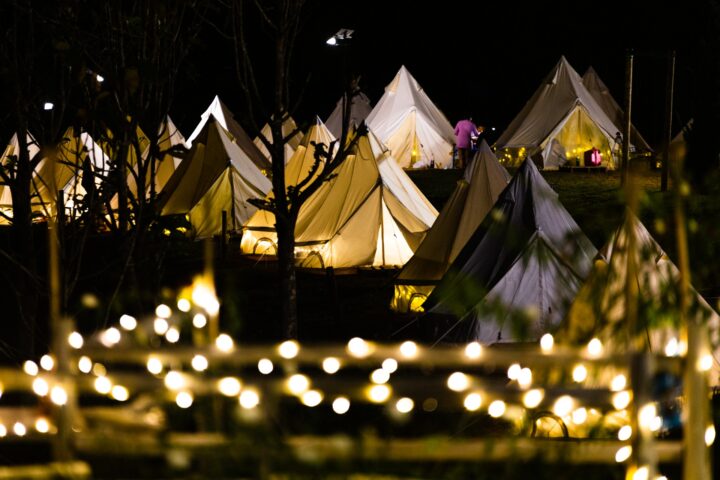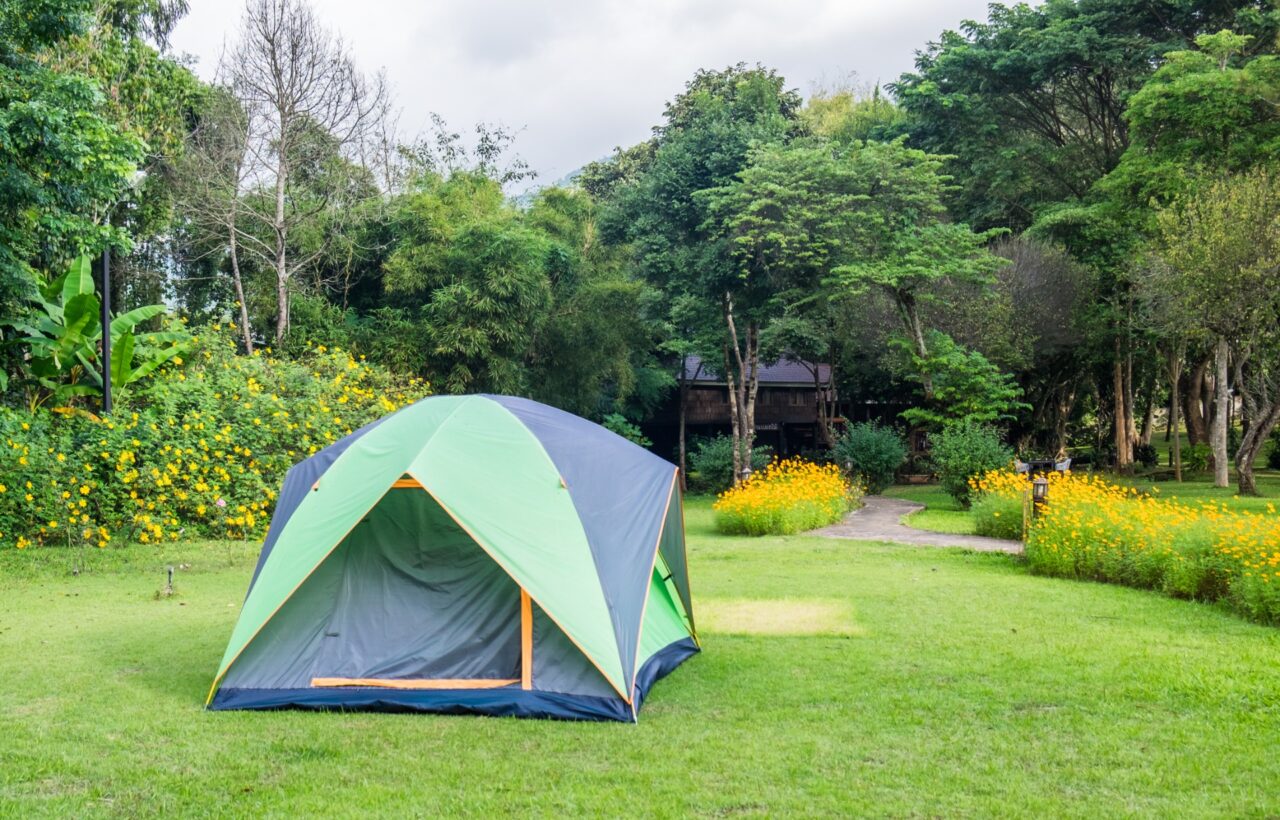
Before you buy or pack anything, walk the yard and find a level spot that drains well. Backyard tent camping depends on that patch of ground more than on any single piece of gear, since a low corner collects rain overnight.
Two more decisions follow: a sleep system that blocks ground cold, and a plan for rain, bugs and a bathroom twenty feet away. Handled well, a night in the yard is a low-stakes way to test gear and introduce kids to sleeping outside. Handled casually, it becomes a damp, noisy night that puts everyone off camping.
Why a night in the yard is worth the setup
People pitch a tent behind the house for two different reasons, and the gear list changes with the reason.
A practice night is a dress rehearsal. You learn whether the rainfly clips on correctly, whether a pole section is missing, and whether the sleeping pad holds air. Outdoor retailers and tent guides treat a home setup as the single most useful step before a first trip, because the first real pitch should not happen in the dark after a drive. Finding a broken zipper in the driveway is an inconvenience. Finding it at dusk at a campsite is the trip.
A backyard campout is the event itself. Families use it when a child is not ready for a full night away, when weather is mild, or when the goal is s’mores and flashlight tag with an exit nearby. Pediatric safety guidance often recommends a yard night before a real trip so kids can test sleeping outdoors with the house still in reach.
The limitation is honesty. A backyard night does not teach you how to manage a long drive, a vault toilet line, or a storm with no spare room. It does teach tent pitch, condensation, ground cold, and whether anyone actually wants to sleep outside. That is enough to make the next trip better.
What you need, and what you can leave in the house
Backyard camping borrows comfort from the house. You do not need a full car-camping kit.
| Priority | Bring outside | Skip or borrow from the house |
|---|---|---|
| Shelter | Tent, rainfly, stakes, guylines, groundsheet cut to the tent floor | Screen house, second tarp, canopy |
| Sleep | Sleeping pad or thick insulated layer, bag or blankets rated for the night’s low, pillow | Cot system you have not tested, electric blanket with a cord across wet grass |
| Light | Headlamp per person, one lantern | String lights that require an extension cord through a doorway all night |
| Food | Simple dinner, snacks, water bottles | Full camp kitchen if the house stove is available |
| Safety | First-aid basics, phone charged, bug protection | Any fuel-burning heater or stove meant to run inside the tent |
A tent rated for three seasons covers spring through fall rain and wind for most yards. Four-season tents are built for snow loading and tend to trap more moisture in mild weather. Size the tent one person larger than the group. A “two-person” tent is two people shoulder to shoulder with almost no gear.
If you do not own a tent yet, borrow one for the yard night. Buying before you know whether anyone sleeps through it is optional, not required.
Pick the spot before you unpack the tent
Walk the yard in daylight. The best patch is flat, slightly higher than the surrounding lawn, and clear of roots, toys, and sprinkler heads. Low spots collect dew and runoff. Under a dense tree can feel sheltered, but limbs, sap, and bird droppings land on the fly, and roots make a miserable floor.
Clear sticks and cones. Even a small object feels large under a pad at 2 a.m. Lie down on the chosen ground. If your head is downhill, you will slide. Orient sleeping positions with heads slightly uphill.
Check the forecast for wind and overnight low, not just the afternoon high. Yards often feel colder than the house because grass radiates heat away after sunset, and dew settles on anything left open. A night that is 55°F in the kitchen can feel close to 45°F on the ground.
Leave a clear path to the door. Kids and anyone who wakes up will use it. Do not pitch against a fence corner where a late exit means climbing gear in the dark.
Pitch so the tent stays dry
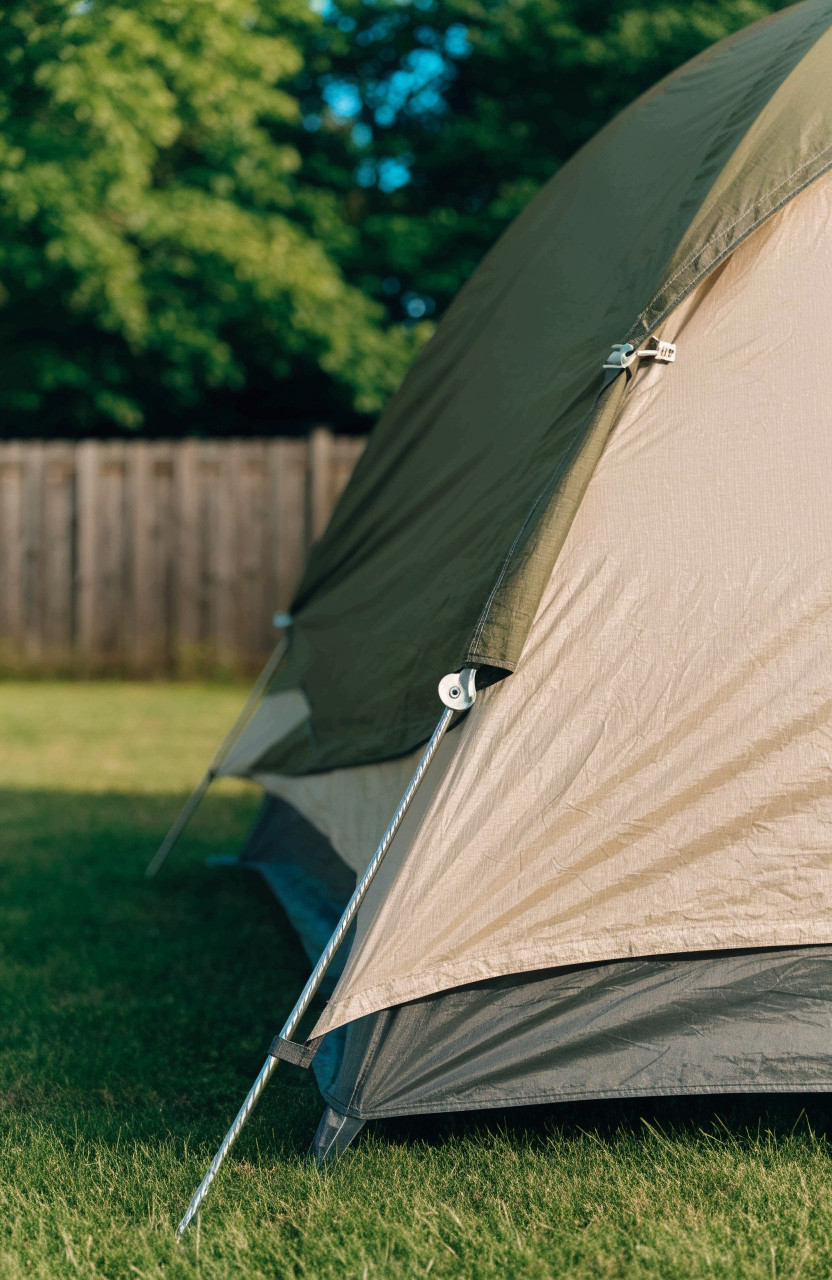
Most freestanding dome tents follow the same order.
- Lay a groundsheet or tent footprint, then the tent body. The sheet should not stick out past the tent floor. A larger sheet catches rain and funnels it underneath.
- Stake the four corners before you raise the poles if the site is breezy. Stakes go through the corner loops at about 45 degrees, pointing away from the tent, so they hold instead of lifting out.
- Insert poles along the sleeves or clips and raise the body. Do not force a pole that resists. Bent sections crack.
- Attach the rainfly fully, not halfway. A fly that stops above the walls lets wind-driven rain in.
- Stake out the vestibule and any guylines. A sagging fly touches the inner tent and transfers condensation onto sleeping bags.
- Open a vent or leave a small gap at the fly door unless the rain is horizontal. Sealed tents sweat. Moisture from breath condenses on the cooler fly and drips by morning. That drip is normal, not a leak, if the fly is on and the seams are sound.
Practice this once in daylight even if you have pitched before. Pole order and clip colors are easy to forget. A rubber mallet or a rock helps in hard or dry soil. If the lawn is soaked, wait. Wet grass packs into the floor and the stuff sack, and a tent stored damp grows mildew.
The sleep system matters more than the tent brand
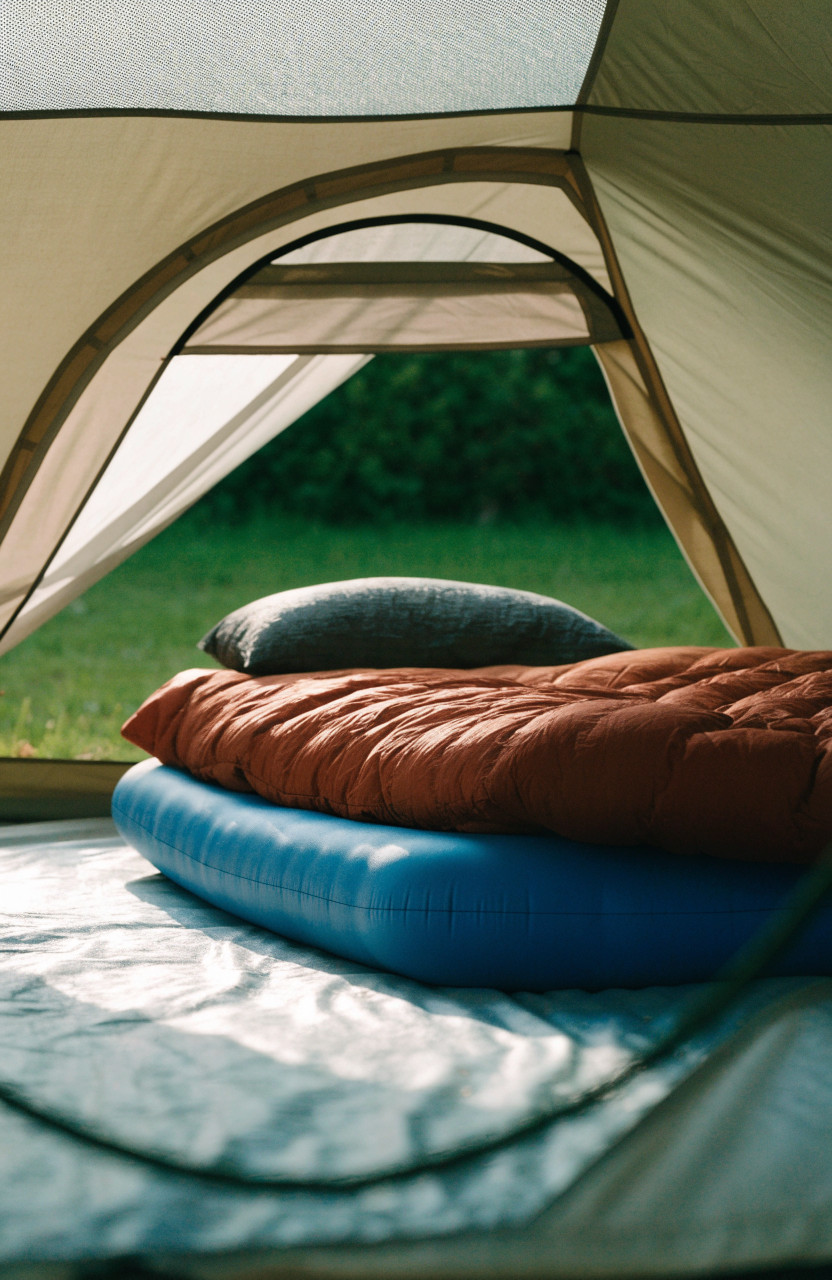
Cold comes from the ground, not only from the air. A sleeping bag under you compresses and stops insulating. You need a layer between your body and the grass: a closed-cell foam pad, an inflatable pad, or a thick stack of blankets you are willing to get dirty. Air mattresses from the guest room feel soft and often sleep cold unless you add a foam layer on top, because air moves heat away from you.
Match bedding to the overnight low. A summer bag or a quilt plus a blanket is enough for mild nights. If the forecast drops near the bag’s limit, add a hat and dry socks. Cotton pajamas hold sweat and feel clammy once the temperature falls. A spare layer in a dry bag inside the tent is more useful than another gadget.
Earplugs help. Yards are louder than people expect: air conditioners, dogs, traffic, and sprinklers. An eye mask helps if a neighbor’s security light hits the fly.
For infants, backyard camping does not suspend safe-sleep rules. Public guidance still calls for a firm, flat surface without loose bedding. A portable crib inside a larger tent is the usual approach. Infants should not be placed in adult sleeping bags with pillows and blankets.
Food, light, and the bathroom problem
Cook in the house or on a patio grill well away from the tent. A camp stove belongs outdoors, not in a vestibule with the door zipped. Fuel-burning stoves produce carbon monoxide, which you cannot smell. The same rule applies to propane heaters, charcoal, and anything with a flame. Do not run them inside the tent to “take the chill off,” and do not sleep with one going. If the night is too cold for bedding alone, sleep inside.
Keep food and scented trash in the house overnight. A yard is not bear country in most suburbs, but raccoons, skunks, ants, and the neighbor’s dog will investigate an open cooler. Crumbs in the tent become a morning problem.
Light the path to the door, not the whole yard. One lantern at the tent and a headlamp for each person is enough. Kids do better with a small light they control than with a dark walk across the grass.
Agree on bathroom rules before dark. Younger children often need a planned last trip and permission to come in without “ruining” the campout. Treating a 2 a.m. exit as failure is how backyard nights end early and badly.
Fire, heat, and the rules that apply at home
A fire pit is optional. Many successful yard nights use the kitchen and a lantern. If you want a fire, check local rules first. Cities and counties restrict open burning, and burn bans can outlaw recreational fires even when a store-bought pit is already in the yard.
Model fire codes used by many jurisdictions treat a recreational fire as a small fire, often no more than 3 feet across and 2 feet high, kept about 25 feet from structures and combustibles. Portable outdoor fireplaces sometimes follow a shorter setback, but local amendments, homeowner associations, and burn bans override the general picture. Seasoned firewood only. No trash, no treated lumber, no lighter fluid as a shortcut. Keep water or a hose ready, never leave the fire, and drown it until the ash is cool to the touch before anyone goes to the tent.
Sparks and nylon do not mix. The tent should be well outside the fire’s setback, upwind of drifting smoke if you can arrange it. Smoke in the tent is not ambiance. It is an air-quality problem, especially for children.
Extension cords across wet grass for heaters or blowers add trip and shock risks. Battery lanterns avoid that.
Bugs, neighbors, and noise
Mosquitoes gather at dusk, near standing water, and in still corners. Pitch in a breezier part of the yard if you have one, and close the mesh before sunset. Repellent with picaridin or DEET on skin and permethrin-treated clothing, used as labeled, works better than citronella candles. A fan at the tent door, powered only while people are awake and the cord is managed, discourages weak fliers.
Tell close neighbors if the plan includes kids past bedtime or a small fire. Most friction comes from surprise, not from the tent. Music belongs at conversation volume. Quiet hours still apply because the yard is not a campground.
Pets need a decision. A dog in the tent can be company or a night of pacing. If the dog stays in, bring their usual bed and a water bowl, and expect fur and dew on the floor.
Running the night with kids
Set the tent up with them while it is still light. Jobs that matter — carrying stakes, unrolling pads, choosing who sleeps where — make the tent feel like theirs. A scavenger hunt in the yard, card games, and a simple dinner beat a packed schedule.
Start the wind-down earlier than at home. The novelty delays sleep. A predictable sequence still works: last bathroom trip, pajamas, story, lights low. Flashlight tag is fine before that sequence, not after.
Have an exit plan that is not a punishment. “If you want your bed, we go in, and we can try again another night” keeps the campout from becoming a test of endurance. One night is enough for a first try with young children. The goal is to leave wanting another night, not to prove everyone can suffer until sunrise.
What the yard night tells you before a real trip
Use the morning as a gear check.
- Did the fly keep the inner tent dry, or did you leave a vent closed and soak the bags with condensation?
- Did anyone wake cold? That is usually the pad, not the bag.
- How long did setup take? First pitches often take 20 to 40 minutes. A second pitch should be faster. If it was not, mark the pole ends or photograph the layout.
- What did you wish was within reach? That item goes on the real packing list. What did you never touch? Leave it home next time.
Air the tent before you pack it. Shake grass and dirt off, then leave it open in the sun until the floor and fly are dry. Rolling a damp tent into the bag is the fastest way to ruin it. A backyard is the easiest place to do this step properly.
Problems that show up in the yard
The tent floor is wet in the morning. Check whether the groundsheet is larger than the floor, whether the site is in a low spot, and whether the fly was clipped and staked. Condensation on the inside of the fly is separate from a floor leak. Towel the fly, open the doors, and dry the tent before storage.
People slide or wake with a stiff back. The ground is not as flat as it looked. Re-site with heads uphill, and add pad thickness. Couch cushions work for one night if you accept that they will get damp.
Bugs are already inside. Close mesh earlier, check for a gap at the door, and do not leave a light on inside the tent with the door open. Kill or remove insects before sleep so no one spends the night tracking a single mosquito.
The night feels pointless because everyone came inside at 10 p.m. That is still a useful result. You learned the pitch, and you learned the current comfort limit. Try a warmer night or a later start to the campout, when dinner and games happen outside and only sleep is in the tent.
Wind lifts a corner. Add guylines and reset stakes at an outward angle. If the forecast is a real blow, skip the night. A yard tent is not a storm shelter.
Frequently asked questions
Can you camp in a backyard if you do not have a fire pit? Yes. Fire is atmosphere, not a requirement. A lantern, a simple dinner, and a working tent are enough.
Is backyard tent camping safe for toddlers? It can be, with an adult in the tent, a clear path to the house, no fuel-burning heat inside, and safe-sleep rules kept for infants. The yard’s advantage is that you can end the night without a drive.
Do you need a footprint? A groundsheet sized to the tent floor protects against damp and punctures from twigs or toys. Skip it only if you are willing to clean and dry the floor carefully afterward.
Will one night damage the lawn? A single night on dry grass usually leaves a pale patch that recovers. Do not leave the tent up for days, and do not pitch on saturated ground if you want to avoid mud and torn turf.
Should the tent stay up as a playhouse afterward? Only if you open it daily to dry and take it down before rain sits on the fly for a week. Ultraviolet light and stored moisture shorten a tent’s life faster than one careful campout.