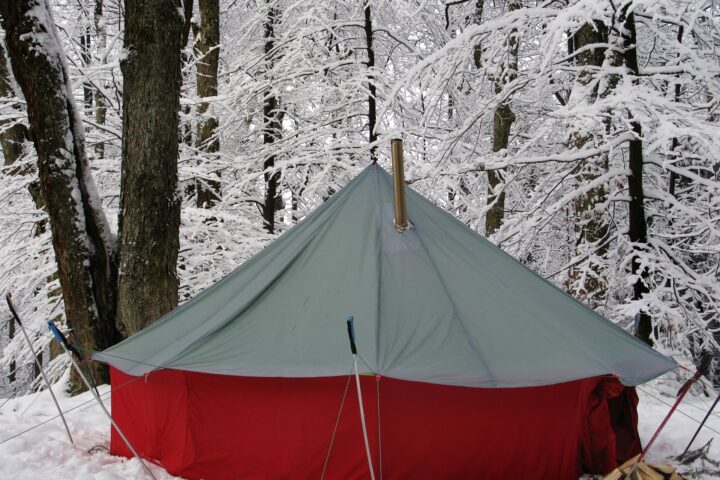
Hot tent camping is winter camping inside a shelter built to be heated by a small wood stove. The chimney leaves through a heat-resistant stove jack, so the fire stays inside and the smoke goes outside. The result is a room you can sit, cook, and dry clothes in when the air outside is below freezing. That comfort only works if the tent, stove, pipe, floor protection, and ventilation are treated as one system. A regular tent with a hole cut in the roof is not a hot tent.
What Makes a Tent a Hot Tent
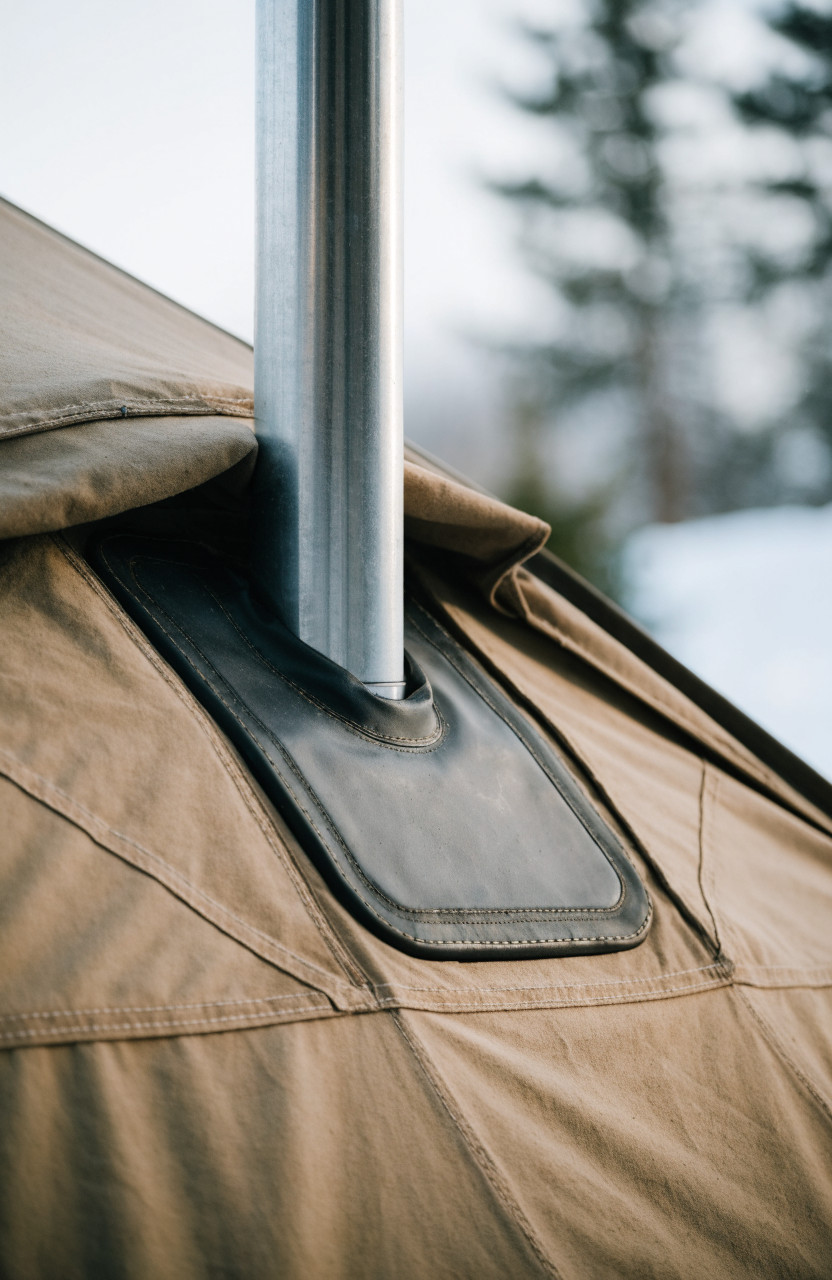
A hot tent is defined by the stove jack, not by the fabric brand or the number of seasons printed on the stuff sack. The jack is a heat-resistant panel, often silicone-coated fiberglass, set into the roof or upper wall so the chimney can pass through without melting or scorching the shelter. Four pieces have to match: a tent designed for stove use, a stove sized for that volume, a chimney with a spark arrestor, and a non-combustible base under the firebox. Miss any one of them and the setup is an ordinary tent with a fire hazard inside.
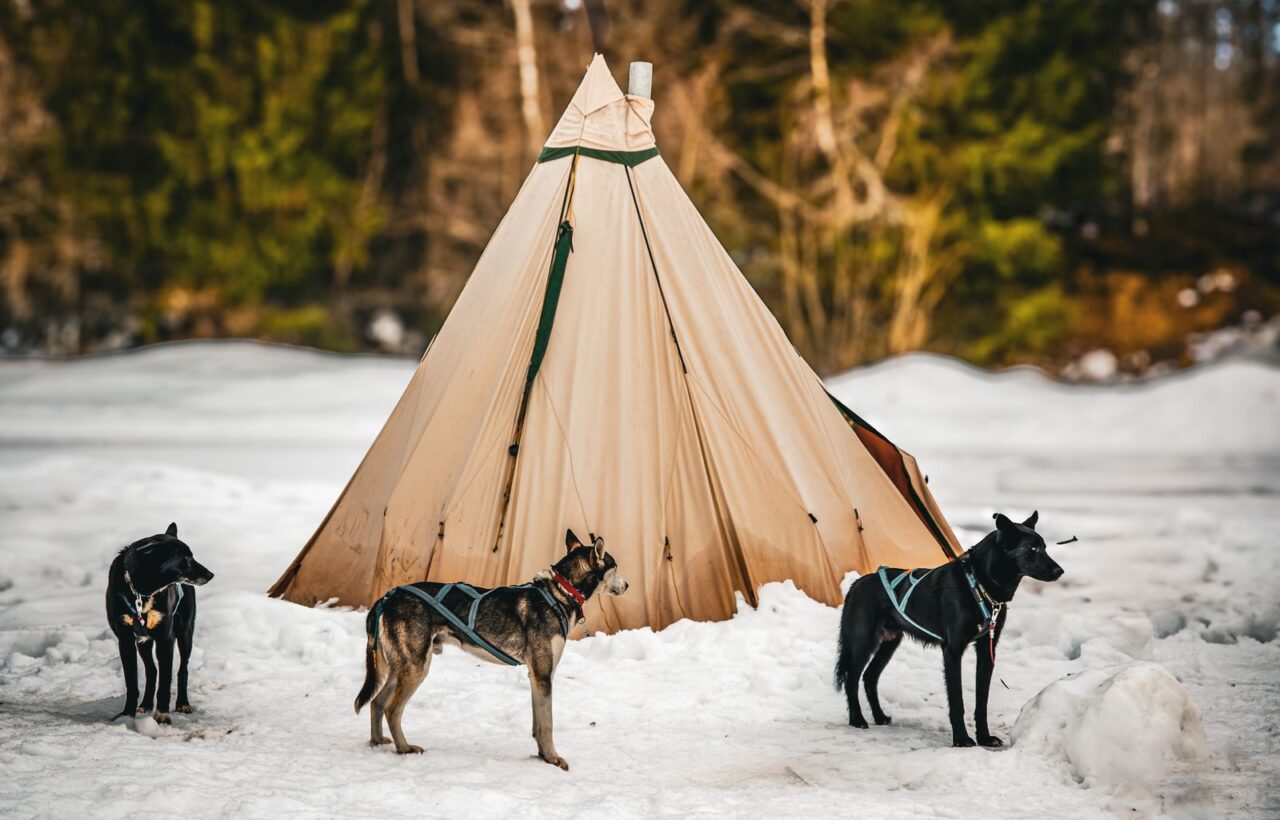
Canvas and polycotton wall tents are the traditional form. They are heavy, hold heat better than thin nylon, breathe more, and shrug off stray sparks better than synthetics. Tipis, pyramid tents, and some modern four-season shelters use the same idea at lower weight. Those lighter fabrics condense more readily and can melt the moment an ember touches them, so clearance and a spark arrestor matter more, not less.
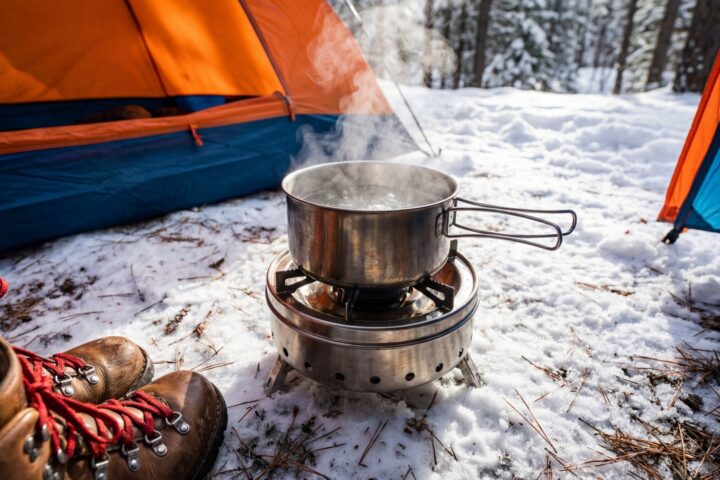
The stove does three jobs at once. It heats the air, gives you a flat cook surface, and dries wet layers that would otherwise freeze overnight. It does not replace a winter sleeping bag or an insulated pad. Small portable stoves often burn a load in one to two hours. Larger steel stoves hold heat longer. Neither version is a reason to treat the tent as a sealed cabin.
When the Extra Weight Is Worth It
Hot tenting pays off when you already spend several nights a season in real cold and want a base you can live in after dark, not just sleep in. Hunters, ice anglers, and car or sled campers use it as a heated wall tent. Ski tourers and winter backpackers use it only if a titanium stove and a light tipi fit the weight budget and legal fire rules.
It is a poor trade if you only camp once or twice below freezing, if every ounce already counts, or if local rules ban contained wood stoves along with open fires. In those cases a colder-rated bag, a solid pad, and a reliable stove for cooking outside usually solve the actual problem for less money and less risk. Entry systems often run several hundred dollars once tent, stove, pipe, mat, and alarm are counted. Premium ultralight pairings commonly pass $1,000.
A useful filter is simple. If you expect temperatures regularly below freezing, can carry or haul the stove, and can legally burn wood in a contained stove, a hot tent changes the trip. If the goal is one mild shoulder-season night, it mostly adds chores.
Canvas, Tipi, or Lightweight Synthetic
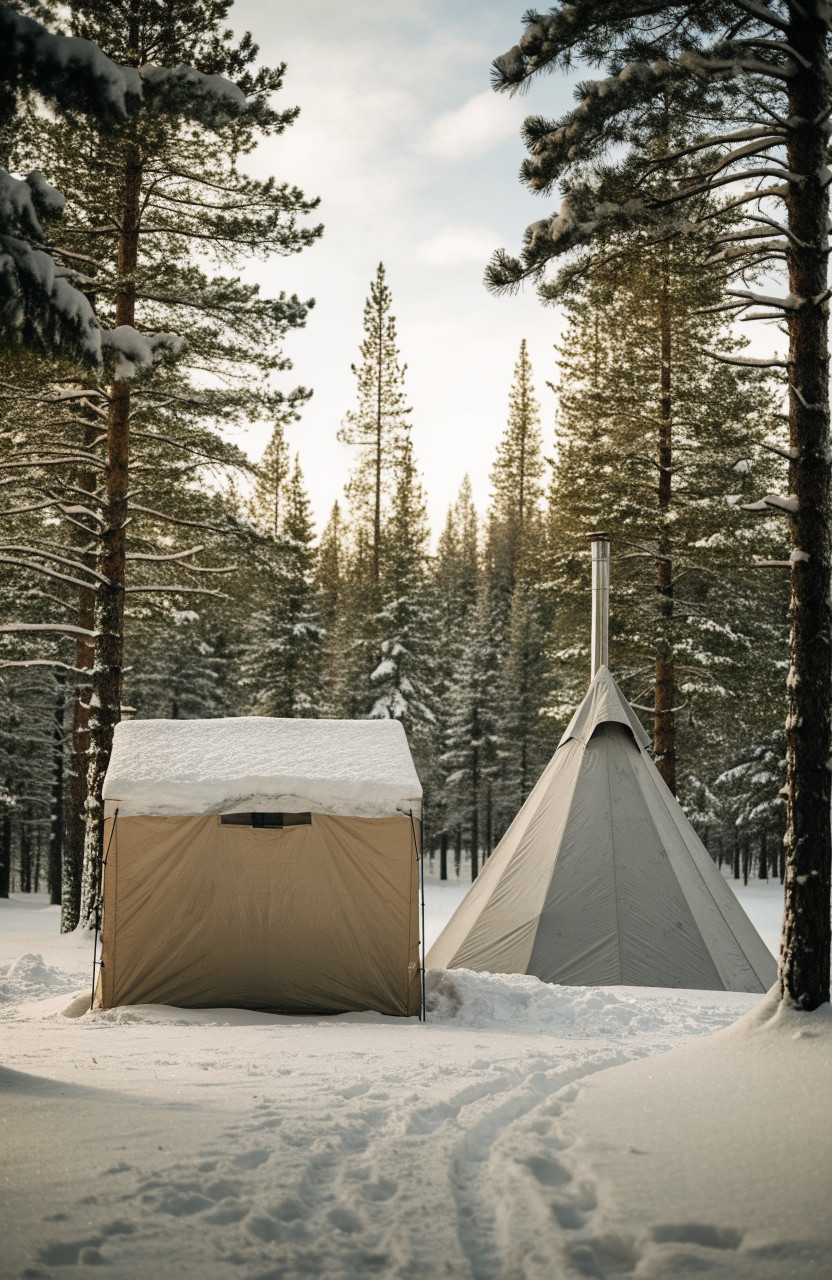
Shelter choice follows how you travel, not which shape looks best in photos.
Wall tents suit drive-in or pulk-hauled basecamps. The frame or ridge holds snow load better, the cotton or polycotton shell manages moisture more kindly, and the floor plan still has room after you subtract stove clearance. The penalty is weight and bulk. These are not backpacking shelters.
Tipis and pyramids pitch fast, shed snow well, and leave a natural high point for the jack. A solo or two-person model can work with a small stove if the manufacturer rates that pairing. Usable floor space shrinks once the stove, mat, and a safe exit path are placed. Count capacity with the stove installed, not the empty-tent number on the tag.
Lightweight nylon or polyester hot tents make backpacking versions possible. They also punish mistakes. An ember that would scorch canvas can hole synthetic fabric. Condensation is heavier because the shell does not breathe the way cotton does. Budget for a groundsheet and a plan for drip lines above sleeping bags.
Whatever the shape, confirm the jack diameter matches the pipe you will actually carry. A jack that accepts the wrong flue is not a minor accessory problem.
Matching the Stove to the Tent
Too large a stove overheats a small tent and stresses the fabric. Too small a stove leaves a wall tent cold and forces constant feeding. Manufacturers publish pairings for a reason. As a rough scale, compact stoves in the 5,000 to 10,000 BTU range are aimed at one- to three-person shelters. Medium tents often want something closer to 10,000 to 20,000 BTU. Treat those bands as a starting point and follow the tent maker’s limit.
Steel and stainless stoves are the basecamp default. They weigh more, hold heat after the flame drops, and tolerate rough handling. Titanium and thin stainless backpacking stoves cut the carry weight to a few pounds for stove plus pipe, then trade that for short burn times and less residual heat. A first firing should happen outdoors, not in the tent. Factory oils and coatings smoke off during that burn-in.
Burn dry, split hardwood when you can. Green or punky wood smolders, creosotes the pipe, and fills the tent with smoke the moment the draft weakens. Load no more than about two-thirds of the firebox so air can still move. Keep the door closed except while adding wood.
Setting Up So the Chimney Drafts and the Floor Survives
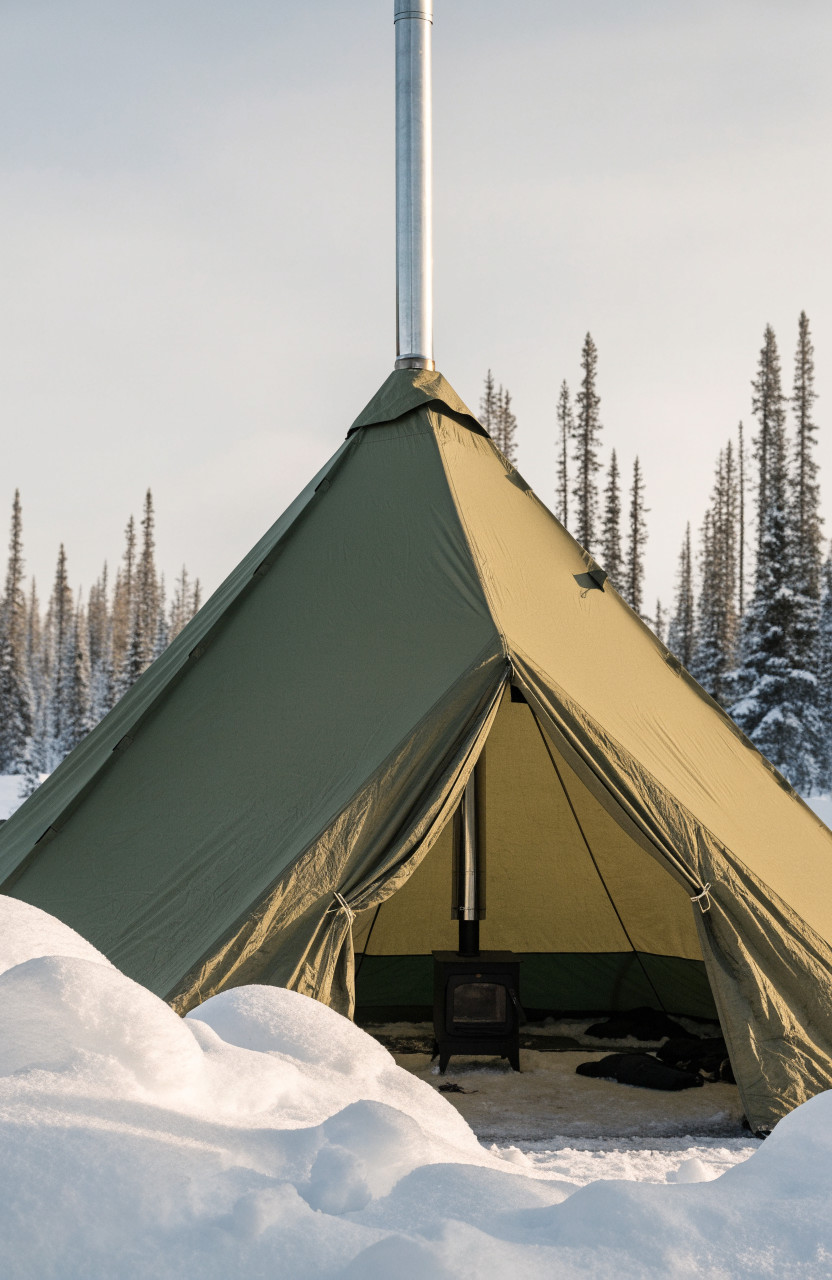
First-time setup often takes 45 to 60 minutes. Do it in daylight, ideally once in a yard before any winter trip. Arriving at dusk with an unfamiliar jack, pipe, and stake pattern is how people skip clearances.
Pick a site with a firm, level base, overhead clearance for the pipe, and some wind protection that is not a dead-air pocket. Check current fire rules before you travel. A contained stove is still a fire, and bans often cover it. Stake the tent square, open the vents the design relies on, then place the stove on a fire-resistant mat with the clearance the maker specifies. A common published minimum is about 50 cm (roughly 20 inches) from walls, gear, and sleeping bags, with the pipe outlet extending above the ridge. Use the number in your stove and tent manuals if it differs.
Assemble pipe sections so joints lock, add the spark arrestor, and guy the chimney if the kit includes lines. A loose pipe is both a draft problem and a tip-over risk in wind. Under the stove, snow will melt. Dig to ground where you can, or use a tough groundsheet and accept a wet ring. Sleeping pads should sit on insulation, not on bare melting snow.
Light a small coal bed, then build up. A wide-open damper and an overfilled box make a dramatic first half hour and a smoky, hard-to-control stove after that. Heat the tent for dinner, drying, and changing. Plan the night around a sleeping system that works after the fire dies down, not around someone waking every hour to feed a tiny box.
Fire, Carbon Monoxide, and Sleeping With the Stove Out
Wood stoves produce carbon monoxide. A chimney removes exhaust only when the draft is strong, joints are tight, and the tent still has intake air. A blocked flue, a cracked seam, or a fully zipped shelter can let CO build even though you see no smoke. The U.S. Consumer Product Safety Commission warns that people die from carbon monoxide when portable fuel-burning heaters, lanterns, or stoves are used in tents, campers, and vehicles, and advises against using those heaters while sleeping in an enclosed shelter.
Practical controls follow from that:
- Run the stove only in a tent with a real stove jack, never through an improvised cut.
- Keep intake vents open while the stove operates.
- Use a battery carbon monoxide alarm rated for the temperatures you will see, tested before the trip, placed near sleeping height, with spare batteries kept warm.
- Add a smoke alarm. Sparks and smoldering gear are a separate problem from gas.
- Fit a spark arrestor. Canvas resists sparks better than nylon. Neither is fireproof.
- Never leave a burning stove unattended.
- Do not sleep with the stove lit. Heat the shelter in the evening and again in the morning, and sleep in a bag and on a pad rated for the overnight low.
Early CO symptoms include headache, dizziness, weakness, nausea, vomiting, sleepiness, and confusion. They are easy to mistake for a cold or altitude. If an alarm sounds or anyone feels off, put the fire out if that is safe, get everyone into open air, and get emergency help.
A small extinguisher or a bag of snow or sand within reach belongs in the same kit as gloves and a scoop. The exit path has to stay clear of the stove and of drying lines.
Condensation, Wet Clothes, and Meltwater
A stove does not make a tent dry. People, wet boots, cooking, and the temperature gap between warm air and cold fabric still produce moisture. Canvas breathes more than coated nylon, so the drip problem is milder, not gone. Ventilation that feels wasteful at 10°F is what keeps sleeping bags from wetting out by morning.
Use the heat on purpose. Hang damp layers away from the stove, not draped over it. Rotate boots so one pair is drying while you wear the other. Expect the floor under and around the stove to get wet as snow melts. A groundsheet under the sleeping area, and a plan to shovel or drain that melt, matters as much as the stove itself.
The stove also does not remove the need for an emergency plan. If the pipe ices, the wood is wet, or a joint fails, the night reverts to ordinary winter camping. Pack for that version of the trip.
Troubleshooting Hot Tent Stove Hazards
Hot tent hazards usually start with a few avoidable choices about the shelter, the stove and the site.
| Issue | Where it comes from | Better approach |
|---|---|---|
| Fabric at risk around the chimney | Cutting a stove jack into a backpacking tent with ordinary fly fabric | Use a proper hot tent, since ordinary fly fabric is not a flue passage. |
| Stove too hot for the shelter | An oversized stove in a small synthetic shelter erases the clearances | Match the stove to the shelter so clearances hold and sparks stay off the fabric. |
| Poor draft and trapped exhaust | Every vent sealed to keep heat in, or the firebox overfilled | Keep the vents open and avoid overfilling the firebox. |
| Curing smoke in the tent on night one | Skipping the outdoor burn-in of a new stove | Do the burn-in outdoors before the stove ever goes in the tent. |
| First setup in wind and cold | Skipping a practice pitch at home before the trip | Pitch at home first so the real setup is not done in wind with cold hands. |
| Cold at dawn after the fire dies | Trusting the stove as the sleep system and bringing a light bag | Bring a bag rated for the dawn temperature, not just the stove's warmth. |
| Night spent managing the chimney | Tent sited in a wind tunnel or under snow-loaded branches | Choose a site out of wind channels and away from snow-loaded branches. |
Frequently Asked Questions
Can any wood stove go in a hot tent? No. Pipe diameter, jack material, tent volume, and clearance have to match. An oversized stove can overheat fabric. An undersized one will not heat the space and will need constant feeding.
Will the stove stay lit all night? Small backpacking stoves usually will not. Many burn a load in one to two hours. Larger steel stoves last longer, but safety guidance is still to extinguish the fire before sleep and rely on a winter bag and pad.
Does a hot tent remove condensation? No. Heat can dry surfaces while the stove is running. Occupants, wet gear, and cooking keep adding moisture. Vents stay open.
Is a carbon monoxide alarm optional if the chimney is installed correctly? No. Draft can fail, joints can leak, and CO is colorless and odorless. A tested battery alarm is part of the operating system, along with open ventilation.
Do fire bans allow hot tent stoves? Sometimes contained stoves are treated differently from open fires, and sometimes they are banned together. Check the land manager’s current order before you pack the stove.