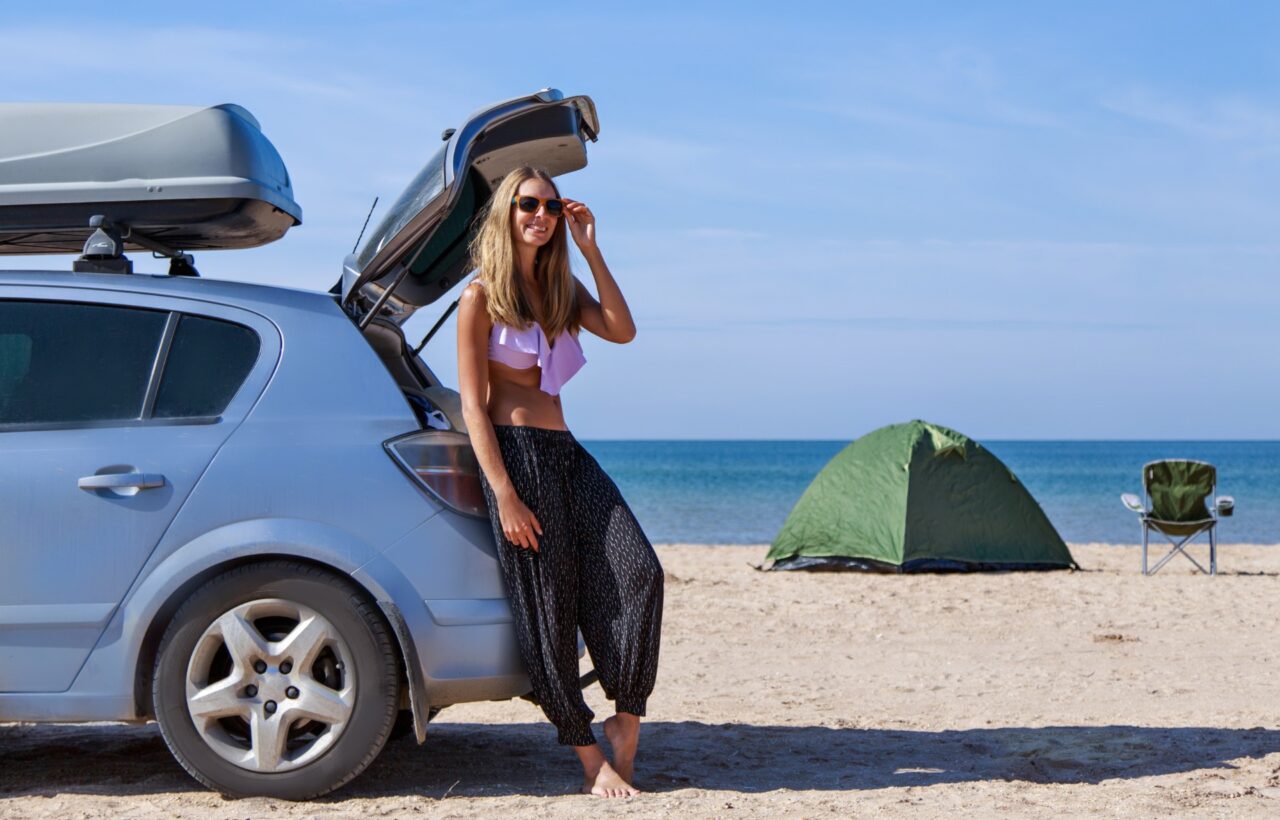

Beach car camping suits people who want to sleep within earshot of the surf without hiking in, and who are happy to check rules, read tide charts and live with some sand. It suits you less if you want a spotless vehicle, dislike planning around permits, or are not prepared to air down and carry recovery gear.
The sections that follow help you decide where and how to go, covering permits and stay limits, driving on sand, essential gear, tide safety, a few well-known beaches, and habits that limit sand and salt damage.
Checking Legality and Getting Permits
Most beaches ban overnight stays by default. You cannot just pull up and sleep. Legal beach car camping only happens where the managing agency says yes. National seashores, certain BLM coastal lands, and some state parks make the list. Everywhere else risks a ticket or a forced move at 2 a.m.
Start with the official park website or Recreation.gov. At Padre Island National Seashore the permit is free and self-registered at the entrance station. You get a paper tag to display. Stay limits run 14 days in most areas. On BLM land the same 14-day rule applies inside a 28-day window. Then you move at least 25 miles.
Cape Cod National Seashore takes it further. Overnight stays on the ORV corridor require a self-contained vehicle. That means a permanently installed toilet plus gray and black water tanks that hold at least three days of capacity. Portable cassette toilets do not count. Check this rule well ahead so it does not force a last-minute change of plans.
Assateague Island National Seashore in Maryland and Virginia allows drive-in camping with permits. Wild horses wander through some sites. Reservations open months ahead for peak season. Shoulder months like September open up easier.
Quiet hours usually run from 10 p.m. to 6 a.m. on federal land. Pack out every scrap of trash. Food storage rules kick in where wildlife shows up. Keep everything sealed inside the vehicle. No exceptions.
Check for seasonal closures tied to nesting birds. Piping plovers close stretches of beach from spring into summer. A quick call to the ranger station saves a wasted drive.
Picking the Right Vehicle and Driving on Sand
Most trucks and SUVs handle hard-packed sand without trouble. Soft sand is a different story. Four-wheel drive helps. High clearance helps more. A two-wheel-drive car can work on firm beach roads if you stay smart, but the risk of getting stuck rises fast.
Lower tire pressure before hitting the sand. From a normal 35 PSI, dropping to around 18 to 22 PSI is typical. The wider footprint floats better. Carry a portable compressor so you can air back up before the highway. Leaving the beach on soft tires is a bad idea.
Soft sand driving raises transmission temps fast, so a Tacoma needs steady momentum and wide turns to avoid digging in.
Recovery Gear Worth Carrying
A lightweight folding shovel from a hardware store digs sand out from under the tires and builds a small ramp. A set of MaxTrax traction boards gives the tires something solid to bite. A kinetic recovery rope rounds out the kit, so another vehicle can pull you free if you spin too hard near the high tide line.
Never spin the tires hard once you start sinking. That only digs deeper. Stop. Assess. Lower pressure more if needed. Clear the path. Place the boards. Ease forward.
Walk the route first when the sand looks soft. Five minutes on foot beats an hour stuck.
Attach kinetic ropes only to rated frame recovery points, never a tow ball, which can shear off under load and turn deadly.
Essential Gear for Beach Car Camping
Keep the list short. Sand and salt punish fancy setups.
A thick foam mattress cut to fit the truck bed or cargo area makes a solid base. A real pillow and a packable comforter make the difference between a rough night and solid rest. An outdoor rubber-backed mat goes right outside the door. Shoes come off there. Sand stays outside.
A 5-gallon water jug covers drinking and rinsing feet. A small whisk broom handles the final sweep before bed. Sunscreen, a wide hat, and long sleeves for the wind complete the basics.
For cooking, a simple two-burner stove and a small cooler with ice are enough. Fresh seafood tastes better on the beach, but never leave food out. Seagulls are bold.
Shade matters. A cheap tarp clipped to the side of the vehicle with a couple of poles cuts the afternoon sun. An awning works better if you have one mounted.
Recovery gear stays accessible. Shovel, boards, rope, and a tire pressure gauge live in one bin. Check the tide chart app before leaving the house and again after parking.
Watching Tides and Staying Safe
Tides catch people off guard. A perfect spot at low tide can sit under water six hours later. Look for the debris line of seaweed and shells, which marks the recent high tide. Park at least 50 feet above it, more if the forecast shows a strong swell.
Check the tide table twice a day. Apps work, but a printed chart is a smart backup in case the phone dies. Wind and weather matter too. Coastal storms build fast, so keep an eye on the marine forecast.
Rip currents form near breaks in the sandbar. Never swim alone, and stay within your limits. The beach looks calm until it does not.
At night the sound of the waves can hide other noises. Leave a headlamp with a red light mode by the door. It preserves night vision and avoids blinding anyone nearby.
Check moon phase before parking, new and full moons bring higher king tides that can push past the seaweed debris line overnight.
Popular Spots for Beach Car Camping
Padre Island National Seashore is a standout. Sixty-plus miles of undeveloped beach. Drive onto the hard-packed sand after you get the free permit. No designated sites on the open beach. You space yourself out as far as you want, and outside peak periods the shoreline can feel nearly empty.
Assateague Island delivers the wild horse factor. The Oceanside Drive-In campground puts you close to the Atlantic. Reservations are required in season. Bugs can be fierce, so pack good repellent.
In California the options tighten. Direct sand camping is rare. Thornhill Broome Campground at Point Mugu State Park sits right along the edge of the beach. Sites run about $35 a night. You hear the surf all night. Kirk Creek in Big Sur offers ocean views from the bluff, though you are not on the sand itself.
Bolivar Peninsula beaches in Texas offer another low-cost option. Some stretches allow free camping if you enter the right access road. Others require a $10 permit from a local store. Off-peak seasons such as late spring tend to bring fewer crowds.
Oregon Dunes National Recreation Area lets you drive and camp in designated zones. The sand is soft in places, so recovery gear becomes mandatory.
Every one of these spots requires you to confirm current rules before you go. Conditions and regulations change.
At Assateague, lock all food and scented items inside the vehicle, wild horses open coolers and tear tents for snacks.
Managing Sand and Salt Damage
Sand gets everywhere. Salt accelerates rust. A few simple habits keep both in check.
The outdoor mat is non-negotiable. Shake towels and shoes outside. A quick rinse of the undercarriage with fresh water before leaving the beach helps. Follow up with a full wash at the next truck stop or at home within a day or two.
Inside the vehicle, keep a dedicated bin for sandy clothes. The sleeping area stays as clean as possible. Wipe door seals and window tracks daily with a damp cloth.
After longer trips, inspect the underbody. Salt loves to hide in the frame rails and wheel wells. A protective undercoating helps if you do this often, and skipping it can lead to early rust spots.
Never use vinegar-based cleaners on salt residue. They can speed up corrosion. Plain water and a mild soap work better.
Salt hides in frame rails and hitch receivers, a $10 garden sprayer filled with fresh water reaches those spots before highway driving.
Frequently Asked Questions
Do I need four-wheel drive for beach car camping? Not always. Firm, hard-packed beaches allow two-wheel-drive vehicles if you air down and stay in existing tracks. Soft sand or steep access roads make four-wheel drive a smart choice for peace of mind.
How do I keep sand out of my vehicle during beach car camping? Use a mat at the door, remove shoes outside, and sweep often. A small whisk broom and a sealed bin for dirty gear cut the problem down to a manageable level. Perfect cleanliness is impossible. Controlled mess is realistic.
Is beach car camping free? Some spots like parts of Padre Island and certain BLM beaches cost nothing beyond the entrance fee or a free permit. Many state park sites charge $35 to $50 a night. Always verify before you arrive.
What is the best time of year for beach car camping? Shoulder seasons usually win. September and October bring warm days, cooler nights, and fewer crowds. Summer heat and holiday weekends fill popular spots fast. Winter works in the south if you prepare for wind.
Can I cook outside when beach car camping? Most places allow it if you follow fire rules. Use a stove or a permitted fire container. Never leave food unattended. Wind can turn a simple meal into a flying mess.
Beach car camping rewards the prepared and punishes the casual. A quiet sunrise over the water, with nothing but the sound of the waves, makes the sand in your socks worth it.
Plan the permits. Air down the tires. Pack the recovery gear. Stay above the tide line. Respect the place so the next person finds it the same way.
Next time the work week drags, load the truck and head for the coast. The waves will still be there.