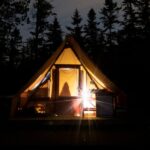
Backpacking rewards every ounce left behind. Car camping reverses that trade-off: the vehicle carries the load, so you can pack gear that makes a night outdoors feel close to home. These 27 car camping essentials cover sleep, food, light, safety and comfort.
Each item comes with a short note on why it deserves trunk space, from the sleeping pad and cooler to a compact jump starter. The goal is a complete kit that fits into a few labeled bins rather than a vehicle full of loose gear.
Planning a specific trip? The camping checklist generator builds a printable list from your nights, overnight low and campsite.
1. Spacious Tent
A three- or four-person tent makes sense even for solo trips. Extra room means you can stand up to change clothes and stash bags inside. Models like the REI Base Camp 4 handle rainy weekends well. Setup takes under ten minutes once you practice. A footprint underneath keeps the floor dry and lasts longer.
2. Sleeping Bag Rated for the Low
Temperature ratings matter. Pick a bag rated at least ten degrees colder than the forecast low; a 30-degree synthetic bag, for example, suits a 40-degree night. Rectangular shapes give more room to move than mummy styles when car space allows bulk.
Add a fleece liner to your synthetic rectangular bag for extra comfort on car camping nights when October temps dip below 40 degrees.
3. Thick Sleeping Pad
Ground cold sucks heat fast. A self-inflating pad with an R-value of 3 or higher makes a real difference. The NEMO Roamer, for one, packs into a stuff sack yet feels like a real mattress. Foam pads work in a pinch but feel thin after midnight.
4. Real Pillow
Camp pillows compress small and still support your neck far better than a stuffed jacket. A simple inflatable model weighs almost nothing yet makes the whole sleep system feel finished.
5. Two-Burner Camp Stove
Cooking one pot at a time slows everything. A Coleman two-burner runs on propane and fits two pans side by side. Breakfast becomes eggs and coffee at the same time. Always pack a full canister plus a spare.
6. Propane Fuel Canisters
Running out mid-meal ruins the mood. Two 16-ounce canisters usually cover a three-day trip. They store flat in the trunk and last through multiple weekends if sealed tight.
7. Hard-Sided Cooler
Soft coolers leak and warm up too fast. A hard cooler such as the RTIC 45-quart keeps ice solid for about two days even in 80-degree heat. Pre-chill it overnight with frozen water bottles so the first ice lasts longer.
8. Block Ice or Frozen Bottles
Cubed ice melts into a swamp. Freeze two-liter bottles the night before and pack them around food. They double as drinking water once thawed and keep the cooler colder longer.
9. Large Water Jug
Campground spigots can sit far from the site. A five-gallon jug with a spigot means you fill once and cook, wash, and drink without constant walks. Mark the level so you know when to refill.
10. Basic Cook Set
One pot, one skillet, and a lid cover most meals. Cast iron works over fire if the site allows. A small cutting board and sharp knife stored in the same bin keep everything together.
11. Plates, Bowls, and Utensils
Reusable sets beat paper waste. Pack one set per person plus a spare spoon. Stainless steel survives drops and cleans easily with a quick wipe.
12. Camp Chairs
Sitting on the ground gets old after the first hour. Folding chairs with cup holders let you watch the fire without a sore back. Sturdy models from brands like GCI run around $45 each and fold flat for storage.
13. Headlamp
Hands-free light saves trips to the car at night. A Black Diamond Spot lasts 30 hours on low. Keep extra batteries in a ziplock so a dead lamp never stalls a task.
14. Lantern for the Table
A soft glow over dinner beats phone flashlights. A rechargeable lantern can hang from a tree branch or sit on the picnic table. It doubles as a night light if someone wakes up.
15. Portable Power Station
Phones die. Lights need juice. A small Bluetti unit charges devices and runs a fan for hours. Plug it into the car while driving so it starts full every trip.
16. First Aid Kit
Cuts and scrapes happen. Restock a basic kit with bandages, antiseptic, tweezers, and pain relievers before every outing. A finger sliced on a can lid is exactly the kind of injury it can handle until you reach town.
17. Multi-Tool
Zippers jam. Stakes bend. A Leatherman handles pliers, knife, and screwdriver duties in one pocket. Clip it to your belt so it never gets buried in a bag.
18. Reliable Fire Starters
Matches get wet. Carry a ferro rod and waterproof matches in a small tin. Stormproof versions light even after a dunking. Two methods mean one failure never strands you.
19. Bug Repellent
Mosquitoes ignore good intentions. DEET or picaridin spray can live in the glove box year-round. Apply it before dusk and reapply after sweating.
20. Sunscreen
Shade disappears at open sites. A high-SPF tube belongs next to the bug spray. Reapply every two hours on sunny days to avoid the lobster look that ruins the next morning.
21. Biodegradable Soap and Toiletries
Camp sinks or no sinks, soap still matters. A small bottle of biodegradable dish and body soap keeps you clean without harming streams. Travel toothpaste and a quick-dry towel finish the kit.
22. Toilet Paper and Trowel
Camp bathrooms run out. Pack a full roll in a dry bag plus a small trowel for catholes when needed. Leave-no-trace rules mean packing out used paper in a sealed bag.
23. Layered Clothing
Weather swings hard. Base layers, a fleece, and a puffy jacket handle mornings that start at 40 and climb to 70. An extra pair of wool socks is always worth the space because wet feet ruin everything.
24. Rain Jacket
Sudden storms arrive without warning. A lightweight waterproof shell packs into its own pocket and keeps you dry while you cook or walk to the bathroom. Ponchos work but feel clammy after an hour.
25. Heavy-Duty Trash Bags
Leave no trace starts with packing out every wrapper. Line a small bin with a contractor bag and seal it nightly. Odors stay contained and the site stays clean for the next campers.
26. Duct Tape and Repair Kit
Gear fails at the worst moment. A mini roll of duct tape plus tent patches and a needle fix most tears. Even a $3 patch kit can seal a sleeping pad puncture well enough to last the weekend.
27. Compact Jump Starter
Dead batteries end trips early. A NOCO Boost unit weighs under two pounds and starts the car without another vehicle. Charge it at home and keep it in the center console year-round.
These 27 car camping essentials form the backbone of a well-equipped trip. Stored in labeled plastic bins, they pack in about twenty minutes instead of an hour of searching. The car carries the weight, so there is no reason to skimp on comfort items that turn a basic night into a restful one.
Frequently Asked Questions
What do I need for car camping if I already own basic gear? Start with the sleep system, a stove, cooler, water, lights, and a first aid kit. Add the rest of the 27 car camping essentials as budget allows and you learn what you actually use.
Can I sleep in my car instead of a tent? Yes. Fold the seats, add a thick pad, and cover the windows for privacy. A tent is still worth bringing as backup when space feels tight or temperatures drop.
How do I stay warm on cooler nights? Layer the sleeping bag over a high-R-value pad and wear dry base layers to bed. A Nalgene filled with hot water at your feet adds a lot of warmth on chilly nights.
What do most people forget? Extra fuel, trash bags, and a headlamp. Check those three items last before closing the trunk.
A printed checklist in the glove box makes it easy to cross items off as they go in. Next time you load up, grab these 27 and leave the guesswork at home. The trailhead will still be there when you arrive rested and ready.