Subaru car camping means sleeping in the cargo area of a Subaru, usually an Outback, Forester or Crosstrek, with the rear seats folded down. Symmetrical AWD and solid ground clearance make quiet forest pullouts easy to reach, and the cargo space is big enough for multi-day trips.
The most important piece is a flat, insulated sleeping surface. A pad that covers the step where the seats meet the floor and fits between the wheel wells matters more than any accessory. Once that is sorted, power, food storage and organization can stay simple, and each model handles them a little differently.
Choosing the Right Subaru Model for Camping
Not every Subaru works the same for sleeping and gear. The Outback, Forester, and Crosstrek each have strengths, and the differences show up fast once the seats fold down.
The Outback wins for most people. It gives about 75.7 cubic feet with the rear seats folded and a flat floor around 75 to 76 inches long. That length lets a six-foot person stretch out without major contortions. Ground clearance sits at 8.7 inches standard, or 9.5 inches on the Wilderness trim. Symmetrical AWD comes standard, which helps on long stretches of mixed pavement and gravel.
The Forester trades some length for height. Cargo volume lands near 74.2 cubic feet and the flat floor measures closer to 70 to 72 inches. Headroom feels roomier, so sitting up to change clothes or cook a quick meal with the hatch open is easy. If you are under 5'10" or value that upright space, the Forester makes sense.
The Crosstrek stays compact. You get roughly 55 cubic feet and a floor closer to 66 to 69 inches. Solo campers under 5'8" fit fine. Two people get tight unless you add a rooftop tent. Fuel economy stays strong, which matters on long remote stretches.
Wilderness trims add higher clearance and tougher tires across the lineup. On a muddy two-track, X-MODE in the Crosstrek sends power where it is needed. Steady throttle works better than aggressive inputs. The system figures it out if you give it a second.
Pick the model that matches your height and group size first. Then build the sleep surface around those numbers.
Building Your Sleeping Setup
A flat, insulated surface turns the cargo area into a real bed. Three main approaches work, and each has clear trade-offs.
Fact: Cold seeps through folded seats fast, so prioritize insulation value over thickness when comparing Subaru bed options.
No-Build Options
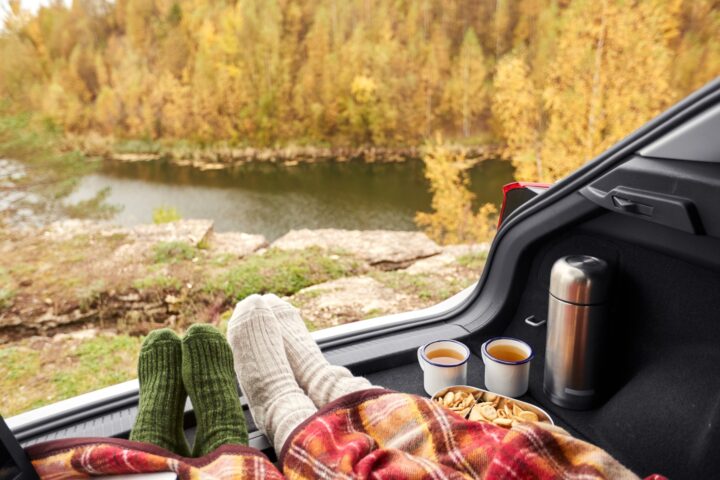
Fold the rear seats. Lay down a quality pad or air mattress. Stuff soft bags into the footwell gap to level the surface. This costs almost nothing and comes out in minutes when you need passenger space again.
A tri-fold foam mattress such as the Best Choice model, around 75 by 39 inches with four inches of foam, is a solid starting point. On cooler nights, add a sleeping bag rated to 20 degrees. The slight step where the seats meet the cargo floor disappears once the pad covers it. Two narrow pads work better than one wide one because of the wheel-well pinch.
Ventilation matters. Crack the rear windows and add mesh screens so bugs stay out. Reflective window covers cut morning light and hold heat or cool air better.
Cut Reflectix to fit Forester and Outback rear windows for custom mesh backed covers that block light and retain warmth.
Platforms and Kits
A raised platform levels everything and creates storage underneath. DIY versions use 3/4-inch plywood and 2×2 lumber. Materials usually stay under $300. You cut legs to match the slight slope of the folded seats so the top stays flat. Many people aim for six inches of under-bed height.
Ready-made kits drop in without drilling. They secure to the factory tie-downs. Some include drawers. A platform can stretch the usable length to roughly 6 feet 7 inches. Width stays near 41 inches, enough for two people if you accept close quarters. The extra storage underneath holds bins for clothes, tools, and a small fridge.
Remove the platform when you need the seats. Most designs come apart in a few minutes.
Warning: A 3/4 inch plywood platform can add 60 plus pounds, so weigh your build to preserve Subaru payload for fridge and bins.
Rooftop Tents
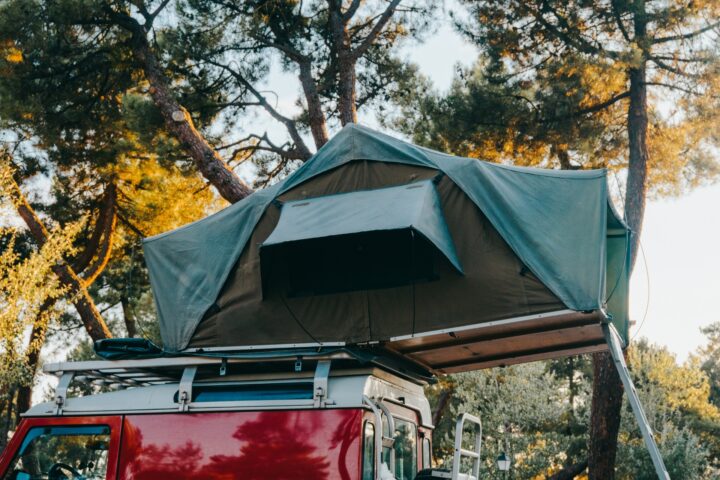
Mount a tent on the roof rails and sleep above the vehicle. This keeps the interior free for gear and cooking. Static load ratings on many Subaru rails support 700 pounds or more when the vehicle sits still. Dynamic ratings while driving stay lower, so check your specific model.
Rooftop tents such as the Thule Approach fit a Crosstrek and set up in under five minutes with practice. You stay off the ground, away from mud and critters. Downsides include higher fuel use from wind resistance and the need for a ladder. A hardshell version can cut drag compared with a soft shell.
Tailgate tents that attach to the open hatch give an extra room without roof weight. They take 30 to 45 minutes the first few times. Useful for changing clothes or storing wet gear.
Start simple. Add complexity only when the basic setup starts to frustrate you.
Stat: Expect 1 to 3 mpg loss with a rooftop tent on a Crosstrek due to wind resistance, so budget extra fuel for remote stretches.
Must-Have Gear for Subaru Car Camping
Gear choices make or break comfort. A dead phone or a leaking cooler can sour a trip quickly.
Power comes first. A 500-watt portable power station such as a Jackery can keep a fridge, phones, and a small fan running for days. Plug it into the 12-volt outlet while driving so it stays topped off. On longer stops, a 60-watt portable solar panel recharges it. Never run the engine overnight for heat or power. Carbon monoxide risk is real, and you waste fuel.
A portable fridge changes food options. A compact unit like the Alpicool C9 fits behind the driver’s seat and, on eco mode, can hold milk, cheese, and leftovers at 38 to 44 degrees. Freeze-dried meals work as backup, but fresh food tastes better after a long day.
Privacy and temperature control matter. Window covers or reflective shades block light and add insulation. A simple curtain rod across the cargo area or magnetic covers keep passers-by from looking in. All-weather floor mats protect the carpet from mud and spilled coffee.
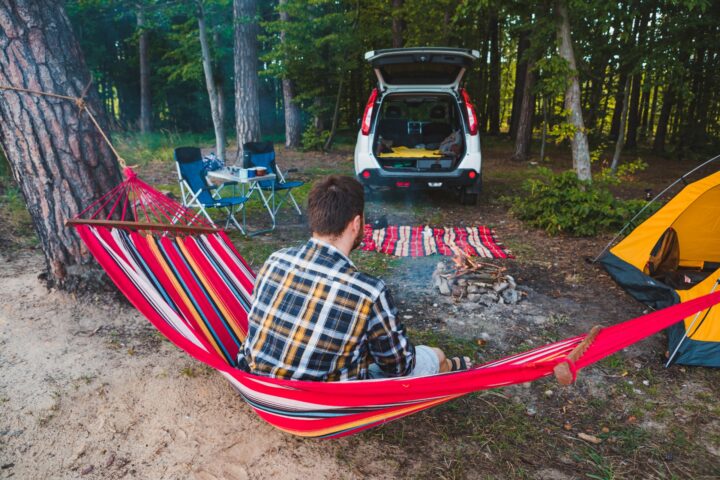
Roof storage frees the cabin. A cargo box or basket holds bulky items. An awning that attaches to the rails creates shade for cooking or sitting, and a soft-case awning can turn a bare pullout into a usable campsite.
Recovery basics stay light: a shovel, traction boards, and a tow strap. Tell someone your plan and check conditions before you leave pavement.
Pack less than you think you need. Every extra pound reduces payload and fuel range.
Practical Tips for the Road
Organization saves time and sanity. Soft bags suit clothes, while hard bins protect kitchen items. Practice the full setup in the driveway once. You will find the fastest way to turn the cargo area into a bed and back again.
On long trips, it helps to treat the vehicle like a small apartment. A collapsible sink and cutting board create a kitchen surface. A wireless water pump with a 7-gallon container handles dishes and hand washing. Solar string lights and an inflatable lantern give soft light without draining the battery.
Weather shifts fast. Pack layers. Wool stays warm even when damp. A good sleeping bag and insulated pad handle colder nights better than running the heater. Condensation forms if you seal everything tight. Keep some airflow going.
Access to dispersed sites rewards the AWD and clearance, and many forest roads that would stop other crossovers stay passable. Still, know the limits. Deep ruts or big rocks can bottom out even a Wilderness model. Slow and steady works better than speed.
Fuel efficiency stays solid on highway stretches, often approaching 30 mpg. That range lets you reach remote spots without constant stops.
Messy and functional beats perfect and delayed. Get the basic setup working first, then refine it after a few nights.
Frequently Asked Questions
Can you sleep comfortably in a Subaru for car camping? Yes. With the seats folded and a proper pad or platform, most adults under six feet stretch out fine in an Outback. Width stays narrow, so two people sleep close, but it works for weekends and longer trips.
Which Subaru is best for subaru car camping? The Outback offers the best balance of flat floor length, cargo volume, and ground clearance for most people. Choose the Forester for extra headroom or the Crosstrek if you want compact efficiency.
Do I need a special mattress? A standard queen will not fit. Look for twin or narrow-full sizes around 72 to 75 inches long and 38 to 42 inches wide. Model-specific air mattresses or tri-fold foam pads work best.
Is a rooftop tent worth it on a Subaru? It frees the interior and keeps you off the ground. The extra cost, weight, and fuel use only pay off if you camp often or travel with a partner who needs more space.
How do I handle power and food on multi-day trips? A portable power station charged while driving plus a small 12-volt fridge covers phones, lights, and perishables. Add solar if you stay parked for days.
Fold the seats, lay out the pad, and the vehicle that carried you all day becomes your shelter. Start with what you already own. Add one solid pad and some window covers. Then go find a quiet spot. The rest of the system grows from real nights on the road.