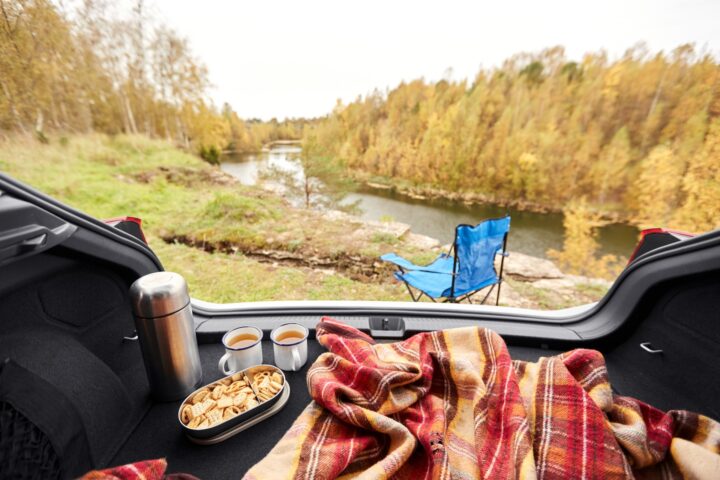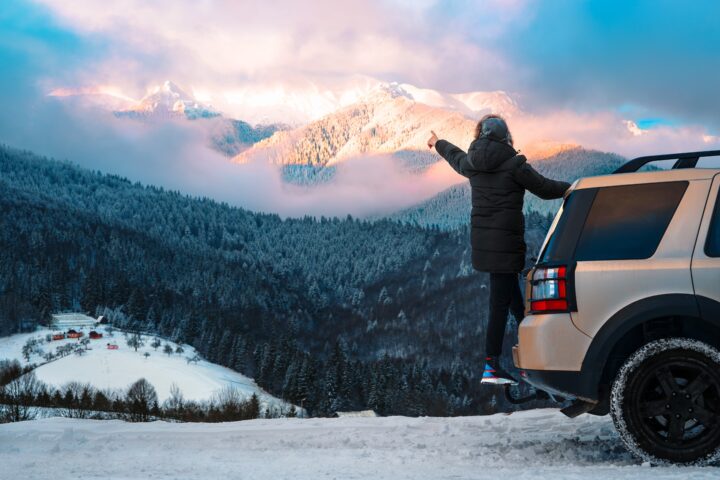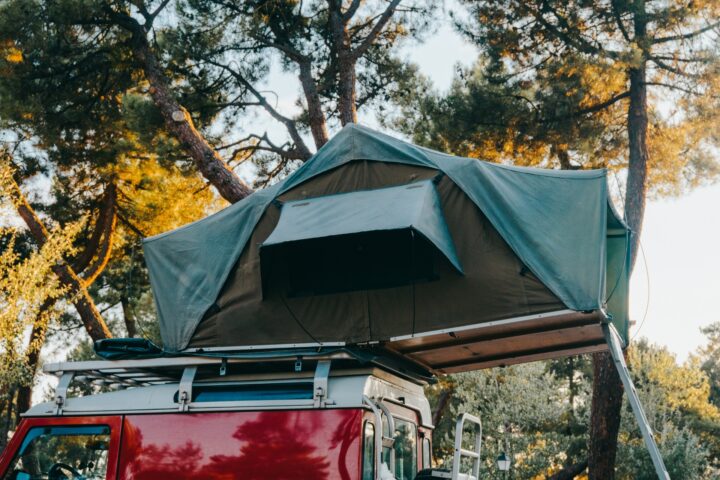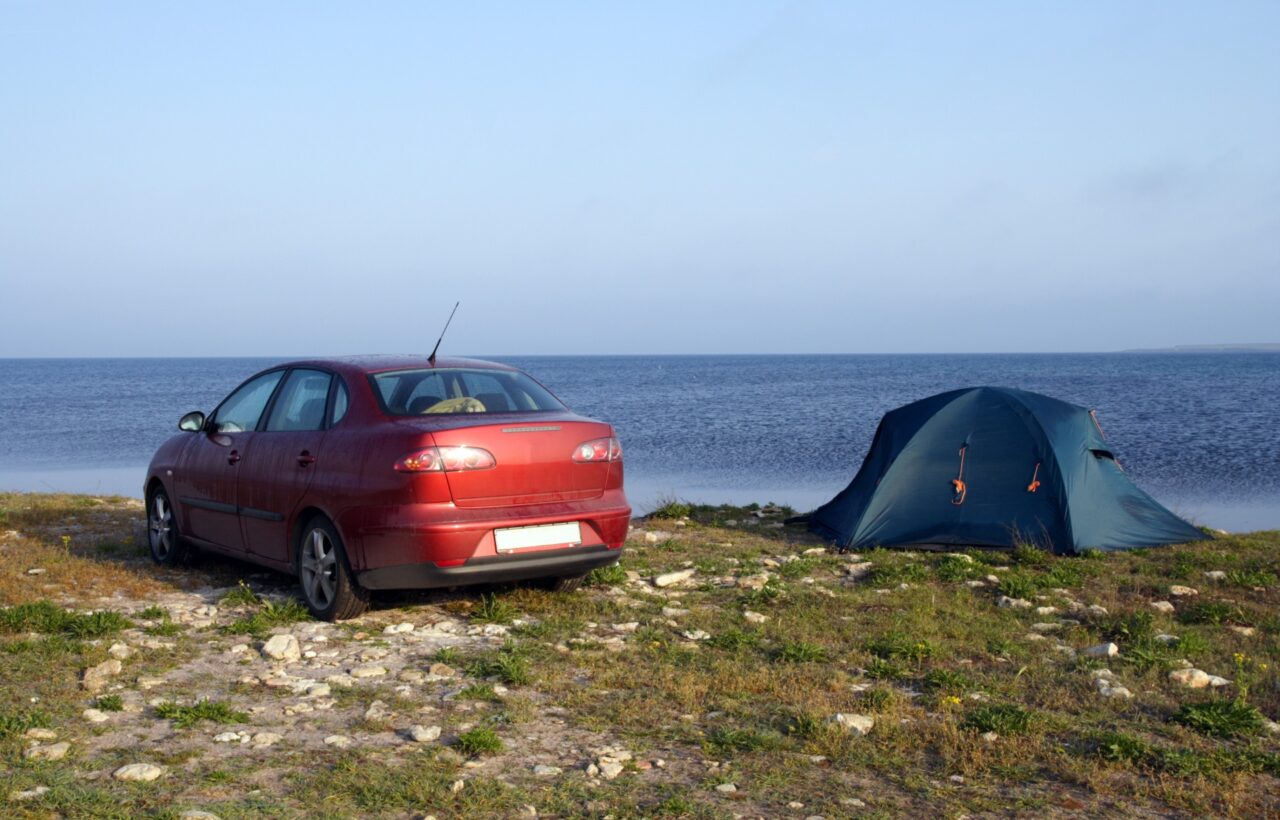
Lie in the cargo area for a few minutes with the rear seats folded before buying anything for no-build car camping. Note where the floor slopes, where the seat backs leave a dip and how much length runs from the hatch to the front seats.
That quick check shows exactly what padding and filler you need, so nothing gets bought that will not fit. From there the setup stays simple: a foam topper, window covers, two bins, modest power and a few safety habits, all of it removable so the car is ready for the Monday commute.
Why No Build Car Camping Makes Sense
Building a platform sounds smart until you need the cargo space on Monday. A DIY bed can eat a full weekend and leave you with heavy wood you may never remove. A no build setup comes out in minutes.
Park, fold the seats, and sleep. On Monday the pad goes back in the closet and the car drives like normal. That flexibility matters more than a raised platform. Most people overcomplicate this. A custom aluminum frame that costs $500 is unnecessary; a flat-enough surface and the right padding do the job.
This approach works in a midsize hatchback and transfers to an SUV or even a sedan with a little creativity. It suits three-day road trips as well as single overnight stops near trailheads. Best of all, it costs very little to start.
How to Create a Level Sleeping Space
The most common complaint is the slope behind the seats. Most cars do not fold perfectly flat, but fixing that does not require plywood.
Fold the rear seats down. Then slide a twin-size 3-inch memory foam mattress topper across the cargo area; an affordable one from a big-box store holds up well. Under the foot end, where the seat backs create a dip, stack two folded blankets and a yoga mat. The yoga mat also keeps the foam clean from floor dirt.
An extra pillow under the hips helps if the angle feels off. Test it by lying down for a minute before loading everything else. Head toward the front usually gives more room for elbows. Feet toward the hatch works if you need to sit up easily.
This takes about five minutes, so the bed can be ready before sunset even after a late arrival. No saws. No measurements. Just stuff you already own plus one foam topper.
If your car has removable seat cushions, pull them. Extra space shows up fast. A spare piece of foam cut to fill the remaining gap near the wheel wells is handy, and it lives in a storage bin the rest of the time.
Air out the $35 foam topper daily since memory foam traps floor moisture under yoga mat layers.
Essential No-Build Car Camping Gear
Keep the gear list short on purpose. Extra gear turns into clutter.
Seal snack bag inside latched bins every night since one mouse incident proves cars are not food safe.
Sleep system. The memory foam topper plus a regular sleeping bag from home. In warmer months a light quilt works. Add one full-size pillow. Cars stay cooler than tents at night, so pack a bag rated at least 10 degrees lower than the expected low.
Window covers. Reflectix panels cut to each window. One roll typically covers a whole car. Trace the glass once, cut the pieces, and store them flat behind the front seats. They block light and give privacy. For the windshield, a regular reflective sunshade works.
Storage. Two plastic bins with lids. One holds kitchen stuff and a smell-proof cooler bag. The other keeps clothes and a small repair kit. Latched bins are worth it, since mice find open snack bags quickly.
Power and light. A portable power bank that can recharge a phone twice over. A small USB fan that clips to the headrest keeps air moving on sticky nights. String lights that charge by USB finish the setup and make the space feel less like a cargo hold.
Kitchen basics. A single-burner stove, one pot, and a collapsible table that sits outside the hatch. Cook right there when the weather allows, and keep the cooler closed until you need it.
That is the core. Everything else is optional, even camp chairs. The car itself becomes the shelter.
Privacy Covers and Ventilation Tricks
Blackout matters more than most people expect. Streetlights or early sun can ruin sleep. Reflectix panels slide in by friction and stay put even with the windows cracked.
Leave two windows open about an inch on opposite corners. That cross flow handles the moisture you breathe out overnight. Without it the glass fogs and everything feels damp by morning. Mesh screens clipped over the cracks keep bugs out, and an inexpensive magnetic set works fine.
In summer, face the reflective side out during the day to bounce heat. At night, flip the panels or leave them as is. For full stealth, add a dark fabric layer on the cabin side, though plain Reflectix is enough most nights. People walking by just see a parked car with shades up.
Solid covers pay off even in busy trailhead lots. A car that does not look like a full campsite rarely draws a knock or a curious look.
Park nose into breeze so opposite corner inch gaps pull air across Reflectix panels all night.
Organizing Storage So Nothing Feels Crowded
Space disappears fast in a no build setup. Treat the car like a backpack: everything has a spot and most of it stays packed until needed.
Front seats hold the overnight bag and power bank. The passenger footwell takes the cooler when you are not cooking. Bins slide under the edge of the mattress so you can reach them from bed without climbing out. A seat-back organizer holds the headlamp, phone, and snacks.
Move loose gear to the front before sleeping. That clears the floor and keeps the bed open. On longer trips, a duffel for clothes doubles as a soft barrier near the front seats.
The goal is simple access. A drink of water or a bathroom trip at 2 a.m. should not mean digging through a pile. Keep everything in reach or right outside the hatch. This habit also makes packing up in the morning faster.
Safety Habits Worth Following
Car camping feels safer than a tent because the doors lock and the engine sits ready. Still, a few steps are worth taking every time.
Share your location with one trusted person before settling in for the night. Choose spots with other vehicles nearby when possible, especially state park campgrounds. On dispersed land, park where you can leave quickly if needed. Sleep with your head toward the driver’s seat so you can slide forward fast.
Keep windows covered once it gets dark. A couple of camp chairs outside make an empty-feeling area look occupied. Never run the engine for heat or power while sleeping. Carbon monoxide is not worth the risk.
If a car pulls in late and something feels off, stay quiet with the doors locked and wait. A ready setup and a clear exit route give you options. Confidence comes from preparation, not pretending nothing can go wrong.
Face head toward driver seat and keep keys in seat organizer for fast forward slide exit.
Finding Legal Spots and Keeping Power Simple
Apps help, but always double-check local rules. Forest Service roads and many BLM areas allow overnight parking. Day-use lots and most state park trailheads do not. Look for flat ground, a bit of shade, and an easy exit. Pulling in after dark and leaving early keeps things low-key.
For power, a small bank topped up from the car’s cigarette lighter while driving is often enough. A larger station is nice for multi-day trips, but with careful use one charged pack can last several nights when the phone, lights, and fan are the only draws. Charge everything during the day’s drive.
Cooking stays outside, with the hatch as a kitchen counter. Rain just means simple cold meals or waiting it out. No fancy indoor setup required.
Confirm overnight rules same day since many state park trailheads ban parking despite camping apps.
Frequently Asked Questions
What is the cheapest way to start no build car camping? Use a sleeping pad or foam topper you already own, household blankets for leveling, and a sunshade for the windshield. Add Reflectix for the side windows if you want better privacy. Most people already have half the gear.
Can I do no build car camping in a sedan? Yes. Scoot the front passenger seat forward, sleep with feet in the trunk, and pad any uneven spots with pillows. A twin topper usually fits the width. Plenty of people do this regularly in compact cars.
How do I stay cool or warm without a build? Crack opposite windows for airflow and use a USB fan in heat. In cold weather layer a warmer sleeping bag and keep the covers on for insulation. A hot water bottle in the bag helps on the coldest nights.
Do I need a special mattress? No. A regular camping pad or memory foam topper works. The Exped Megamat is popular if you want something thicker, but start cheaper and upgrade only if you keep going.
Is no build safer than a tent? Many people find it safer because they can lock the doors and drive away. Still follow the same common-sense rules: choose good spots, share your plans, and stay aware of surroundings.
This setup removes every barrier. No tools. No permanent changes. No waiting for the perfect vehicle. Just fold the seats, pad the gaps, cover the windows, and sleep. The road stays open and the car stays useful the rest of the week.
Try it on a short overnight first. Adjust the pillows. Test the covers. You will figure out what works for your exact car faster than any build project ever could. Then go farther next time. That is the whole point.