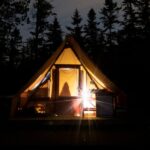
Coachella car camping means sleeping in or beside your vehicle in a reserved 30-by-10-foot site at the festival campgrounds, close to the action. The single most important thing to get right is the rules: security searches every vehicle, and banned items or gear spilling outside your space can cost you the spot.
The sections that follow cover pass types and costs, check-in, a packing list built for heat and wind, campsite layout, desert cooking, and how to rest well when the nights turn cold.
Understanding Coachella Car Camping Options and Costs
Coachella car camping remains the most popular overnight choice for a reason. You park one vehicle on a 30-foot by 10-foot site and build whatever home base fits inside the lines. Unlimited friends and tents are fine if everything stays inside those painted boundaries.
Standard car camping is the most common choice. In recent years the base price sat around $160 total before the local tax. Preferred spots in Lot 8 cost more, often landing near $420. Powered car camping with an outlet for small devices runs higher still, closer to $620. Festival passes stay separate. Always check the official site closer to the dates because numbers shift.
Preferred and powered options let you arrive at your leisure instead of racing for a good row. Standard spots get assigned by arrival order. Groups that try to claim neighboring spots without arriving together often get moved by staff. Plan to meet before the tollbooths if you want to camp side by side.
Camper vans work if they stay under the passenger-vehicle rules. No RVs, no motorhomes, no trailers, no buses, no U-Hauls. Once you park, the car stays put until Monday morning. No in-and-out driving. That rule alone changes how you pack.
The price compares well against hotel rates that can climb past $300 a night. You live right next to the action and wake up already inside the festival bubble.
Pin a meetup point before Jefferson Street exit and caravan in together, since standard rows assign by arrival order for adjacent 30 by 10 sites.
Rules You Cannot Ignore for Coachella Car Camping
Security searches every vehicle. Everyone needs a festival wristband. The camping pass sits on the windshield. Keep a printed copy plus the digital one ready.
Metal tent stakes get confiscated, so pack plastic ones instead. Rubber mallets are fine. Glass of any kind is banned. That includes bottles, mirrors, and even some solar panels. Transfer alcohol into plastic containers ahead of time. Campers 21 and older can bring one case of beer cans or a box of wine. Anything that looks excessive for the group size risks getting left at the gate.
Cooking stays outside the vehicle. Propane tabletop stoves are allowed. Open flames, campfires, and butane are not. No generators that run on gas. No amplified sound systems that bother the neighbors. Noise curfew hits at 1:30 a.m.
Everything you set up must stay inside the 30-by-10 footprint. Sleep in the fire lane and you risk getting rolled by a porta-potty truck. High winds are normal. Stake and weight every canopy corner, because a strong gust can send a loose tarp flying into a neighbor’s site.
These rules exist for safety in a packed desert lot. Break them and you lose the spot. Follow them and the weekend runs smoothly.
Check solar panel frames for glass backing and decant wine boxes into plastic, since even mirrors count as banned glass at search.
How to Handle Check-In and Arrival
Camping opens Thursday at 9 a.m. and stays open until Monday at 9 a.m. Car check-in runs Thursday 9 a.m. to 2 a.m., then Friday and Saturday 9 a.m. to 8 p.m., and Sunday until 3 p.m. Pedestrian entry stays open later for people joining friends.
Fill the gas tank right before the final approach. Idling in a long line drains batteries, so keep jumper cables in the trunk just in case. AAA has a presence, but it is better not to need them.
Directions usually send you off the 10 Freeway at Jefferson Street toward Indio Boulevard, then right and follow the signs. Staff direct cars to North or South tollbooths in real time. Groups that want neighboring sites must enter the search area together. A waiting area past security lets stragglers catch up before you claim the final spot.
Even an early-morning arrival can mean a wait of several hours. Traffic and thorough searches stretch the timeline. Bring water and snacks for the line. Offering a cold drink to a security guard, if the mood feels right, never hurts.
Once parked, the vehicle stays locked in place. If you need to leave early and not return, visit an info kiosk for a possible escort. That process can take up to two hours. Plan to stay through Monday morning if you can.
Cell service often fails near Jefferson Street tollbooths where staff split North and South lanes, so screenshot 10 Freeway directions offline.
Must-Have Packing List for Coachella Car Camping
Shade comes first. A straight-leg EZ-Up canopy with extra side walls is a solid choice. Plastic stakes and a rubber mallet keep it grounded. Bungee cords and sandbags add backup when the wind picks up. An outdoor rug or foam tiles make the ground feel less like a parking lot.
For sleep, a thick air mattress or a three-inch memory foam pad works well. Cars and tents get cold at night even after scorching days. An insulated sleeping bag rated for cooler temps and a real pillow make the difference. Earplugs and an eye mask shut out the 1:30 a.m. curfew chatter and the early sunrise.
Coolers matter. Pack one 70-quart for food and a smaller one for drinks. Frozen water bottles act as ice packs and give you drinking water later. Buy more ice on-site when needed. Bags often run about $14 each. Plan for three or four over the weekend.
Power stays simple. Portable battery packs and solar chargers keep phones alive. Powered spots give a three-prong outlet for small devices only. No hair dryers or microwaves. String lights and headlamps help at night. Solar pathway lights around the site make it easy to find after a long set.
Hygiene gear can include a portable shower bag for privacy, plus a full shower caddy for the free trailers. Towels, biodegradable soap, and wet wipes cover the basics. A wagon or collapsible cart makes water-station runs easier.
Kitchen basics stay light: a tabletop propane stove, reusable plates, utensils, trash bags, and a small folding table. Breakfast burritos made at home keep mornings easy. Duct tape, zip ties, and a multi-tool fix almost anything that breaks.
Save a map screenshot on your phone and drop a pin once you park. Navigation gets confusing after dark in a sea of similar setups.
Setting Up Your Campsite Like a Pro
Measure everything against the 30-by-10 space before leaving home. The car sits with the front facing the drive aisle. Gear stays inside the lines. No exceptions.
Canopy goes up first for instant shade. Angle it so the afternoon sun hits the fabric instead of the sleeping area. Side walls create a changing room and block dust. Tapestries and battery lights make the space feel less temporary.
Sleeping area sits toward the back of the spot. Some people sleep inside the car with window screens for airflow. Others set a tent or just a mattress under the canopy. Three people in a mid-size car can work but feels tight. Two adults plus a small tent is a more comfortable fit.
Secure every loose item. Windstorms hit without warning. Keep duct tape handy, since it can hold a torn camp shower bag together for the rest of the weekend.
Drop a bright flag or unique light at the front edge. Finding your way back after midnight becomes much easier. Neighbor etiquette matters. Keep the music reasonable and the walkways clear.
Face car front toward drive aisle and mount flag plus solar lights up front for midnight navigation back to your 30 by 10 row.
Cooking and Staying Fed in the Desert
Cook outside only. A small propane stove handles eggs, coffee, and simple dinners. No glass cookware. Transfer everything to plastic or metal before you arrive.
General stores and food trucks sit nearby. Ice, basic groceries, and hot meals are available. Free supermarket shuttles run on set schedules if you need a bigger restock. Water refill stations stay free and plentiful. A short hose makes filling large jugs easier.
Alcohol stays limited and in approved containers. Hard liquor belongs in plastic if you bring it at all. Stick to the one-case beer rule and avoid anything that looks like a party supply run.
Trash bags get emptied often. Leave-no-trace applies. Staff notice messy sites.
Surviving the Heat, Dust, and Nights
Desert days climb high. Shade and fans keep the campsite livable. A battery-powered fan pointed at the sleeping pad helps during the hottest hours. Hydration never stops. Carry a CamelBak inside the festival and keep extra water jugs at camp.
Dust coats everything. Seal cooler lids and keep a damp cloth ready for faces and gear. High winds demand constant vigilance on stakes and tarps.
Nights cool off fast. Layer a light jacket and use that insulated bag. Showers open early, and heading to the free trailers around 7 a.m. helps you beat the lines. Super Duper paid showers offer shorter waits and extras if the budget allows.
Silent disco, activity tents, and random camp conversations fill the downtime. A deck of cards and a Bluetooth speaker kept at respectful volume are easy additions. The social side of car camping often becomes the highlight.
Monday checkout hits at 9 a.m. Pack early if you want an easy exit. Traffic on the 10 Freeway heading west can turn brutal, so aim to leave by 9 a.m. or wait until evening.
Frequently Asked Questions
Can I sleep in my car during Coachella car camping? Yes. You can sleep in the car, under a canopy, in a tent, or even on a hammock as long as everything stays inside your marked site.
How many people fit in one car camping spot? As many as the 30-by-10 space and your comfort level allow. Two or three people with a mid-size vehicle already feels crowded.
Do I need a separate camping pass just to walk around the campgrounds? No. A festival wristband gets you into the camping areas. The car camping pass is required only for the vehicle and the reserved site.
What happens if I need to leave early? Visit an info kiosk for a possible early vehicle escort. The process can take up to two hours and once you leave the site is considered relinquished.
Are metal stakes really banned? Yes. Security confiscates them. Plastic stakes and rubber mallets are the way to go.
Every Coachella car camping weekend gets easier with preparation, and the people camped around you are a big part of the experience. The dust washes off. Pack smart, follow the rules, and give yourself permission to keep the setup simple. The music and the desert will handle the rest.