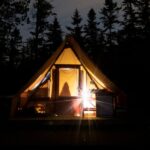
Before packing anything, check the forecast low and the rules for the campground you are heading to, then build your car camping checklist around them. The overnight temperature decides which sleeping bag and pad make sense, while the location and site rules decide whether you need bear spray, your own water supply or fire-starting gear at all.
The 34 items below cover sleep, cooking, light, hygiene, power, vehicle troubleshooting and safety. Keeping them sorted in labeled totes turns packing into a short, repeatable routine.
Want a list built for your own trip? Set the details below and the checklist adjusts to the weather, the campsite, and who is coming. You can print it or save it as a PDF.
Loading the checklist builder…
1. Sleeping Pad
Never skip a good sleeping pad. The ground is hard, and your back will notice the next morning. A thick self-inflating model can make camp sleep feel close to home. A solid pad turns a cold night into a decent one.
2. Sleeping Bag
Match the bag rating to the lowest expected temperature plus ten degrees. One night below freezing without the right bag means waking every hour. A 20-degree bag is a safe choice even in summer. Extra warmth never hurts when the wind picks up.
For car camping, pack a fleece liner to boost your 20 degree bag on freezing nights and use it solo when summer stays warm.
3. Pillow
A rolled-up jacket under your head gets old after one night. A real compressible camping pillow costs about $25 and packs small. Deeper sleep, no kink in the neck. Simple upgrade. Huge difference.
4. Tent
A three-person tent makes sense even for solo trips. Extra room for gear and changing clothes makes life easier. Practice setup in the backyard and it drops to a few minutes. Keep the rain fly on until the weather is clearly settled.
5. Camp Stove
A two-burner propane stove belongs in the same tote every time. Real meals beat cold sandwiches. Clip fuel canisters to the side so there is never a question of whether they made it in. Hot food changes the whole trip mood.
6. Cooler
A 45-quart hard cooler packed with block ice can keep food cold for about three days. Soft coolers leak and warm up faster, and loose ice can be gone by noon on a hot holiday weekend.
7. Water Jug
Fill a five-gallon jug before you leave. Campground spigots sometimes run dry or taste like metal. Your own supply means coffee happens on schedule. Topping off at gas stops is cheap insurance.
8. Cooking Pots and Pans
One pot and one skillet cover most meals. Nest them together with the lids. Leave cast iron at home unless a fire is planned. Lightweight aluminum heats faster and cleans easier after a long day.
9. Plates and Utensils
Real plates and metal utensils beat paper ones, which blow away and create trash. A small set for two people fits in a mesh bag. Cleanup takes five minutes with a sponge and a little water.
10. Headlamp
A headlamp is worth wearing every night. Hands-free light lets you cook, set up, or find the bathroom without waking the whole campsite. Keep extra batteries in a ziplock in the glove box. Dead light equals pure frustration.
11. Lantern
A battery lantern hangs from the tent peak or sits on the table. Soft light makes the campsite feel like home. Charge it the night before and pack a backup set of batteries. Dark evenings feel longer without it.
12. Camping Chair
A real chair matters after a day of driving and hiking. Standing or perching on a cooler gets old fast. Pick one that folds small and weighs little. Comfort scores big when the car is right there.
13. First Aid Kit
Restock the kit before every season. Bandages, blister pads, antiseptic, and pain relievers cover the usual scrapes. Include tweezers, since a deep splinter at 10 p.m. otherwise means a drive to town.
14. Multi-Tool
A solid multi-tool handles tent poles, food packaging, and small repairs. Keep it on your belt during setup. It can replace three separate tools. One tool. Less bulk.
15. Bug Repellent
Mosquitoes show up in almost every season. Spray before dark and keep the bottle in the chair cup holder. DEET-based formulas tend to last longer than natural ones. One application buys a peaceful evening.
16. Sunscreen
High elevation burns faster. Apply in the morning and reapply after lunch. A small tube in the door pocket stays easy to find. Sunburn turns a good trip into a painful one.
17. Toilet Paper
Bring a full roll in a waterproof bag. Campground bathrooms sometimes run out. A small trowel rides along for more remote spots. Basic dignity matters when you’re away from home.
18. Soap and Sponge
Biodegradable soap and a small sponge handle dishes and hands. A collapsible basin makes washing easy. Dirty pans attract animals. Clean gear keeps the campsite pleasant for everyone.
19. Towel
A quick-dry microfiber towel packs tiny and dries overnight. It handles swimming and washing up. Cotton towels stay damp and smell musty by day two. One towel. Multiple jobs.
20. Fire Starter
Waterproof matches and a ferro rod both ride in the kit. Wet wood still needs a reliable spark. Practice with the rod at home to avoid fumbling in the dark. Fire makes the evening complete.
21. Flashlight
A bright handheld flashlight backs up the headlamp. Keep it in the car console for quick checks. Store batteries separately so they don’t drain. Redundancy pays off the first time a headlamp dies.
22. Charging Cables
Phone and headlamp cables live in a small pouch. Charge everything at the last gas station. Dead devices cut off maps and photos. A short cable and a long one cover most outlets.
23. Portable Power Bank
A 20,000 mAh power bank keeps phones alive for two days. Charge it fully the night before. Solar panels can stay home unless the trip runs longer than a weekend. Simple power. Big peace of mind.
24. Jump Starter
A compact lithium jump starter replaces old-style cables. On a cold morning with a dead battery, it can fire the engine in seconds. At around $80, it pays for itself the first time it is needed.
25. Air Compressor
A portable 12-volt compressor lives under the passenger seat. Flat tires happen on rough forest roads. Inflating to the right pressure takes three minutes. Driving on a soft tire ruins the weekend.
26. Basic Tool Kit
Socket set, pliers, duct tape, and zip ties cover most car and gear fixes. Keep them in a small bag next to the jump starter. A loose roof rack bolt is exactly the kind of problem they solve.
27. Bear Spray
In bear country, carry spray on your belt during hikes and keep a can near the tent. Practice with the inert can at home so the motion feels natural. Better to have it and never need it.
28. Offline Maps
Download the area maps before you lose signal. Paper topo maps ride as backup. One wrong turn without reception can cost hours. Offline maps keep the phone useful even in airplane mode.
29. Rain Gear
A lightweight rain jacket and pants pack into their own pocket. Afternoon storms roll in fast in the mountains. Staying dry keeps body heat where it belongs. Wet clothes ruin morale faster than anything.
30. Extra Blanket
A packable puffy blanket goes over the sleeping bag on cold nights and doubles as a picnic mat during the day. One blanket. Two jobs. Warmth when the temperature drops after sunset.
31. Trash Bags
Heavy-duty bags collect every scrap of trash. Pack out more than you pack in. A clean campsite feels better and keeps animals away. Two bags usually cover a weekend for two people.
32. Lighter
A simple butane lighter lives in the same pocket as the fire starter. Matches get wet. Lighters still work. Long-neck versions light the stove without burning your fingers.
33. Sharp Knife
A fixed-blade knife handles food prep and cutting cord. Keep it sheathed and out of reach of kids. A dull knife is dangerous, so touch up the edge before every trip.
34. Personal Medications
Any daily meds go in a labeled pill case. Pack an extra day just in case. Forgetting essential medication can force an early drive home, so keep them next to the first aid kit.
That completes the full list of 34 car camping essentials. Run through it the night before and again while loading the car, and fix any missing items before leaving the driveway.
Frequently Asked Questions
Do I really need all 34 items on a short car camping trip? No. Drop the extras if the weather looks perfect and the site has full amenities. Keep the core sleep, kitchen, light, and safety pieces every time.
How do I pack a small car with this much gear? Three plastic totes work well: sleep, kitchen, and tools. Soft items fill the gaps. Roof boxes or rear organizers free up floor space fast.
What is the one item people forget most on a car camping checklist? Water. Many campers underestimate how much they drink. Fill the jug before you leave and top it off at every stop.
Can I leave the tent home and sleep in the car? Yes if the seats fold flat and you have a good pad. A tent is still worth bringing for rainy nights or extra space to change. Flexibility wins.
How often should I update my car camping checklist? After every trip, note what got used and what stayed packed. Once a year, rebuild the list so it stays current with new gear and lessons.
Keep this car camping checklist on your phone and as a printed copy taped inside the gear closet. It turns packing from a scramble into a calm routine. Next time you head out, run the list once. Then go enjoy the quiet. The forest does the rest.