
I spent years dreaming of the open road while driving something that felt like a boat in city streets. Then I found the petit camping-car. That shift changed how I travel. I wanted freedom without the stress of squeezing into tight spots or watching fuel costs climb. A petit camping-car delivers exactly that mix of comfort and agility. In the first weeks with one under 6 meters, I parked in places bigger models simply cannot reach. This guide shares what I learned so you can decide if one fits your next trips.
Why I switched to a petit camping-car
Bigger camping-cars look impressive on paper. In real life they slow everything down. I tried a longer model once for a week-long loop through the Alps. Parking took forever. Fuel burned faster. Turning around in villages felt like a workout. Honestly? I came home exhausted rather than refreshed.
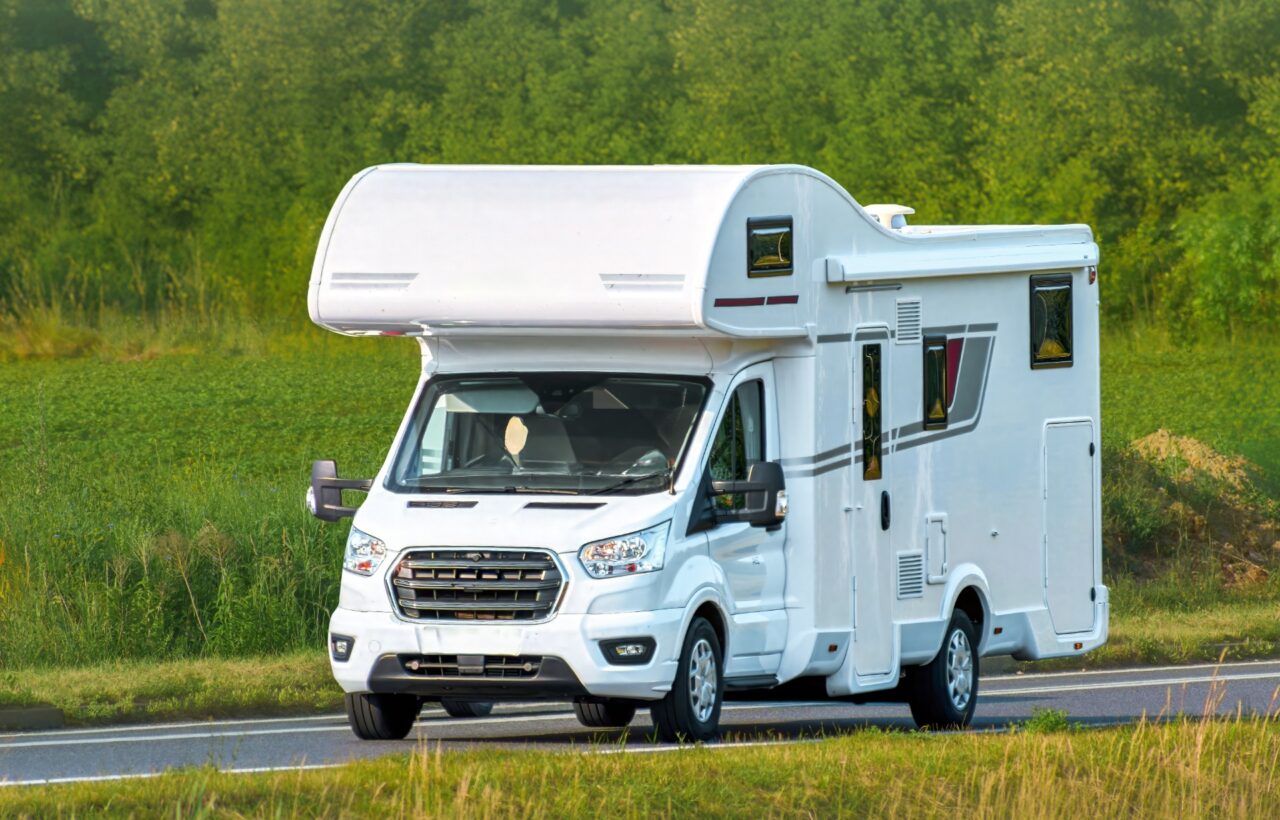
A petit camping-car flips that script. Most stay under 6 meters long and often under 2.20 meters wide. That size lets me roll into ordinary parking spaces without blocking half the street. Driving feels closer to a regular van than a house on wheels. Better insulation than many pure vans keeps the cold out on shoulder-season trips. I still get a proper fridge over 100 liters in many models and real storage under the bed.
The variety of layouts surprised me most. You can choose a transverse bed with massive under-bed storage or a French bed that leaves more floor space. I no longer compromise comfort just to stay mobile. That balance is why the segment keeps growing. Prices start lower too, often around the mid-50,000 euro mark for new entry models.
See, the real win is daily ease. I can stop for coffee in a small town, leave the vehicle, and not worry about height barriers or tight corners. Freedom starts the moment you turn the key.
Petit camping-car versus a fourgon aménagé
Many people ask me which wins: the petit camping-car or a classic fourgon. I tested both. The fourgon stays narrower, usually around 2.05 meters, and can feel even more car-like. Yet the petit camping-car often gives better living space and insulation for the same overall length.
I once compared a 5.99-meter profilé against a similar-length fourgon on a rainy weekend in Brittany. The camping-car version stayed warmer overnight thanks to sandwich-panel walls. Its fridge held more food. The bathroom felt less cramped once I unfolded everything. The fourgon scored higher on pure city stealth and slightly lower fuel use, but I missed the extra headroom and fixed-bed comfort.
Payload also matters. Several petit models clear 800 or even 900 kilograms of useful load at a 3.5-tonne PTAC. That means bikes, gear, and food without constant weight watching. Fourgons can match that, yet the camping-car body often offers more clever storage solutions under a permanent bed.
Neither is perfect. If you want maximum discretion and the lowest possible height for tolls, lean fourgon. If you want four-season readiness and more layout choice in the same footprint, the petit camping-car pulls ahead. I chose the latter after that Brittany test and never looked back.
The must-check criteria before buying a petit camping-car
Buying without a checklist is a fast way to regret the purchase. I learned that the hard way when I almost signed for a model whose payload sat under 750 kilograms. Here is what I now demand.
Length and width come first. Stay under 6 meters if city driving and village streets matter. Width under 2.20 meters makes parking dramatically easier. Models at 2.10 to 2.15 meters feel almost car-like once the mirrors fold.
Payload is non-negotiable. Aim for at least 800 kilograms. Anything less and you start leaving useful gear at home. Check the actual figure on the specific chassis, not the brochure average.
Bed type and access decide sleep quality. Transverse beds give the biggest under-bed garage. French beds free up floor space for a bigger dinette. Test how easy it is to climb in and out. Some short models need a small step or ladder.
Interior height matters more than people admit. Anything under 1.95 meters starts to feel closed in after a few days. I prefer 2.00 meters or higher when possible.
Kitchen and bathroom reality force compromises in this size. Expect a modular bathroom more often than a fully separate shower. Fridge size usually lands between 85 and 140 liters. That is still plenty for two people on week-long runs.
I always sit in the driver’s seat and check side visibility. Narrower bodies open up the view. Then I walk the full length outside to feel the real turning circle. These five points separate a daily joy from a weekend-only compromise.
Layouts that work in a petit camping-car
Not every floor plan survives the shrink to under 6 meters. The ones that do share smart thinking.
Transverse rear beds dominate the affordable segment. They create a deep garage underneath, often over 1.20 meters high. Perfect for two bikes or a full set of outdoor chairs. I used one on a three-week Spain run and never ran out of storage space.
French beds sit lengthways against one wall. They leave a clearer walkway and often pair with a bigger lounge. Access feels more natural for taller people. The trade-off is a slightly smaller garage.
Some models skip a permanent bed entirely and use a drop-down or roof bed. Daytime living space expands dramatically. Night conversion takes a few minutes. I tried that setup once for a city-heavy itinerary and loved the open feel, though I missed the instant ready-to-sleep bed.
Twin beds remain rare in true petits. When they appear they usually convert into a double. Families with older kids sometimes prefer them, yet couples stick to the first two options in my experience.
Whatever layout you pick, test the actual movement flow. Open every door, unfold the table, and walk from cab to bathroom with a backpack on. Real life reveals what brochure photos hide.
Affordable petit camping-car models I eyed
Budget shaped my shortlist hard. New entry models now start near 50,000 euros and cluster under 61,000 euros for solid equipment.
I spent an afternoon comparing the Carado V 132. It measures 5.94 meters long by 2.14 meters wide and starts around 56,790 euros on a Citroën Jumper. Payload sits comfortably and the transverse bed works well for two. The Sunlight Van Compact V 60 sits close in price and size, from roughly 56,290 euros.
The Etrusco V 5.9 DF also caught my eye near 56,990 euros. Same compact footprint, Ford Transit base, and useful storage. Challenger and Chausson S514 versions hover just under 60,000 euros with slightly different finish levels.
Higher up I looked at the Hymer Van 314. At 5.45 meters it is one of the shortest and carries a strong 916-kilogram payload. Price sits near 57,500 euros. The Adria Compact SP and Bürstner Travel Van T590G round out the group with strong equipment lists under or near 55,000 euros in base form.
I never chased the absolute cheapest. Reliability and real payload mattered more. Test drives at dealers confirmed the driving feel matches the paper specs. Any of these can serve as a first solid step into the category.
My tips for starting out with a petit camping-car
Start light. I made the classic mistake of packing every possible item on the first long trip. The vehicle still handled fine, yet I felt the extra weight in fuel and parking ease. Now I stick to a simple rule: if I have not used an item in the last three trips, it stays home.
Practice parking early. Find an empty supermarket lot and reverse into tight spots until it feels natural. The shorter length helps, yet the higher seating position still needs adjustment.
Plan fuel and tolls differently. Consumption often lands between 8 and 11 liters per 100 kilometers depending on load and hills. Height usually keeps you in the lower toll categories compared with taller integral models.
Book the first few nights on formal campsites if you are new. That removes pressure while you learn the systems for water, electricity, and the cassette toilet. After a week the routines become automatic.
Talk to other owners at rest areas. The best advice I received came from a couple who had put 40,000 kilometers on their 5.99-meter profilé. They taught me the simple winterization steps that keep the tanks safe.
Keep the first season modest. A few long weekends and one two-week tour teach more than any brochure. Then expand once you know exactly how you use the space.
Frequently Asked Questions
What length defines a true petit camping-car? Most buyers and makers treat anything under 6 meters as the core of the category, with many popular models landing between 5.45 and 5.99 meters.
Is a petit camping-car suitable for year-round use? Yes, provided the insulation is solid and the heating system is adequate. Many profilé models handle four seasons better than lighter vans.
How much should I budget for a new entry-level model? Expect to start around 50,000 to 61,000 euros for well-equipped narrow profilés from the main brands. Options and delivery costs can add more.
Can two people live comfortably long-term in one? Absolutely. Couples form the main market. Good storage and a thoughtful layout make multi-week trips straightforward once you pack smart.
Do I need a special license? No. Standard B license covers vehicles up to 3.5 tonnes PTAC, which includes nearly every petit camping-car on the market.
A petit camping-car will not solve every travel wish. It will remove the friction that bigger vehicles create. I still smile every time I slide into a parking space that once seemed impossible. The open road feels closer when the vehicle itself stops fighting you. If mobility and simple comfort matter more than extra square meters, start looking at the models under 6 meters. Your next trip might just feel freer than you expected.