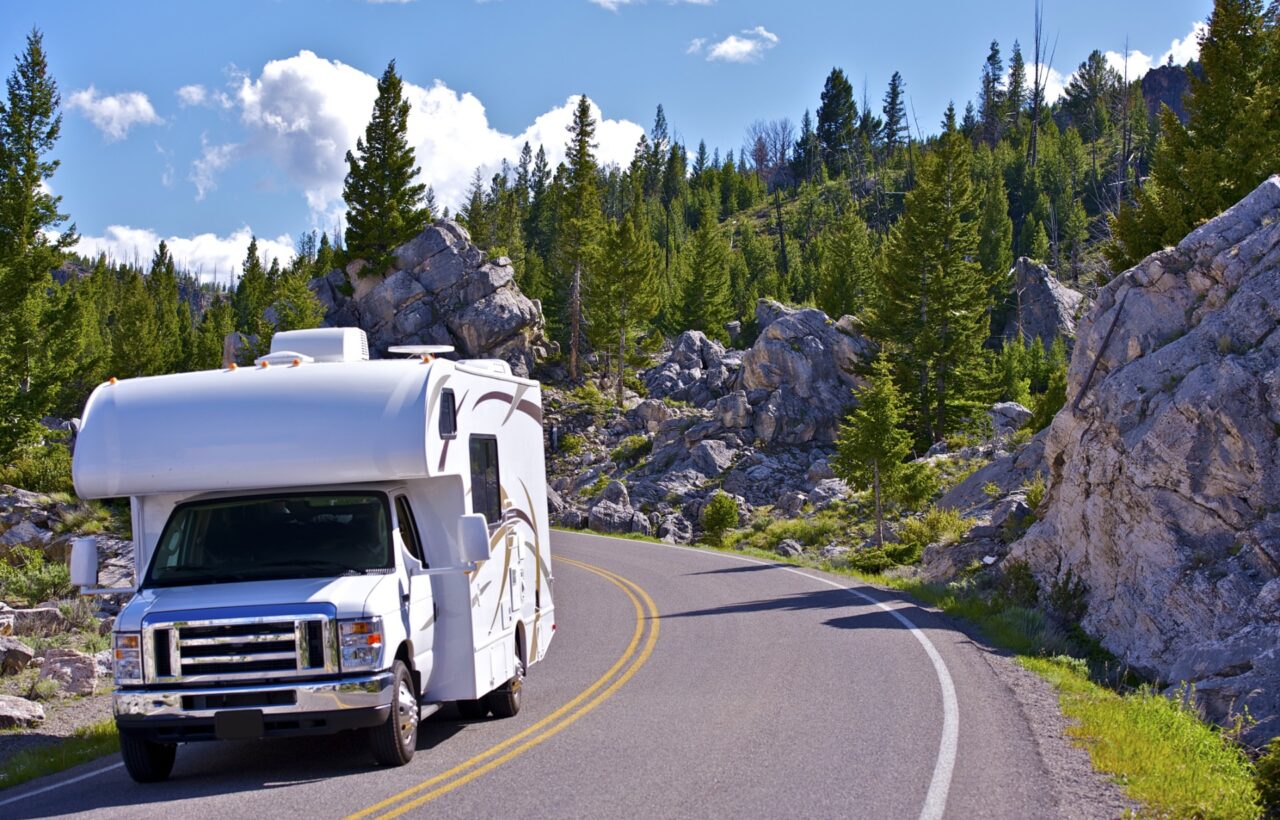

I spent years stuck with ordinary vans and classic camping-cars before I switched to a camion camping car. The difference hit me hard on a muddy track in the Pyrenees last spring. My old setup got stuck twice. The truck-based rig just kept rolling. That single weekend convinced me this format belongs in a different category for anyone who wants real range and real autonomy.
A camion camping car puts a full living cell on a proper truck chassis. You get payload, ground clearance, and the option of 4×4 that most recreational vehicles simply cannot match. I use mine for multi-month trips. You might use yours for long weekends or full world tours. Either way the logic stays the same: the truck does the hard work so the living space can stay comfortable.
Why a Camion Camping Car Beats a Standard Setup for Adventure
I used to think bigger always meant better. Then I watched friends struggle with long profilés on narrow forest roads. A camion camping car changes the equation. The higher payload lets you carry water, fuel, tools, and spare parts without constant weight anxiety. One owner I met runs a Mitsubishi Fuso Canter with a 6.5-tonne PTAC and only 4.8 tonnes empty. That leaves almost two tonnes of useful load. FYI, that margin disappears fast once you add solar batteries and a full water tank.
Off-road access becomes realistic. A 4×4 truck with selectable front axle can handle graded tracks that stop most motorhomes. I do not mean extreme rock crawling. I mean the kind of dirt roads that lead to quiet lakes or free camping spots far from crowded aires. Consumption stays reasonable on the highway too. That same Fuso sips between 15 and 19 litres per 100 km and still hits 110 km/h when the road is clear.
Autonomy sits at the core of the appeal. Larger fuel tanks, bigger fresh-water reserves, and space for serious solar arrays turn a weekend machine into a multi-week base. I once stayed off-grid for eleven days in the Alps with 800 litres of water and a full lithium bank. No drama. No forced stops at services.
How I Picked the Right Base Truck
Choosing the chassis decides almost everything that follows. I started by listing three non-negotiables: usable payload, mechanical simplicity, and the ability to keep moving on imperfect surfaces.
Payload and 4×4 Matters
I looked hard at Iveco Daily and Mercedes Sprinter bases first. Both felt limited once the living cell went on. The Fuso Canter solved the problem for me. Its 4×4 version is disconnectable, so you stay efficient on asphalt and gain traction when the surface turns soft. The cab tilts for easy engine access. Electronics stay minimal. That last point matters when you sit somewhere remote with no dealer network nearby.
Bigger trucks such as MAN or Mercedes Arocs deliver even more space and power. One builder showed me a completed Arocs 6×6 that weighed twenty tonnes and carried a full apartment inside. The price tag sat near 500,000 euros. Beautiful machine. Overkill for my needs. I wanted something I could park without blocking half a village street.
Length and height also count. My current setup measures roughly 6.8 metres long and 3.2 metres high. It still fits most ordinary parking spots and handles tight switchbacks without constant stress. Go much larger and you start planning every route around bridges and low branches.
Building the Living Space That Works
Once the truck is chosen, the cell becomes the real project. I hired a specialist workshop for the shell and then handled the interior layout myself with a local cabinet maker. The cell measures about 5 by 2 metres and gives roughly 10 square metres of floor space. That is comparable to many larger MAN-based builds yet stays compact enough for daily driving.
I placed a U-shaped dinette at the front that converts into extra sleeping space if needed. The permanent bed sits transverse and reaches via a short set of steps. A full bathroom with separate shower divides the day and night zones. Water tanks live under the floor. The electrical system runs on lithium batteries charged by roof solar. No gas. Everything electric for safety and simplicity.
Storage turned into an obsession. Every cupboard, every under-bench box, every exterior locker got measured twice. I still forget tools sometimes, but the system works. One concrete detail: the grey-water tank feeds a filtered system that lets the toilet flush without wasting fresh water. Small design choice. Big difference on long stays.
The Real Budget Behind a Camion Camping Car
Money talk feels uncomfortable, yet it decides whether the project lives or dies. A complete professional conversion on a solid mid-size truck often lands between 100,000 and 250,000 euros for the living cell alone, depending on materials and equipment. Luxury builds with slide-outs and car garages push past 400,000 euros. I kept my total under 180,000 by buying a used chassis and limiting the interior finishes to durable laminate rather than exotic wood.
Running costs stay higher than a van. Tyres, brakes, and insurance all reflect the heavier vehicle class. Fuel adds up on long motorway days. The trade-off appears in the places you can reach and the weeks you can stay without returning to civilisation. IMO the extra expense pays for itself if you travel more than three months a year.
Driving Rules and the Permis You Need
In France the PTAC rules everything. Anything over 3.5 tonnes usually requires a C1 licence. My Fuso sits at 6.5 tonnes, so both drivers in the household hold the heavier category. The process involves a medical check, theory, and practical training. Budget between 1,800 and 3,000 euros and a few weeks of study. Older drivers who obtained their B licence before 1975 sometimes keep privileges, but the exemption is narrow and worth verifying with the authorities.
Speed limits change once you cross the weight threshold. You follow truck restrictions on many roads. Planning becomes more deliberate. I accept that compromise because the capability on the other side of the equation outweighs the inconvenience.
Frequently Asked Questions
Does a camion camping car need special insurance? Yes. Standard car policies stop at 3.5 tonnes. You need a commercial or specialist motorhome policy that covers the higher weight and the living equipment. Shop around. Rates vary more than I expected.
Can I still tow with a camion camping car? Most setups keep the truck’s original towing capacity. I regularly pull a small trailer with bikes and a kayak. Just respect the combined PTRA listed on the registration papers.
Is the living space really usable in winter? With proper insulation and a diesel heater the cell stays warm. I spent three weeks in the Jura at minus eight degrees with no discomfort. Double-glazed windows and a thick mattress help more than any marketing claim.
How long does a full conversion take? Professional shops quote six to nine months for a complete custom cell. DIY stretches longer. Plan for delays on parts and inspections.
Will a camion camping car fit in ordinary campsites? Most do. Height can limit some covered spots, yet the majority of French and Spanish aires accept the dimensions without issue. Always measure before you book a tight urban site.
I still remember the first night I slept in the finished truck. Rain hammered the roof. Wind rattled the trees. Inside everything stayed quiet and warm. That feeling of self-reliance has not faded. If you want the same freedom, start with the chassis choice and keep the living space honest rather than luxurious. The road rewards practical decisions every single time.