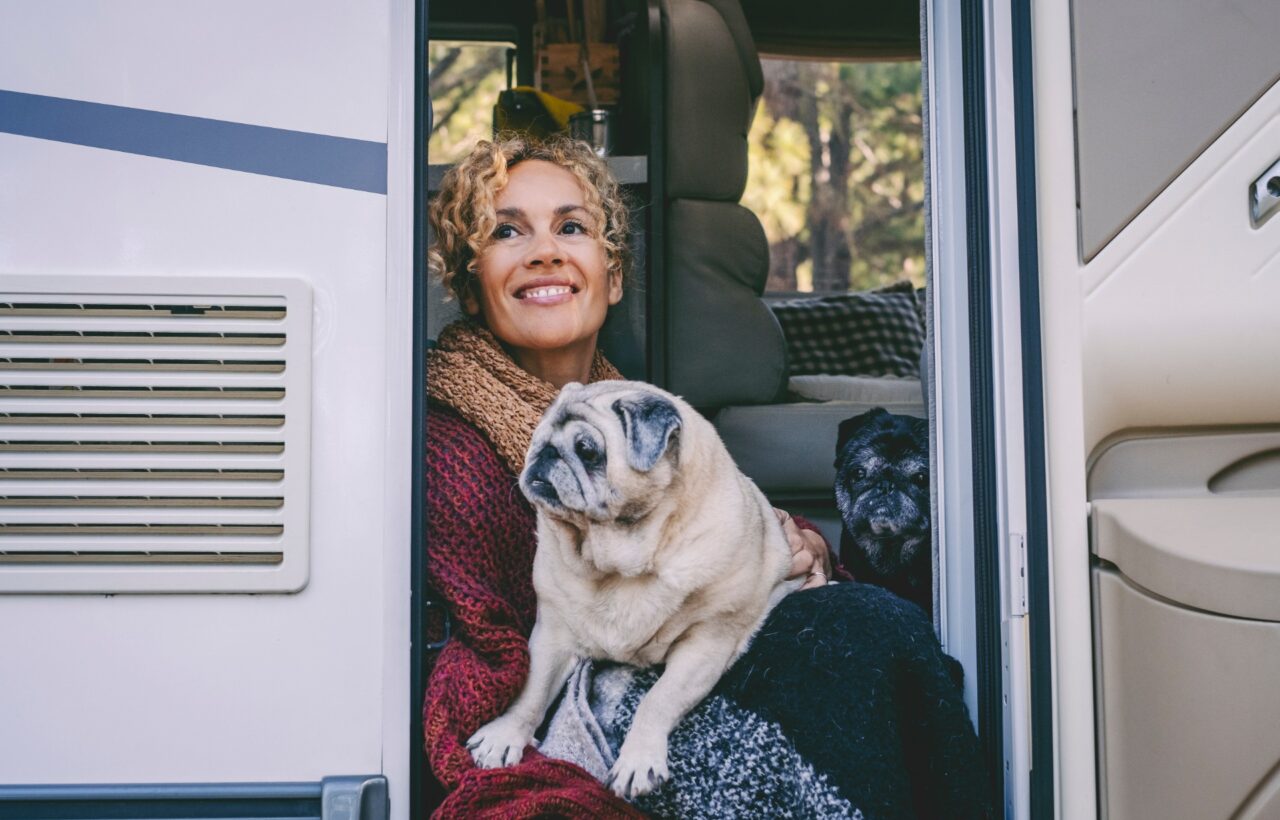
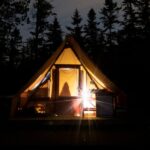
For dogs, car camping offers what a tent cannot: solid walls, a lockable space and a vehicle that already smells familiar, though you share a small area and have to manage heat carefully. Compared with a pet-friendly hotel, it costs less and keeps you close to trails, but every comfort and safety detail falls to you.
The focus here is practical: preparing your dog before the trip, a short gear list, a sleep layout with clear exits, ventilation and heat safety, campsite rules and keeping your dog calm at camp.
Building a packing list with your dog? Add a dog in the checklist generator and it includes food for every day, extra water, bedding and vaccination records.
Preparing Your Dog Before the Trip
Start with a vet visit at least two weeks out. Confirm that vaccines for rabies, leptospirosis, and Lyme are current, and ask the vet to check that the microchip contact info is up to date. That single step reduces stress if your dog slips a leash near a trailhead.
Practice shorter drives first. A few 45-minute loops around town with the dog clipped into a crash-tested harness help before the first real overnight. Many dogs stop pacing after a couple of runs. Skipping that practice is the fastest way to turn a quiet campsite into a restless one.
Bring your dog’s regular food and at least two extra days’ worth. New places already overload the senses. Changing the diet on top of that almost always leads to an upset stomach. A hard-sided container keeps kibble dry and wildlife-proof.
Ask your vet for printed vaccine records plus a health certificate, many private campgrounds request proof at check in.
Must-Have Gear for Car Camping with Dogs
Keep the list short on purpose. Extra stuff just steals space and creates clutter for the dog to trip over.
Travel bed The Kurgo Loft Wander Bed is a solid pick. It rolls into a compact bundle, has a waterproof bottom, and keeps your dog off the cold cargo floor. Dogs tend to settle faster when they have their own defined spot.
Crash-tested restraint For driving, use a harness that clips to the seatbelt anchor. A regular harness is better than nothing, but crash-tested versions hold up in a sudden stop. A loosely restrained dog can become a projectile during a hard brake.
Ramp Older dogs and those with sore hips benefit from not jumping into the cargo area. A telescoping ramp such as the PetSafe Happy Ride, about $130, extends to roughly 70 inches and collapses small enough to slide along the side of the cargo area.
Water and bowls Bring more water than you think you need. A spill-proof bowl and a collapsible trail bowl cover camp and hikes. One ounce of water per pound of body weight per day is a common baseline, with more for heat or activity.
Tie-out and leash A 6-foot leash is the campground standard almost everywhere. A 15-foot reflective tie-out cable and a sturdy stake give your dog room to move while you set up the sleeping platform.
First-aid basics Tick remover, paw balm, gauze, and any regular medications fit in a small pouch. Check the coat and paws every evening. Ticks show up fast in wooded areas.
That kit fits in one medium bin and still leaves room for your own gear.
Store the 70 inch telescoping ramp secured against cargo wall, loose ramps become hazards in sudden stops like unrestrained dogs.
Setting Up a Comfortable Sleep Spot in the Car
A practical layout puts your bed on a platform in the back of the vehicle and your dog on the floor space next to the rear doors, on a non-slip mat with a travel bed on top. The rule is simple: the dog’s spot cannot block either door or the tailgate. Keep a clear exit in case something happens at 2 a.m.
Clip the leash on before you open any door. A short lead hanging on the headrest is easy to grab by feel in the dark. A dog that bolts onto an unlit campground road is a real risk, so the lead goes on first, every single time.
Towel your dog off before bed if it is wet. A damp dog dumps moisture into the cabin all night. Condensation builds on the windows and the bedding stays clammy. A dry dog means drier air and better sleep for everyone.
Leave a small bowl of water secured so it cannot tip. Keep dome lights off. Take a late bathroom break before settling in. Those tiny habits keep the night quiet.
Keep a dedicated headlamp by the headrest lead for 2 a.m. exits, grabbing both together prevents fumbling with dome lights.
Heat Safety and Ventilation for Overnight Stays
Heat is the biggest risk. At 70 °F outside, a closed car can hit 89 °F in ten minutes and 99 °F in twenty. Dogs cool by panting. That method fails fast in a sealed, humid space. Short-nosed breeds overheat even sooner.
Never leave your dog alone in a parked car when the temperature is warm. Full stop. If you need to step away, the dog comes along or someone stays behind.
For overnight stays, crack two windows on opposite sides and add mesh screens. Cross-flow matters more with a dog because panting adds extra moisture. A small 12-volt fan pointed across the cabin helps move the air without blasting the dog directly.
Park in shade whenever possible, especially morning shade that lasts into the afternoon. Reflective window covers cut the solar gain. If the vehicle has a camp mode or climate hold, use it. Otherwise, monitor the interior temperature with a cheap digital thermometer kept in the glove box.
On days in the high 80s °F, set up early, use the screens, and keep a fan running on a portable power station. Without those steps, a parked car can become unsafe by mid-afternoon.
Choosing Dog-Friendly Campsites and Following the Rules
Most national forests and BLM land allow dogs with a 6-foot leash in developed areas. National parks are stricter. Dogs usually stay in developed zones, campgrounds, and paved roads. Trails and buildings are often off-limits. State parks vary by state, so check the specific park page every time.
Private campgrounds set their own rules. Some charge a pet fee. Some limit the number or size of dogs. Call ahead or read the written policy. Showing up and discovering dogs are banned wastes a whole day of driving.
Look for sites with a bit of space between neighbors and some natural shade. High-traffic spots near restrooms create constant distractions and more chance of off-leash encounters. A quieter site lets your dog relax instead of staying on high alert.
Waste bags are non-negotiable, so pack double what seems necessary. Quiet hours exist for a reason. Persistent barking gets everyone in trouble, including the next dog owner who wants to stay there.
Recreation.gov park pages list pet rules under Alerts, saving a phone call when checking state park policies.
Keeping Your Dog Safe and Entertained at Camp
Supervision is constant. Never leave your dog unattended at the site. Wildlife, other dogs, and curious strangers all pose risks. A portable crate or the tie-out keeps the dog contained while you cook or set up.
Toys help. A couple of puzzle toys and a durable chew occupy her during the slower hours. Fetch happens in short sessions so she does not overheat. Long leash walks around the campground burn energy without the risk of an off-leash chase.
Food stays secured in the vehicle or a bear box when required. An open bag of kibble is an invitation to raccoons or worse, and an unattended cooler is just as tempting.
At night, do a final tick check under a headlamp. Inspect paws for cuts or foxtails. A quick brush removes burrs before they work into the coat.
Freeze a stuffed puzzle toy before Sierras style trips, it stays fresh in the cooler and extends calm chewing time.
Frequently Asked Questions
Can I leave my dog alone in the car while I hike? No. Temperatures rise too fast and the risk of heat stress is real. Take the dog along on shorter walks or leave it with a trusted person at camp.
How much water should I bring for car camping with dogs? Plan on at least one ounce per pound of body weight per day, then add extra for heat and activity. A couple of gallon jugs make good backup in case the campground spigot is off.
Is a regular dog bed enough or do I need a special travel one? A packable waterproof bed like the Kurgo works better in a car. Regular home beds take up too much space and absorb moisture. The travel version stays cleaner and rolls away when not in use.
Do I need a crash-tested harness for short drives? Any restraint is better than none, but a crash-tested harness or crate gives real protection in a sudden stop, where a basic harness may not hold.
What if my dog is anxious in new places? Start with backyard sleepovers and short local trips. Bring the familiar bed and a few high-value treats. Some dogs never love it. In that case, leaving them home with a sitter beats forcing the issue.
Car camping with dogs rewards the people who plan the small details. Pack the right bed and restraint. Treat heat as the serious risk it is. Follow the leash rules and keep the site clean. A dog that knows the routine settles within minutes of arriving at a new spot, and that calm is worth every extra minute of preparation. Next time you load the car, give your dog the same level of thought you give your own sleeping bag. Both of you will sleep better for it.