
I used to show up at campsites with a trunk that looked like a yard sale after a windstorm. Gear everywhere. Headlamp buried under a sleeping bag. Stove somehow under the cooler. That chaos ended the second I built a real car camping organization system. Now I pull up, open the hatch, and everything has a home. Setup takes minutes instead of an hour of digging.
Honestly? The mess used to stress me out more than the weather. One rainy night in Olympic National Forest I spent twenty minutes hunting for a dry pair of socks while my coffee water boiled over. Never again.
Here’s the system that fixed it for me. No fancy van conversion required. Just clear rules, a few bins, and the discipline to stick with them.
Why Zones Beat Random Packing Every Time
I stopped treating my car like one giant trunk. I started treating it like a tiny house with rooms.
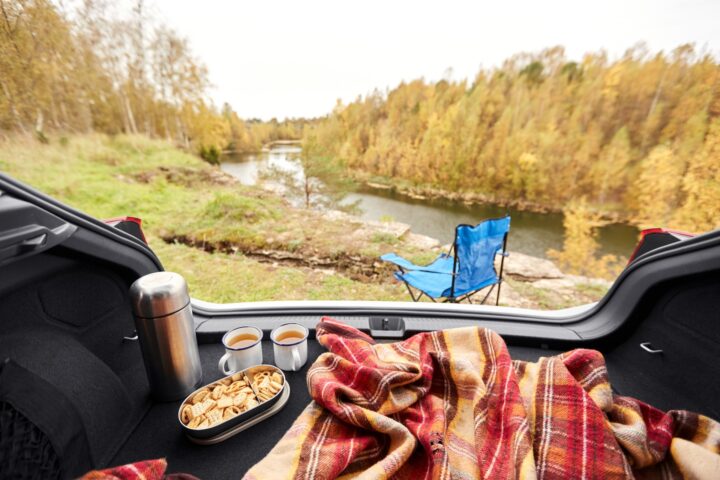
Kitchen zone lives in the back of the cargo area. Easy to reach when the hatch is open. Stove, cookware, dry food, water jug. All right there.
Bedroom zone is the flat surface I create by folding the rear seats. Sleeping pad, bag, pillow. Nothing else belongs here at night.
Closet zone sits behind the front seats or in a soft duffel. Clothes, shoes, toiletries.
High-use zone is the passenger seat, door pockets, and center console. Snacks, sunscreen, headlamp, phone charger, bug spray. The stuff I grab without thinking.
See, once every category has a fixed spot, the car stops feeling like a puzzle. I open the door and my hand goes to the right place automatically. That alone cut my setup time in half on a three-day trip last spring.
I keep the heavy stuff low and centered for better handling. Water jugs and the cooler sit on the floor against the rear seats. Soft bags and sleeping gear fill the gaps on top. Nothing slides around when I hit a dirt road.
The Bin System That Changed Everything
Clear plastic bins are the backbone of my car camping organization. I use two main ones plus a smaller third for odds and ends.
Kitchen bin holds only hardware. Stove, fuel canisters, pot, skillet, utensils, cutting board, biodegradable soap, sponge, collapsible wash basin, trash bags, lighter. Nothing edible. I can yank this bin out and set up cooking in under five minutes.
Pantry bin holds the dry food and spices. Pasta, oatmeal, canned goods, trail mix, oil in a small squeeze bottle, salt and pepper in those tiny Tic Tac containers. Latching lid keeps mice and dust out.
I spent $18 on a pair of 27-quart Sterilite bins at Target two years ago. Still going strong. Clear sides mean I never have to dig. I can see the propane canister or the spatula without lifting the lid.
A third smaller bin holds the first-aid kit, extra batteries, multi-tool, and a roll of duct tape. That one stays near the hatch for quick grabs.
I label every bin with a permanent marker. Kitchen. Pantry. Tools. Sounds basic. It works. When my buddy borrows the kitchen bin for a group trip, he knows exactly what belongs inside and puts everything back.
Micro-Organization for the Small Stuff
Big items are easy. The tiny ones ruin nights. Headlamps, spare batteries, toothbrush, phone cables, car keys.
I built simple “always” rules.
Always keep a backup headlamp and two sets of AAA batteries in the center console.
Always stash toiletries in the passenger door cupholder.
Always hang the car keys on the same G-hook on my seatback organizer the second I step out of the driver’s seat.
I bought a basic over-the-seat organizer for $22 on Amazon. It has mesh pockets for the headlamp, a clear window for the spare batteries, and hooks for keys and sunglasses. It stays on the passenger seatback year-round. When I’m not camping it still holds my everyday mess, so the habit never breaks.
Small items go in gallon Ziploc bags inside the bins. One bag for spices. One for batteries and lighters. One for phone cables and a power bank. Pull the bag, grab what you need, put the bag back. No more lost cables under the seats.
Honestly? This micro level is where most people fail. They nail the big bins and then lose the headlamp at 10 p.m. Fix the small stuff and the whole system clicks.
Pack in Reverse Order of Use
This one still feels backwards until you try it.
Whatever I need first at camp goes in last. Tent or sleeping pad last in so it’s first out. Chairs and table next. Kitchen bin after that. Cooler and water jug deeper. Deep storage (extra clothes, rarely used tools) against the rear seats or under a platform.
When I arrive I open the hatch and the first things I touch are the ones I need right then. No unloading half the car to reach the tent poles.
I learned this the hard way on a windy night near Joshua Tree. Everything was packed chronologically from home. I had to dig past the cooler and three bags of clothes just to get the rainfly. Rain started falling while I was still rearranging. Never again.
Now I pack the night before and take a quick phone photo of the final load. If I need to restack after a stop, the photo shows me the exact order. Takes ten seconds and saves twenty minutes of frustration.
Turning Dead Space into Real Storage
Most cars have wasted vertical space. I stopped ignoring it.
Seatback organizers turn the backs of the front seats into storage walls. Pockets hold the high-use items I mentioned earlier. A cargo hammock or net stretched between the headrests creates an overhead shelf for soft gear like jackets or a folded sleeping bag. I used a basic cargo net for $15 and it holds a surprising amount without blocking the rearview.
If I sleep in the car I use a simple raised platform made from two pieces of plywood and some 2x4s I cut myself for under $40 at Home Depot. The space underneath becomes deep storage for the bins I don’t need until morning. Sleeping on top feels level and the gear stays out of the way.
Roof box or hitch carrier handles the overflow. Wet tents, muddy boots, extra firewood, the big cooler on longer trips. Keeps the interior cleaner and frees the cargo area for the daily essentials.
I keep a magnetic shoe bag on the outside of the rear door for wet or dirty footwear. Mesh bottom lets them dry overnight without stinking up the cabin. Cost me $25 and solved the boot problem completely.
Handling Wet Gear Without Spreading the Mess
Rain, river crossings, sweaty hiking clothes. Moisture spreads fast if you let it.
I created a dedicated wet zone in one rear corner of the cargo area. A cheap plastic tote with a lid holds wet jackets, towels, and muddy shoes until I can hang them or dry them. Separate from everything else.
Damp gear never goes in the sleeping area or the kitchen bin. Ever. I learned that lesson after a soggy sleeping bag turned a cold night into a miserable one.
At camp I hang wet items on a simple clothesline strung between two trees or on the back of a camp chair. If space is tight I use Command hooks stuck to the inside of the hatch or a window for hanging towels and jackets. They come off clean when the trip ends.
For longer trips I keep a small mesh duffel just for wet or dirty clothes. It breathes, so things don’t mildew, and it stays in the wet zone until laundry day.
My 10-Minute Setup Workflow at Camp
Once the car is organized the campsite setup becomes almost automatic.
Park. Open hatch. Grab the high-use items first: headlamp, jacket, lantern. Set them on the picnic table or a rock.
Pull the kitchen bin and cooler. Place them in the cooking area. Cooler goes in the shade immediately.
Pitch the tent or set up the sleeping platform while the light is still good.
Move soft gear and chairs into place.
That’s it. Ten minutes on a good day. Fifteen if the wind is howling.
I do the reverse when it’s time to leave. Kitchen bin gets cleaned and restocked first so it’s ready for the next trip. Everything else follows the same zones. By the time I close the hatch the car is already half-ready for the next weekend.
Frequently Asked Questions
What is the best way to start car camping organization if my vehicle is small? Start with two clear bins and a seatback organizer. Keep the kitchen and pantry separate, pack in reverse order, and use the passenger seat for high-use items. A small car forces better habits faster than a big one.
Do I need expensive gear for good car camping organization? No. My core system cost under $60 total for the bins, organizer, and cargo net. Fancy boxes help if you camp a lot, but clear plastic and consistent habits do most of the work.
How do I keep food safe and organized in the car? Kitchen hardware in one bin, dry food in a latched pantry bin, perishables in the cooler packed with the last day on the bottom. In bear country the cooler and any scented items stay locked in the car or in a proper bear box overnight.
Can this system work if I sleep inside the car instead of a tent? Yes. A raised platform creates storage underneath for the bins. Keep the high-use zone and wet zone the same. Just protect the mattress from any damp gear.
The whole point of solid car camping organization is freedom. Less time digging means more time sitting by the fire or watching the stars. I still forget the occasional spice jar. But the frantic searches are gone. The system holds.
Build yours this weekend. Start with zones and two bins. Stick to the “always” rules for the small stuff. Next time you pull into a campsite you’ll open the hatch and smile instead of sigh. That’s the real win.