A family tent trip fails for a short list of reasons: a tent that is too small once bags and kids are inside, a cold night with no insulation under the sleeping bags, no light when someone needs the bathroom, or food left where animals can reach it. This 32-item tent camping checklist covers those failure points for a drive-up family campsite, then marks what you can drop on a one-night trip.
Manufacturer tent ratings assume people lying shoulder to shoulder with almost no gear. For a comfortable family night, choose a tent rated for one or two people more than your group. A family of four is usually better in a 6-person tent than a 4-person model. Confirm the site allows that footprint before you buy or pack.
Want a list built for your own trip? Set the details below and the checklist adjusts to the weather, the campsite, and who is coming. You can print it or save it as a PDF.
Loading the checklist builder…
How to use this family tent camping checklist
Pack by zone, not by person. Keep shelter and sleep gear in one bin, kitchen gear in another, and safety items in a small bag that stays near the car door. Check the forecast the morning you leave and add or remove the weather items in the last section.
This list assumes car camping at a developed site with a picnic table and a toilet. Primitive sites need more water storage and a toilet plan. Backpacking needs a much lighter kit and is a different trip.
| Priority | When it is non-negotiable |
|---|---|
| Shelter, sleep, light, water, first aid, rain layer | Every night |
| Stove, cooler, chairs | Weekend of two nights or more |
| Canopy, extra games, power bank | Multi-day trips or a wet forecast |
Shelter: items 1–6
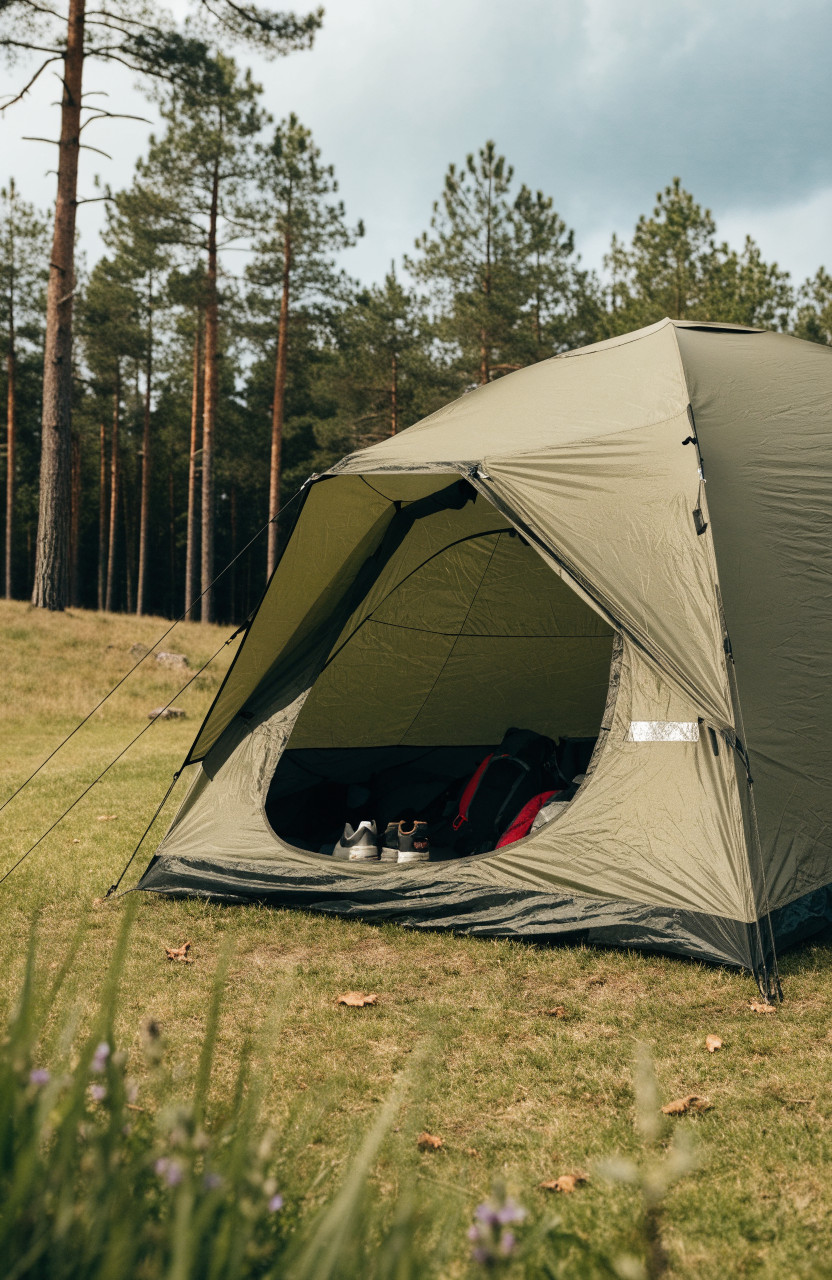
The tent is the one piece that has to work in rain and wind. Set it up in the yard once before the trip so missing stakes and a torn rainfly show up at home.
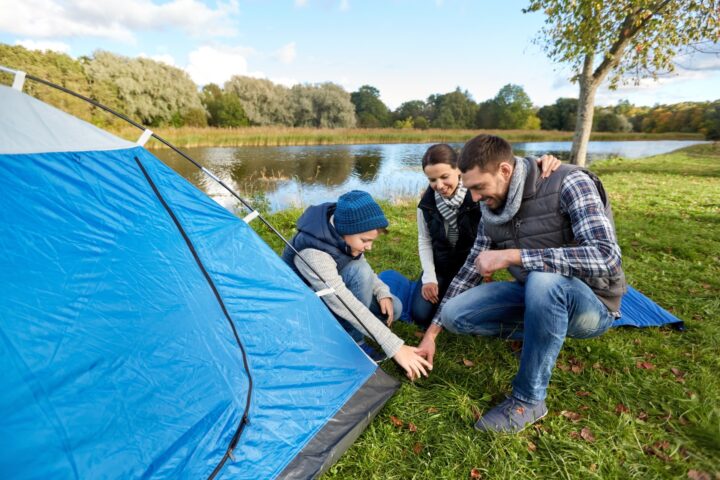
- Family tent, sized up. Look for a full-coverage rainfly, a bathtub floor, and at least one vestibule for shoes and wet packs. Standing height helps on rainy afternoons, but it is not required for a single night.
- Rainfly, packed and checked. Some tents ship with the fly separate. If the fly is missing, the tent is not weather-ready.
- Footprint or ground cloth. Cut it so it does not extend past the tent floor. A tarp that sticks out funnels rain underneath.
- Stakes and guylines. Bring the full set plus a few spares. Soft ground and hard ground both lose stakes.
- Mallet or hammer. Shoe heels bend thin stakes and are a poor tool on dry, packed sites.
- Repair tape and a spare pole sleeve or splint. A small tear at 9 p.m. is easier to patch than to explain to tired children.
Pitch the door away from the prevailing wind if the site allows it. Leave a clear path to the toilet so nighttime trips do not cross the cooking area.
Sleep system: items 7–11
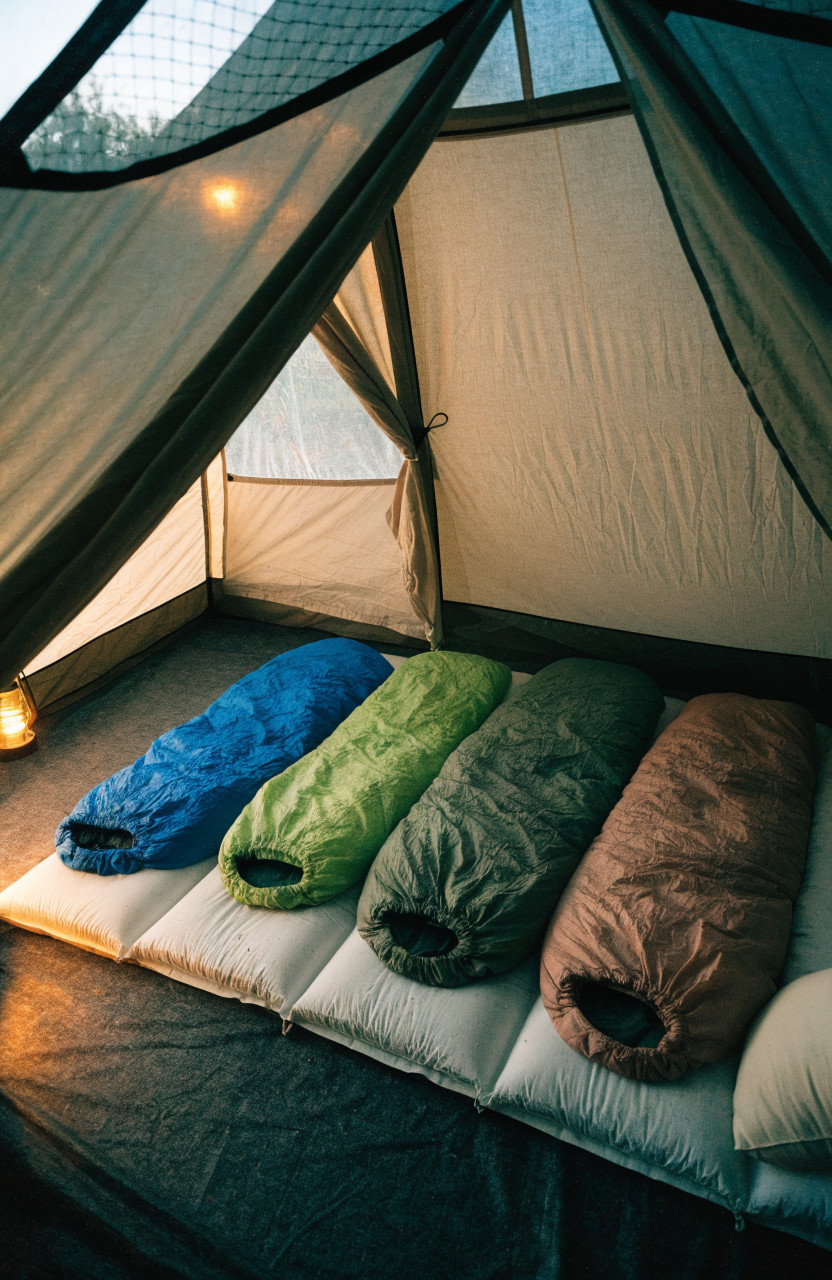
A sleeping bag does not insulate you from the ground. The pad does that job. Skip the pad and the bag’s temperature rating no longer describes the night you will have.
- Sleeping bag for each person. A common outdoor rule is to choose a bag rated about 10°F (about 5°C) below the expected overnight low. Children’s bags should fit the child. Too much empty space makes a small sleeper colder.
- Sleeping pad, air mattress, or cot for each person. Closed-cell foam works if an air mattress leaks. Air mattresses need a pump and a patch kit.
- Pump. Hand pumps are slow with kids waiting. A battery pump is worth it if you already own one. Do not rely on lung power for several mattresses.
- Pillow or stuff sack used as a pillow. Camp pillows pack smaller. A home pillow is fine in a car.
- One extra blanket or bag liner. Useful if the forecast drops or a child kicks the bag off.
Earplugs for adults are optional. A familiar soft toy or small blanket often matters more for young children than another gadget.
Kitchen, food, and water: items 12–18
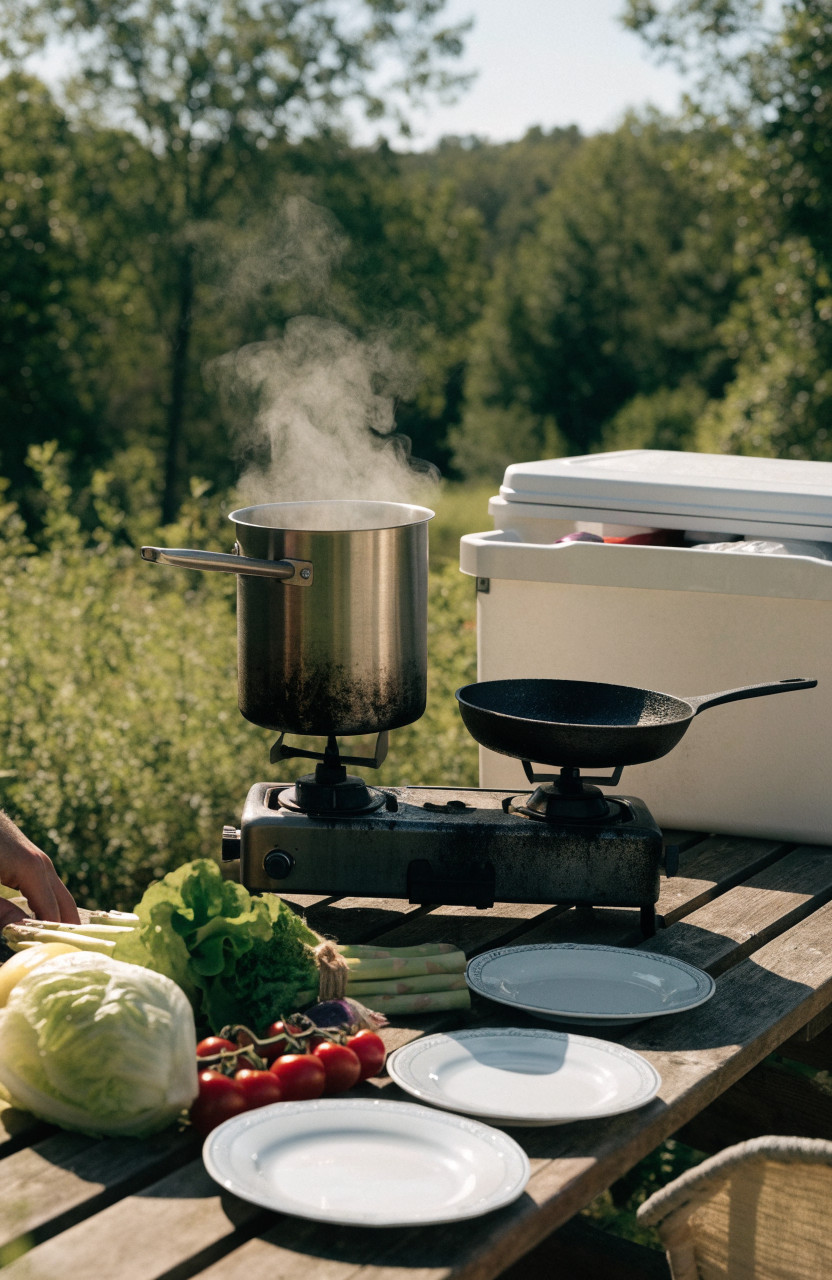
Plan meals that need one pot and one pan. Opening the cooler all afternoon warms the food faster than the ice can recover.
- Two-burner stove or a single burner plus a plan for simple meals, and enough fuel. Check the campground fire rules before you count on a campfire for cooking.
- Lighter and waterproof matches, stored apart from each other. One failed lighter should not end breakfast.
- Pot, pan, and a basic utensil roll. A lid saves fuel. A spatula and a spoon cover most family menus.
- Plate or bowl, cup, and fork or spork per person. Reusable kits beat a pile of disposable plates if you have a wash station.
- Cooler, block ice or frozen water bottles, and a meal plan. Keep drinks in a second cooler if you have one, so the food cooler stays closed. The USDA advises keeping cold foods cold and packing perishables already chilled.
- Drinking water. The CDC’s emergency planning figure is at least 1 gallon per person per day for drinking, cooking, and brushing teeth. Hot weather, pregnancy, illness, and pets raise that need. If the site has potable taps, you can refill rather than haul the full amount, but do not arrive with empty containers.
- Trash bags, biodegradable soap, a scrubber, and a towel. Strain food bits out of wash water and pack them out with trash. Do not dump soapy water into a stream.
Store food, trash, and scented items the way the land manager requires. That can mean a bear locker, a hard-sided vehicle, or a canister. Leave No Trace groups soap, sunscreen, and trash with food as “smellables,” because animals do not distinguish a snack from a toiletry kit.
Clothing: items 19–22
Cotton next to the skin stays wet. A light synthetic or wool base layer plus a fleece and a rain shell covers most three-season family trips better than one heavy jacket.
- Layered outfit for each person: base layer, warm mid-layer, and long pants or tights for night.
- Rain jacket for each person. A family poncho is a backup, not a substitute, if you will leave the tent in rain.
- Extra socks and underwear. One dry pair reserved for sleeping prevents a cold night after a wet afternoon.
- Closed-toe shoes for the day and camp shoes or sandals for the site. Flip-flops are a poor choice around a fire ring.
Add a warm hat if nights will drop below about 50°F (10°C). Sun hats matter more than extra T-shirts on an exposed site.
Safety and light: items 23–27
Most family camp injuries are small: blisters, cuts, insect bites, and burns from a stove or fire ring. The kit has to match the ages in the tent.
- First aid kit plus daily medications in the original containers. Add children’s pain reliever and any allergy medicine you already use at home. Include a copy of emergency contacts and the campsite number.
- Headlamp for each person who will walk at night, plus spare batteries. A flashlight in a pocket is easy to drop. A headlamp leaves both hands free.
- Lantern for the table. Keep bright white light out of neighboring sites after quiet hours. Red-light modes disturb sleep less inside the tent.
- Sunscreen, insect repellent appropriate for your children’s ages, and after-bite treatment. Recheck label age limits before you pack a family bottle.
- Whistle for each child old enough to use one. Agree on a meeting spot at the site before anyone wanders toward the playground.
A paper or offline map of the campground helps when phone service drops. Tell children which sites are out of bounds, especially roads and water.
Comfort and kid-specific gear: items 28–32
These five items are what separate a tolerable night from a short trip home.
- Camp chair per person who will sit at the table. Ground sitting gets old by the second meal. Small chairs matter for younger children.
- More snacks than the meal plan. Outdoor time raises appetite. Pack items that do not require cooking if the stove is delayed.
- One quiet activity and one comfort item per child. Cards, a notebook, or a small game cover a rainy hour in the tent. Glow sticks are useful after dark and do not need batteries.
- Toilet paper, wipes, and hand sanitizer. Bathhouses run out of paper. Wipes also handle muddy hands when the tap is far from the site.
- Reservation confirmation, site rules, and a simple schedule. Quiet hours, fire bans, pet rules, and generator limits vary by park. A one-page plan with bedtime and the next morning’s breakfast reduces late-night negotiations.
Diapers, formula, a travel crib, and a changing pad belong on the list only if an infant is coming. Older kids may do better in a second small tent once they have camped before and are comfortable alone. First trips are usually calmer in one tent.

Family Tent Camping Checklist
All 32 items for a drive-up family campsite on one card. Tick as you pack, then print a copy for the gear bin.
What to pack
Shelter
Sleep
Kitchen, food and water
Clothing
Safety and light
Comfort and kids
How to pack
- Pitch the tent in the yard once, so missing stakes or a torn fly show up at home.
- Pack by zone, not by person: shelter and sleep in one bin, kitchen in another, safety items in a small bag by the car door.
- Check the forecast the morning you leave. Add a warm hat for each person if nights drop below about 50°F.
- Pack perishables already chilled, and keep drinks in a second cooler so the food cooler stays closed.
- Set aside one dry pair of socks and sleep clothes for each person.
Infant coming? Add diapers, formula, a travel crib and a changing pad.
Smellables Food, trash, soap and sunscreen go where the land manager requires, never in the tent.
What to drop on a one-night trip
For a single mild night near home, you can skip the second cooler, a canopy, a power station, and most games. Do not skip the rainfly, pads, headlamps, drinking water, medications, or a way to cook or reheat one meal. Those are the items that turn a short trip into a long night.
Gaps on the list that appear after dark
- Trusting the tent’s person rating. Four pads plus backpacks do not fit in many “4-person” floors.
- Packing the bag and forgetting the pad. Ground cold is the usual reason families say camping is too cold.
- One shared flashlight. The person who has it is rarely the person who needs the bathroom.
- New gear, first used at the site. Practice the tent pitch and the stove at home.
- Food in the tent “just for morning.” Follow local storage rules even for a short stay.
- No dry clothes reserved. Wet socks from a creek walk become the sleeping outfit if you did not separate them.
Frequently asked questions
How big a tent does a family of four need? A 6-person tent is the usual comfortable starting point for two adults and two children on a car-camping trip. Check floor area, not only the person label, and confirm the site pad is large enough.
What if the forecast is wet? Full rainfly, footprint that does not stick out, rain jacket per person, and a dry bag or bin for sleep clothes. A small tarp over the picnic table is useful, but it is not a substitute for a working tent fly.
Do kids need their own sleeping bags? Yes, if an adult bag is much too large. Empty space inside a bag is harder to warm. A child-sized bag or a liner plus a blanket is a better fit.
How much water should we bring? Use at least 1 gallon per person per day as the drinking, cooking, and toothbrushing baseline, and more in heat. Refill at the campground tap if it is potable, and still pack containers so you are not dependent on a single trip to the faucet.