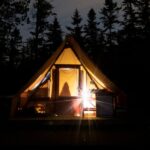
Stakes left in the garage are a classic first-trip discovery, usually made after dark with the tent bag already open. A short tent camping checklist catches that, along with the other usual first-trip failures: a tent that is too small, a sleeping bag that sleeps colder on the ground than its rating suggests, dead headlamp batteries and food left where animals can reach it.
The 35 items here are built for drive-in camping. They cover what actually gets unpacked at a campsite, plus the small things people forget. Backpackers can take a lighter cut of the same categories.
Want a list built for your own trip? Use the tool below or open the full camping checklist generator. Set the details and the checklist adjusts to the weather, the campsite, and who is coming. You can print it or save it as a PDF.
Loading the checklist builder…
How to use this 35-item list
Treat the first 20 items as the working kit. The rest improve comfort or cover weather, kids, or a site with no water or toilets.
Check three things before you pack:
- Overnight low, not the afternoon high
- Whether the site has potable water, a picnic table, and toilets
- Whether food must go in a locker, a vehicle, or a bear-resistant container
Size the tent one person larger than the group so bags and wet layers stay off the sleeping pads. A two-person tent for two adults leaves almost no room once pads and bags are down.
The 35 tent camping checklist
Shelter
1. Tent with rainfly and poles Pitch it at home once. Count poles and stake pockets before you leave. Use the rainfly even on clear nights. Dew, sap, and bird droppings collect on an exposed tent body.
2. Footprint or ground tarp Protects the floor from abrasion and ground moisture. Keep the tarp slightly smaller than the tent floor so rain does not pool underneath and run inside.
3. Extra stakes and guyline Factory stakes are often thin aluminum. Hard or sandy soil and wind need longer steel stakes and spare cord. Stakes are the item most often left in a stuff sack at home.
4. Mallet or hammer A rock works until it does not. A mallet saves stakes and knuckles on packed dirt.
5. Tent repair tape and a pole splint A small tear or a cracked pole does not have to end the trip. Keep tape in the tent bag so it travels with the shelter.
Sleep
6. Sleeping bag rated about 10°F colder than the forecast low Bag ratings are lab numbers, not a guarantee you will sleep well. A 32°F bag on a 40°F mountain night often feels thin. Choose the comfort rating, not the extreme rating, if the brand lists both.
7. Sleeping pad Most heat loss at night goes into the ground, not the air. Pad insulation is measured as R-value. Rough guide: about R-2 for warm summer nights, R-3 to R-4.5 for three-season trips, and R-5 or higher when the ground is near freezing.
8. Pillow A jacket stuffed in a stuff sack works. A real camp pillow usually means better sleep and a quieter night.
9. Extra blanket or bag liner Useful for kids, unexpected cold, and people who sleep cold. A liner also keeps the bag cleaner.
Light and camp layout
10. Headlamp per person, plus spare batteries Hands-free light is what you use for cooking, late bathroom trips, and tent repairs. Pack fresh batteries in a labeled bag, not loose in a pocket.
11. Lantern A headlamp lights a task. A lantern lights the table and the path between chairs.
12. Doormat and a small broom Most dirt enters at the door. A mat outside and a brush inside keep grit off pads and zippers.
13. Camp chairs Optional if you only sit at a picnic table. Worth packing if you will be at camp for more than one night.
Kitchen and water
14. Camp stove and fuel Bring more fuel than the weekend seems to need. Cold weather and wind burn more. Confirm the stove and the fuel type match.
15. Lighter, waterproof matches, and a small fire starter Matches alone fail when they get damp. Carry two ignition sources.
16. Cooler and ice or ice packs Keep raw food and leftovers cold. Do not store the cooler in the tent.
17. One pot, one pan, and a sharp knife That covers most weekend meals. A full cookware set is extra weight and extra dishes.
18. Plates, bowls, mugs, and utensils One set per person. Add a cutting board and a can opener. A can opener is one of the most-forgotten kitchen tools.
19. Water bottles plus a jug Plan about 1 gallon per person per day for drinking and basic cooking at a site with little extra water use. Raise that toward 2 gallons when you also wash dishes and people, or when the weather is hot. Confirm whether the campground has potable water before you leave.
20. Biodegradable soap, sponge, and a small basin Wash dishes away from streams and the tent. Pack out gray-water rules if the site requires it.
21. Trash bags Pack out all trash. A spare bag also becomes a dirty-clothes sack or a rain cover for a pack.
22. Planned food Pack meals by day, not by “we will figure it out.” Include an extra simple meal in case you stay longer or a stove plan fails.
Safety and tools
23. First-aid kit Include blister care, bandages, antiseptic, tweezers, pain relief, and any personal medication. Check dates before the trip.
24. Multi-tool or knife Opens packages, cuts cord, and handles small repairs. If your multi-tool has a can opener, that covers two jobs.
25. Duct tape and cordage Tape holds torn fabric, broken plastic, and loose gear. Paracord hangs a clothesline, secures a tarp, and replaces a snapped guyline.
26. Navigation and trip documents Download an offline map. Carry the reservation, park pass, ID, and some cash. Cell service drops at a lot of campgrounds.
27. Sunscreen and lip balm with SPF Shade is uneven at most sites. Sunburn shows up after the first afternoon by the water.
28. Insect repellent Choose based on the region. Tick-heavy areas also need a tick check at night and in the morning.
Clothing and personal gear
29. Layered clothing, not a daily outfit for every day Base layer, insulating midlayer, and a rain jacket cover more weather than a suitcase of cotton T-shirts. Cotton holds water and loses warmth when it is wet.
30. Extra socks Dry feet change the whole trip. Pack at least one extra pair beyond the number of days.
31. Rain jacket Weather forecasts miss isolated storms. A jacket is smaller than a second pair of shoes and more useful.
32. Warm hat Even summer nights drop after sunset. A hat is the fastest way to stay comfortable in the bag.
33. Camp shoes Sandals or slip-ons keep the inside of the tent cleaner and give hiking shoes time to dry.
34. Toilet paper, hand sanitizer, and wet wipes Do not assume the campground restroom is stocked. If there is no toilet, add a trowel and pack out used paper where required.
35. Toiletries and any prescriptions Toothbrush, toothpaste, medications, and menstrual products. Store scented items with food, not in the tent, in bear country or anywhere raccoons and rodents work the site at night.
What should not go in the tent
Keep food, trash, toothpaste, deodorant, and cooking clothes out of the sleeping area. In developed campgrounds, that usually means a food locker or a locked vehicle. In the backcountry, land managers often require a bear-resistant canister or a proper hang, with storage well away from the tent. A common spacing guideline is about 200 feet between sleep, cooking, and food storage when the terrain allows. Follow the posted rule for that park first.
Also keep fuel, lighters, and heaters out of the tent. They belong in a bin or the vehicle.
Food left in the vestibule just for tonight belongs on this list too. Animals treat it as an invitation, so it goes into proper storage with the rest of the supplies.
What most people forget
The expensive gear usually makes the car. The cheap items do not:
- Tent stakes and the mallet
- Spare headlamp batteries
- Can opener
- Dish soap
- Toilet paper
- Trash bags
- A warm hat
- Enough water if the site has no spigot
Put those eight in a small “last-in” bag and check it at the door.
Arrival order that saves the evening
- Choose a flat site above any obvious drainage.
- Stake the tent and fly before you unpack the kitchen.
- Get sleeping pads and bags out of compression sacks so they can loft.
- Set up water, stove, and light while you still have daylight.
- Store food before you sit down to eat.
Pitch so heads are on the slightly higher end of a slope. A loose fly flaps, collects rain against the inner tent, and keeps people awake.
First setup should never happen at the campsite after dark. Practice in the yard before the trip, and arrive with daylight whenever possible so the pitch goes smoothly.
How the list changes
Rain. Add a second tarp for the table, extra guyline, and a dry bag for clothes. Keep one complete change of clothes in the car.
Cold nights. Raise pad R-value, add a bag liner or blanket, and pack insulated layers you can sleep in. Eat something before bed and do not go to sleep in damp clothes.
Kids. Size the tent up again. Pack extra blankets, a familiar snack, and a light they can turn on themselves.
No water on site. The jug stops being optional. Bring treatment only if you will use a natural source and know how to do it correctly.
Backpacking instead of car camping. Keep items 1–11, 14–15, 19, 23–32, and 34–35. Drop the cooler, lantern, chairs, broom, and bulky cook set.
Frequently asked questions
What are the most important items on a tent camping checklist?
Tent, footprint, stakes, sleeping bag, sleeping pad, headlamp, water, a way to cook, first-aid supplies, and weather-ready layers. Everything else is comfort or site-specific.
How many people should a tent sleep versus how it is labeled?
Plan on the labeled capacity minus one for adults who want gear inside. Two adults usually sleep better in a 3-person tent.
Do I need a footprint if the tent already has a floor?
Yes if you camp on gravel, roots, or damp ground. The footprint is cheaper to replace than the tent floor.
Can I use blankets instead of a sleeping bag?
Yes in mild weather if you also have an insulating pad. Blankets without a pad still leave you cold from below.
How much water should two people bring for a weekend?
If the campground has drinking water, bottles plus a refill jug are enough. If you must haul all water, start around 4 gallons for two people for two days of drinking and light cooking, and add more for dishes, heat, or hiking.
What should I skip on a first trip?
Skip the second tarp room, the espresso kit, the giant cabin tent, and most gadgets. Borrow or rent the tent and sleep system if you are not sure you will camp again.
A printed copy of this 35 tent camping checklist, checked the night before and again at the car, prevents most of the “we forgot the one thing that mattered” problem. Pack the shelter and sleep system first. Pack the small bag last. Leave the extras until you know which ones you actually use.