
Compared with a tent, a Honda CR-V offers a hard roof, locking doors and nothing to pitch. Compared with a full-size SUV or van, it is easier to drive and park every day but leaves less room to stretch out. CR-V car camping sits in that middle ground, comfortable for one person and workable for two.
Good sleep depends on a level floor. The sections below cover sleep length across generations, platforms, mattresses that fit, storage and cooking, privacy and ventilation, and how solo trips compare with sharing the space.
Why the CR-V Fits Car Camping So Well
The Honda CR-V gives solid cargo volume without the bulk of a full-size SUV. With the rear seats folded, the fifth-generation model offers roughly 75.8 cubic feet. Newer sixth-generation gas versions push closer to 76.5 cubic feet. That space holds a mattress plus enough gear for a long weekend.
Fuel economy helps too. An AWD CR-V averages roughly 28 mpg on mixed roads, so remote trailheads do not mean constant fuel stops. Ground clearance sits around 7.8 inches, enough for most gravel forest roads and state park campgrounds. Serious rock crawling is out, but everyday dirt roads pose no issue.
The seats fold nearly flat. A small step or incline often remains between the folded backs and the cargo floor. That detail matters for sleep quality, so deal with it early.
Measuring Sleep Length Across CR-V Generations
Measure your own vehicle before trusting online numbers. In a 2018 CR-V the usable length from folded seatbacks to the closed tailgate lands around 70 to 71 inches. Sliding the front passenger seat fully forward adds a few more inches for a diagonal sleeping position.
Sixth-generation models (2023 and newer) stretch closer to 72 inches. Fourth-generation trucks run a bit shorter, often 68 to 70 inches. Width between the wheel wells stays around 42 to 45 inches. Above the wells the space opens wider, but the floor level is what counts for a mattress.
Height from floor to roof runs about 36 to 38 inches depending on the year. Hybrids lose a little floor depth because of the battery pack. Gas models feel more open for sleeping. Someone around 5 feet 10 inches tall can stretch out fully in the fifth-generation CR-V once the platform is level. Anyone over 6 feet needs the passenger seat pushed forward and a diagonal angle.
Keep a tape measure in the glove box. Every CR-V varies slightly by trim and year. Measure yours before you buy a mattress or platform.
Sleeping Platforms That Level the Floor
A flat surface makes or breaks the night. There are three main approaches.
The simplest is sleeping on the folded seats alone, but the gap between seatbacks and cargo floor creates a ridge under your lower back. Foam and plywood fix that.
A simple DIY platform from half-inch plywood in three hinged sections runs about $175 in materials. The platform sits on the folded seats and creates a continuous surface with storage underneath. Setup takes about ten minutes. Removal for daily driving takes the same. The wood is heavy, though, so plan to store it in the garage between trips.
A commercial modular platform is the next step up. The Hele Box Solo fits the CR-V cleanly. Adjustable legs handle the slight incline of the hybrid floor. It installs without tools and collapses for storage, and the solo version sits in the mid-range price bracket. Under-bed space holds a cooler, shoes, and a small duffel.
Other kits exist. Some slide-in boxes arrive fully assembled and drop in within five minutes. They offer integrated drawers and kitchen shelves. Prices start higher but remove all DIY work. RiverLeaf-style units, for example, offer a six-foot bed with storage drawers that stay accessible even with the platform open.
Choose based on how often you camp. Weekend warriors do fine with a hinged plywood board. Frequent travelers prefer the modular aluminum or pre-finished wood kits that adjust for uneven floors.
Unsealed plywood absorbs overnight condensation and warps, so seal all sides before sleeping in your CR-V.
Mattress Options That Actually Fit
Air mattresses work for the first few trips. A twin-size model around $45 inflates with a 12-volt pump and fills the space between the wheel wells. Cheap ones can lose air overnight, so check the valve carefully, and expect the pump noise to be a nuisance at night.
Foam is the more reliable choice. A three-inch foldable twin foam mattress, around $89, fits the 2017-2018 CR-V without trimming. It stays quiet, needs no inflation, and stores as a cube. Thicker four-inch options suit cold weather, so a thinner pad for summer and a thicker one for fall nights below 40 degrees makes a sensible pairing.
CR-V-specific air mattresses fill the seat-to-cargo gap better than universal ones. Prices range from $70 for basic universal pads to $230-280 for custom shapes with built-in pumps. Foam still wins on durability. Side sleepers need at least three inches of thickness or the hip pressure becomes painful by morning.
For couples the width between wheel wells forces a cozy arrangement. Two people fit if both accept limited turning room. Solo campers enjoy extra elbow space and can leave one front seat available for easier access.
Place a reflective windshield shade under foam in your CR-V to block cold rising from the metal cargo floor.
Storage and Kitchen Tricks Under the Platform
Under-bed storage is the real win. A soft cooler, a pair of shoes, and a small tool bag fit under the platform, keeping everything organized and out of the sleeping area.
Cooking works best outside. A compact camp stove and a small prep table can live in a dedicated bin. On longer trips, a side canopy adds shade and rain cover. It takes about fifteen minutes to stake out and gives you a dry kitchen zone next to the open rear hatch.
Pack water in a seven-gallon jug with a spigot. Food stays in soft-sided coolers that slide under the bed. Lighting comes from a rechargeable lantern and a short string of LED lights clipped to the headliner. A portable power station charges phones and runs a small fan when temperatures climb.
Organization bins that collapse when empty save space on the drive home. Pack heavy items low and close to the vehicle center so handling stays predictable on rough roads.
Keep the seven gallon spigot jug just inside the rear door for pouring without pulling it fully from under the platform.
Privacy, Ventilation, and Comfort Details
Window covers make the biggest difference after the mattress. Custom blackout shades block light and add insulation. Use the reflective side for hot days and the black side for privacy at night. Mesh window screens let you crack a rear window for airflow without inviting bugs.
Condensation builds up on cold mornings. Crack two windows slightly and run a small battery fan for a few minutes before sleep. In winter, add a reflective windshield cover and a couple of body warmers for the first hour after dark.
Entry and exit take practice. Open the rear hatch, sit on the edge of the platform, and swing your legs in. Taller people duck more. Nighttime bathroom trips feel awkward the first few times, but muscle memory takes over quickly.
A small organizer hanging on the back of the front seats holds glasses, phone, and headlamp. That single addition stops the midnight search for essentials.
Add rear window rain guards so you can crack CR-V windows for airflow even during rainy nights.
Solo Versus Couples in the Same CR-V
Solo camping feels spacious. The passenger seat can stay forward for gear or a dog bed. The full width of the platform becomes your personal space, with room to stretch, read with a headlamp, and reach the cooler without leaving the bed.
Two people need more planning. Two people can sleep head-to-toe or side-by-side with shoulders overlapping the wheel wells. A narrower mattress leaves room for a shared sleeping bag or quilt. Storage shrinks. With two sleepers, move the kitchen bin outside and keep only overnight essentials under the platform.
Dogs fit easily on the solo setup. A medium dog curls at the foot of the mattress or in the front passenger footwell. Larger dogs need the full cargo width and force the human to sleep diagonally.
Solo trips win for pure comfort. Shared trips still work when the destination justifies the tighter quarters.
Frequently Asked Questions
Can you sleep in a Honda CR-V for car camping? Yes. Fold the rear seats, level the surface with a platform or thick foam, and most adults under six feet sleep comfortably. A sleeper around 5 feet 10 inches can stretch out fully once the gap is filled.
What size mattress fits best for CR-V car camping? A twin-size foam pad around 38 by 75 inches works for most fifth- and sixth-generation models. Custom CR-V air mattresses fill the exact shape and cost more but eliminate side gaps.
Do hybrids work as well as gas models for sleeping? They work, but the battery pack raises the floor a bit and reduces total cargo volume. Adjustable platform legs make hybrid versions just as comfortable to sleep in.
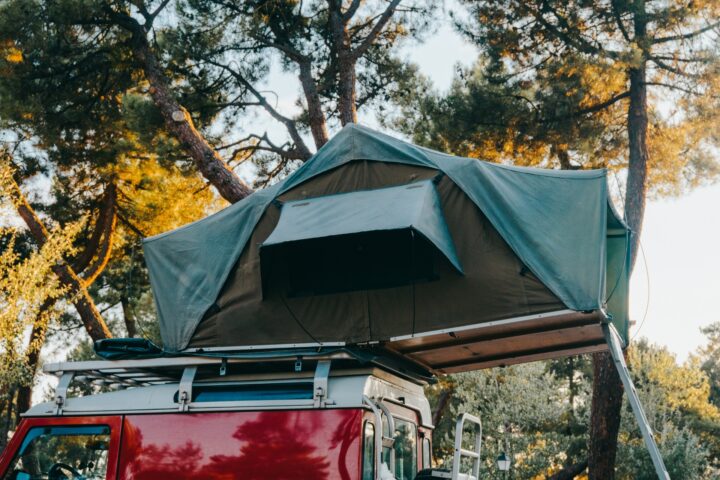
Is a rooftop tent better than sleeping inside the CR-V? A rooftop tent adds height and separates living space from the vehicle interior. It costs more, requires a strong roof rack, and takes longer to set up. Inside sleeping stays simpler and cheaper for most weekend trips.
How long does setup take once you have the system? A modular platform and foam pad can go from packed to ready in under fifteen minutes. The first few trips take longer while you learn the sequence.
Small changes appear between model years, so measure any CR-V before buying gear for it. The core system stays the same: level the floor, choose quiet foam, control light and air, and keep gear under the bed. That combination turns an everyday SUV into a reliable overnight base.
Next time you park at a quiet trailhead, fold those seats and try the setup. The first solid night of sleep in the back of your own CR-V feels like a small victory. Then you start planning the longer routes.