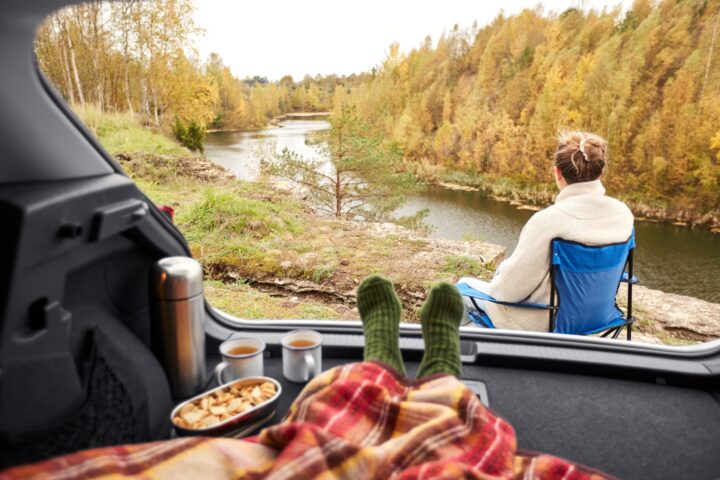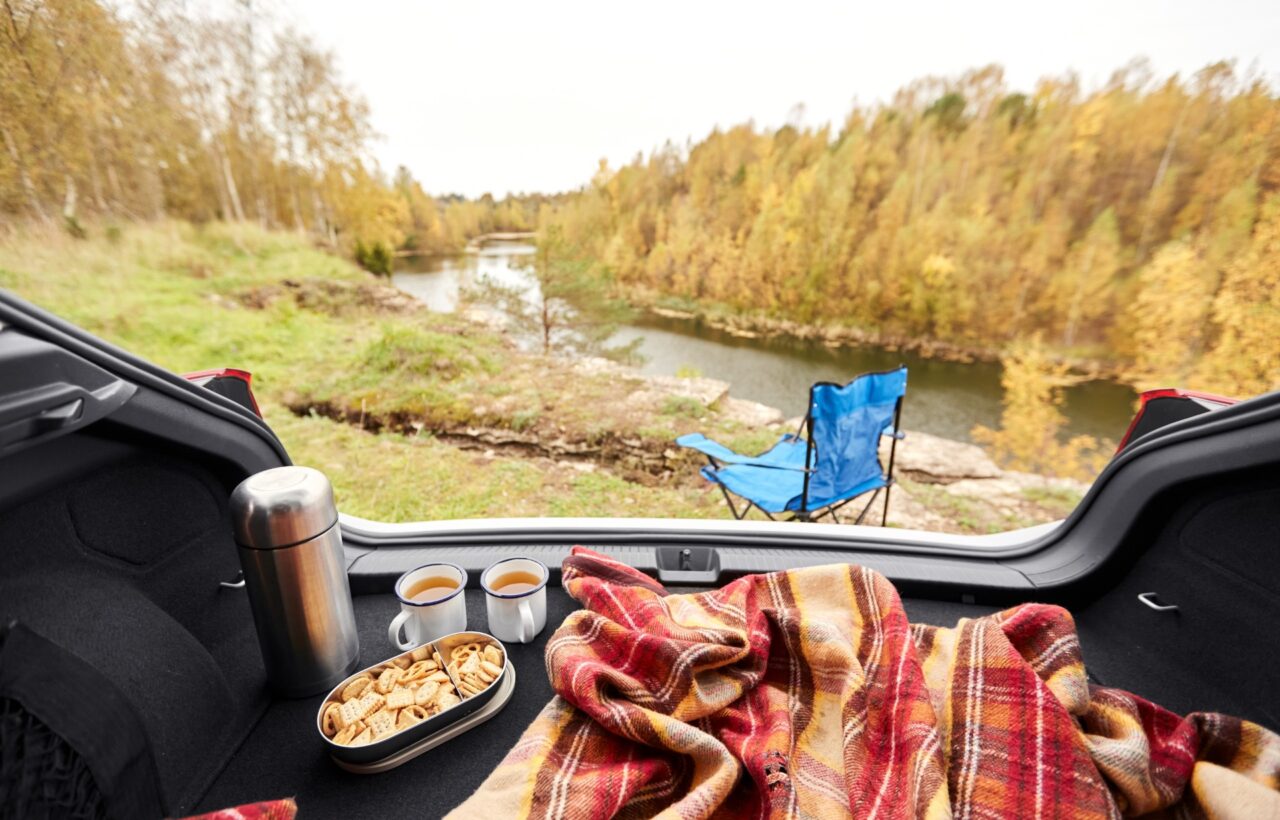
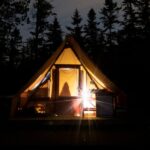
A car camping kitchen is a compact cooking setup that travels with your vehicle: stove, nesting cookware, cooler, water, and cleanup gear. The most important practical step is keeping all of it in one dedicated bin, so nothing gets left at home and setup takes minutes.
The rest is a matter of picking reliable pieces. A two-burner stove runs two pans at once, cookware nests to save room, a good cooler holds ice for days, and simple cooking zones keep the table under control. No fancy all-in-one box is required, and the whole kit fits in a sedan trunk or SUV cargo area.
What a Car Camping Kitchen Really Means
A car camping kitchen is the portable cooking system you haul in your vehicle and deploy at the site. Weight barely matters. Space does. You bring a two-burner stove, real pots, a cooler, and cleanup gear instead of the ultralight backpacking kit.
Think of the kitchen in three zones: cook, prep, and clean. Everything packs into one dedicated bin so the spatula never gets left behind. That single habit fixes most early-trip frustrations. When the car is the logistics vehicle, you can cook like you mean it. Dehydrated meals stay in the emergency kit. Fresh eggs, sausage, and vegetables come along instead.
Picking the Stove for a Car Camping Kitchen
The stove sits at the center of every car camping kitchen. A classic two-burner propane model is the standard choice. It folds flat, weighs about 12 pounds, and gives you two pans of heat at once.
Coleman two-burner propane stoves show up in almost every solid setup. They are affordable, durable, and dependable to light. Keep a couple of 16-ounce propane cylinders in the bin. Fuel is easy to find at most hardware stores or gas stations. For more power on group trips, the Camp Chef Everest 2X puts out 20,000 BTU per burner and boils a liter of water in under four minutes even with wind.
Single-burner butane stoves work as backups. One can handle coffee duty while the main stove is full of breakfast. Induction cooktops make sense if you already run a power station, but propane remains the more reliable option. No battery anxiety.
Wind screens matter. Built-in sides on the Coleman block enough breeze for most sites. On exposed ridges, add a simple metal windscreen from the same bin. Always pack an extra lighter and matches, since auto-ignition fails at the worst moment.
Store 16-ounce propane cylinders upright outside the kitchen bin and test the Coleman auto ignition at home, since altitude and cold weaken sparks.
Cookware and Utensils That Pull Their Weight
Two nesting saucepans and one 10-inch skillet cover most meals. The set nests inside itself and slides into the kitchen bin with room left over. Cast iron earns its space on longer trips. A well-seasoned 10-inch skillet handles eggs, sears, and even bakes cornbread over low heat with a lid.
Utensils stay minimal. Spatula, wooden spoon, tongs, chef knife, and a small cutting board. Add a can opener, measuring cup, and a bench scraper for cleanup. Everything fits in a mesh bag inside the main bin. Plates and bowls are enamel or durable plastic that stack. Sporks or stainless cutlery go in the same pouch.
Coffee gear sits right on top. An AeroPress and a small French press give you options. Travel mugs keep drinks hot while the food cooks. Packing every gadget from the home kitchen drawer makes the bin heavy and disorganized, so stick to tools that get used on every trip. Multi-purpose wins.
Cast iron holds heat longer than thin nesting pans, so preheat that 10 inch skillet low for five minutes to prevent eggs sticking.
Cooler and Storage That Keep Food Fresh
A 50- to 70-quart hard cooler is the sweet spot for most weekends. Bigger coolers hold ice longer because of thermal mass. Pre-chill the cooler with a sacrificial bag of ice the night before, then pack real food and fresh ice blocks. Ice can last around four days with the lid kept shut and meltwater drained once a day.
Collapsible containers hold leftovers and pre-cut vegetables. Crack eggs at home into a sealed jar so they never break in transit. A plastic 12-egg carton works if you want the shells intact. Dry goods live in the kitchen bin: rice, pasta, and a small spice kit restocked at the start of each season.
Bear country rules stay simple. Food stays in the cooler or locked in the car whenever camp is unattended. No open bags on the table. That habit keeps a site clean.
Never keep that pre cracked egg jar or scented spices in the tent, even sealed coolers in cars leak odor in bear country.
Water and Cleanup Without the Hassle
A 2-gallon collapsible water jug sits next to the stove. Fill it at the campground spigot or from a filtered source. Two collapsible sinks handle wash and rinse. Biodegradable soap and a pot scrubber with a scraper edge finish the job. A single bottle of Campsuds goes a long way.
Strain food scraps into a trash bag before dumping gray water 200 feet from any stream or lake. Pack it out. Leave No Trace is not optional. A small strainer and trash bags live in the same mesh pouch as the utensils. Cleanup takes about ten minutes when the system is ready.
A kitchen tarp over the table keeps rainy days workable. It clips to trees or poles in a few minutes, so wet gear stays dry and cooking carries on.
Packing Everything Into One Organized Box
All of it lives in one large plastic bin or duffel. Stove on the bottom. Cookware nested inside. Utensil bag, spice kit, soap, and scrubber on top. Cooler and water jug ride separately because of weight and temperature.
Restock the bin the day you get home. Replace empty fuel cylinders and check soap levels. That single step means a last-minute trip needs almost zero prep. Beginners can start smaller: stove, one pot, one pan, basic utensils, cooler, and water jug. Add pieces as you learn what you actually use.
Setting Up Cooking Zones at Camp
At the site, set up three clear zones on the picnic table or a roll-up table. Cooking zone holds the stove and fuel. Prep zone gets the cutting board, knife, and ingredients. Cleaning zone sits a few feet away with the two sinks and water jug.
A tight layout keeps walking between tasks to a minimum. Everything returns to its spot after use, which keeps the system tidy even when cooking for four people. Where there is no picnic table, a collapsible camp table with adjustable legs fills in. Level ground is not always available.
Simple Meals That Fit This System
Breakfast is eggs and sausage in the skillet while coffee heats on the second burner. Lunch stays cold or one-pot. Dinner is pasta, rice bowls, or foil packets on the stove. Pre-chop vegetables at home and store them in the collapsible containers. Sauces go in small jars.
A quick skillet hash with potatoes, onions, and leftover protein takes about 20 minutes start to finish. One-pot chili can simmer while the tents go up. Hot drinks matter more than people admit. Coffee or cocoa in the morning sets the tone for the whole day.
A small notebook of recipes that suit this exact gear keeps meals simple. No complicated steps. No missing ingredients. The system supports real food without turning the campsite into a restaurant kitchen.
Pre chopped vegetables cook about 30 percent faster at camp, which keeps that 20 minute skillet hash on schedule.
Frequently Asked Questions
What exactly counts as a car camping kitchen? A portable cooking system packed into your vehicle that includes a stove, cookware, cooler, water, and cleanup gear. It lets you prepare full meals at the campsite without backpacking weight limits.
Do I really need a two-burner stove? For most trips yes. One burner forces you to cook in sequence and slows everything down. Two burners let you handle coffee and eggs at the same time.
How do I wash dishes without a sink? Two collapsible bins, biodegradable soap, and a scrubber. Wash, rinse, strain scraps, pack out the gray water or dump it far from water sources.
What is the minimum gear for a first trip? Stove, one pot, one pan, utensils, cooler, water jug, and soap. Everything else is optional until you know what you miss.
How long does ice last in a good cooler? With pre-chilling and ice blocks, four days is realistic on most trips. Drain meltwater daily and keep the lid closed.
A well-organized car camping kitchen can turn rushed, bland meals into a highlight of any trip. Keep the bin ready in the garage, load the cooler, and go. You can build the same system with pieces you already own and a few targeted buys. Start with the stove and the zones. The rest falls into place once you cook a few real meals outside.