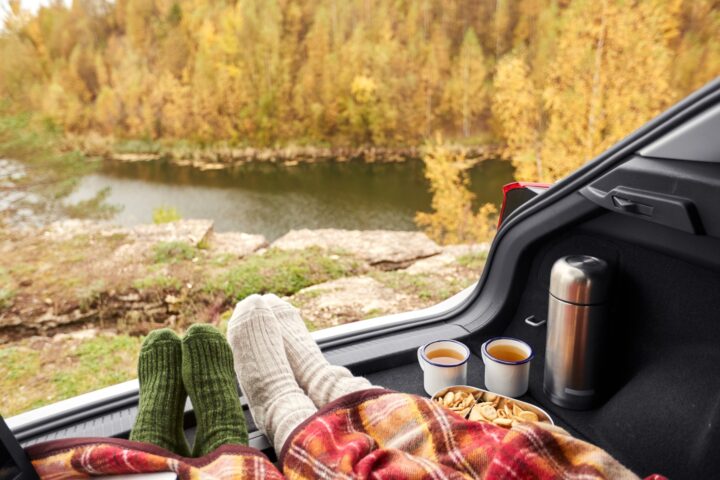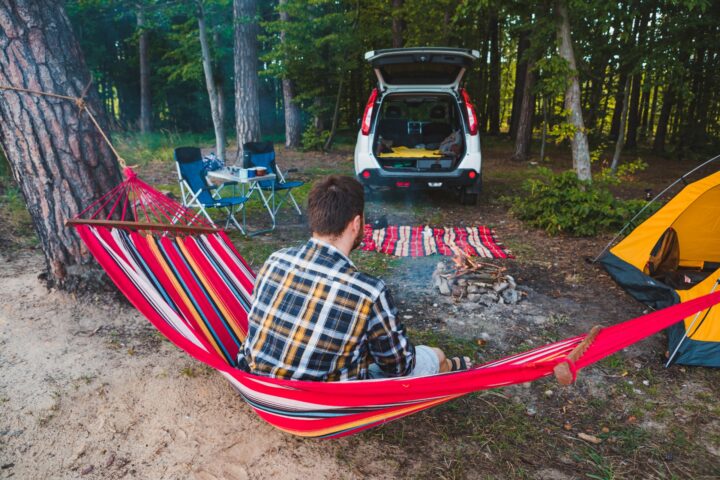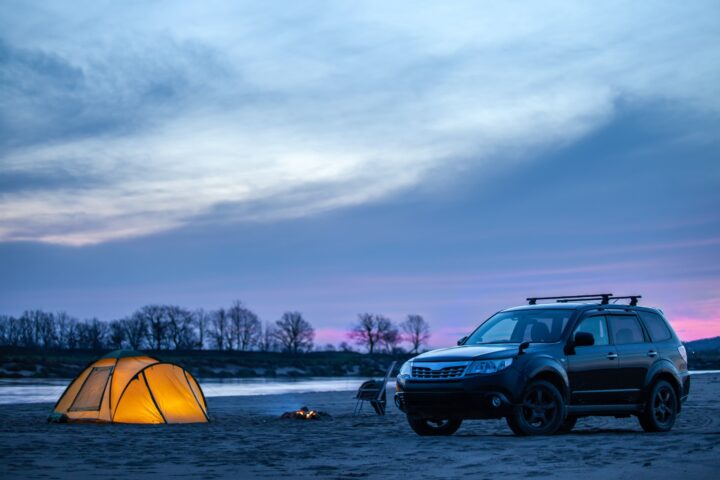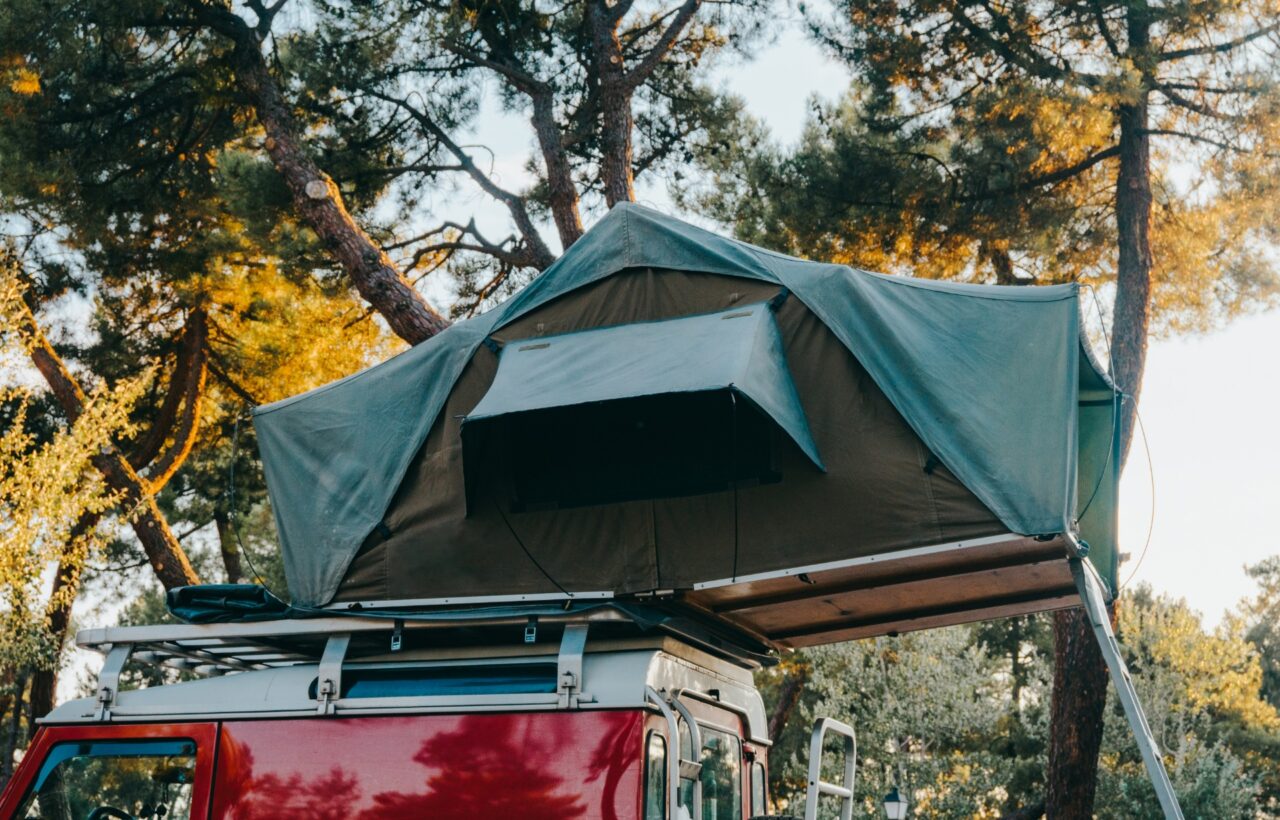
A flat surface and a good mattress decide how well you sleep. Everything else in SUV car camping is fine-tuning.
The sections below start with choosing a vehicle that fits your body, measured with the rear seats folded, then cover building a level sleeping platform, the gear worth packing, and staying comfortable overnight with airflow and window covers. Cold-weather adjustments, basic safety, and finding a legal place to park round it out, followed by answers to common questions.
Choosing the Right SUV for Car Camping
Not every SUV works the same for sleeping. Length matters most. Measure from the back of the front seats to the closed hatch with the rear seats folded. You need at least 72 inches for most adults. 75 inches or more feels better if you are over 5'10".
Ground clearance comes next if you leave paved roads. 8 inches or higher handles forest service roads without scraping. A Toyota 4Runner, for example, offers 9.6 inches, enough to reach spots that would stop a lower crossover. Width around 42 to 47 inches lets two people share without feeling like sardines.
Fold-flat seats are non-negotiable. Gaps create ridges that dig into your back. Full-size options like the Chevy Tahoe or Ford Expedition give the most space. Midsize picks such as the Subaru Outback or Toyota 4Runner hit a sweet spot for most people. Smaller ones like a Crosstrek work for solo trips but feel tight for two.
A cargo area that is too short for your height can leave you with a kink in your neck after a couple of nights. Measure your own vehicle before you buy gear. Tape measure. Seats down. Numbers on paper. That five minutes saves headaches later.
Push front seats fully forward and recline slightly before measuring, since 4Runner and Outback gain 3 to 4 extra inches that way.
How to Build a Flat Sleeping Surface
The single biggest upgrade is a level platform. Folded seats rarely sit perfectly flat. The gap between the seat backs and cargo floor creates a step. Your mattress sinks into it. Sleep suffers.
Plywood cut to fit is the cheap, effective starting point. A purpose-built aluminum platform from Compass Camper is the step up. The basic bed platform runs around $799 to $1,200 depending on the model. It sits over the folded seats, creates storage underneath, and stays solid. No drilling. It clips into the existing tie-downs.
For the mattress itself, the Luno AIR BASE is a well-known option. It costs $199.99 and inflates in about 30 seconds with the 12-volt pump that comes with it. The shape matches common SUV cargo areas so it fills the wheel wells instead of leaving empty pockets. The thicker AIR+FOAM Pro version at $499.99 adds insulation if you camp year-round.
A quick setup routine to follow every time:
- Fold the rear seats completely flat.
- Place the platform (or just the mattress if you skip the platform).
- Inflate until it feels firm but not rock hard.
- Add a fitted sheet or sleeping bag.
- Crack the rear windows a couple of centimeters and clip on mesh screens.
The whole process takes under 10 minutes once you have practiced, though a first attempt usually runs much longer. Practice in the driveway once so the campsite version feels automatic.
Slightly underinflate the Luno AIR BASE at lower elevation if driving to altitude, as warming air expands and firms the mattress overnight.
Essential Gear for SUV Car Camping
Keep the gear list short. Overpacking turns the back into a junk drawer. Underpacking leaves you cold or hungry.
Sleep system Platform or flat surface. Luno-style mattress or a good 3- to 4-inch pad. Sleeping bag rated at least 10 degrees colder than the forecast low. Real pillow. A compressible one takes up almost no space.
Kitchen basics Compact propane stove. One pot and one pan. Cooler or 12-volt fridge. Reusable utensils. Two to three gallons of water per person per day. Biodegradable soap and a small basin.
Comfort and safety Window covers or reflective shades for privacy and temperature control. USB or battery fan. Headlamp plus a lantern. First-aid kit. Trash bags. Paper maps or offline maps on your phone.
Keep the extra gear beyond the sleep system modest, even on a multi-night trip. A lighter load keeps the cargo area usable and the ride stable. Pack light. Pack smart. You can always buy ice or a snack on the way.
A simple table helps compare the core sleep options:
| Option | Approx. Price | Best For | Notes |
|---|---|---|---|
| Basic plywood + pad | $50–100 | Budget starters | DIY, heavy |
| Luno AIR BASE | $200 | Most people | Fast inflate, good fit |
| Compass Camper platform | $800–1,800 | Frequent users | Storage underneath, solid |
| Luno AIR+FOAM Pro | $500 | Cold nights | Higher insulation |
Pick one solid sleep upgrade first. Everything else is secondary.
A gallon of water weighs 8.3 pounds, so three days for two people can exceed 100 pounds and dwarf your 40 pound gear target.
Staying Comfortable Through the Night
Comfort is not complicated. It is a few small fixes that stop the usual complaints.
Ventilation stops condensation. Crack the rear windows and fit mesh screens so bugs stay out. A small clip-on fan keeps air moving on still nights. Without airflow the windows fog and everything feels clammy by morning.
Privacy comes from window covers. Reflective ones block headlights and early sun. They also add a layer of insulation, and a good set packs flat.
Noise control matters more than most people admit. Turn off the rear seat reminder chimes and any door-open alerts in the vehicle settings. Lock the doors with the key fob once you are settled. That simple step keeps the car quiet when you shift in the night.
Silence door chimes and lock alerts before bed, or the car may chirp every time you roll over, which campground neighbors will not appreciate. Turn everything off before you inflate the mattress.
Temperature swings are normal. Layer clothing. Wool base layers stay comfortable even when damp. A packable puffy blanket gives extra warmth without bulk. The right mattress and a cracked window solve most comfort problems.
Set dome lights to off and disable auto headlights before dark, so opening the hatch for late bathroom breaks avoids blinding camp.
Cold Weather SUV Car Camping Tips
Cold nights change the game. The vehicle floor and windows pull heat fast. Insulation becomes the priority.
Add a closed-cell foam pad under the main mattress. It creates a barrier against the cold metal. The Luno AIR+FOAM Pro already helps, but the extra pad makes a clear difference below 40 degrees.
Window covers go up on every window. Reflective side facing out in the day, inward at night if you want to trap heat. A lightweight blanket hung across the front seats creates a smaller sleeping zone. Less air volume means less heat to warm.
Avoid cooking inside. Steam adds moisture that turns into frost or dampness. Cook outside under a tarp if needed. Keep a small towel handy to wipe any condensation that still appears.
Layers under and around the bed matter more than price. With an overnight low near 28 degrees, a foam pad, window covers, and a 20-degree bag can keep you warm, while a thinner setup leaves you stiff and cold.
Test your full cold setup in the driveway on a chilly night before you commit to a remote spot. Better to find the weak points at home.
Safety Basics and Where to Park
Lock the doors. Every time. Store food properly if you are in bear country. Open food stays outside in a locker or hung bag. Sealed coolers can stay inside, but keep them clean.
Where you park depends on the land. Developed campgrounds are straightforward. Book a site and you are legal. Dispersed camping on national forest or BLM land is usually fine as long as you follow the local rules. Stay on existing roads. Camp at least 100 feet from water. Pack out everything.
Apps like The Dyrt or onX help confirm boundaries. Carry paper maps as backup. Never assume a random pullout is legal. One quick check prevents a midnight knock from a ranger.
Wildlife is real but manageable. Carry bear spray in grizzly areas. Black bears do turn up near campsites, and clean camp habits keep them from lingering. Most nights the only sounds are wind and the occasional owl.
Frequently Asked Questions
Can you sleep comfortably in an SUV for car camping? Yes. A flat platform or quality vehicle-specific mattress, a warm bag, and good airflow make it better than many tents. A well-set-up SUV often sleeps better than the ground.
Do I need to leave a window open while sleeping in an SUV? Yes. Cracking a window prevents condensation and keeps air fresh. Mesh screens stop bugs without sacrificing the airflow.
What is the best mattress for SUV car camping? A vehicle-shaped option like the Luno AIR BASE at $199.99 works for most people. It fills the cargo area properly instead of leaving gaps. Spend more on the foam version if you camp in colder weather.
How much space do I need to sleep two people? Most midsize and larger SUVs give 40 to 47 inches of width. That is workable for couples. Full-size models feel roomier. Compact SUVs are better for solo trips.
Is ground clearance important for SUV car camping? It depends on the roads. Paved campgrounds need almost none. Forest roads and light trails benefit from 8 inches or more, and the extra clearance pays off as soon as you leave the pavement.
SUV car camping works because it stays simple. Flat bed. Smart gear. A little practice. You skip the tent setup, stay dry when the weather turns, and wake up ready to move. Start with the sleep surface. Add the rest as you go. The next trip will feel easier than the last. Get out there and test your own setup. The road is waiting.