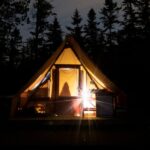
Sedan car camping has a reputation for cramped, sleepless nights, and plenty of campers think any real trip needs an SUV or van. A sedan with fold-down rear seats can actually give one person, sometimes two, a comfortable bed once the space is set up with care.
A more useful way to think about it is as a packing puzzle. A diagonal sleeping line, a mattress that fills the gaps, steady ventilation, discreet window covers and legal parking spots count for far more than expensive gear.
How to Build a Flat Sleeping Spot in a Sedan
The single biggest factor in sedan car camping comfort is a level surface. Most rear seats do not fold perfectly flat. There is almost always a step or gap where the seat meets the trunk pass-through.
Park nose slightly uphill to offset trunk lip slope, keeping your hips level on a diagonal layout.
Fold the 60/40 rear seats down. Then slide the front seats as far forward as they will go and remove the headrests. The longest usable line is diagonal: position your head near the front passenger side and let your legs stretch into the deepest corner of the trunk. In a midsize sedan like the Accord, that diagonal path can give close to six feet.
Gaps still exist. Fill them with a folded yoga mat and a couple of duffel bags packed with soft clothes. The surface has to feel continuous under the hips and shoulders, or you wake up twisted.
An inflatable car mattress such as the Sailnovo, around $50, includes a wedge section that drops into the footwell behind the front seats. It inflates with a 12-volt pump in under three minutes. A thin closed-cell foam pad on top adds insulation and makes the surface firm enough that the seat hinges disappear underneath.
Test the fit in your own driveway before any real trip. Lie down fully clothed with your shoes on. If your knees stay bent or your neck cranes upward, adjust the angle or add more fill. Ten minutes of testing at home can save an entire uncomfortable night.
Gear That Actually Works for Sedan Car Camping
Space is the dictator. A sedan trunk holds roughly 14 to 16 cubic feet. Everything has to earn its place.
Limit the load to three soft bins. One holds the sleep system: the mattress, a mummy bag rated to 40 degrees, and a small inflatable pillow. The second holds kitchen items: an MSR PocketRocket stove, one 2-liter pot, a collapsible bowl, and a headlamp. The third carries clothes for two days and a compact rain jacket. Anything else stays home.
Window covers matter more than most people think. Reflectix panels cut to size and held with magnets block light and add a surprising amount of insulation. For ventilation, stretchy mesh sock-style covers fit over the entire door frame. Roll the windows down two inches and the mesh keeps bugs out while air still moves.
A portable power bank, around $80, keeps a phone charged for maps and alarms. Never run the car engine overnight. Carbon monoxide is not theoretical. A small battery-powered CO detector at pillow level adds another layer of safety.
Food stays simple. Shelf-stable items and a soft 20-quart cooler that doubles as a nightstand. No two-burner propane stoves. They simply do not fit without rearranging the entire cargo area every morning.
A core kit like this can come in under $300, including the mattress, the mesh covers, the power bank, and the stove. Everything packs out of the trunk in under ten minutes so the car is usable for daytime driving.
Never idle your sedan for heat, exhaust pools under the low trunk seal faster than in taller SUVs.
Keeping Air Moving and Moisture Out
Condensation is the silent killer of sedan car camping. One closed-up night and every surface feels damp by morning.
Crack the two front windows one inch each and leave the rear windows up. Cross ventilation works better than opening one big gap. In light rain, window rain guards let the windows stay cracked without water dripping onto the mattress.
A small USB fan pointed at the ceiling helps on warm nights. It runs off the power bank for six or seven hours without draining the car battery. In colder weather, skip the fan and rely on the sleeping bag plus an extra wool blanket. The car itself holds heat better than a tent once you stop the air from leaking out too fast.
Open all the doors for five minutes before bed and again in the morning. That simple habit clears the moisture that builds overnight. Fogged windows are a clear sign the system needs more air.
Felt headliners trap overnight breath moisture, so morning five minute door airing prevents musty sedan smell.
Privacy Without Looking Suspicious
A sedan looks ordinary. That is an advantage. Passersby should see a regular parked car, not a camper.
Reflectix covers on the side and rear windows do the job during the day. At night, darker fabric panels still let some air through. Avoid covering the front windshield completely while parked in public view. That can draw attention from security or police.
Choose spots where other cars already sit overnight. Rest areas, designated forest service pull-outs, and some Walmart lots work when the local rules allow it. Keep the interior tidy so a quick glance through any uncovered glass shows nothing unusual.
Stealth comes down to blending in. Parking under a streetlight can even help, since a well-lit ordinary sedan attracts less curiosity than a dark van tucked in a corner.
Use a standard sunshade on the windshield instead of blackout panels to look parked, not camped.
Finding Legal Overnight Spots
Apps save the trip. AllStays is a good first stop: its overnight parking filter shows Walmarts, rest areas, and private lots with recent user reports. Hipcamp lists private land options for something quieter at a modest fee.
Always read the most recent comments. A spot that allowed overnight parking last year may have changed policy. Check the specific state park or forest service rules for the area too. Many places allow sleeping in a vehicle only in marked campsites. Day-use lots are almost always off-limits after dark.
The rule is simple. If the app or the official site does not clearly say overnight parking is permitted, move on. Getting asked to leave at 2 a.m. ruins the whole experience. A few minutes of searching often turns up a legal forest road pull-out nearby, and that kind of quick pivot keeps the trip moving.
Packing the Trunk Like a Pro
The last-needed-first-packed rule works. Sleep gear goes in first because it is needed last. Kitchen and clothes bins stack on top. Heavy items stay low for better handling on the road.
Leave the driver’s seat and center console free for daytime essentials: water bottle, snacks, sunglasses, and phone charger. Everything else lives in the three bins. At the spot, pull the sleep bin, inflate the mattress, and the car turns into a bedroom in under fifteen minutes.
In the morning the reverse happens. Deflate, fold, stack. The car is back to normal passenger mode before the coffee is finished. That speed matters. Sedan car camping only stays fun when the conversion does not feel like a chore.
Do a full test pack in the driveway before the first few trips. Better to discover that the cooler will not fit under the bins at home than at a dark trailhead.
Sedan Sleeping Problems and Simple Fixes
First sedan trips often go wrong in the same five ways, and each has a low-cost fix.
| What you notice | Why it happens | What to do |
|---|---|---|
| Knees bent all night | Sleeping straight across the rear seats in a short space | Switch to the diagonal method so you can lie out straighter. |
| Wet interior by morning | Windows closed fully when the temperature drops, trapping condensation | Keep windows cracked for ventilation, even on cold nights. |
| Cooler taking half the trunk | A full-size cooler eating up limited trunk space | Use a soft cooler and buy ice only when it is needed. |
| Lights bouncing around the cabin | Streetlights and passing headlights make light pollution easy to underestimate | Fit proper window covers to block the light in one purchase. |
| Trips feel worse than in an SUV | Comparing the sedan's space with an SUV instead of its strengths | Accept the trade-off: a sedan wins on fuel economy and stealth but loses on space. |
Frequently Asked Questions
Can I really sleep comfortably during sedan car camping? Yes. A level surface, a decent mattress, and proper ventilation make the difference. Once the setup is dialed in, sleeping through the night is realistic.
Do I need a special mattress for sedan car camping? A standard air mattress rarely works. Look for one with a wedge that fills the footwell or a crib mattress cut to fit. A Sailnovo-style mattress at around $50 is a good example.
Is it legal to sleep in a sedan at rest stops or Walmart lots? It depends on the location. Apps like AllStays show recent reports. Always verify local rules. Many places allow it. Many others do not.
How long can I stay comfortable in a sedan? One or two nights suits most trips. Longer stretches are possible if the weather cooperates and you take daily walks to stretch. The space is tight for full-time living.
What is the biggest safety tip for sedan car camping? Never run the engine while you sleep. Carry a CO detector. Park only in legal spots. Tell someone your rough location.
Sedan car camping is not glamorous, but it is practical. It suits quick weekend escapes because the car is already paid for and the setup costs very little. The next time you feel the urge to get out of town, look at the sedan sitting in your driveway. Fold the seats. Fill the gaps. Crack the windows. You already own the hardest part of the system.