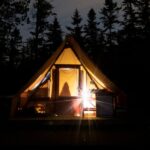
The 20 camping outfits for women below are built from a small set of layers, not 20 separate wardrobes. Pick by the overnight low, the chance of rain, and how much you will move, and you can cover warm trails, cold mornings, and wet camp evenings without overpacking. Most packing trouble comes from choosing clothes for the afternoon high and forgetting the night low, the wind on a ridge, or a shower that soaks cotton. This guide sorts each outfit by weather and job, explains why each layer matters, and shows how a few swaps turn one base kit into many days outdoors. After reading, you will be able to build a forecast-based outfit, spot a weak link before you leave, and pack lighter with more confidence.
The Short Answer: Pack Layers, Not Separate Outfits
A camping outfit works when each layer has a job. The base layer sits next to skin and moves sweat away, which helps you stay drier when you hike and cooler when you stop. The middle layer traps warmth, and the outer layer blocks wind and rain. When the weather changes, you add or remove one layer instead of changing your whole outfit.
The National Park Service gives the same core advice for camping: dress in layers so you can add or remove layers as needed to stay comfortable, with staying dry and warm as the key. Cotton is a weak choice for that system because it holds water and dries slowly. Wool and synthetic fabrics are better for base and middle layers because they keep working better when damp.
The test that matters is the overnight low, not the afternoon high. A day that reaches 75°F can still drop into the 40s after sunset, and that gap is where most campers get cold. Check the low for your exact campsite, not just the nearest town, and pack one warm layer for that number.
| Condition | Core pieces | Swap that changes the outfit |
|---|---|---|
| Warm and dry | Moisture-wicking top, shorts or light pants, trail shoes, sun hat | Add a long-sleeve sun shirt for exposed ridges |
| Cool morning or evening | Long-sleeve base layer, fleece or light insulated jacket, long pants | Add a warm hat and gloves if wind picks up |
| Rain or strong wind | Rain jacket, rain pants or a long rain shell, waterproof shoes | Add a dry base layer in a sealed bag for camp |
| Cold night | Thermal base layer, insulated jacket, warm hat, thick socks | Add insulated pants for sitting still at camp |
| Bugs or brush | Long pants, long sleeves, closed shoes, treated clothing if you choose it | Tuck pants into socks on brushy trails |
How to Choose a Camping Outfit in Five Minutes
Start with the forecast, then with your activity. A short walk to a viewpoint needs less warmth than a long climb, and sitting by a fire needs more warmth than either one because you are not generating heat by moving. If you plan to do both in one day, dress for the hike and carry the camp layer in your pack.
Fit matters as much as fabric. Pants should let you step high, squat, and sit on uneven ground without pulling at the waist or knees. Shoes should be broken in before the trip, with socks you have already worn on a walk. A new pair of boots on a first camping trip is a common source of blisters, and blisters change how the rest of the trip feels.
Sun, bugs, and brush should shape the outfit, not just temperature. Long sleeves and long pants can protect skin on open trails and in tall grass, while a wide-brim hat shades your face, ears, and neck. For tick-prone areas, the Centers for Disease Control and Prevention advises treating clothing and gear with products containing 0.5% permethrin and checking for ticks after time outdoors. Follow the product label, and treat clothing before the trip so it has time to dry.
20 Camping Outfits for Women
Use these as starting points, not rules. Swap colors, cuts, and brands to fit your body and your trip, and keep the layer logic the same.
Warm and Sunny Trail Days
1. Light Shorts and a Wicking Tank
Wear quick-dry shorts, a moisture-wicking tank, trail shoes, and a sun hat. This works for short, shaded walks on warm days when you can get back to camp easily. Carry a light long-sleeve layer for shade breaks and exposed sections.
2. Hiking Shorts and a Short-Sleeve Tee
Choose a synthetic or wool-blend tee, hiking shorts with a secure pocket, and breathable socks. The tee gives more shoulder coverage than a tank, which helps on sunny trails. Add sunscreen to ears, neck, and the tops of feet if you wear sandals at camp later.
3. Light Pants and a Ventilated Shirt
Pick lightweight hiking pants and a button-up or vented long-sleeve shirt. This is a strong choice for open, sunny trails because it covers skin without adding much weight. Roll the sleeves only when you are in shade and out of bug-heavy brush.
4. A Skort and a Sun Shirt for Easy Trails
A hiking skort with built-in shorts gives airflow and coverage for gentle paths, lake walks, and camp errands. Pair it with a long-sleeve sun shirt and trail shoes. Skip this for steep, brushy, or rocky routes where full-length pants protect legs better.
5. A Breathable Dress for Camp and Short Walks
A knee-length, quick-dry dress with trail sandals or light shoes works for a campground, a short nature walk, and an evening meal. It is not a hiking outfit, but it can be a comfortable change of clothes after a shower or swim. Keep a pair of shorts underneath if you plan to sit on logs or climb into a tent.
Cool Mornings and Camp Evenings
6. Long Pants, a Base Layer, and a Fleece
Wear long hiking pants, a long-sleeve base layer, and a fleece jacket. This is the standard cool-morning kit because you can unzip the fleece as the sun warms the camp. Add a light beanie if the morning is windy.
7. Leggings, a Long Tee, and a Light Insulated Jacket
Choose sturdy leggings, a long-sleeve tee, and a packable insulated jacket. This outfit moves well and packs small, which helps on trips where space is tight. Avoid thin fashion leggings with no stretch recovery, since they can sag and chafe on longer walks.
8. Jeans Are Out, Stretch Pants Are In
If you like the look of jeans, choose stretch hiking pants instead for camp evenings. They look tidy at a picnic table, dry faster than denim, and let you walk to a viewpoint without changing. Pair them with a warm sweater and closed shoes for evening chores.
9. A Flannel Shirt Over a Base Layer
Layer a flannel shirt over a moisture-wicking base layer, with long pants and sturdy shoes. The flannel adds warmth without a bulky jacket, and you can tie it around your waist when the day warms up. This works best in dry, cool weather rather than rain.
10. A Sweater Dress and Warm Tights for Camp Nights
For a relaxed camp evening, wear a warm sweater dress, thick tights, and closed camp shoes. This is a comfort outfit for sitting, cooking, and talking, not for hiking. Add a warm jacket and a hat if you will be outside after dark.
Rain and Wind
11. Rain Jacket, Base Layer, and Quick-Dry Pants
Wear a rain jacket over a base layer, with quick-dry pants and waterproof shoes. The base layer matters here because a rain jacket can trap sweat, and a damp cotton shirt will stay cold. Keep the hood up in wind, and vent the jacket when you stop climbing.
12. Full Rain Kit for a Wet Hike
Add rain pants to a rain jacket, a wicking top, and waterproof boots for steady rain. Rain pants keep your legs and socks drier, which helps you stay warm on a long walk. Pack a dry pair of socks in a sealed bag so you can change at camp.
13. A Wind Shell for Ridge Walks
Wear a light wind shell over a long-sleeve top, with long pants and trail shoes. Wind can make a mild day feel much colder, especially on ridges and open water. A wind shell weighs little and can turn a cool, breezy outfit into a comfortable one.
14. A Poncho Outfit for Camp Chores
A rain poncho over a base layer and pants works for cooking, fetching water, and moving around camp in rain. It covers your pack and lets air move, which can feel less clammy than a fitted jacket. It is less useful on steep trails, where loose fabric can catch on branches.
Cold Nights and Shoulder Season
15. Thermal Base, Fleece, and an Insulated Jacket
Wear thermal leggings and a thermal top, a fleece mid-layer, and an insulated jacket. This three-part kit covers cold evenings and early spring or late fall trips. Add a warm hat, gloves, and thick wool or synthetic socks.
16. Insulated Pants for Sitting Still
Add insulated pants to a warm jacket, thermal base layer, and warm boots for long sits by a fire or a stargazing session. Your body cools faster when you stop moving, so camp clothing often needs to be warmer than hiking clothing. This is the outfit to pack even if the daytime forecast looks mild.
17. A Puffy Jacket and a Warm Hat for Frosty Mornings
Pair a puffy jacket with a thermal base layer, long pants, warm socks, and a beanie. The hat matters because heat loss from an uncovered head can make a cold morning feel sharper. Keep gloves in a jacket pocket so you can put them on before your hands get cold.
18. Wool Layers for Damp Cold
Choose a wool base layer, a wool sweater or fleece, and a windproof outer layer for damp, cold weather. Wool keeps some warmth when damp, which helps in fog, drizzle, and wet snow. Avoid a cotton hoodie as your main warm layer, since it will stay wet and heavy if it gets damp.
Water, Bugs, and Camp Life
19. A Swimsuit Under a Cover-Up for Lake Days
Wear a swimsuit under quick-dry shorts and a light shirt, with water shoes or sandals. This lets you swim, walk back to camp, and change without a full outfit swap. Bring a dry shirt and dry underwear in a sealed bag, since sitting in wet clothes after swimming can chill you fast.
20. Long Sleeves, Long Pants, and Closed Shoes for Buggy Evenings
Wear light long pants, a long-sleeve shirt, closed shoes, and socks for dusk in buggy areas. This outfit reduces exposed skin and works well with repellent used as directed on skin and clothing. Check clothes and skin for ticks after walking through grass or brush, and change out of brushy clothes before getting into a tent or sleeping bag.
When Clothing Becomes a Safety Choice
Clothing does not replace a weather check, a map, or a plan for getting help, but it can lower risk in changing conditions. The National Park Service notes that lengthy cold exposure can lead to frostbite and hypothermia, and that adding layers helps as temperatures drop, with wool or synthetic clothing preferred over cotton. If you feel confused, shiver hard, have trouble speaking, or notice stiff muscles in cold weather, get warm and seek help promptly rather than waiting to see if it passes.
For sun, the Centers for Disease Control and Prevention advises wearing clothing that covers arms and legs, a wide-brim hat, wraparound sunglasses, and broad-spectrum sunscreen with SPF 15 or higher when the UV index is 3 or higher. Reapply sunscreen after swimming or heavy sweating, and use shade during the middle of the day when you can. This guide is general information, not medical advice, and it does not replace guidance from a clinician for a health condition, medication, or skin concern.
Packing Without Overpacking
A useful camp capsule starts with two base tops, one warm mid-layer, one rain or wind shell, two bottoms, and one warm camp layer. That set, plus sleep clothes and extra socks and underwear, can cover most three-day trips if you rewear outer layers. Pack sleep clothes separately from hiking clothes so you always have something dry to change into at night.
Lay out each outfit the night before a hike, then remove one item you are only packing "just in case." If that item is a safety layer for cold or rain, keep it. If it is a third pair of pants for looks, leave it. The goal is not a tiny bag for its own sake, but a bag you can carry, find things in, and trust in bad weather.
Mistakes That Make a Camping Outfit Fail
- Packing for the daytime high and forgetting the overnight low.
- Wearing cotton as a base layer on a hike, then getting chilled when you stop.
- Bringing new shoes that have not been worn on a real walk.
- Choosing a rain jacket with no hood, or rain gear that has lost its water resistance.
- Wearing loose, dangling fabric near a camp stove or fire.
- Forgetting a warm hat and gloves for evenings, even in summer at altitude.
- Packing only one pair of socks for a multi-day trip.
Each mistake is easy to fix at home and hard to fix at a trailhead. A short test walk in your planned outfit, with your pack on, will show fit problems, hot spots, and layers that bunch or ride up.
Camping Outfit Questions, Answered Straight
What should I wear camping if I only want to pack one outfit?
Wear long quick-dry pants, a moisture-wicking long-sleeve top, trail shoes, and a packable rain shell. This base outfit handles sun, bugs, cool mornings, and light rain, and you can add a fleece or insulated jacket for evenings. It is not ideal for extreme heat or deep cold, but it is the most flexible single choice for mild weather.
Are leggings okay for camping?
Sturdy, high-rise hiking leggings can work well for day hikes and camp, especially when paired with a long top and a warm layer. They are less protective than long pants in brush, on rocky scrambles, or in heavy bug areas. If you choose leggings, pick a thick, opaque pair with a secure waistband and test them on a long walk first.
What do you wear to sleep while camping?
Wear a clean, dry base layer set aside only for sleeping, plus warm socks and a hat if nights are cold. Sleeping in the clothes you hiked in can bring sweat and dampness into your sleeping bag, which makes it harder to stay warm. Keep sleep clothes in a dry bag so they stay dry even if rain gets into other gear.
How do I stay warm at camp without a heavy coat?
Layer a thermal base, a fleece, and a windproof shell, then add a warm hat, gloves, and insulated pants for sitting still. Eat and drink warm fluids if you have them, move around before settling in, and change out of any damp hiking clothes. If you are still cold, add a dry layer rather than tightening one wet layer.
What shoes should I wear for camping?
Wear broken-in trail shoes or hiking boots with good grip for hiking, and pack light camp shoes for evenings. Trail shoes are often enough for maintained paths and campgrounds, while boots give more ankle support on rough or rocky ground. Either way, the right socks matter: choose wool or synthetic hiking socks, not thin cotton dress socks.
How This Guide Was Put Together
This guide is based on layering and sun, tick, and cold-weather guidance from the National Park Service and the Centers for Disease Control and Prevention linked above, organized into outfits by forecast and activity. It does not claim product testing, expert review, or first-hand field trials.
Sources
- National Park Service, During Your Stay
- National Park Service, Be Winter Ready for Your Adventure
- Centers for Disease Control and Prevention, Preventing Tick Bites
- Centers for Disease Control and Prevention, Preventing Sunburn