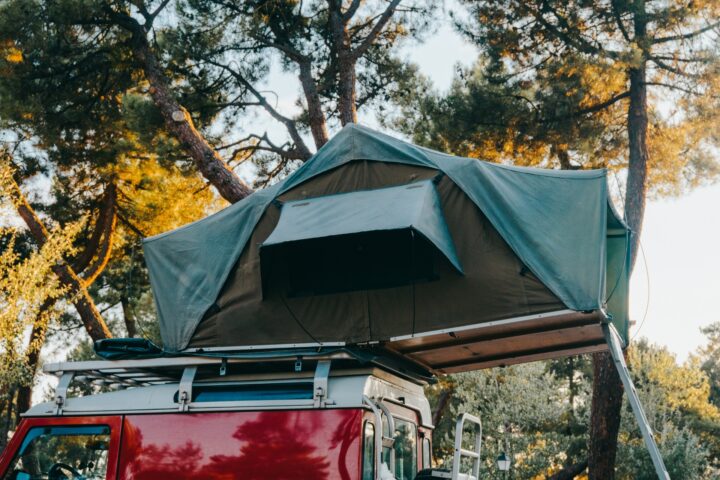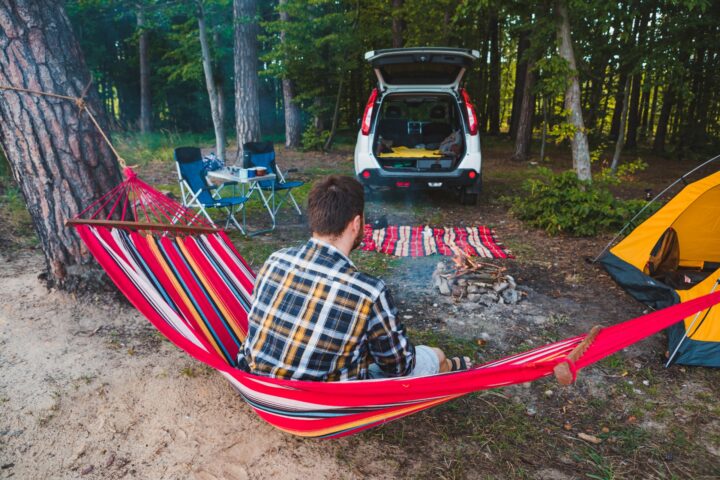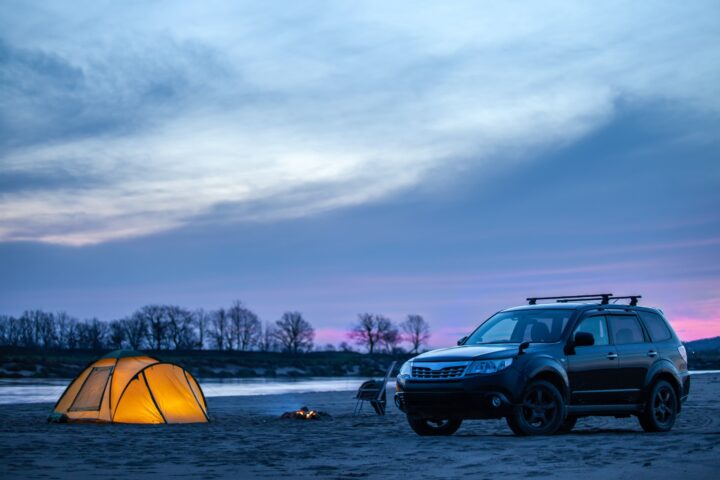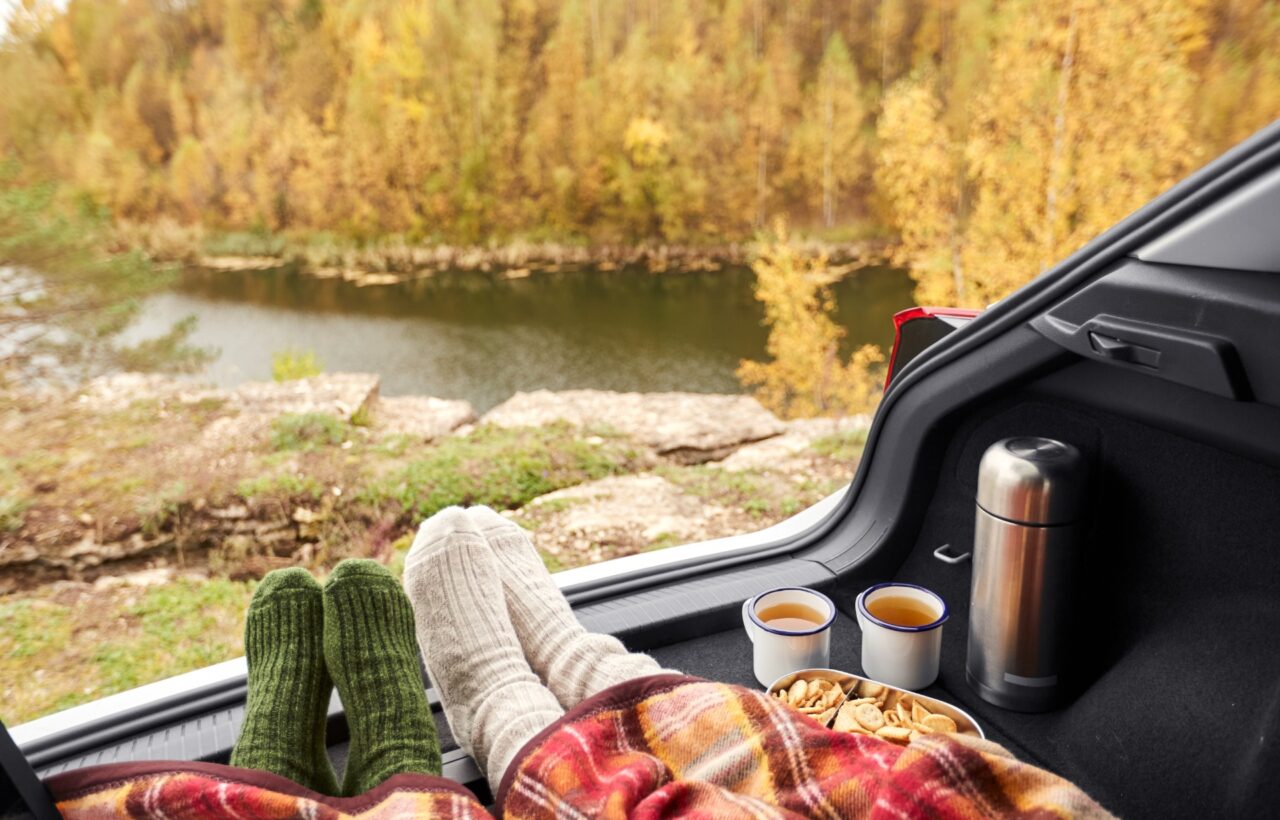
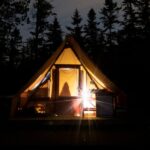
Hatchback car camping suits solo travelers and couples who want a cheap, simple way to sleep near the trailhead, plus a car that parks easily in town the rest of the week. It suits campers well over six feet, or families with several kids, less well, because cargo length and width run tighter than in a wagon or SUV.
The sections below help you judge if your hatchback measures up, then cover leveling the floor with a platform and handling privacy, condensation, cooking, and legal overnight parking.
Why Hatchback Car Camping Works So Well
A hatchback gives you more usable length than a sedan when the seats fold flat. Measure from the front seatbacks to the hatch glass; many models land between 75 and 80 inches, enough for an adult around 5'10". The open cargo area also lets you reach gear without climbing over seats. Fuel economy stays high, and parking is easy at tight trailheads. A big SUV is not a requirement. The hatchback keeps things simple and cheap.
A DIY system, including the platform, pad, and a couple of bins, can cost less than a few motel nights. The real win is freedom. You can leave Friday after work and wake up at a national forest site by Saturday morning. No hotel bills. No reservations required in many places.
Building a Flat Sleeping Platform
Most hatchbacks leave a step or ramp when the seats fold. That kills sleep. A simple plywood platform fixes it.
One sheet of 3/4-inch birch plywood is enough. Cut it to 72 inches long by 40 inches wide so it sits level over the folded seats and reaches into the cargo area. Two short 2×4 legs under the front edge raise it to match the seat height. The whole thing weighs about 30 pounds and slides out in under two minutes. Cover it with a closed-cell foam pad and top that with an inflatable pad such as the Therm-a-Rest NeoAir XLite. The full sleep surface can come in under $150.
If you want something ready-made, the Pioneer Platform from Camp N Car runs about $695. It adjusts from 47 to 79 inches long and levels most hatchbacks without tools. A plywood build does a similar job for less.
Storage goes underneath. Two 27-quart Sterilite plastic bins slide into the footwells. Clothes, stove fuel, and a spare battery pack live there. The platform keeps everything out of the way so the bed stays clear.
Seal birch plywood edges with polyurethane to prevent moisture swelling from the foam pad and under platform storage bins.
Choosing a Hatchback That Fits Your Needs
Not every hatchback is equal. Compare cargo volume with the seats down and floor length before buying.
The Honda Civic hatchback gives about 47 cubic feet and a nearly flat floor. The Mazda3 hatchback is similar but a bit quieter at night. Subaru Impreza and Crosstrek models add all-wheel drive and higher ground clearance if you hit gravel roads. The Honda Fit (older years) has the Magic Seat that drops almost completely flat and creates a deep storage well. Bring a tape measure to the dealership lot; floor length over 72 inches and width over 42 inches are sensible minimums.
If you already own a hatchback, measure it. Fold the seats. Lie down. Note the gaps and slope. That tells you exactly how much platform height you need. Compared with a big wagon, a hatchback gives up some room in exchange for easy city parking, and it still carries a cooler, two people, and a weekend of gear without drama.
Push front seats fully forward during your lie down test to gain 4 to 6 extra inches before ruling out models under 72 inches.
Adding Privacy and Fighting Condensation
Windows turn into a fishbowl at night. Condensation is worse, especially on rainy nights.
For privacy, cut Reflectix insulation panels to fit each window. Magnets glued to the corners hold them in place, and a full set costs little. From outside the car looks empty. From inside you get blackout darkness. A cheap black curtain between the front seats and the rear keeps headlights from waking you.
Condensation comes from breath. One person puts out about a liter of moisture overnight. Crack two windows on opposite corners about one inch each. Cross flow keeps the air moving. Rain guards stop drips. A small USB fan pointed at the ceiling helps on humid nights. Wipe the glass with a microfiber towel before bed and the windows stay clear by morning. Never seal the car completely. That just turns the interior into a damp tent.
Never seal hatchback fully overnight since one sleeper exhales about a liter of moisture, causing dripping windows and moldy bedding by morning.
Setting Up a Simple Kitchen Area
Cook outside the hatch whenever possible. The open cargo lip becomes a perfect counter.
A single-burner Coleman propane stove sits on a folding table that stores flat under the platform. One bin holds a collapsible silicone sink, a 5-liter water jug with spout, and a small cutting board. A soft cooler keeps ice packs going for about two days. The whole kitchen kit can weigh under 15 pounds. Coffee water boils in a few minutes, and eggs scramble in a few more. Cleanup happens on the same table so the sleeping area stays dry.
On cold mornings, slide the stove just outside the hatch and cook under the open door, where the car blocks the wind. Never cook inside with the hatch closed. Fumes and fire risk are not worth it.
Safe Spots and Legal Basics for Overnight Stays
Always check local rules before parking. Some cities ban overnight vehicle sleeping. National forests and BLM land usually allow it. Walmart lots, 24-hour gyms, and truck stops work in a pinch if the manager says yes.
Share your live location with one friend before settling in. Lock the doors and keep the trunk closed. Park under lights when you can, but avoid high-traffic spots that feel watched. Keep a small LED lantern within reach. An emergency kit should hold a jump starter, first-aid supplies, and extra water. Never leave the engine running. Carbon monoxide is not a joke.
Free dispersed sites on national forest land are often the easiest overnight option. Arriving by dusk leaves time for a ten-minute setup before dark, and the night costs nothing.
Download offline maps for Deschutes style dispersed sites since forest roads often lose signal and rules change by district.
Quick Gear Checklist to Pack
Here is a short list worth keeping in the hatch:
- Plywood platform and foam pad
- Reflectix window covers and black curtain
- Therm-a-Rest pad and 20-degree sleeping bag
- Two Sterilite bins for clothes and kitchen
- Coleman stove, fuel, collapsible sink
- 5-liter water jug and soft cooler
- USB fan, headlamp, power bank
- Jump starter and basic first-aid kit
Everything fits with room left for a backpack and hiking shoes. Leave the fancy gadgets at home. Simpler is better.
Frequently Asked Questions
Can I do hatchback car camping in cold weather? Yes. Layer a closed-cell pad under the inflatable one and wear dry base layers. Crack the windows the same way. Condensation control matters more than extra heat.
How long does setup take once I arrive? Under ten minutes after the first few trips. Fold seats, slide platform, drop pad, cover windows. Done.
Do I need a special tent that attaches to the hatch? Not required. A hatch tent such as the Napier Sportz SUV Tent runs about $350 to $400 and adds daytime living space, but sleeping inside the car works fine without one. Treat it as optional extra room.
Is my hatchback big enough if I am over six feet tall? Measure first. Many hatchbacks give 75 to 80 inches with seats folded. A platform that extends over the footwells can add a few more inches. Test at home before you go.
Hatchback car camping keeps drawing people back because it removes barriers. No big investment. No permanent mods. Just a flat bed, a few bins, and the open road. Pack the platform this weekend. Find a quiet forest road. Sleep under the stars with the hatch as your roof. You will wake up ready for whatever comes next.