
I learned fast that a solid coachella car camping setup makes or breaks the whole weekend. The desert does not care if you forgot shade or packed the wrong cooler. My first year I showed up underprepared and spent half the days hiding from the sun in a half-melted mess. This time I planned every square foot of that 10-by-30 spot. Honestly? It changed everything.
You get one vehicle. You park it. You stay put. No driving out for ice runs or forgotten snacks. That forces you to think ahead. I treat the whole process like building a tiny temporary home right next to the stages. The goal is simple: stay cool, sleep decent, eat without stress, and still have energy left for the music.
Understanding Coachella Car Camping Rules and Spot Size
Every car camping spot measures 10 feet by 30 feet. That includes the space your car takes up. Once you park, the car stays there until Monday. No exceptions during lockdown hours, usually 9 p.m. to 2 a.m. on show nights.
Only passenger cars, trucks, or vans make the cut. No RVs, trailers, motorhomes, buses, or U-Hauls. Camper vans work if they have no running water or toilet systems. Security checks every vehicle hard. They pull glass bottles, metal stakes, and anything that looks like an open flame hazard.
Preferred spots sit closer to the entrance in Lot 8. Powered options add an outlet and better bathrooms. Standard spots go first-come. Groups that want to camp side by side must arrive together. I once waited in the holding lot for two friends who showed up ninety minutes late. We still ended up three rows apart. Lesson learned.
You can fit as many people as the space allows. Two or three feels comfortable with a mid-size SUV. Four starts to feel tight once the canopy, tent, and chairs go up. Festival wristbands get you into the camping area even without a camping pass. The camping pass itself is required only for the vehicle spot.
Must-Have Gear for Your Coachella Car Camping Setup
I refuse to skimp on shade. A straight-legged EZ-Up canopy is non-negotiable. I bought a 10×10 for about $180 the second year and never looked back. Metal stakes get confiscated every time. Plastic stakes and a rubber mallet stay in the car from the moment I leave home.
Here is the core list I pack every time:
- Straight-legged canopy plus at least one side wall or tarp for privacy and wind
- Plastic stakes and rubber mallet
- Outdoor rug or foam tiles so you are not standing on pure dust
- Folding table and four camp chairs
- Large cooler (70-quart minimum) plus a smaller soft-sided one
- Air mattress or cot with a thick mattress topper
- Rechargeable or solar fans
- String lights and solar pathway lights
- Portable power station
- Propane tabletop grill only (no butane)
- Extra-large trash bags and a collapsible bin
I add bungee cords, duct tape, and zip ties because something always needs fixing. Last year the wind tried to lift the canopy at 2 a.m. The bungees held. See, that is the kind of detail that saves the night.
For sleeping I use a twin air mattress with a three-inch memory foam topper. The combination costs under $80 and feels close to a real bed after twelve hours of walking. Ear plugs and an eye mask go in the same bag. Nighttime temperatures drop, but the real enemy is the early morning sun hitting the tent.
How I Arrange the Campsite Layout
I start with the car. Park it so the rear faces the open part of the spot. That gives maximum usable space behind it. Canopy goes up first. I center it over the rear half of the car and the ground space. Then I stake every leg with plastic stakes and weight the corners with sandbags or water jugs if the wind looks mean.
Tent or sleeping area goes under the canopy if possible. If the tent is freestanding I place it to one side so the middle stays open for chairs and table. The cooler and kitchen station sit against the car bumper. That keeps the cold stuff shaded longer and puts the heavy items close to the vehicle for easy access.
I hang solar lights from the canopy frame and clip a small flag or colorful tapestry at the front so I can find the spot after dark. Pathway lights mark the edge of the space. One year I forgot the lights and walked past my own car twice in the dark. Never again.
Leave a clear path to the fire lane. Security and emergency vehicles need that space. Crowding the lines gets you in trouble fast. Measure your gear at home against a 10-by-30 rectangle drawn with chalk in the driveway. That test run prevents the classic “everything fits until it doesn’t” moment.
Beating the Desert Heat
Daytime temperatures regularly hit the high 90s or higher. Shade alone is not enough. I run two battery-powered fans pointed at the chairs and the sleeping area. One sits on the table. The other hangs from the canopy frame with a carabiner.
I freeze water bottles solid the night before arrival. They act as ice packs for the first day and become drinking water as they melt. On-site ice runs about $14 a bag. I buy three or four over the weekend from the mobile carts or the general store. The cooler stays closed as much as possible. Every time you open it the cold escapes.
Reflective window covers go on the car the moment I park. They drop the interior temperature enough that I can sit inside with the doors cracked for a quick cool-down. A handheld mister bottle filled with water helps during the hottest stretch of the afternoon. Hydration packs stay filled and on my back when I leave camp. Electrolyte packets mix into the water every other bottle.
I avoid dark-colored clothing and ground covers that soak up heat. Light rugs and white or silver tarps bounce the sun away. The difference is noticeable by noon.
Sleeping Comfortably at Night
The tent gets hot by sunrise. I learned to sleep later by using a blackout eye mask and ear plugs that block the campground noise. An air mattress with a real topper beats a thin sleeping pad every single time. I inflate it with a small electric pump powered by the portable station. Hand pumps take forever and leave you sweaty.
Some people sleep inside the car. I tried it once in a mid-size SUV with window covers and a short foam pad. It worked for one night. After that I preferred the tent under the canopy. More space to stretch and less condensation on the windows.
Bring a light blanket and a warmer layer. Desert nights can surprise you. I keep both in a dry bag so they stay clean. Morning routine starts with stretching outside the tent. Walking all day tightens everything. Five minutes of simple moves keeps the legs from locking up.
Food, Coolers, and Kitchen Station
Two coolers make life easier. One stays dedicated to drinks and ice. The other holds food. I pre-cook breakfast burritos and freeze them. They thaw slowly and taste fine cold or reheated on the propane grill. Uncrustables, trail mix, and fruit that travels well fill the gaps.
Only tabletop propane grills are allowed. I bring a small one plus two spare canisters. Foil, paper towels, and reusable plates cut down on trash. A collapsible wash bin and biodegradable soap handle the dishes. Water comes from the free refill stations. I haul it in two-gallon jugs using a folding wagon. One trip fills everything for the day.
Trash gets sealed in heavy bags and walked to the dumpsters regularly. Leaving it sit attracts bugs and neighbors who side-eye you. I pack chip clips and small containers so nothing goes stale in the heat.
Power, Lights, and Extras That Help
A portable power station keeps the fans running and the phones charged. I charge it fully before arrival and top it off at the free charging stations early in the morning when lines are short. Solar panels help if the sun cooperates. Extension cords and multi-port chargers live in the same bin.
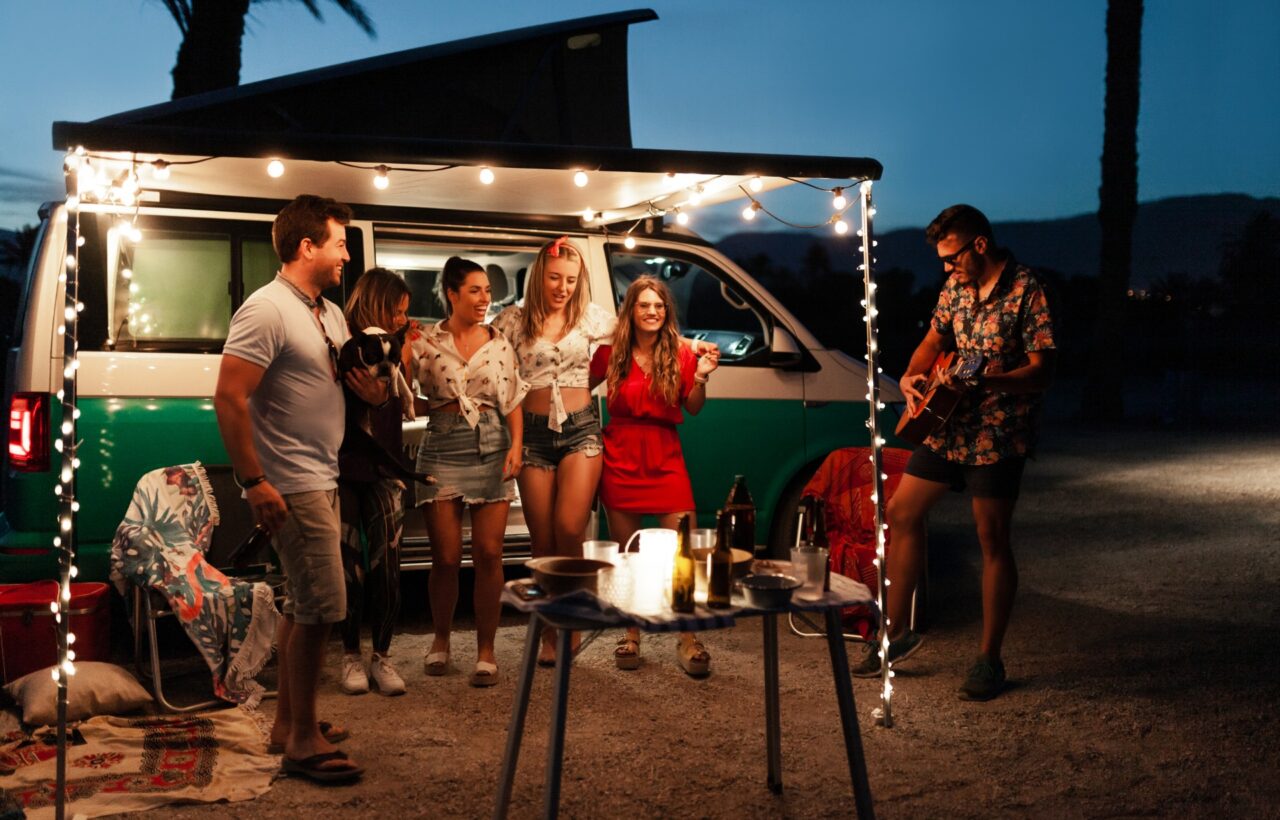
String lights turn the canopy into something that feels like a living room after dark. Solar pathway lights mark the edges so I do not trip. A headlamp is mandatory for the porta-potties at night. Those stalls stay dark and the lines move slow.
Extras that earned their keep: jumper cables, a small car vacuum for dust, saline spray for dry noses, and makeup wipes that double as body wipes when the showers feel too far. I also pack a basic first-aid kit with blister bandages. Festival shoes destroy feet fast.
Arrival Tips I Learned the Hard Way
Fill the gas tank right before joining the check-in line. Lines can last hours. I once idled too long and needed a jump on Monday morning. AAA sits on site, but the wait is real.
Arrive with the whole group if you want adjacent spots. The holding lot exists for a reason. Drop a pin on your phone the second the car is parked. Screenshot the campground map because cell service dies at peak times.
Set up the canopy before anything else. Shade first. Then the tent. Then the furniture. Work in the cooler hours of the morning or evening if possible. Trying to stake a canopy at noon in full sun is miserable.
I keep the car keys in a designated pouch, never in the ignition for long stretches. Dead batteries happen more often than people admit. A small flag or unique light display on the canopy makes the spot easy to spot from a distance after a long day of sets.
Frequently Asked Questions
What is the exact size of a Coachella car camping setup spot? Each spot is 10 feet by 30 feet and must include the vehicle. That is the hard limit for everything you build.
Can I sleep in my car during a Coachella car camping setup? Yes. Many people do. Window covers and cracked windows help with airflow and temperature.
How much ice do I need for the weekend? Plan on three to four bags at about $14 each. Freeze water bottles beforehand to stretch the first day.
Are metal stakes allowed in a Coachella car camping setup? No. Security confiscates them. Plastic stakes and a rubber mallet are required.
Is preferred car camping worth the extra cost? If walking distance matters to you, yes. The closer lots save real time and energy between sets and camp.
I still remember the first time the canopy stayed up all weekend and the cooler actually held ice past Saturday. That small win made the rest of the festival feel possible. Pack the shade. Stake it hard. Keep the cooler closed. The music will take care of the rest. Go build your setup and enjoy the weekend.