Subaru Outback car camping means sleeping in the wagon’s cargo area with the rear seats folded, instead of pitching a tent. The most important step comes before buying any gear: measure the folded floor yourself, because the seats leave a slight step and Subaru does not publish an exact sleeping length.
From there, the article covers a no-build mattress setup, a simple plywood platform for level sleep and storage, ventilation and bug screens, privacy and power, and the adjustments that make cold nights manageable.
Why the Outback Works So Well for Sleeping
With the rear seats folded, the cargo floor offers enough length for a six-foot adult to stretch out. Most sources put the flat section around 73 to 76 inches depending on the year. Width sits about 41 inches between the wheel wells, enough for two people if you keep it simple. Headroom feels like a two-person tent. You cannot stand, but you can sit up without hitting the ceiling.
Ground clearance of 8.7 inches (9.5 on the Wilderness) and standard AWD open up dispersed sites that would stop a regular sedan, including rutted Forest Service roads. Fuel economy stays near 30 mpg on the highway, so long hauls do not feel expensive.
It is easy to overcomplicate the choice. The Outback is a daily driver that doubles as a solid camper without permanent changes.
Measuring the Sleep Space Before You Buy Anything
Do not skip this step. Subaru does not publish the exact folded floor length the way some manufacturers do. Grab a tape measure, fold both rear seats, and measure from the closed hatch to the back of the front seats. That number tells you everything.
The seats do not fold perfectly flat. There is a slight step where the seatbacks meet the cargo floor and a gentle slope toward the hatch. Fill that gap with a folded blanket or a thin foam pad so the mattress stays level. Sleeping with your head toward the front seats and feet toward the hatch usually works best. Diagonal is an option if you are taller than 6'2".
Cargo volume hits about 75 cubic feet with the seats down. That is plenty for a mattress, cooler, and bags if you pack tight. Save your exact measurements in a phone note so you never buy the wrong pad.
A No-Build Mattress Setup
This is the simplest route for weekend trips. No tools. No permanent platform. Just fold the seats and go.
A custom-fit air mattress made for the Outback is the easiest option. The Luno Air Pro costs $349.99 and fills the floor without gaps. It inflates with the included 12V pump in under three minutes, and the fabric is tough enough to hold gear during the day. For colder nights, the Air+FOAM Pro at $499.99 adds a foam layer for real insulation.
Setup looks like this:
- Fold both rear seats forward. The Outback makes this a simple pull-and-drop.
- Lay the mattress flat. It sits snug against the wheel wells.
- Inflate it.
- Slide the cooler and duffels into the remaining side space or the front passenger footwell.
A 20-degree bag suits shoulder season, with a light quilt added when temperatures drop lower. Setup takes about five minutes once you park. Teardown is even faster: deflate the mattress, roll it, and put the seats back into place.
The no-build approach keeps the car usable as a daily driver. You lose no passenger space or storage on the days you are not camping.
Face Luno valves toward Outback hatch for midnight top offs without crawling over bedding.
Choosing the Right Mattress
Generic “SUV” mattresses often run too wide or too short, and cheap pads can buckle in the middle. Measure first. Look for models that list Outback-specific dimensions. Thickness of three to four inches is the sweet spot. Anything thinner lets the floor seams poke through. Anything thicker eats headroom and makes packing harder.
Adding a Sleeping Platform for Level Comfort
For multi-night trips, under-bed storage and a perfectly flat surface become more valuable. A simple plywood platform solves both.
A basic build uses 3/4-inch plywood and 2×2 supports, and materials can stay under $120. A platform about six inches high creates a 74-inch by 40-inch sleeping deck. Plastic bins for clothes, food, and tools slide underneath. The surface stays level even with the slight incline of the seats.
Drop-in kits with drawers run $300 to $800 depending on the brand. A DIY version has one big advantage: it comes out in about ten minutes when you need the full cargo space for hauling or a trip with the dog.
The platform is not required. Occasional campers do fine without it. Frequent campers notice the difference in sleep quality and organization right away.
Anchor Outback platform to rear child seat anchors with straps to stop shifting on rutted Forest Service roads.
Ventilation and Bug Screens That Actually Work
Condensation is the most common complaint among first-time car campers. The Outback has a longer interior than a compact crossover, so more air needs to move.
Crack the two rear side windows about an inch and cover them with clip-on screens. Luno sells a pair for $69.99 that seal well and keep mosquitoes out. Cross-ventilation is the key. Opposite windows work better than just the hatch. A small USB fan clipped to a headrest or window frame keeps air moving on warm nights without draining the battery much.
In cold weather, still crack one window slightly and hang a reflective sunshade on the windshield. That cuts condensation and keeps the glass clearer in the morning. A quick interior wipe after each trip helps prevent mold.
Privacy comes from the same sunshades plus inexpensive magnetic window covers on the rear doors, so you can change clothes or sleep at a rest area without feeling exposed.
Add rain deflectors so inch cracked Outback windows stay dry in overnight drizzle.
Storage, Privacy, and Power Solutions
Gear Tetris is half the fun. Rectangular bins and packing cubes stack best, and soft duffels collapse when empty. The hatch pockets become nightstands for a headlamp, water bottle, and phone. Factory roof rails hold a cargo box when you need extra space for chairs or a stove.
Power is simple. The 12V sockets draw from the starter battery, so avoid running a fridge or lights off them overnight. A small portable power station recharged while driving is the better choice. A clip-on LED lantern and phone charger cover most trips.
For cooking, a two-burner propane stove and a 12V cooler both fit beside the mattress when parked. On longer trips, a small table that clips to the open hatch adds prep space.
A cargo tray liner is worth keeping in the back year-round. Mud, sand, and pine needles wipe out in seconds, and the roughly $50 accessory protects the carpet from all of it.
Outback hatch light stays on with open hatch overnight, flip the cargo lamp switch off to protect your starter battery.
Cold Weather Adjustments Worth Making
Winter camping in the Outback is doable if you plan for the floor temperature. The Air+FOAM Pro mattress, with an R-value over 11, makes the biggest difference. Pair it with a zero-degree bag and a reflective windshield cover for nights near 20 degrees.
Stuff spare clothes into the footwell gaps so no cold air pools under the mattress. If you bring a butane heater, keep it outside the vehicle for safety. Inside, rely on the bag and body heat. Condensation still happens, so the cracked window and morning wipe-down remain non-negotiable.
The Wilderness trim, with its extra clearance and all-terrain tires, is nice for snowy access roads, but any Outback handles most winter car camping just fine.
Frequently Asked Questions
Can two adults sleep comfortably during Subaru Outback car camping? Yes. The width and length support two narrow pads side by side once you level the seat seam. Couples manage it every weekend. Three adults is a squeeze nobody enjoys.
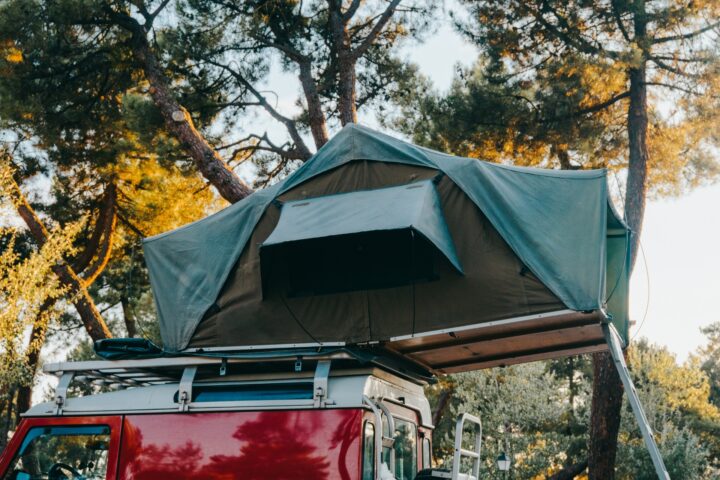
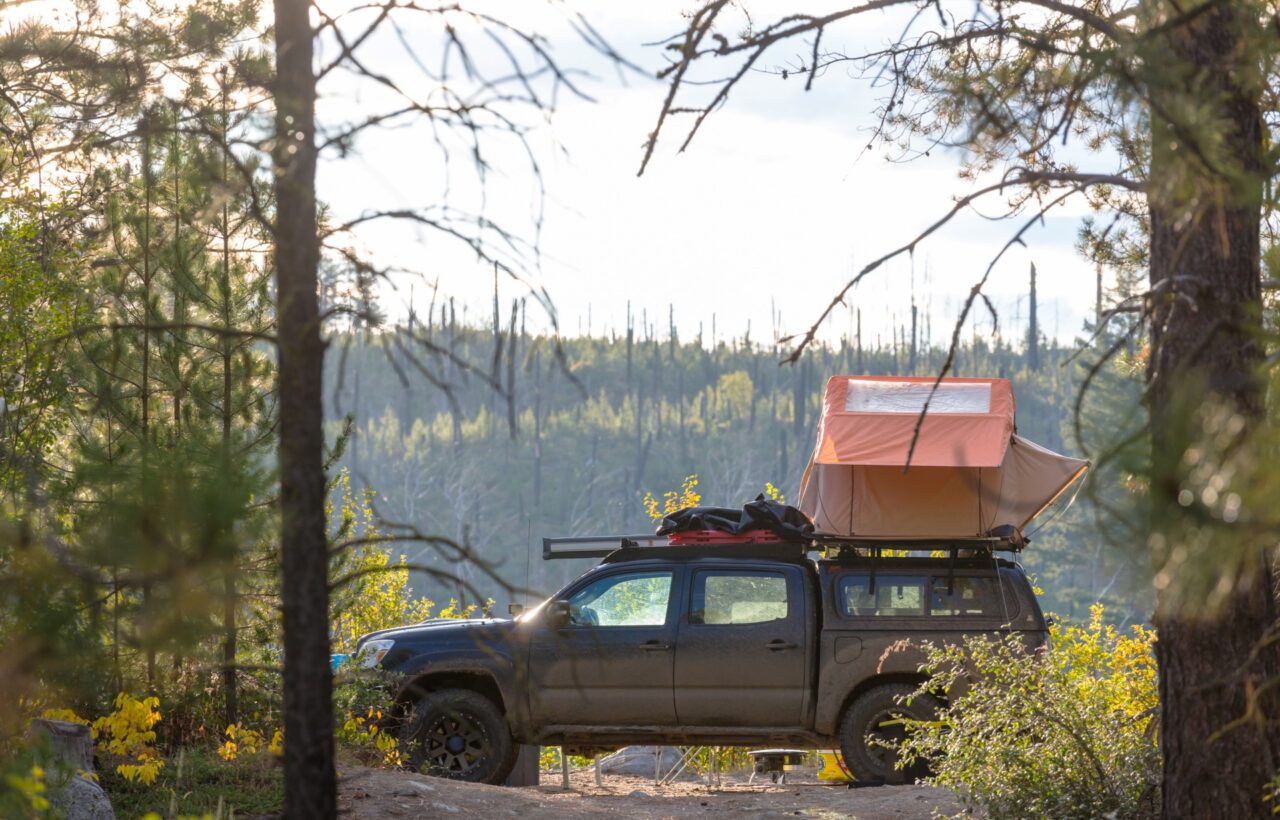
Do I need a rooftop tent? No. A rooftop tent costs $1,000 or more and changes the handling. Sleeping inside the cargo area is cheaper, quieter, and keeps the car looking normal.
How long does the basic setup take? Five minutes once you practice. Fold seats, drop mattress, inflate, crack windows. You can be ready for bed before the coffee finishes brewing.
Will sleeping in the Outback kill the battery? Only if you run devices off the 12V sockets all night. Use a portable power station instead and recharge it on the drive.
Parking under the trees with a warm place to sleep, and no poles or stakes to wrestle, is the payoff. The Subaru Outback rewards a little planning with a lot of freedom. Measure your space, pick gear that fits, and get out there.