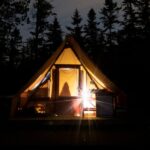
Spring camping humbled me fast. I packed for sunshine one April morning and shivered through a cold, muddy evening in the same 14 spring camping outfits for women search spiral you probably know well.
I learned the hard way. My cotton tee stayed damp. My cute shoes slipped on wet roots. I spent the night cold and annoyed with myself.
Now I pack outfits that flex. I layer light pieces. I swap one layer at a time. I still want to look good in camp photos. I refuse to freeze for them.
Why This List of 14 Spring Camping Outfits for Women Works
I picked these outfits for real spring weather. I wanted pieces that handle sun, wind, rain, and cold mornings without a suitcase full of extras.
I judged every outfit on movement, warmth, drying speed, and camp comfort. I dropped anything that looked great online and failed on a muddy trail.
I also kept the list practical. You can mix most pieces across days. You can swap shoes or add a shell. Honestly? That flexibility matters more than perfection.
1. Merino Base Layer and Trail Pants: The Cold Morning Starter
I reach for this outfit first on every spring trip. I wear a lightweight merino long sleeve under a soft fleece, then I add quick dry trail pants and wool socks.
Merino wool handles the weird spring temperature swing best in my kit. It wicks sweat on a climb. It still feels warm when damp air settles in.
I wore this combo for a sunrise walk last April. My breath fogged. My hands chilled. My core stayed comfortable while I waited for coffee water to boil.
The trade off sits in the price. Merino costs more than a basic synthetic tee. I wash mine gently and I wear it for years.
Cold mornings fear a good base layer.
2. Fleece Quarter Zip and Leggings: The Camp Coffee Kit
I live in this outfit around camp. I pair a fleece quarter zip with high waisted leggings, warm socks, and slip on camp shoes.
The quarter zip gives me easy temperature control. I zip up for shade. I zip down when the sun hits the picnic table. I tie the sleeves back when I cook.
I once wore this while I set up a tent in a light drizzle. The fleece dried fast enough. My leggings stretched through every crouch and reach.
Leggings lose here on brush protection. I skip them for thorny trails. I save them for camp mornings, short walks, and lazy afternoons.
Cozy wins when you move slow.
3. Long Sleeve Sun Shirt and Shorts: The Warm Afternoon Trail
Spring afternoons can turn surprisingly hot. I wear a light long sleeve sun shirt with quick dry shorts, a cap, and trail runners.
UPF fabric protects my arms without a heavy sunscreen reapply cycle. I still wear sunscreen on my face and neck. I just skip the sticky arm routine.
I hiked a sunny ridge in this outfit and felt free. My arms stayed covered. My legs breathed. My shirt dried before I reached the car.
Shorts bring one clear downside. Bugs find bare legs fast at dusk. I carry a light pair of leggings for the evening shift.
Sun smart still feels cute!
4. Rain Shell and Quick Dry Pants: The Mud and Rain Day
I pack this outfit even when the forecast looks kind. I wear a packable rain shell over a synthetic tee, then I add quick dry pants and waterproof trail shoes.
A real rain shell changes a wet day completely. It blocks wind. It sheds steady rain. It packs small enough for a daypack side pocket.
FYI, a water resistant jacket does not count here. I learned that lesson in a downpour. I arrived at camp soaked and cranky.
Rain pants help on muddy trails. They add weight and noise. I pack them only when rain looks likely or the trail runs through wet grass.
Rain does not cancel the trip.
5. Flannel Shirt and Stretch Trail Pants: The Campfire Classic
I love this outfit for campfire nights. I wear a brushed flannel over a tank, then I add stretch trail pants and sturdy boots.
The flannel works as a shirt, a light jacket, and a blanket layer. I button it up at night. I wear it open over a tank during the day. I roll the sleeves for cooking.
I wore this exact combo on a chilly lakeside night. Smoke drifted. Stars came out. I stayed warm without a bulky coat.
Flannel holds one flaw. It dries slowly if rain soaks it through. I keep my rain shell close and I never trust flannel alone in a storm.
Flannel earns its campfire reputation!
6. Tank and Open Button Up: The Layered Lakeside Look
I wear this outfit near water. I pair a supportive tank with an open long sleeve button up, leggings, and sport sandals.
The open button up gives me sun cover and bug cover in one piece. I tie it at my waist when I warm up. I button it when clouds roll in.
I kayaked in this outfit one warm spring morning. I slipped the button up on for the paddle back. My shoulders thanked me later.
Sandals limit this outfit on rocky ground. I switch to trail shoes for any uneven path. I keep sandals for docks, beaches, and flat camp loops.
Layers beat one heavy piece.
7. Lightweight Insulated Jacket and Joggers: The Sunset to Stars Outfit
I change into this outfit after dinner. I wear a packable insulated jacket over a long sleeve tee, then I add soft joggers and warm camp shoes.
Packable insulation warms my core without stealing pack space. I stuff the jacket into its own pocket. I pull it out when the temperature drops fast.
I wore this for stargazing on a clear April night. My legs stayed warm in joggers. My jacket blocked the breeze. I lasted an extra hour outside.
Joggers lack trail durability. I never hike rough ground in them. I treat them as my evening reward after the hard work ends.
Evenings deserve their own outfit!
8. Convertible Pants and Moisture Wicking Tee: The Three Temperature Trick
I pack convertible pants for unpredictable spring days. I wear them full length in the morning, then I zip them into shorts by lunch.
Zip off pants solve the classic spring problem. Mornings run cold. Afternoons run warm. One pair covers both without a bag change.
I wore this outfit on a valley hike with a big elevation gain. I started cold in the shade. I finished warm in the sun. I never stopped to swap pants.
The zips can chafe if they sit wrong. I test the fit at home first. I also check that the zipped shorts still feel comfortable when I sit.
One pair, three moods.
9. Softshell Jacket and Hiking Skort: The Trail to Town Outfit
I wear this outfit when camp sits near a small town. I pair a stretch softshell jacket with a hiking skort, a tee, and trail shoes.
A softshell jacket blocks wind and light rain while it stretches with me. It looks tidy enough for a cafe stop. It moves well enough for a trail.
I wore this combo for a morning hike and a lunch stop. I felt put together in town. I felt free on the trail. I never changed clothes between stops.
Skorts suit mild weather best. Cold wind cuts through them fast. I add leggings underneath when the forecast dips below comfortable.
Trail ready can still look polished!
10. Hoodie and Cargo Pants: The Buggy Forest Walk
I reach for this outfit in dense, buggy woods. I wear a lightweight hoodie over a tee, then I add cargo pants and closed toe trail shoes.
Cargo pockets carry my phone, lip balm, bug spray, and trail snacks. I skip a fiddly bag on short walks. I keep my hands free for branches and photos.
I wore this outfit through a damp forest trail last spring. Mosquitoes hovered. My hood and long sleeves cut the bites way down.
Hoodies trap heat on steep climbs. I choose a thin, breathable one. I leave the heavy fleece hoodie for camp.
Coverage beats scratching all night.
11. Oversized Sweater and Fleece Lined Leggings: The Cozy Cabin Morning
I wear this outfit for slow mornings. I pair a chunky knit sweater with fleece lined leggings, wool socks, and a beanie.
Fleece lined leggings feel like a warm hug on cold mornings. I make coffee in them. I read on the porch in them. I watch mist lift off the trees in them.
I wore this combo at a cabin camp last spring. Frost touched the grass. My sweater kept my torso warm. My leggings kept my legs happy.
This outfit fails on wet trails. Knit soaks up rain and mud fast. I save it for dry camp mornings and cabin stays.
Slow mornings need soft clothes!
12. Windbreaker and Capris: The Windy Ridge Hike
I pack this outfit for exposed ridges. I wear a light windbreaker over a long sleeve tee, then I add stretch capris and grippy trail shoes.
A windbreaker cuts the chill without adding bulk. It folds into a tiny pouch. It lives in my pack until the wind picks up.
I wore this on a ridge walk where gusts hit hard. My tee alone felt cold. My windbreaker changed the whole hike in thirty seconds.
Capris expose my lower legs to sun and bugs. I wear sunscreen and I pack leggings for the descent. I skip capris on overgrown trails.
Wind loses to one thin layer.
13. Thermal Top and Fleece Pants: The Tent Sleep Kit
I never sleep in my hiking clothes. I change into a thermal top, fleece pants, and clean camp socks before bed.
Clean, dry sleep clothes help me sleep warmer and better. Sweat from the day stays out of my sleeping bag. My body warms the dry layers fast.
I made this switch after one miserable damp night. I slept cold in my hiking tee. I slept soundly the next night in fresh thermals.
Fleece pants feel bulky in a small tent. I choose a slim pair. I fold them small and I store them in a dry bag.
Sleep warm, wake happy!
14. Backup Bag Outfit: The Rainy Second Day Kit
I pack one spare outfit in a dry bag. I include a base layer tee, a fleece, quick dry pants, and extra socks.
A dry backup saves a trip after a surprise soak. I change fully. I hang the wet set to dry. I stop feeling damp and defeated.
I used this kit on day two of a rainy spring trip. My main pants stayed wet overnight. My backup pants felt like a fresh start.
This outfit adds pack weight. I keep it simple and light. I skip extra shoes and I reuse my rain shell.
Dry clothes fix bad moods fast.
How to Choose: Match the Outfit to Your Day
See, spring camping rewards planning by activity, not by outfit photo. I check the forecast first. I check the trail type second. I check the evening temperature third.
I think that's the wrong way to look at it, the real question isn't which outfit looks best, it's which outfit still works at 7 a.m. in drizzle. IMO, comfort at the coldest hour matters more than style at noon.
I compare outfits this way:
- Cold mornings call for merino, fleece, and a wind layer.
- Warm afternoons call for sun shirts, shorts, and breathable shoes.
- Rain days call for a real shell, quick dry pants, and waterproof shoes.
- Camp evenings call for insulation, joggers, and warm socks.
I avoid cotton for active layers. Cotton holds sweat and stays cold. I avoid brand new shoes for long hikes. I break shoes in at home first. I avoid packing only cute pieces. I pack one warm layer even when the forecast promises sun.
Don't sleep on this one. Pack the backup outfit.
Frequently Asked Questions
Which of these 14 spring camping outfits for women works best for beginners?
Start with outfit 1 or outfit 4. Merino and trail pants cover cold mornings, and a rain shell covers the most common spring surprise.
What should I wear camping in spring if rain looks likely?
Wear a synthetic base layer, quick dry pants, waterproof shoes, and a packable rain shell. Keep a dry backup set in a separate bag.
Can I look cute while camping in spring?
Yes, you can. Choose colors you love, add a beanie or a softshell jacket, and keep the fit comfortable enough for real movement.
How many layers do I need for a spring camping trip?
Pack three layers for most days: a moisture wicking base, a warm mid layer, and a wind or rain outer layer. Add one extra warm layer for evenings.
What shoes work best for spring camping?
Choose trail runners or hiking boots with good grip for muddy and rocky paths. Pack camp shoes or sandals for relaxing at camp.
Spring camping asks for flexibility, not perfection. I pack layers I can swap, shoes I trust, and one dry backup. I let the weather change my plan without ruining my mood.
Warm beats pretty. Every time.