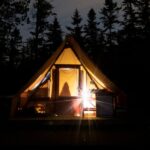
16 camping outfits aesthetic looks can still be practical, warm, and trail-ready when each outfit starts with the right layers. The looks below pair a simple color palette with clothes made for walking, sitting by a fire, and sleeping in a cool tent, so style does not come at the cost of comfort. After reading, you will be able to build outfits from a small bag, swap pieces for heat, rain, or cold nights, and avoid the common fabric and footwear mistakes that turn a photo-ready outfit into a long, damp day.
The Short Answer: Aesthetic Camping Style Starts With Layers
A camping outfit looks aesthetic when the colors work together and the fit looks intentional, not when every piece is new or technical. A limited palette of olive, cream, rust, navy, or black makes mixed pieces look planned, while a single accent color, such as mustard or terracotta, keeps the outfit from looking flat in photos. Comfort comes from fabric and fit; color creates the look.
Layering is the system behind most of the outfits below. A base layer manages sweat, a middle layer adds warmth, and an outer layer blocks wind or rain, which is why the same core pieces can work for a morning hike and a cool evening at camp. According to the REI guide to dressing in layers, it is wise to carry layers even if you do not wear them all at the start, because you can remove layers as you warm up but cannot add layers you left behind.
What to Pack First: The Pieces That Make the Looks Work
Start with pieces that repeat across outfits, then add a few visible swaps such as a different shirt, scarf, or hat. Moisture-wicking means a fabric pulls sweat away from the skin so it can dry, which helps you stay warmer after you stop moving than a soaked cotton shirt would. Choose pants you can walk, sit, and crouch in, shoes with grip for dirt and rock, and a hat that shades your face without blocking your view.
Pack layers, not separate outfits for every hour.
| Layer | Job | Good choices | Watch out for |
|---|---|---|---|
| Base layer | Moves sweat away from skin | Synthetic tee, merino wool top, long underwear | Cotton in cold or wet weather, because it dries slowly |
| Middle layer | Adds warmth | Fleece, wool sweater, light insulated jacket | A bulky coat that cannot fit under a rain shell |
| Outer layer | Blocks wind and rain | Waterproof or windproof jacket, rain pants | A fashion jacket with no hood or sealed seams in real rain |
| Bottoms | Protect legs and allow movement | Hiking pants, stretch jeans for dry camp use, leggings under a skirt or dress | White or very light pants on muddy trails |
| Footwear | Grip, support, and dry feet | Broken-in hiking boots or trail shoes, camp shoes for evenings | Brand-new boots on a long first hike |
The 16 Aesthetic Camping Outfits
The outfits are grouped by setting and weather, not by trend name alone, so you can find a look that fits the trip you are actually taking. Each one notes where it works best, because an outfit made for a dry camp evening is not the same as an outfit made for a muddy climb. Use the palette and layer notes to repeat pieces across days.
Warm-Weather Trail Outfits
1. Earthy Minimalist Trail Set
Pair stone hiking pants with a cream synthetic tee, a light olive overshirt worn open, and broken-in trail shoes. The neutral palette looks calm in photos, and the overshirt gives you sun coverage on your arms without a heavy jacket. Add a canvas cap and a small crossbody bag for a phone, sunscreen, and a snack. Swap the pants for hiking shorts when the trail is dry and the temperature stays in the 70s Fahrenheit or higher.
2. Vintage Camp Counselor
Wear a navy short-sleeve tee, khaki hiking shorts, tall wool-blend socks, and sturdy hiking boots for a classic camp look with real trail function. A red bandana works as a sweatband, a neck shade, or a quick hair tie, and it adds the only strong color in the outfit. Keep the shirt tucked or half-tucked only if it stays comfortable under a pack hip belt. This set suits maintained trails and camp chores better than steep, brushy routes.
3. Gorpcore Utility
Combine black cargo pants with a gray technical tee, a bright windbreaker, and trail runners with good tread. A small utility vest or a pack with chest pockets keeps a map, lip balm, and snacks within reach, which is the point of the style as well as the look. The bright shell also helps others spot you on a busy trail. Choose pants with zip pockets if you plan to carry a phone without a bag.
4. Desert Sunset Tones
Wear sand-colored light pants, a rust long-sleeve sun shirt, and a wide-brim hat for open, sunny ground. The long sleeves and hat reduce direct sun on your arms, neck, and face, while the light fabric and loose fit help air move on a warm walk. Add trail shoes with closed toes, because desert trails can hide rocks, cactus spines, and hot sand. Carry more water than you expect to need, since dry air can make thirst easy to miss.
Cool Mornings and Campfire Evenings
5. Cabin Morning Flannel Set
Layer a brushed flannel shirt over a thermal top, with stretch pants or camp pants and thick wool socks. This is a slow-morning outfit for coffee, packing, and a short walk around camp, not a long hike, so comfort matters more than speed. Add camp shoes or moccasins with a firm sole for trips to the water tap or firewood pile. Roll the sleeves once the sun warms the site, and keep the thermal layer for the next cool morning.
6. Campfire Knit and Denim
Pair a close-fitting wool-blend sweater with straight stretch jeans and ankle boots for a relaxed evening look. The sweater adds warmth without the bulk of a puffy jacket, and the darker denim hides campfire ash better than light pants. Keep cuffs and loose knit edges away from flames, and sit upwind when you can so smoke does not settle into the wool. Add a beanie when the temperature drops after sunset.
7. Retro 70s Camp
Wear corduroy pants in brown or rust, a striped long-sleeve tee, and low hiking shoes for a dry, easy camp evening. A canvas jacket or a corduroy overshirt completes the retro shape without adding a costume feel. Save this outfit for dry ground, because corduroy is slow to dry and heavy when soaked. A leather belt and a simple watch are enough detail; the texture of the fabric does most of the work.
8. Soft Cottage Camp Evening
Wear a midi dress in a muted floral or solid tone over full-length leggings, with a long fleece cardigan and waterproof ankle boots. The leggings keep the outfit practical for uneven camp ground, while the cardigan adds warmth you can remove indoors or near a heater. This is a camp-only look, not a choice for a steep or muddy hike, because a long hem can catch on brush. A small crossbody bag keeps your hands free for a mug or a flashlight.
Rain, Wind, and Changing Weather
Changing weather is where an aesthetic outfit either holds up or falls apart, because a soaked outer layer changes both comfort and appearance. Choose a rain shell that fits over your middle layer, pants that do not cling when damp, and boots that keep water out at the ankle. Dark, solid colors also hide splashes better than pale fabrics on a wet trail.
Safety note: Check the forecast for your exact campsite, not just the nearest town, and pack one dry layer in a sealed bag. If your clothes get soaked in cold wind, change into dry layers promptly and warm up before you get chilled. This is general outdoor guidance, not medical advice, and anyone with a health condition that affects temperature regulation should plan extra layers and check with a clinician before a cold-weather trip.
9. Rain-Ready Monochrome
Wear a black waterproof jacket, black rain pants, a dark synthetic base layer, and waterproof hiking boots for a clean look in steady rain. The single-color scheme keeps the outfit calm even with a hood up and a pack cover on. Put a cap under the hood to keep rain off your face, and use pants with side zips if you need to vent heat on a climb. Pack the rain pants in an outside pocket so you can reach them without opening your whole bag.
10. Windy Lakeside Layers
Layer a windbreaker over a fleece pullover, with hiking pants and trail shoes, for exposed water, ridges, or open fields. The fleece adds warmth, while the wind layer stops the chill that can make a mild day feel much colder near water. Add a snug beanie or a headband, because wind around the ears is often what makes people feel cold first. A bright or rust fleece under a neutral shell keeps the outfit from looking dull in photos.
11. Muddy Trail Plaid and Rubber
Wear a red or green plaid flannel shirt over a synthetic tee, with dark hiking pants and rubber boots or waterproof trail boots. The plaid reads as classic camp style, and the rubber boots make stream crossings and muddy sections far less stressful. Tuck the pants into the boots on deep mud, and carry a dry pair of socks in a sealed bag. Rinse the boots at camp so dried mud does not stiffen the soles overnight.
12. Storm-Proof Hiker
Combine a bright rain shell, dark hiking pants, a synthetic base layer, and waterproof boots with strong tread for a day when rain is likely. The bright shell is not just a style choice; it helps hiking partners and other trail users see you in low light and rain. Keep electronics and a paper map in a waterproof pouch, since a wet phone can fail even if your jacket holds up. When thunder is close, leave exposed ridges and water, and wait out the storm in a safe, low spot.
Cold Nights and High-Elevation Camps
13. Alpine Cabin Night
Wear thermal leggings under hiking pants, a thermal top under a fleece, and a light insulated jacket for a cold cabin or a high camp. The layers trap warmth while still letting you move, cook, and sit outside for a short time. Add a wool hat, gloves, and insulated camp shoes for trips outside after dark. If you feel too warm indoors, remove the insulated jacket first and keep the fleece, so you do not sweat through your base layer.
14. Fireside Wool Layers
Pair a thick wool sweater with dark pants, wool socks, and sturdy camp shoes for an evening focused on warmth and rest. Wool holds some warmth even when damp, which makes it a useful camp layer on a cool, misty night. Keep the sweater fitted at the cuffs near a fire, and add a blanket over your legs rather than a long, loose scarf near flames. A simple beanie in a matching tone ties the outfit together without extra bulk.
15. Frosty Morning Puff Set
Wear a puffy jacket over a thermal top and fleece, with thermal leggings under hiking pants and insulated boots. This set is built for cold mornings when you need to move around camp, make breakfast, and pack up before the sun warms the site. Add gloves you can still use for zippers and stove controls, plus a beanie that fits under a jacket hood. Once you start hiking uphill, unzip the puffy jacket or remove it before sweat builds up inside.
16. Stargazing Warm Set
Wear all of your warm layers in dark, quiet tones: thermal set, fleece, insulated jacket, warm pants, insulated camp booties, gloves, and a beanie. The dark palette suits a night sky watch, and the camp booties keep your feet warm while you stand still, which is when cold sets in fastest. Use a headlamp with a low setting so you can see your footing without ruining your night vision. Bring a sitting pad, because cold ground draws heat away even through warm pants.
How to Mix One Bag Into Different Looks
A small color palette does more work than a large bag. Pick three neutrals, such as black, olive, and cream, and one accent, such as rust or mustard, then repeat shoes, outer layers, and pants across days. Change only the visible middle pieces, such as a tee, flannel, or sweater, to create a new look without packing a new outfit for each photo.
- Choose one pair of trail shoes and one pair of camp shoes, and make both work with every outfit.
- Pack one rain shell and one warm layer, and use them as the outer pieces for several looks.
- Use accessories with a job, such as a sun hat, a beanie, or a bandana, rather than items you will carry but never wear.
- Try every outfit at home with a pack on, because a hip belt can change how a shirt, jacket, or bag sits.
Mistakes That Ruin an Otherwise Good Camping Outfit
- Wearing new boots on a long hike, which can cause blisters even if the boots look right.
- Relying on cotton as the main layer in cold or wet weather, when it dries slowly and loses warmth.
- Choosing white or pale pants for a muddy trail, where one slip changes the whole outfit.
- Wearing loose, flowing layers near a campfire, where cuffs and hems can catch heat or sparks.
- Packing single-use pieces that match only one outfit, which fills a bag without adding warmth or function.
- Skipping a hat and gloves on a cool night, when small accessories often make the largest comfort difference.
Camping Outfit Questions, Answered Straight
Can I wear jeans camping?
Yes, for dry camp use and short, easy walks, especially if the jeans have stretch and a comfortable waist. Jeans are a poor choice for a long, wet hike, because denim gets heavy when soaked and takes a long time to dry. For mixed days, wear hiking pants on the trail and change into jeans at camp.
How do I look put-together without overpacking?
Use one palette, repeat your shoes and outer layers, and change only the shirt or sweater that shows in photos. A tidy fit matters more than extra pieces, so choose clothes that move well and do not need constant adjusting. Ironing is not needed at camp, but shaking out wrinkles and hanging clothes overnight helps.
What shoes should I bring for a camping trip?
Bring broken-in hiking boots or trail shoes for walking, plus lighter camp shoes for evenings around the tent. Trail shoes need grip, toe protection, and support for the ground you will actually walk on, not just a style match. If you plan one long hike, test both pairs on a local walk before the trip.
Do I need expensive technical clothes to camp in style?
No, because fit, layers, and fabric type matter more than brand or price. A synthetic tee, a fleece, and a rain shell can cover most three-season trips, and many of those pieces work for daily life too. Spend first on shoes and a rain layer, since those affect safety and comfort most.
What should I wear to sleep while camping?
Wear a dry set of sleep clothes kept separate from your daytime hiking clothes, even if the sleep set looks plain. A thermal top and leggings, clean socks, and a beanie work well in a cool tent, and dry clothes help you warm up faster after a damp day. Change out of sweaty clothes before bed, rather than sleeping in the layers you hiked in.
How This Guide Was Put Together
This article was put together from general outdoor layering principles and the REI layering guidance linked above, with outfit formulas built around fabric, fit, and weather rather than single-use pieces.
Sources
- REI Expert Advice, How to Dress in Layers: Tips for Staying Warm