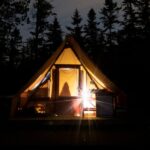
Cold mornings at camp taught me one brutal lesson fast. I packed cute layers once, and I shivered through breakfast in a damp hoodie. I never made that mistake again.
These 16 cold weather camping outfits solve that exact problem. I built them around layers I actually wear, swap, and sleep in. You can mix them for trail days, campfire nights, and frosty mornings without hauling a second wardrobe.
I kept every outfit simple, warm, and easy to move in. No fluff.
Why This List of 16 Cold Weather Camping Outfits Works
I picked these outfits for real camp life, not a photo shoot. I tested the logic on cold mornings, windy ridges, and lazy evenings by the fire. Each outfit covers warmth, dryness, and movement, and each one lets you add or shed a layer fast.
I left out cotton-heavy combos. I skipped outfits that trap sweat and turn cold the second you stop moving. I kept pieces you can repeat, wash less, and layer without feeling stuffed.
Honestly? I want you warm and still able to enjoy the trip.
1. Merino Base Layer Trail Outfit: Warmth That Moves With You
I start almost every cold trip with a merino wool top and matching leggings. Merino wool pulls sweat away from my skin, and it keeps me warm even when I work up a sweat on a climb. I add hiking pants, wool socks, and trail shoes, and I feel ready for miles.
I love how little bulk this outfit adds. I move freely, I bend easily, and I never feel like I wrapped myself in a blanket to hike. The trade-off? Merino wool costs more than a basic synthetic top, and it dries a bit slower after a hard push.
Merino wool base layers anchor this outfit with steady, breathable warmth.
Warmth starts next to your skin. Always.
2. Fleece and Puffy Camp Outfit: My Campfire Default
I reach for this combo the second I stop hiking. I pair a midweight fleece pullover with a packable puffy jacket, warm pants, and camp shoes. I add a beanie, and I settle in by the fire without chasing warmth all night.
I love this outfit for lazy camp evenings. The fleece warms my core, the puffy jacket blocks the evening chill, and I can peel one layer off when the fire really gets going. I learned to keep the puffy jacket away from sparks, though. One stray ember can melt a tiny hole fast.
A packable puffy jacket delivers big camp warmth in a small bundle.
Don't sleep on this one.
3. Softshell Hiking Outfit: Wind Protection Without the Sweat
I wear a softshell jacket over a light base layer for breezy trail days. The softshell cuts wind, sheds light snow, and breathes far better than a heavy rain shell. I pair it with stretch hiking pants, a thin beanie, and liner gloves.
FYI, I choose this outfit when I plan to move steadily all day. I stay warm without overheating, and I stop less to adjust layers. The caveat is simple. A softshell will not save you in a real downpour, so I pack a rain shell in my bag for backup.
A breathable softshell jacket balances wind protection and movement.
Move first. Adjust later.
4. Deep Freeze Parka Outfit: For the Coldest Nights
I break out the big parka when the air bites hard and the campfire barely helps. I layer a heavy base layer, a fleece mid-layer, and a long insulated parka. I add insulated pants, thick wool socks, insulated boots, and a balaclava.
I felt defeated on a trip like this once. I wore a thin jacket, I hid in my tent, and I missed the whole evening. A real parka changed that story for me. It costs space in my pack, and it feels heavy on a long walk, so I save it for camp, not the trail.
A long insulated parka protects your core, hips, and legs at camp.
Big cold calls for big warmth.
5. Rainy Campfire Shell Outfit: Stay Dry, Stay Out Longer
I build this outfit around a waterproof shell jacket and rain pants. I wear a fleece underneath, plus waterproof boots and a brimmed hood that keeps rain off my face. I add gloves I can actually cook in, not bulky ski mitts.
Rain used to send me straight to the tent. I hated that feeling. Now I cook, chat, and watch the fire through light rain, and I stay dry enough to enjoy it. The trade-off is sweat. I unzip the shell vents when I work near the stove, or moisture builds up inside fast.
A waterproof shell keeps rain and wet snow away from your warm layers.
Dry wins. Every time.
6. Down Vest Morning Outfit: Warm Core, Free Arms
I love a down vest for frosty mornings at camp. I wear it over a long sleeve base layer and under nothing else fancy. I pair it with warm pants, wool socks, and slip-on camp shoes, and I make coffee without feeling restricted.
My arms stay free for pouring, stirring, and packing. My core stays toasty. I add a shell jacket if wind picks up, and I swap the vest for a full jacket when temperatures drop further. A vest alone will not warm cold arms, so I keep arm layers close by.
A down vest warms your core while it leaves your arms free to work.
Simple works. Really.
7. Synthetic Puffy Wet Weather Outfit: Warmth That Handles Damp Air
I choose synthetic insulation when damp weather threatens the trip. I pair a synthetic puffy jacket with a moisture-wicking base layer, fleece pants, and waterproof boots. I add a neck gaiter and waterproof gloves for extra cover.
Synthetic insulation keeps warming me even when damp air sneaks in. Down insulation packs smaller and feels lighter, but it loses warmth faster when wet. I accept a slightly bulkier jacket for that peace of mind on wet trips. I still keep it dry when I can, because dry layers always feel better.
Synthetic insulation keeps working when damp conditions test your gear.
Wet weather needs a backup plan.
8. Dry Sleep and Booties Tent Outfit: My Secret to Warm Nights
I change into a completely dry sleep set before bed. I wear clean merino leggings, a dry long sleeve top, fresh wool socks, and soft down booties. I add a beanie if the tent feels chilly, and I tuck tomorrow's socks into my sleeping bag.
Cold feet ruin everything… I learned that fast on a trip where I slept in damp hiking socks. I woke up cold, cranky, and tired. A dry sleep outfit fixed my nights more than any fancy sleeping bag upgrade. The only hassle is discipline. You must change even when you feel tired and cold already.
A dedicated dry sleep set protects your warmth all night long.
Change first. Sleep better.
9. Windproof Ridge Outfit: Built for Exposed Trails
I wear this outfit on open ridges and windy overlooks. I pair a windproof shell with a fleece mid-layer, a merino base layer, and sturdy hiking pants. I add a snug beanie, a neck gaiter, and gloves that block wind without killing my grip.
IMO, wind steals warmth faster than still cold air. I felt that truth on a ridge walk where my jacket looked warm but wind cut straight through it. A windproof layer fixed the problem instantly. The shell adds a little crinkle and stiffness, but I gladly trade that for comfort on exposed ground.
A windproof shell stops wind chill from stealing your hard-earned warmth.
Wind matters. Plan for it.
10. Snowshoe Active Outfit: Warm While You Move
I dress lighter than you might expect for snowshoeing. I wear a breathable base layer, a light fleece, stretch snow pants, and waterproof boots with gaiters. I carry a puffy jacket in my pack for breaks, and I put it on the second I stop moving.
I sweat fast on snowshoes, so I start a little cool on purpose. I warm up within minutes, and I avoid soaking my base layer. The mistake I see most often is overdressing at the trailhead. You start sweaty, you stop for a photo, and cold hits you hard.
A breathable active outfit prevents sweat from turning into a chill later.
Start cool. Finish warm.
11. Camp Kitchen Cooking Outfit: Practical Warmth by the Stove
I cook in layers I can move and wipe clean. I wear a base layer, a fleece, an insulated vest, and pants with room to crouch. I add liner gloves for prep, thicker gloves for handling hot pots, and an apron or old shell to block splashes.
Cooking warms me up, but standing still near a stove in cold air chills my back fast. The vest keeps my core warm while my arms stay free to stir and chop. I avoid long, dangly sleeves near flames, and I keep a towel close for wet hands. Warm hands cook better food, in my experience.
An insulated vest keeps your core warm while it leaves your hands free to cook.
Cook warm. Eat happy.
12. Stargazing Late Night Outfit: Maximum Warmth, Minimum Fuss
I bundle up fully for late night stargazing. I wear a heavy base layer, fleece pants, a puffy jacket, insulated boots, a thick beanie, a neck gaiter, and warm mittens. I bring a camp chair pad and a blanket for my legs, because sitting still cools me faster than walking.
I love clear cold nights. The stars look sharper, the air feels quiet, and the whole camp settles down. I just refuse to shiver through it anymore. This outfit feels bulky, and I waddle a bit to my chair, but comfort beats looking sleek at midnight.
Full insulation plus mittens and a blanket turns stargazing into pure comfort.
Look up. Stay warm.
13. Lakeside Morning Outfit: Calm, Cold, and Beautiful
I wear this outfit for slow mornings by the water. I pair a wool sweater with a base layer, a windproof jacket, warm pants, and waterproof boots. I add a beanie and fingerless gloves under mittens, so I can sip coffee and take photos without bare hands.
Lakeside air feels damp and cold in a sneaky way. It creeps into light layers and settles in my bones if I stand still too long. Wool helps here, because it warms me even when mist hangs in the air. I keep a spare pair of socks in my pocket, just in case a muddy bank wins.
A wool sweater adds steady warmth in damp lakeside air.
Slow mornings deserve warm layers.
14. Cabin to Trail Outfit: Cozy Looks, Trail Function
I build this outfit for trips that mix cabin time and short hikes. I wear a flannel shirt over a base layer, a light insulated jacket, jeans or sturdy pants with stretch, and waterproof trail shoes. I add a beanie and a crossbody bag for snacks and a map.
I like looking a little less technical around the cabin. I still need real function on the trail, though, so I skip heavy cotton jeans in wet or very cold weather. Stretch pants or wool-blend pants handle the walk far better. The flannel adds charm, the layers add sense, and I feel at home in both places.
A flannel layer over a real base layer blends cabin comfort with trail warmth.
Cozy can still work hard.
15. Snow Play and Sledding Outfit: Built for Falls and Fun
I dress for snow play like I expect to fall in. I wear waterproof snow pants, a waterproof jacket, a warm base layer, a fleece mid-layer, waterproof gloves, and insulated boots. I add a helmet-compatible beanie or a balaclava and a neck gaiter for face protection.
Snow play soaks light layers fast. I learned that after one sled run turned my jeans into cold, stiff boards. Waterproof outer layers keep the fun going, and I can brush snow off and keep playing. The outfit feels a bit stiff at first, but movement loosens it up quickly.
Waterproof snow pants and gloves keep snow play fun instead of soggy.
Fall in. Stay dry.
16. Sunrise Summit Outfit: Light Pack, Serious Warmth
I pack this outfit for an early summit push. I wear a merino base layer, a light fleece, a packable puffy jacket, windproof pants, trail shoes or light boots, a beanie, and liner gloves. I carry a shell jacket and hand warmers in my pack for the windy top.
Sunrise hikes start cold and end warm, so I need layers I can peel fast. I was elated the first time I watched dawn break without shivering through it! I started cool, I added my puffy jacket at the top, and I enjoyed the view instead of counting minutes until descent. The packable jacket earns its place every single time.
A packable puffy jacket plus a shell covers cold summits without weighing you down.
Chase the sunrise. Pack smart.
How to Choose the Right Outfit for Your Trip
Start with the overnight low, the wind, and your activity level. I pick a base layer first, then I add insulation for camp time and a shell for wind or rain. I pack one dry sleep set no matter what, because damp clothes ruin a night faster than cold air alone.
I think that's the wrong way to look at it, the real question isn't warmth, it's control. You want control over heat, sweat, and moisture as conditions change. See, I choose outfits I can adjust in seconds, not outfits that lock me into one temperature all day.
Watch out for cotton, tight boots, and single heavy layers. Cotton holds sweat, tight boots cut circulation and chill your feet, and one thick coat traps heat on a climb and leaves you cold at camp. I choose layers, I test them at home first, and I pack spares for socks and gloves.
If I had to pick one starting point, I would pick the merino base layer trail outfit. It handles hiking, camp, and cool mornings with simple swaps, and it teaches you the layering habit fast.
Frequently Asked Questions
How do I pick from these 16 cold weather camping outfits? I match the outfit to the coldest part of my day, not the warmest. I choose active outfits for hiking, insulated outfits for camp, and a dry set for sleep.
What's the best option for beginners? I recommend the fleece and puffy camp outfit paired with a merino base layer. It feels simple, it layers easily, and it covers most mild to cold camping trips without fancy gear.
Should I wear cotton on a cold camping trip? I skip cotton for base layers and socks. Cotton holds sweat, it dries slowly, and it chills you fast once you stop moving.
How many layers do I really need? I use three layers most days: a moisture-wicking base layer, an insulating mid-layer, and a windproof or waterproof shell. I add or remove layers as I hike, rest, and sleep.
How do I keep my feet warm at night? I change into dry wool socks and soft camp booties before bed. I also loosen my boots during the day, because tight boots reduce circulation and make cold feet worse.
Cold camping rewards preparation more than toughness. I pack layers I trust, I change into dry clothes at night, and I adjust early instead of waiting until I shiver. You can enjoy frosty mornings, quiet trails, and bright campfires without dreading the cold.
Pick one outfit from this list for your next trip. Test it, tweak it, and make it yours.