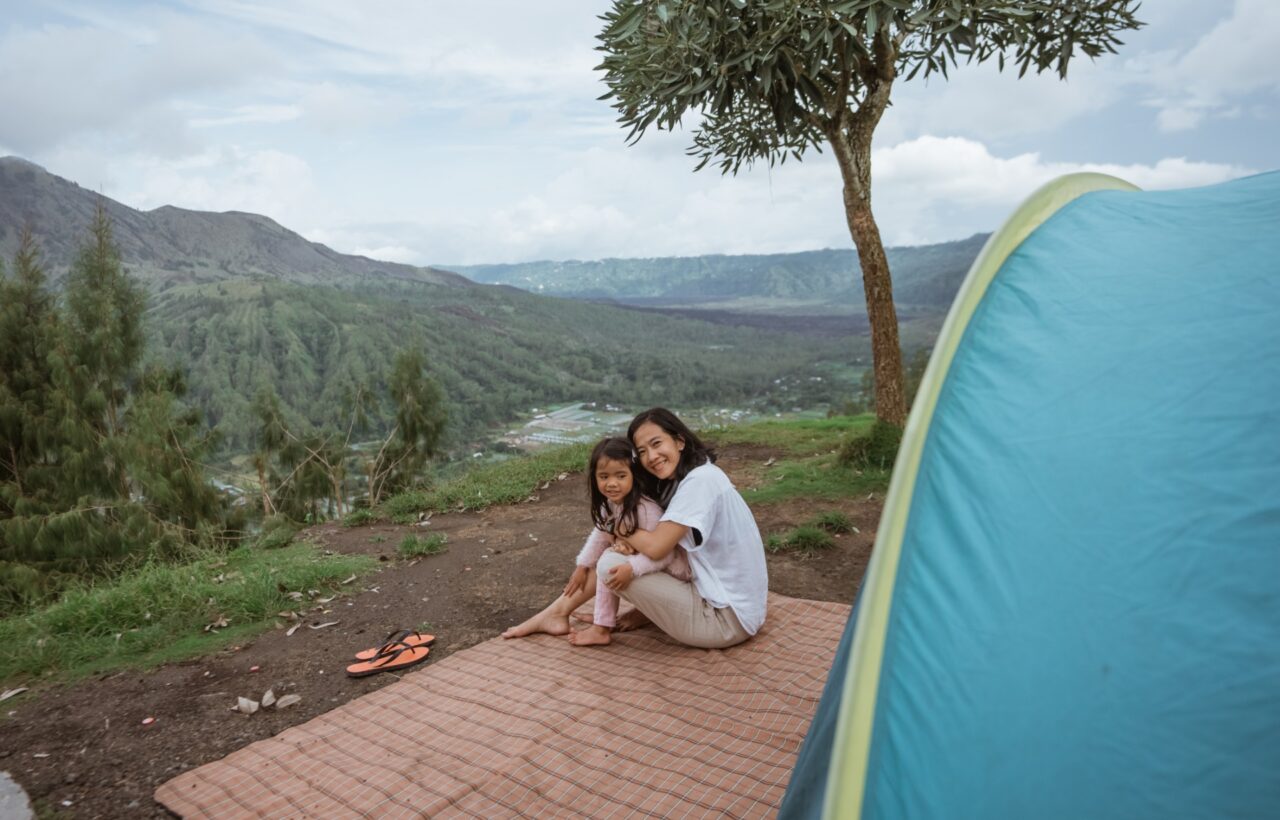
The best tent camping outfits for women are not “cute camping photos.” They are clothes that let you kneel on gravel, swing a mallet, cook over a stove, sit still when the temperature drops 25 degrees after sunset, and still get into a sleeping bag without changing three times.
Most packing lists fail because they treat camping like a hike or a photoshoot. Tent camping is both: high-movement work during setup, then long hours of low movement around camp. That swing is why jeans, cotton hoodies, short inseams, and one heavy jacket keep showing up as regrets.
Below are 14 complete outfits built around real campsite jobs — plus the fabric rules that make them interchangeable.
What tent camping actually asks of your clothes
A tent weekend is a sequence of different climates in one body:
- Setup and teardown need stretch, pockets, and coverage. You squat, reach, and drag fabric across dirt.
- Daytime needs sun, sweat, and bug control.
- Evenings need insulation you can add without taking everything off.
- Sleep needs a dry set that never sat in the fire pit or the wet grass.
- Weather rarely matches the forecast. A rain shell and one extra mid-layer solve more problems than a second pair of shorts.
The layering system is simple:
- Base layer — moves sweat off skin (merino wool or polyester, not cotton).
- Mid-layer — holds warmth (fleece, light puffy, or vest).
- Shell — blocks wind and rain.
If one of those three is missing, the outfits below start to fall apart.
Fabric rules that matter more than the outfit names
| Fabric | Use it for | Skip it when |
|---|---|---|
| Merino wool | Base layers, socks, multi-day wear | You need the cheapest possible tee |
| Polyester / nylon | Hiking pants, sun shirts, rain shells | You want zero odor after three sweaty days |
| Fleece | Cool mornings and active warmth | Heavy rain (it soaks and stays heavy) |
| Down or synthetic puffy | Still evenings and cold nights | Down in wet weather without a shell |
| Cotton / denim | Dry lounge time only, if at all | Sweat, rain, cold nights, underwear, socks |
Cotton is comfortable at home because it absorbs moisture. That same trait makes it a poor active layer outdoors: it stays wet, dries slowly, and stops insulating. Denim adds weight when damp and fights you when you sit on the ground.
Underwear and socks follow the same rule. Damp cotton next to skin is a common source of chafing and irritation on multi-day trips.
How to read the 14 outfits
Each look is a formula, not a brand list. Swap colors. Keep the jobs of each piece the same.
Always finish with:
- Closed-toe shoes for setup and trails
- A second pair of camp shoes that can get wet
- A hat that matches the weather (brim by day, beanie at night)
- Socks that are wool or synthetic
1. The tent-setup uniform
Wear: Quick-dry hiking pants or cargo joggers + moisture-wicking tee or henley + trail shoes + sun hat.
This is the first outfit of the trip and the one most people get wrong. Setup is a workout: hauling the bag, staking corners, crawling under a rainfly. Short shorts ride up. Dresses catch on poles. Flip-flops leave you open to smashed toes and hot tent stakes.
Choose pants with enough stretch to kneel and a hem that does not drag through wet grass. A 5- to 7-inch inseam short can work in heat, but full-length quick-dry pants protect shins from brush and leftover coals. Pockets matter here more than style. Phone, stakes pouch, and a snack should not require a separate bag while both hands are busy.
Skip this look if: You are only pitching on a groomed pad and the forecast is dry and hot. Then a longer short or skort is fine.
2. The hot-afternoon camp outfit
Wear: UPF sun hoodie or loose long-sleeve shirt + 5- to 7-inch quick-dry shorts or a lined skort + trail runners or sandals with a heel strap + brimmed hat.
Bare arms feel cooler for about 20 minutes. Then sunburn and mosquitoes take over. A loose, light-colored, tightly woven long sleeve often stays cooler than a tank because it blocks sun and creates a small air gap. Park rangers and field staff lean on coverage for that reason, not because they enjoy extra fabric.
A 5- to 7-inch inseam is the useful middle for most women: short enough to vent heat, long enough to reduce thigh rub when you walk, sit cross-legged, or crouch at a stove. Very short inseams look fine in photos and fail during tent work.
Skip this look if: You are in tick or chigger country. Switch to long pants.
3. The 6 a.m. coffee stack
Wear: Merino or synthetic long-sleeve base + fleece or light puffy + hiking pants or lined joggers + wool socks + camp shoes + beanie.
Mornings at a tent site are often 15 to 30 degrees colder than the afternoon you packed for. The mistake is wearing yesterday’s damp tee under a cotton hoodie. You stay cold because the base layer is already wet.
Keep a dry base layer for mornings, or at least start the day in merino, which still insulates when slightly damp and resists odor better than polyester. A vest works if you run hot in the arms but get cold in the core while standing still with a mug.
Skip this look if: Nights stay above about 65°F. Then a sun shirt and pants are enough.
4. The day-hike-from-camp outfit
Wear: Moisture-wicking tee or sun hoodie + convertible or stretch hiking pants + trail runners or light hikers + crew socks + packed rain shell.
This is the “leave camp, come back tired” kit. Convertible pants earn their space on tent trips because the same pair covers a chilly trailhead and a hot ridgeline. If you hate zip-off legs, pack one pair of pants and one pair of shorts instead.
Do not hike in the same cotton lounge set you slept in. Sweat plus a long sit at the overlook is how people end up clammy on the walk back.
Skip this look if: The “hike” is a 10-minute loop to the water pump. Outfit 2 is enough.
5. The bug-pressure outfit
Wear: Loose long-sleeve shirt in a tight weave + long quick-dry pants + socks pulled over cuffs + closed shoes + light-colored fabric if ticks are a concern.
Tight leggings are a poor bug barrier. Mosquitoes can bite through thin, stretched fabric that sits on the skin. Loose woven shirts and ripstop pants put space and density between you and the bite.
Ticks and chiggers climb. They do not need to pierce denim to become a problem. Tucking pants into socks looks unglamorous and blocks the most common path up the leg. Light colors make small ticks easier to spot than black or forest green.
Treat clothing with a fabric-only insect treatment when you expect heavy tick pressure, and still do a full-body check at night. Clothes are a barrier, not a guarantee.
Skip this look if: You are in an open, windy, high-elevation site with almost no insects. Then breathability can win.
6. The all-day rain outfit
Wear: Synthetic or merino base + fleece (optional) + waterproof-breathable rain jacket + rain pants or quick-dry pants you accept will get wet + waterproof shoes or shoes you can dry + wool socks with a spare pair in a dry bag.
A water-resistant windbreaker is not the same as a rain jacket. If the forecast includes hours of rain, you want a hooded shell that actually sheds water and still lets sweat escape. Non-breathable plastic rain gear keeps rain out and traps your own moisture in.
Keep the mid-layer under the shell, not over it. A soaked fleece is just extra weight. Down insulation is a poor outer layer in rain; if you bring down, protect it.
Pack one complete dry change in a waterproof sack inside the tent. The rain outfit can get filthy. Sleep clothes cannot.
Skip this look if: You only expect brief showers and have a covered picnic area. A packable shell over Outfit 2 may be enough.
7. The shoulder-season layer stack
Wear: Long-sleeve merino base + grid fleece or light insulated jacket + stretch hiking pants + packable puffy for stillness + beanie and light gloves.
Spring and fall tent trips are where “I packed a hoodie” fails. You hike in 60°F sun and stand at the fire in 38°F wind. One thick jacket cannot do both jobs. Thin layers you can add and remove can.
A puffy is for standing still: cooking, sitting, waiting for water to boil. Fleece is for moving around camp. Wear both only when you stop generating heat.
Skip this look if: You are in stable summer heat at low elevation. You will overpack and then overheat.
8. The campfire evening outfit
Wear: Dry base layer + flannel, fleece, or quilted overshirt + joggers or hiking pants + puffy or vest + wool socks + closed shoes.
Sparks, smoke, and sudden temperature drops punish the wrong fabrics. Fleece pills near fire. Down can melt from an ember. A harder-faced jacket or overshirt as the outer layer takes the abuse.
This should be a dry set, not the shirt you hiked in. Once you sit, your body produces less heat. Damp clothes make that drop feel sharper.
Avoid trailing hems and open-knit blankets as clothing substitutes. They pick up ash and drag through the dirt ring around the pit.
Skip this look if: Fire bans are on and the evening is still warm. Then Outfit 2 plus a light shirt is enough.
9. The sleep-and-midnight-pee outfit
Wear: Dedicated dry base layer top and bottom (merino or fleece) + wool sleep socks + beanie in cool weather. Keep a puffy and shoes next to the door.
Women often sleep colder than the people they camp with. A sleeping bag rating assumes you are dry, insulated from the ground, and not wearing damp day clothes. Changing into a clean sleep set is one of the highest-comfort habits on a tent trip.
Keep the sleep kit in its own stuff sack. Do not sit in it at the fire. For night trips to the bathroom, you want shoes you can slide on in the dark, not laces.
Cotton pajamas are acceptable only in warm, dry car-camping weather when you can afford a slow-drying fabric. In cool or damp conditions, they work against you.
Skip this look if: You are cowboy camping in high heat and will only wear a tee. Even then, keep the tee dry.
10. The water-day outfit
Wear: Quick-dry shorts or a swim-capable skort + sports bra or swim top + sun shirt you can wear wet + strap sandals or water shoes + packable towel.
Cotton cover-ups stay wet for hours and chill you when the breeze hits. A nylon shirt you can wear over a swim top solves sun and the walk back to the tent.
Strap sandals beat flip-flops on slick rocks and muddy banks. You still need closed shoes for cooking and night walking. Water days are when people try to live in one pair of sandals and then regret the first sharp stick.
Skip this look if: The only water is a pump and a dish bin. You do not need a swim kit.
11. The tick-and-brush outfit
Wear: Light-colored long pants + long sleeves + gaiters or socks over cuffs + boots or trail shoes + hat.
This is Outfit 5 with stricter sealing. Use it for tall grass, leaf litter, and bushy side trails to the bathroom. After the walk, change before you climb into the tent if you came through heavy vegetation. Ticks hitchhike on fabric.
Do a check behind knees, along the waistband, in hairlines, and along sock lines. Clothing reduces risk. It does not replace the check.
Skip this look if: You are on sand, rock, or a mowed campground interior with no surrounding brush.
12. The two-night minimalist capsule
Wear as a system, not one look:
- 2 wicking tees or 1 tee + 1 merino long sleeve
- 1 sun hoodie
- 1 pair hiking pants
- 1 pair shorts or sleep leggings
- 1 fleece or light puffy
- 1 rain shell
- 3 pairs wool/synthetic socks
- trail shoes + camp sandals
Those pieces create most of the outfits above without a suitcase. Tent camping rewards repeat wear. Merino earns its price here because one shirt can cover multiple days without smelling like a gym bag.
The usual overpack is “a cute outfit for photos.” If you want a nicer evening look, add one overshirt that layers over the same pants. Do not add jeans.
Skip this look if: You have a car, kids, and four days of unpredictable weather. Then extra socks and a second insulating layer are worth the space.
13. The high-sun, low-shade outfit
Wear: UPF 50+ hooded sun shirt + long pants or a long skort + wide-brim hat + sunglasses + trail shoes.
Desert, alpine, and lakeside sites reflect light. Sunscreen on arms washes off when you sweat and cook. A hooded sun shirt covers neck and ears that a cap misses.
Choose a light color. Dark technical fabric can feel hotter in still air even when it wicks well. Vent zippers or a loose cut matter more than a tight athletic fit.
Skip this look if: The campsite is fully canopied and the forecast is overcast. A regular long sleeve is enough.
14. The late-season “everything is cold when you stop” outfit
Wear: Thermal base top and bottom + fleece + insulated jacket + insulated or wool-lined pants if you have them + warm hat + gloves + wool socks + insulated or at least dry shoes.
Once activity stops, heat loss from the head and hands shows up first. A beanie in the evening is not a style extra. It is the cheapest warmth upgrade on the list.
Synthetic insulation is more forgiving than down if you expect wet snow or drizzle. Down is warmer per ounce when you can keep it dry.
This outfit is also the backup for a failed sleep system: if the bag is too thin, dry layers inside the bag help, but they cannot replace ground insulation. Clothes are not a substitute for a sleeping pad.
Skip this look if: You are camping in stable summer heat. You will sweat in the tent and then get damp.
Outfits that look right and perform badly
These keep appearing in “camping style” roundups and cause the same problems:
- Skinny jeans and a blouse. They restrict sitting, absorb smoke, and do nothing when the temperature drops.
- Cotton hoodie as the only warm layer. Fine for a dry afternoon. Miserable after one sweaty setup.
- Fashion sneakers with no tread. Gravel pads and wet roots are not sidewalks.
- Unlined mini shorts for all-day wear. Sun, bugs, and thigh rub stack up.
- Open-back dresses for tent work. They photograph well and snag on everything else.
- New boots on day one. Blisters do not care that the boots were on sale.
If you want a put-together look, get it from fit and color, not from fabrics that cannot dry.
A practical packing list for a 2- to 3-night tent trip
Use this as a default, then add for rain, bugs, or cold:
- 2 base tees (synthetic or merino)
- 1 long-sleeve merino or sun hoodie
- 1 fleece or light puffy (vest plus jacket is even more flexible)
- 1 rain shell
- 1 pair hiking pants
- 1 pair shorts, skort, or sleep leggings
- Sleep base layer kept in a dry sack
- 3–4 pairs underwear (synthetic or merino)
- 3 pairs hiking socks + 1 pair sleep socks
- Trail shoes and camp shoes
- Sun hat and beanie
- Light gloves in spring and fall
That list mixes into the 14 outfits without requiring 14 separate costumes.
Common questions
Can you wear jeans tent camping?
You can wear them for a short, dry car-camping evening if you have another option when they get wet. Do not hike in them, set up in them, or treat them as your only pants. Wet denim is heavy, cold, and slow to dry inside a tent.
How many outfits do you actually need for a weekend?
Fewer than you think. Two active sets plus one dry sleep set cover most two-night trips if the fabrics wick and dry. Extra socks beat extra shirts.
Are leggings good for camping?
As a mid-layer, sleep layer, or cool-weather base, yes. As your only bug-and-brush layer, no. Thin, tight fabric is easy to bite through and offers little protection from thorns or hot stove splash.
What should you wear to sleep in a tent?
A dry set that did not absorb sweat or smoke. Merino or fleece layers in cool weather. In warm weather, a dry tee and shorts or lightweight pants. Change before you get in the bag.
Is a rain jacket necessary if the forecast is clear?
For tent camping, yes more often than not. Forecasts miss overnight showers, and a shell also blocks wind at dinner. A packable jacket weighs little compared with a wet sleeping bag.
What is the one piece that improves every outfit?
A merino or synthetic base layer you can wear alone or under everything else. It is the difference between “the same clothes all weekend” and “the same clothes all weekend, still comfortable.”
Tent camping clothes succeed when they handle movement, moisture, and a temperature swing in the same day. Pick the outfits that match the job in front of you, keep one set dry for sleep, and let the rest of the packing list stay small.