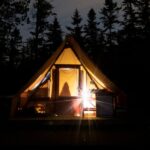
I learned my mountain lessons the hard way. I packed cute clothes once for a high camp trip and I froze by sunset. That trip pushed me to build this list of 13 mountain camping outfits that actually hold up when wind, rain, and cold show up on the same day.
I still love looking good at camp. I just refuse to shiver for a photo now. I want outfits that move, dry fast, and layer without a wrestling match in a tiny tent. I tested these combos on cold mornings, muddy trails, and windy ridges.
Why This List of 13 Mountain Camping Outfits Works
I picked these outfits for real mountain days. I skipped pieces that look great online and fail on a wet trail. I kept combos that layer, dry fast, and still feel like you.
I also weighed comfort, weight, and repeat wear. I want one bag, not three. I want pieces you can rewear, mix, and wash in a sink if you must. Honestly? I kept asking one question for every outfit: would I wear this again tomorrow after a long hike?
1. Merino Base and Trail Leggings: The Warm Start
I start most mountain mornings in a merino wool base layer and stretchy trail leggings. I love how merino keeps me warm without that sweaty, clammy feeling. I add a light fleece on top and I tie it around my waist once the sun hits the trail.
I wore this combo on a frosty morning hike and I felt steady from the first step. I moved freely on rocky steps and I never fought stiff fabric. My one caveat: I skip thin leggings with no pockets. I need a pocket for my phone and a snack bar.
Warm starts win cold days.
2. Classic Day Hike Tee and Convertible Pants: The Easy All Rounder
I reach for a moisture wicking tee and convertible hiking pants when I want one outfit for the whole day. I zip the legs off when the trail warms up and I zip them back on for brushy sections. I pair them with trail shoes and a cap, and I feel ready for almost anything.
This outfit works because every piece earns its place:
- I pick a tee that dries fast after a steep climb.
- I pick pants with stretch and a secure pocket.
- I pick socks that cushion my heels on descents.
I once wore jeans on this kind of hike. Never again. I felt heavy, damp, and slow by lunch.
Simple beats fancy on long trails.
3. Puffy Jacket and Softshell Pants: The Cold Morning Camp Kit
I live in my lightweight puffy jacket at camp before breakfast. I layer it over a base layer and I pair it with softshell pants and thick wool socks. I add a beanie and I finally feel human while I wait for coffee to brew.
I love how this outfit traps heat without bulk. I can still bend, sit on a camp chair, and cook without feeling like a marshmallow. My caveat: I pack a rain shell too. A puffy jacket alone hates wet snow and steady drizzle.
Puffy means cozy. Shell means smart.
4. Rain Shell and Rain Pants: The Storm Proof Combo
I trust a hooded waterproof rain shell and matching rain pants on wet mountain days. I layer them over my base and fleece, and I keep moving while clouds dump rain on the ridge. I tighten the hood, I roll my sleeves once, and I forget about the weather for a while.
I learned this lesson on a trip where I skipped rain pants. My legs soaked through in twenty minutes. I shivered at camp and I spent the night drying socks by the fire. I do not repeat that mistake now.
I check pit zips before I buy a shell. I want airflow when I climb hard, and I want a hood that moves with my head.
Dry legs change everything!
5. Sun Shirt and Hiking Shorts: The Sunny Ridge Walk
I wear a long sleeve UPF sun shirt and quick dry hiking shorts on bright, open ridges. I add a wide brim hat, sunglasses, and sunscreen, and I still feel cool when the sun bounces off rock. FYI, I reapply sunscreen after sweaty climbs, even when clouds roll in for a few minutes.
I love this outfit for steady climbs and lake stops. I can splash water on my arms and I dry fast. My caveat: I pack a light wind layer in my daypack. I have felt the temperature drop fast near a pass, even on a sunny afternoon.
Sun protection counts as comfort.
6. Grid Fleece and Softshell Jacket: The Summit Push Kit
I pick a grid fleece mid layer under a softshell jacket for summit days. I start cold, I warm up fast on switchbacks, and I unzip the shell to dump heat without stopping. I pair this top with hiking pants, gloves, and a neck gaiter for windy sections.
I love the control this combo gives me. I adjust one zip at a time and I stay in my rhythm. I once wore a heavy coat on a summit push and I overheated in the first hour. I sweated through my base layer and I felt cold at the top. Light layers beat one heavy coat.
Control your heat. Control your day.
7. Flannel and Insulated Vest: The Campfire Evening Look
I change into a soft flannel shirt and an insulated vest for campfire evenings. I pair them with warm camp pants and camp shoes, and I finally relax after a day on my feet. I love how this outfit feels cozy and still looks put together for photos.
I keep my arms free with a vest, so I can tend a fire, stir dinner, and hold a mug without bulk. My caveat: I add a beanie and warm socks once the sun drops. I lose heat fast when I sit still, and I hate cutting a good campfire chat short because I feel cold.
Campfire time deserves cozy clothes.
8. Clean Base Layers and Thick Socks: The Sleep System Outfit
I save a clean set of base layers just for sleeping. I wear a dry merino top and bottom with thick socks and a light beanie inside my sleeping bag. IMO, this small habit improves sleep more than any fancy camp pillow I have tried.
I learned this after sleeping in damp hiking clothes once. I tossed, I shivered, and I woke up tired and grumpy. Now I change at camp, I hang damp clothes to air out, and I climb into my bag feeling fresh.
I keep this sleep set in a dry bag. I protect it from rain, spills, and muddy hands.
Clean and dry sleeps better. Every time.
9. Quick Dry Shorts and Water Shoes: The Mountain Lake Stop
I pack quick dry shorts and sturdy water shoes for mountain lake stops and stream crossings. I pair them with a rash guard or a light tee, and I wade in without fear of soggy pants for the rest of the day. I love the freedom of a cold splash after a dusty trail.
This outfit works for more than swimming:
- I cross shallow streams with grip and confidence.
- I rinse off trail dust at a lake edge.
- I dry fast and I change back into hiking pants with no fuss.
My caveat: I keep my hiking boots dry and safe on the bank. I never hike rocky trails in water shoes alone.
Splash smart. Hike dry.
10. Wind Shell and Neck Gaiter: The Windy Pass Combo
I rely on a lightweight wind shell and a neck gaiter on exposed passes. I layer them over a base and fleece, and I pull the gaiter up when gusts hit my face. I pair this top with leggings under hiking pants for extra warmth on cold, windy days.
I love how little space this outfit takes in my pack. I stuff the shell into a pocket and I pull it out in seconds. I once skipped a wind layer on a pass and I felt the wind cut straight through my fleece. I learned fast. Wind steals heat even when rain never shows up.
See, I pack for the coldest hour, not the warmest photo.
11. Thermal Base and Fleece Lined Pants: The Shoulder Season Mix
I wear a thermal base layer and fleece lined hiking pants for spring and fall mountain trips. I add an insulated jacket, gloves, and a beanie, and I handle frosty mornings and mild afternoons with a few zip adjustments. I love this outfit because it bridges seasons without a huge bag.
I wore this mix on a late October trip and I felt prepared for sun, wind, and a surprise flurry. I peeled layers as the day warmed, and I added them back at camp without a full outfit change. My caveat: I watch for overheating on steep climbs. I unzip early and I drink water often.
Shoulder seasons reward flexible layers.
12. Oversized Sweatshirt and Leggings: The Easy Car Camp Day
I pick an oversized sweatshirt and thick trail leggings for easy car camp days. I pair them with sturdy sneakers or light trail shoes, and I spend the day cooking, reading, and walking short paths near camp. I love how relaxed this outfit feels, and I still move well on uneven ground.
This outfit works best when I stay near camp:
- I pick leggings with a wide waistband and real pockets.
- I pick a sweatshirt that covers my hips in a breeze.
- I pack a rain shell in case a shower rolls through.
I do not wear this for long, steep hikes. I switch to a wicking tee and hiking pants when the trail gets serious.
Easy days still need trail ready shoes.
13. Down Jacket and Thermal Leggings: The Night Stargazing Kit
I save my warmest combo for night skies. I wear a down insulated jacket over a fleece, thermal leggings under camp pants, mittens, and a warm hat. I add a headlamp with a red light setting, and I sit outside long enough to watch stars come out.
I love this outfit because it lets me stay out longer. I felt defeated once when cold drove me inside after ten minutes. I missed the best stars. Now I dress warmer than I think I need, and I enjoy the quiet.
My caveat: I keep the down jacket dry. I wear a shell over it if dew or mist rolls in.
Warmth lets wonder last longer!
How to Choose Your Mountain Camping Outfit
I think that's the wrong way to look at it, the prettiest outfit isn't the real question, the outfit you can hike, sit, and sleep in is. I start with the forecast for the coldest and wettest hour, not the warmest photo moment. I build from skin out: a dry base, a warm mid layer, and a shell I trust.
I also match the outfit to the day. I pick light, breathable pieces for sunny ridge walks and I pick insulated, windproof pieces for summits and night skies. I avoid cotton on the trail because wet cotton stays wet and steals warmth. I pick merino or synthetic fabrics instead, and I test new pieces on a short walk before a big trip.
Don't sleep on fit. I check that pants stretch when I step high, jackets zip over a fleece, and boots feel good on descents. I pack one extra warm layer and one rain layer even when the forecast looks kind. Mountains change fast, and a small pack beats a miserable camp.
Pick for the worst hour. Enjoy every hour after that.
Frequently Asked Questions
Which of these 13 mountain camping outfits should beginners start with? I start beginners with outfit 2, the classic day hike tee and convertible pants, plus outfit 3 for cold camp mornings. I find that pair covers most fair weather trips without a huge shopping list.
How many layers do I really need for mountain camping? I pack three layers for most trips: a wicking base, a warm mid layer, and a waterproof shell. I add or remove one layer at a time as I climb, rest, or sit at camp.
Can I wear leggings for mountain camping? Yes, I wear thick trail leggings often, especially with a base layer or hiking pants over them in wind. I skip thin fashion leggings with no stretch recovery or pockets.
What shoes work best with these outfits? I wear trail shoes or hiking boots with ankle support for rocky trails, and I pack light camp shoes for evenings. I never rely on sandals alone for mountain paths.
Should I bring a separate sleep outfit? Yes, I always pack a clean, dry sleep set, even for short trips. I sleep warmer and I wake up fresher when I change out of damp hiking clothes.
I hope this list helps you pack with less stress and more joy. I still tweak my bag every trip, and I still learn something new on every ridge. I want you to feel warm, dry, and free to enjoy the trail, the fire, and the stars. Let's get started!